
Regulator Manufacturer Tel: +86 13380377051
Regulator Manufacturer Tel: +86 13380377051
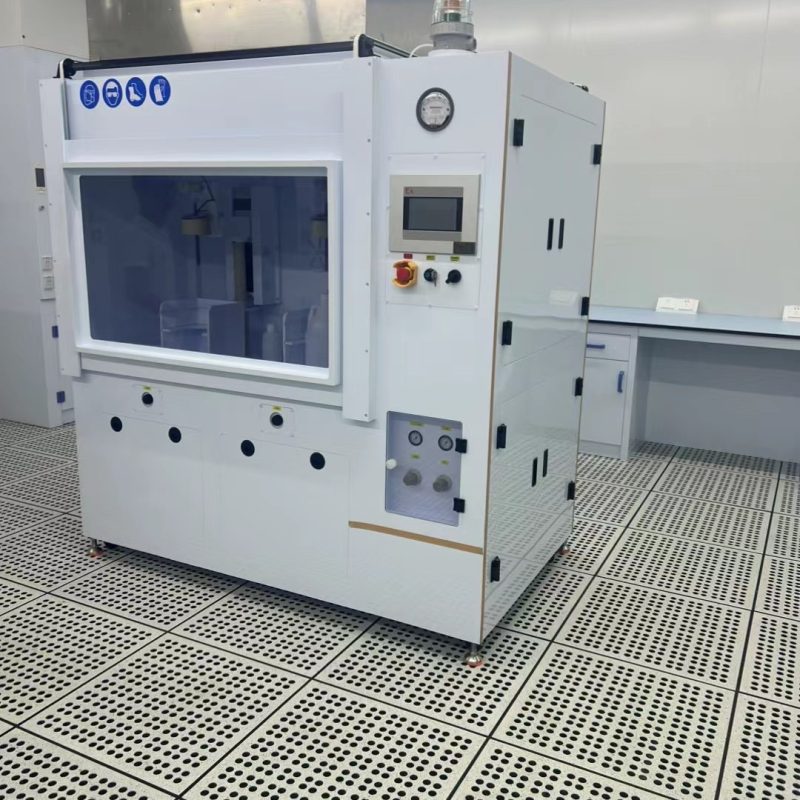
How Does a Wet Scrubber Treat Industrial Tail Gas and Exhaust Emissions?
Industrial manufacturing processes can generate a wide range of tail gas and exhaust emissions, including acidic gases, alkaline compounds, soluble pollutants, particulate matter, volatile compounds, and other hazardous air pollutants. If these emissions are discharged directly into the atmosphere, they may create environmental risks, workplace safety concerns, and regulatory compliance challenges.
A wet scrubber is one of the most widely used technologies for treating industrial exhaust gas. By bringing contaminated gas into close contact with a liquid scrubbing medium, a wet scrubber can transfer soluble pollutants from the gas phase into the liquid phase and, when properly designed, neutralize or chemically react with specific contaminants.
Wet scrubbers are used across chemical processing, semiconductor manufacturing, metal processing, pharmaceuticals, laboratories, wastewater treatment, food processing, and other industries. Their flexibility makes them particularly useful when an exhaust stream contains multiple pollutants or when gas cooling and particulate removal are required in the same system.
This article explains how a wet scrubber treats industrial tail gas, its working principle, major components, treatment stages, suitable pollutants, design considerations, and applications.
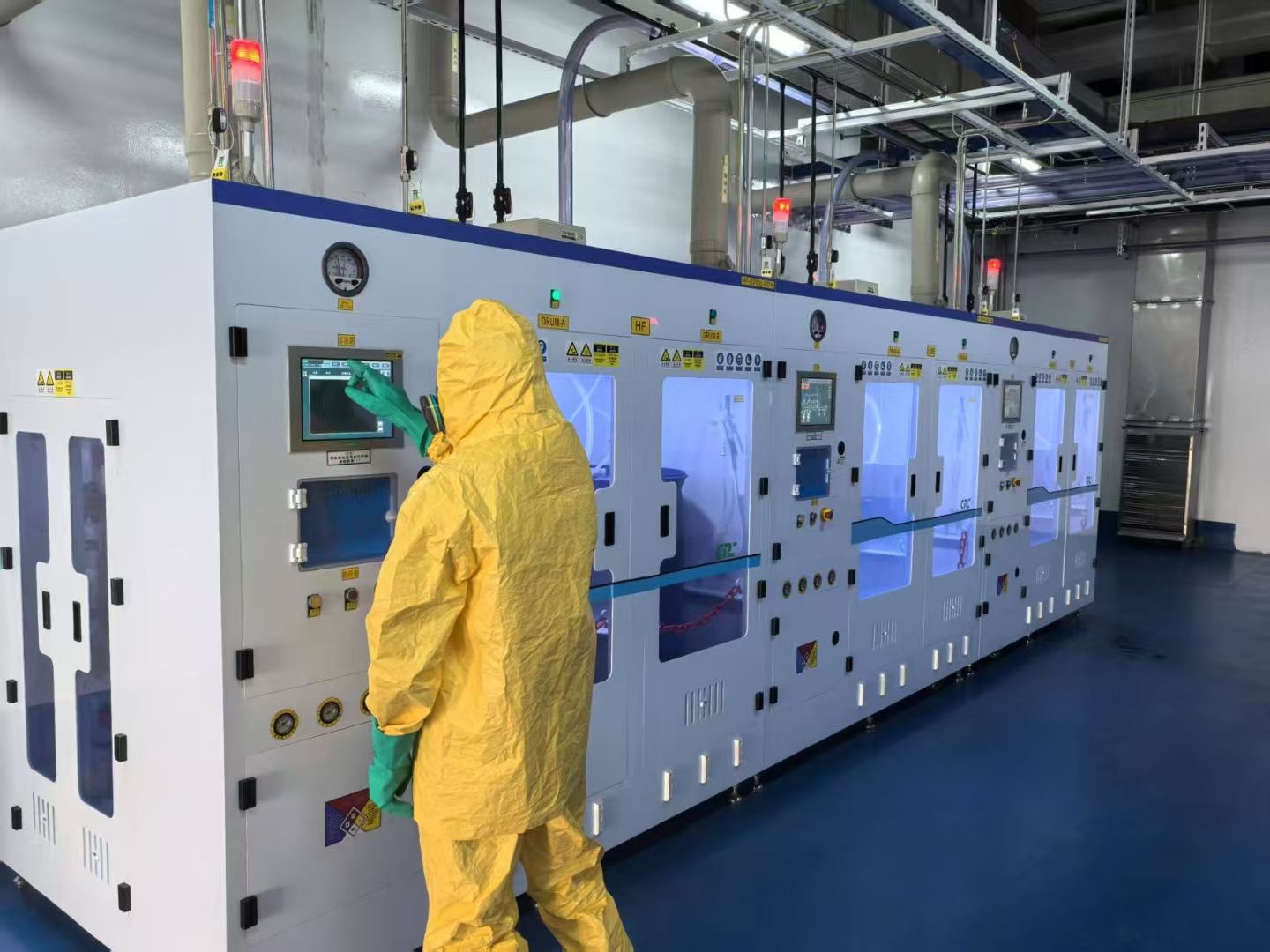
What Is a Wet Scrubber?
A wet scrubber is an exhaust gas treatment system that uses a liquid to remove pollutants from an industrial gas stream.
The basic process is straightforward: contaminated exhaust enters the scrubber, contacts a liquid solution, and transfers target pollutants from the gas phase into the liquid phase. Depending on the pollutant, the liquid may simply absorb the contaminant or may chemically react with it.
A typical wet scrubber system consists of:
- Exhaust gas inlet
- Scrubbing tower
- Spray nozzles or liquid distribution system
- Packing media or contact elements
- Scrubbing liquid circulation pump
- Mist eliminator
- Recirculation tank
- pH monitoring and chemical dosing system
- Exhaust fan
- Stack or discharge duct
- Control and monitoring system
The actual configuration depends on gas composition, flow rate, pollutant concentration, required removal efficiency, temperature, pressure drop, and applicable emission standards.
How Does a Wet Scrubber Work?
The fundamental principle of a wet scrubber is gas-liquid mass transfer.
Industrial tail gas enters the scrubber and flows through a chamber where it comes into contact with a circulating liquid. The liquid is distributed through spray nozzles or flows over packing material to create a large contact area.
As the contaminated gas contacts the liquid, soluble pollutants move from the gas phase into the liquid phase.
Three mechanisms are particularly important:
1. Absorption
Water or another liquid absorbs soluble gases from the exhaust stream.
For example, gases such as hydrogen chloride (HCl), ammonia (NH₃), and sulfur dioxide (SO₂) can be absorbed by suitable scrubbing liquids.
The effectiveness of physical absorption depends on factors such as:
- Gas solubility
- Liquid temperature
- Gas-liquid contact area
- Residence time
- Liquid-to-gas ratio
- Pollutant concentration
2. Chemical Reaction
For many industrial applications, physical absorption alone is not sufficient. A chemical reagent can be added to the scrubbing liquid to react with the pollutant and improve removal efficiency.
For example, an alkaline solution can be used to neutralize acidic gases.
A simplified reaction for hydrochloric acid gas treatment is:
HCl + NaOH → NaCl + H₂O
For sulfur dioxide, alkaline scrubbing can similarly convert the pollutant into soluble salts.
Chemical scrubbing is particularly useful when treating corrosive or reactive gases because the reaction continuously removes the pollutant from the liquid-gas equilibrium.
3. Particle Capture
Wet scrubbers can also remove particulate matter by causing particles to collide with liquid droplets.
As exhaust gas passes through a spray or a high-energy contact zone, particles can become captured by droplets and carried into the liquid phase.
However, the ability to remove fine particles depends strongly on scrubber design. High-energy scrubbers such as venturi scrubbers can provide greater particle collection performance than conventional low-energy spray towers.
Main Stages of Industrial Tail Gas Treatment
A complete wet scrubber system usually includes several stages rather than simply one scrubbing tower.
Stage 1: Exhaust Gas Collection
The exhaust gas is first collected from production equipment through an industrial ventilation and ductwork system.
The collection system should be properly designed to maintain sufficient capture velocity and prevent contaminated gas from escaping into the workplace.
The gas may contain:
- Acid gases
- Alkaline gases
- VOCs
- Fine particles
- Chemical vapors
- Odors
- High-temperature gases
- Moisture
Gas composition and operating conditions should be determined before selecting the scrubber.
Stage 2: Gas Cooling and Conditioning
Some industrial exhaust streams enter the treatment system at elevated temperatures.
A wet scrubber can simultaneously cool the gas through direct contact with the scrubbing liquid. This reduces gas temperature and can create more favorable conditions for downstream absorption.
However, excessive condensation can affect ductwork, fans, and downstream equipment, so the system must be designed for the expected temperature and humidity conditions.
Stage 3: Gas-Liquid Contact
The conditioned exhaust enters the main scrubber chamber.
Depending on the design, the gas may flow upward or downward while the scrubbing liquid is sprayed in the opposite direction or distributed through packing.
Counter-current flow is commonly used because it can provide effective mass transfer between the gas and liquid.
Packing materials increase the contact area between the two phases. Common materials include corrosion-resistant plastics such as PP, PVC, and other engineered materials selected according to chemical compatibility and operating temperature.
Stage 4: Chemical Neutralization
When chemical scrubbing is required, a dosing system adds chemicals to the recirculating liquid.
For acidic gases, alkaline chemicals such as sodium hydroxide may be used.
For alkaline gases such as ammonia, acidic scrubbing solutions may be appropriate.
The selection of reagent depends on the pollutant chemistry, concentration, required removal efficiency, wastewater requirements, operating cost, and local regulations.
Stage 5: Mist Elimination
After passing through the scrubbing zone, the gas contains water droplets entrained from the circulation system.
A mist eliminator is installed near the gas outlet to remove these droplets.
This is an important component because uncontrolled liquid carryover can cause:
- Downstream duct corrosion
- Fan damage
- Stack plume problems
- Chemical losses
- Environmental discharge issues
Mist eliminators may use mesh pads, vane-type separators, or other droplet-removal technologies depending on the application.
Stage 6: Treated Gas Discharge
After pollutant removal and mist elimination, the treated gas passes through the exhaust fan and is discharged through the stack.
Depending on the application, additional treatment equipment may be installed downstream, such as activated carbon adsorption, dry filtration, thermal oxidation, or other technologies.
What Pollutants Can a Wet Scrubber Remove?
Wet scrubbers are particularly suitable for water-soluble and chemically reactive pollutants.
Typical target pollutants include:
| Pollutant | Typical Treatment Approach |
|---|---|
| HCl | Alkaline absorption/neutralization |
| HF | Alkaline scrubbing |
| SO₂ | Alkaline absorption |
| NH₃ | Acidic absorption |
| Cl₂ | Chemical absorption/reaction |
| SO₃ | Water or alkaline scrubbing |
| Acid mist | Spray or packed-bed scrubbing |
| Alkaline gases | Acidic scrubbing |
| Particulate matter | Droplet/particle capture |
| Odorous compounds | Chemical or biological scrubbing |
The actual removal efficiency depends on gas chemistry, concentration, temperature, liquid chemistry, equipment configuration, gas velocity, residence time, and operating conditions.
Wet scrubbers are generally less suitable as a standalone technology for poorly water-soluble VOCs. In such applications, activated carbon adsorption, thermal oxidation, catalytic oxidation, or other treatment technologies may be required.
Packed-Bed Wet Scrubber vs. Spray Tower
Different wet scrubber configurations are used for different applications.
Packed-Bed Scrubber
A packed-bed scrubber contains structured or random packing that increases gas-liquid contact area.
Its advantages include:
- High gas-liquid contact area
- Effective absorption of soluble gases
- Relatively compact equipment
- Suitable for continuous chemical gas treatment
Packed towers are widely used for acid gas and alkaline gas treatment.
Spray Tower
A spray tower uses nozzles to distribute liquid droplets through the gas stream.
Advantages include:
- Simple construction
- Relatively low pressure drop
- Easier maintenance
- Lower risk of packing blockage
Spray towers can be suitable for applications with particulate loading or where simple gas absorption is required.
Venturi Scrubber
Venturi scrubbers use high gas velocity to atomize liquid and create intensive gas-liquid contact.
They are particularly suitable for applications requiring significant particulate removal, although they generally have higher pressure drop and energy consumption.
Key Wet Scrubber Design Parameters
Proper system design is critical to achieving stable treatment performance.
Gas Flow Rate
The scrubber must be sized according to the actual and maximum exhaust flow rate.
An undersized scrubber may have insufficient contact time, while significant oversizing can increase equipment and operating costs.
Pollutant Concentration
The inlet concentration determines the required liquid circulation rate, chemical dosing rate, contact area, and system configuration.
Liquid-to-Gas Ratio
The liquid-to-gas ratio is an important operating parameter. Insufficient liquid flow can reduce mass-transfer efficiency, while excessive liquid flow may increase pumping requirements and wastewater generation.
pH Control
For chemical scrubbing systems, maintaining the correct pH is essential.
Automatic pH monitoring can continuously measure the scrubbing liquid and activate chemical dosing when the pH moves outside the defined operating range.
Pressure Drop
Pressure drop affects the selection and energy consumption of the exhaust fan.
Packed towers, mist eliminators, and high-energy scrubbers can produce different pressure losses, so the entire system should be considered when selecting the fan.
Corrosion Resistance
Industrial tail gas can contain highly corrosive chemicals.
The scrubber body, piping, pumps, valves, nozzles, packing, and instrumentation should therefore be selected according to the chemical composition and operating conditions.
Common construction materials include FRP, PP, PVC, CPVC, stainless steel, and specialized corrosion-resistant materials.
Automatic Monitoring and Control
Modern wet scrubber systems increasingly incorporate automatic control systems to maintain stable treatment performance.
Typical monitoring parameters include:
- Scrubbing liquid pH
- Liquid level
- Pump status
- Gas pressure
- Differential pressure
- Exhaust fan status
- Chemical dosing rate
- Liquid flow rate
- Temperature
A PLC-based control system can integrate these parameters and generate alarms when operating conditions deviate from preset limits.
For critical industrial applications, additional sensors and interlocks can be integrated to prevent operation under abnormal conditions.
Advantages of Wet Scrubber Technology
Wet scrubbers offer several important advantages for industrial exhaust treatment.
First, they can treat multiple pollutants simultaneously. A properly designed system can remove gases, acid mist, and certain particulate contaminants in one treatment process.
Second, they can cool hot exhaust gas. Direct gas-liquid contact transfers heat from the gas to the liquid.
Third, wet scrubbers can handle corrosive gases. With appropriate materials and chemical selection, they can operate in highly corrosive environments.
Fourth, they can provide flexible chemical treatment. Changing the scrubbing reagent can adapt the system to different pollutant types.
Finally, wet scrubbers can be integrated with other technologies. For example, a wet scrubber may be combined with filtration, activated carbon, or additional gas treatment stages to address complex emission profiles.
Applications of Wet Scrubbers
Wet scrubbers are used in many industrial sectors, including:
- Semiconductor manufacturing
- Chemical manufacturing
- Pharmaceutical production
- Metal processing
- Electroplating
- Laboratory facilities
- Wastewater treatment
- Food processing
- Battery manufacturing
- Semiconductor etching and deposition
- Specialty chemical production
In semiconductor fabs, for example, exhaust gas may contain acidic, alkaline, toxic, or reactive chemical compounds. Wet scrubber systems can be integrated into centralized or point-of-use exhaust treatment systems according to the process requirements.
How to Select a Wet Scrubber System
Before selecting a wet scrubber, engineers should evaluate the complete exhaust profile rather than choosing equipment based only on airflow.
Important information includes:
- Exhaust gas flow rate
- Pollutant types
- Inlet pollutant concentrations
- Gas temperature
- Moisture content
- Required outlet concentration
- Required removal efficiency
- Chemical compatibility
- Available installation space
- Wastewater treatment requirements
- Local environmental regulations
- Required automation and monitoring
A professional scrubber manufacturer can then determine the appropriate tower diameter, packing height, circulation capacity, nozzle configuration, pump size, mist eliminator, chemical dosing system, fan capacity, and control strategy.
Conclusion
A wet scrubber treats industrial tail gas primarily through gas-liquid contact, absorption, chemical reaction, and pollutant capture. By circulating a carefully selected liquid through a scrubber tower, soluble and reactive pollutants can be transferred from the exhaust gas into the liquid phase and neutralized or otherwise treated.
The effectiveness of a wet scrubber depends on much more than the tower itself. Gas composition, flow rate, pollutant concentration, liquid chemistry, gas-liquid contact area, pH, pressure drop, mist elimination, corrosion resistance, and automatic control must all be considered as part of an integrated exhaust treatment system.
For industries handling acidic gases, alkaline gases, chemical vapors, acid mist, and certain particulate emissions, a properly engineered wet scrubber can provide a reliable and adaptable solution for industrial tail gas treatment. When combined with suitable downstream technologies and continuous monitoring, wet scrubbing can form an important part of a comprehensive industrial air pollution control system.
For more about how does a wet scrubber treat industrial tail gas and exhaust emissions, you can pay a visit to Jewellok at https://www.specialtygasregulator.com/product-category/specialty-gas-cabinet/ for more info.
-
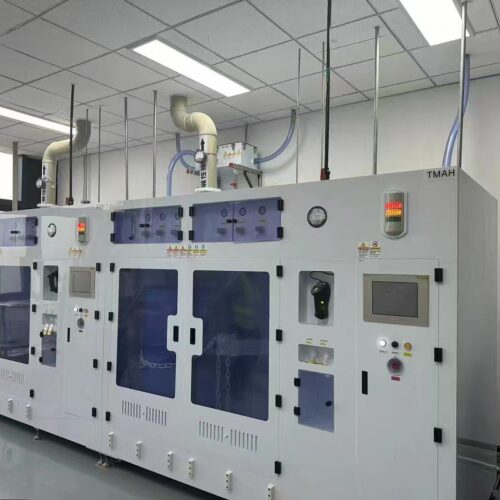
Liquid Bulk Chemical Delivery System with Automatic Chemical Dispense Unit (CDU) Featuring 316L Electropolished Stainless Steel Piping Components
-
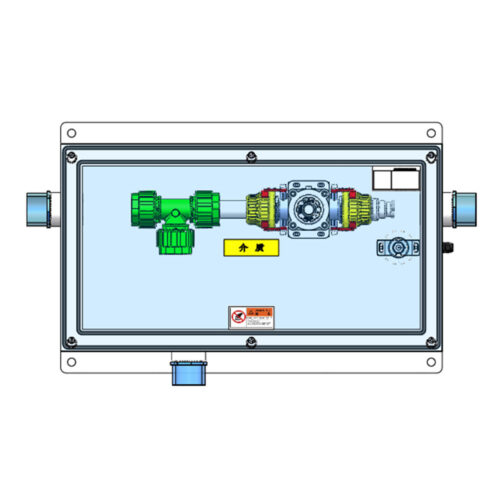
T-BOX JW-TB-C Special Gas Delivery System Gas Valve Manifold Boxes
-
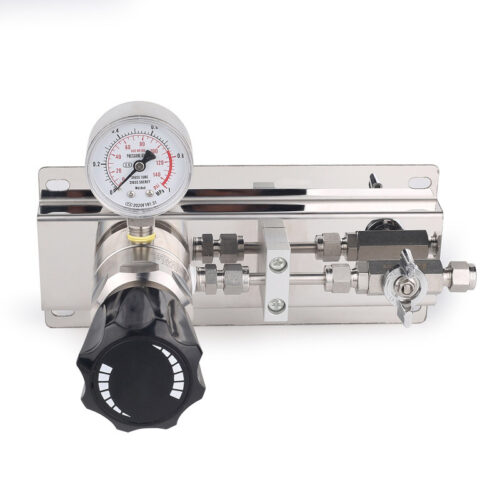
High Purity Gas Cylinder Semi Automatic Changeover Manifold Regulator Panel 3000psig Stainless Steel Gas Control Panel 1/8 Npt With Gauge
-
766L High Purity Female Connector UHP Fitting Female Connector
-
Stainless Steel High Purity High Temperature Pneumatic Actuated Ball Valves JBV2 Series
-
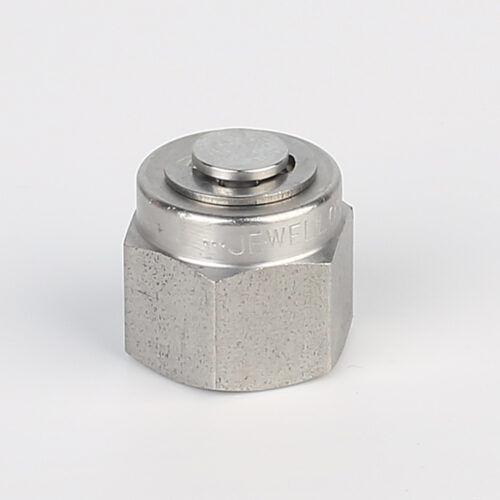
7121L Plug High Purity Plug Fitting And Blanking Plug
-
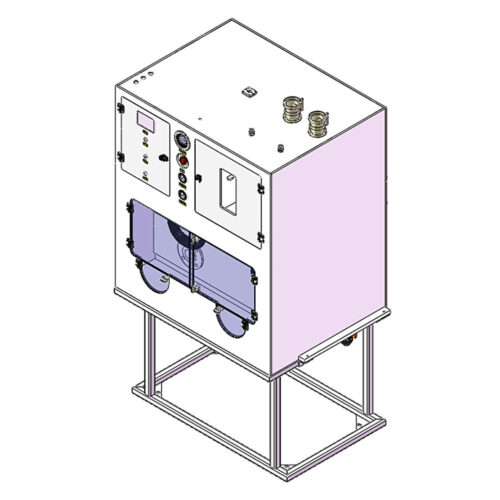
Clean Connection Cabinet JW-300-CCB Valve Manifold Box And Control Valve Box
-
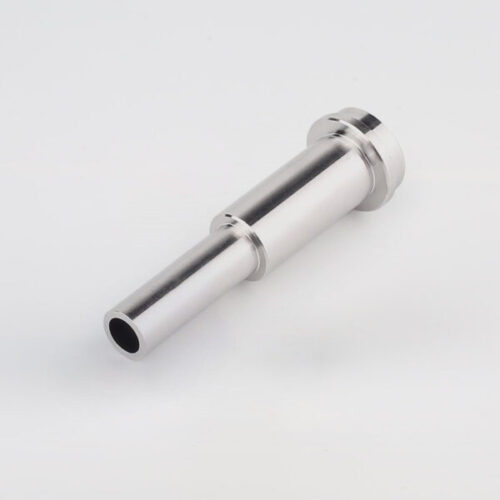
Long Gland LG Series For Ultra High Purity Gas And Chemical Delivery Systems