
Regulator Manufacturer Tel: +86 13380377051
Regulator Manufacturer Tel: +86 13380377051
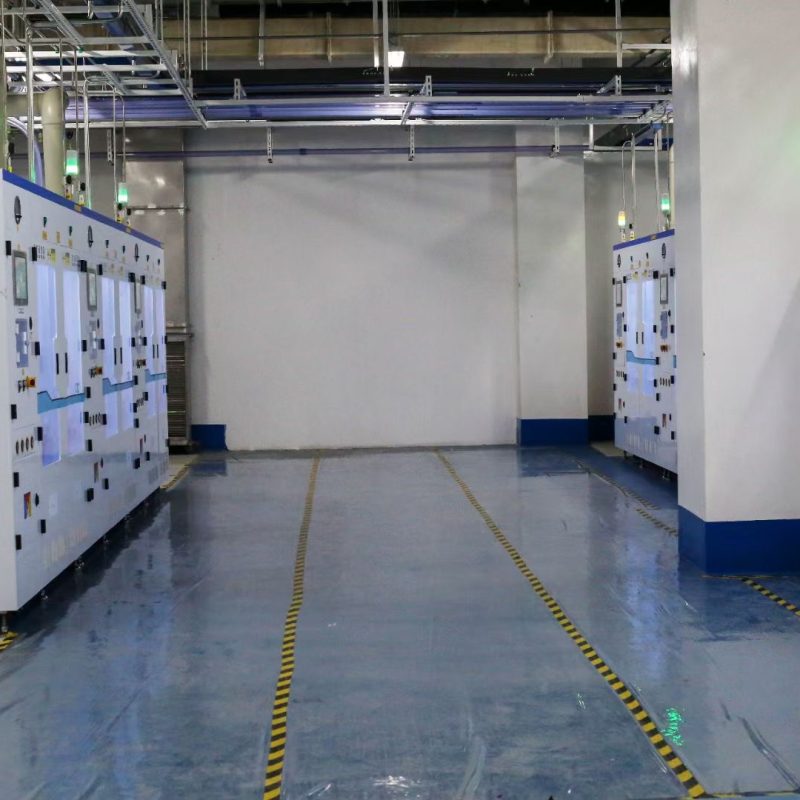
Laboratory Gas Scrubber System for Safe and Efficient Exhaust Gas Treatment
Laboratories that handle corrosive, toxic, reactive, or volatile chemicals need reliable exhaust gas treatment to protect personnel, equipment, and the surrounding environment. A laboratory gas scrubber system is designed to remove or neutralize hazardous gases and vapors before they are discharged into the atmosphere. Compared with conventional laboratory exhaust ventilation, a properly engineered gas scrubber provides an additional layer of emission control for applications involving acids, alkalis, solvents, specialty gases, and chemical reactions.
Modern laboratory gas scrubber systems combine gas collection, chemical absorption, filtration, monitoring, and automated control technologies. The correct system configuration depends on the type and concentration of contaminants, exhaust flow rate, temperature, humidity, required removal efficiency, and applicable environmental regulations. This article explains the working principle, major components, scrubber types, selection criteria, applications, and maintenance requirements of laboratory gas scrubber systems.
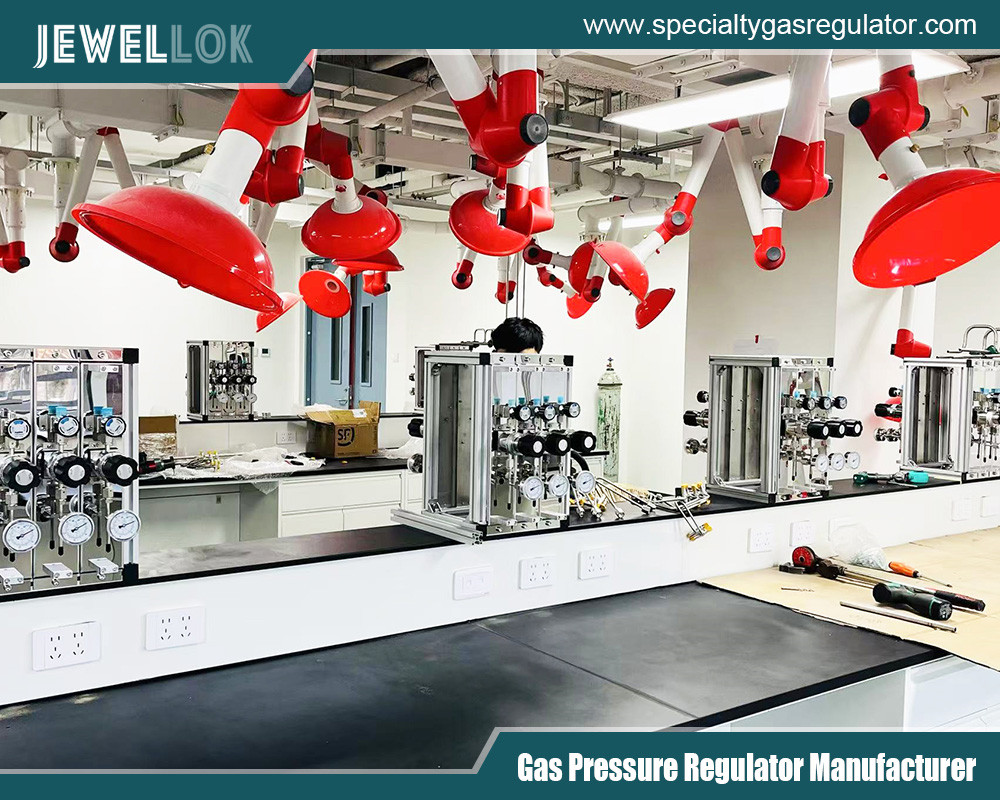
What Is a Laboratory Gas Scrubber System?
A laboratory gas scrubber system is an exhaust gas treatment device that removes hazardous gaseous pollutants from laboratory exhaust streams before the treated air is released through an exhaust stack.
During laboratory processes, contaminants may include:
- Acid gases such as HCl, HF, HNO₃, and SO₂
- Alkaline gases such as NH₃
- Chlorine and other reactive gases
- VOCs and solvent vapors
- Toxic and specialty gases
- Aerosols, fumes, and fine chemical particles
- Odorous compounds
The basic treatment process introduces contaminated exhaust gas into a scrubber where the target pollutants come into contact with a liquid absorbent, chemical reagent, adsorbent material, or other treatment medium. Depending on the pollutant, the system may use absorption, neutralization, oxidation, reduction, adsorption, condensation, or a combination of these mechanisms.
The objective is not simply to move contaminated air outside the building. Instead, the system is designed to reduce the concentration of hazardous pollutants to an appropriate level before discharge.
How Does a Laboratory Gas Scrubber Work?
A typical laboratory gas scrubber follows several treatment stages.
1. Exhaust Gas Collection
Contaminated gases are first collected from laboratory equipment, fume hoods, chemical process equipment, gas cabinets, reactors, or other emission points.
The exhaust ductwork must be properly sized to maintain the required airflow while minimizing pressure loss. Materials must also be compatible with the chemicals being transported.
For highly corrosive applications, common duct and scrubber construction materials include PP, PVC, CPVC, PVDF, FRP, and corrosion-resistant stainless steels, depending on the process conditions.
2. Gas-Liquid or Gas-Solid Contact
The contaminated gas enters the main treatment chamber and contacts the treatment medium.
In a wet scrubber, packing materials increase the contact area between gas and liquid. The liquid flows over the packing while the contaminated gas passes through it, creating a large gas-liquid interface.
Pollutants can then dissolve into the liquid and undergo chemical reactions.
3. Chemical Neutralization or Reaction
For reactive gases, a chemical reagent can be added to the scrubbing liquid.
For example, acidic gases can often be treated using alkaline solutions. Alkaline gases may require acidic scrubbing solutions. Oxidizing or reducing chemicals can also be used for specific contaminants.
The actual reagent selection should be based on the chemical properties and concentration of the target gas rather than using a universal chemical solution.
4. Mist Elimination
After passing through the scrubber, the gas may contain entrained droplets of scrubbing liquid. A demister or mist eliminator is therefore installed to reduce liquid carryover.
This stage is particularly important because excessive moisture or chemical droplets can damage downstream ductwork, fans, sensors, and exhaust equipment.
5. Treated Gas Discharge
After treatment, the gas passes through the exhaust fan and is discharged through the appropriate exhaust stack.
Depending on the application, additional treatment stages such as activated carbon adsorption, HEPA filtration, dry sorbent treatment, or thermal treatment may be incorporated.
Main Types of Laboratory Gas Scrubbers
Different laboratory processes require different scrubber technologies. Selecting the correct configuration is essential for achieving stable treatment performance.
Wet Gas Scrubber
Wet scrubbers use a liquid to absorb or react with contaminants.
Common configurations include:
- Packed-bed scrubbers
- Spray tower scrubbers
- Venturi scrubbers
- Counter-current scrubbers
- Cross-flow scrubbers
Packed-bed scrubbers are particularly common for laboratory chemical exhaust because they provide a large contact area while maintaining a relatively compact design.
Wet scrubbers are suitable for many water-soluble and chemically reactive gases, including acid and alkaline gases.
Dry Scrubber
Dry scrubbers use solid sorbents or reactive media instead of circulating liquid.
Activated carbon, impregnated carbon, molecular sieves, and specialized chemical adsorbents can be used depending on the contaminant.
Dry scrubbers can be useful when wastewater generation must be minimized or when the target pollutant is better suited to adsorption than liquid absorption.
Combination Scrubber Systems
Some laboratory exhaust streams contain multiple contaminants with different chemical properties. In such cases, a multi-stage system may be more appropriate.
For example, a system could combine:
Wet scrubbing + demisting + activated carbon adsorption
This configuration can provide treatment for both reactive inorganic gases and organic vapors.
Key Components of a Laboratory Gas Scrubber System
A complete laboratory gas scrubber is more than a single treatment vessel. A properly engineered system may include the following components.
Scrubber Tower
The scrubber tower provides the main gas-liquid contact area. Its internal design, packing material, diameter, height, and liquid distribution system directly influence treatment performance.
Circulation Pump
The circulation pump continuously transfers scrubbing liquid from the tank to the spray or distribution system. Pump selection should consider chemical compatibility, flow rate, head pressure, temperature, and operating conditions.
Packing Material
Packing increases the available contact area between gas and liquid. Plastic packing materials are widely used in corrosive laboratory applications because of their chemical resistance.
Demister
The demister removes liquid droplets from the treated gas stream. It helps reduce liquid carryover and protects downstream components.
Exhaust Fan
The exhaust fan provides the airflow required to transport contaminated gases through the treatment system. Fan selection should consider total system pressure loss, airflow rate, temperature, gas composition, and corrosion resistance.
Chemical Dosing System
Automatic dosing equipment can maintain the scrubbing solution within a specified pH or chemical concentration range.
A typical system may include a chemical storage tank, dosing pump, pH sensor, level sensor, and control logic.
Control Panel and PLC
Modern laboratory scrubbers can be equipped with PLC-based control systems. The control panel can monitor pump operation, fan status, liquid level, pH, pressure, temperature, and alarm conditions.
Remote monitoring can also be integrated when continuous process supervision is required.
How to Select a Laboratory Gas Scrubber System
Choosing a laboratory gas scrubber based only on exhaust airflow is not sufficient. Several technical parameters should be evaluated.
1. Identify the Contaminants
The first step is to identify all expected pollutants.
Important information includes:
- Chemical name
- Gas concentration
- Maximum concentration
- Temperature
- Humidity
- Chemical reactivity
- Toxicity
- Solubility
- Flammability
- Required removal efficiency
A system designed for HCl may not be appropriate for VOCs, ammonia, or highly reactive specialty gases.
2. Determine Exhaust Airflow
The scrubber must accommodate the actual exhaust flow rate.
Oversizing can increase capital and operating costs, while undersizing may result in inadequate gas treatment and excessive pressure drop.
The design should consider normal, maximum, and possible peak exhaust conditions.
3. Evaluate Corrosion Resistance
Material selection is critical for laboratory gas treatment.
Corrosive chemicals can rapidly damage conventional carbon steel components. The scrubber tower, ductwork, pumps, valves, tanks, packing, and instrumentation should therefore be selected according to the chemical environment.
4. Consider Pressure Drop
Every scrubber introduces resistance to airflow. Excessive pressure drop increases fan energy consumption and can affect laboratory ventilation performance.
The scrubber should therefore be designed to achieve the required treatment efficiency without unnecessary pressure loss.
5. Define Monitoring Requirements
Continuous monitoring can significantly improve operational safety.
Depending on the application, sensors may monitor:
- pH
- Liquid level
- Differential pressure
- Exhaust airflow
- Temperature
- Pump status
- Fan status
- Chemical concentration
High or low values can trigger alarms and automatic shutdown procedures.
Laboratory Applications
Laboratory gas scrubber systems are used across many industries.
Chemical Laboratories
Chemical laboratories may generate corrosive acid gases, alkaline vapors, solvent vapors, and reaction by-products. Scrubbers can be connected to fume hoods and process exhaust systems to reduce emissions.
Pharmaceutical Laboratories
Pharmaceutical manufacturing and research can generate solvent vapors, chemical reaction gases, and process emissions. Depending on the compounds involved, wet or dry treatment technologies may be used.
Semiconductor and Electronics Laboratories
Semiconductor processes can involve corrosive and toxic specialty gases. Exhaust treatment may require multiple treatment stages and highly corrosion-resistant materials.
University and Research Laboratories
Research laboratories frequently perform different experiments using changing chemical substances. Flexible exhaust treatment systems can therefore be useful where pollutant compositions vary.
Pilot Plants and Process Development Facilities
Pilot-scale chemical processes can generate higher contaminant loads than conventional laboratory experiments. A customized scrubber system can provide scalable treatment for process development applications.
Wet Scrubber vs. Dry Scrubber
The choice between wet and dry technology depends on the chemical characteristics of the exhaust.
| Parameter | Wet Scrubber | Dry Scrubber |
|---|---|---|
| Treatment medium | Liquid | Solid sorbent |
| Acid/alkaline gases | Excellent for many applications | Application-dependent |
| Wastewater | Generated | Generally minimized |
| VOC treatment | Limited unless specially designed | Often suitable with activated carbon |
| Chemical dosing | May be required | Usually not required |
| Maintenance | Pump, liquid, packing, demister | Sorbent replacement |
| Corrosive gas treatment | Widely used | Depends on media |
For complex exhaust streams, a hybrid system may provide better overall performance than relying on a single treatment technology.
Safety and Automation Features
Safety should be considered throughout the system design.
A modern laboratory gas scrubber can incorporate automatic alarms for abnormal pH, low liquid level, pump failure, fan failure, excessive pressure drop, or abnormal operating temperature.
Interlocks can also prevent certain laboratory processes from operating when the exhaust treatment system is unavailable.
For hazardous gas applications, additional gas detection equipment may be installed upstream or within the laboratory. Emergency ventilation and emergency shutdown functions can be integrated according to the facility’s safety requirements.
Maintenance Requirements
Regular maintenance is essential to maintain stable treatment performance.
Operators should periodically inspect:
- Scrubbing liquid condition
- pH and chemical concentration
- Pump performance
- Spray nozzles
- Packing material
- Demister condition
- Ductwork
- Exhaust fan
- Sensors
- Valves and piping
- Control panel alarms
Packing can become blocked by particulate matter or chemical deposits. Nozzles may also become clogged, reducing liquid distribution efficiency.
For systems using activated carbon or other adsorbents, media replacement should be based on contaminant loading and operating conditions rather than a fixed calendar interval alone.

Conclusion
A laboratory gas scrubber system is an important component of exhaust gas management for facilities that handle hazardous, corrosive, toxic, or volatile chemicals. By combining appropriate gas-liquid or gas-solid contact technology with chemical treatment, mist elimination, ventilation, monitoring, and automation, a properly engineered system can provide reliable exhaust treatment.
The most suitable configuration depends on the specific gas composition, contaminant concentration, exhaust airflow, temperature, required removal efficiency, corrosion conditions, pressure drop, and operational requirements.
For laboratories dealing with multiple pollutants, a customized multi-stage treatment system may be required. Careful equipment selection, compatible construction materials, automatic monitoring, and preventive maintenance are equally important for maintaining long-term performance.
When designing or purchasing a laboratory gas scrubber, users should therefore evaluate the complete exhaust treatment process rather than focusing only on the scrubber tower itself. A properly integrated system can improve environmental control, support laboratory safety, protect downstream equipment, and provide a more stable solution for demanding chemical exhaust applications.
For more about laboratory gas scrubber system for safe and efficient exhaust gas treatment, you can pay a visit to Jewellok at https://www.specialtygasregulator.com/product-category/specialty-gas-cabinet/ for more info.
-
Line And Panel Mounting Adjustable Low Pressure Propane And Nitrogen Pressure Regulator JSR-3L & JSR-3LP Series
-
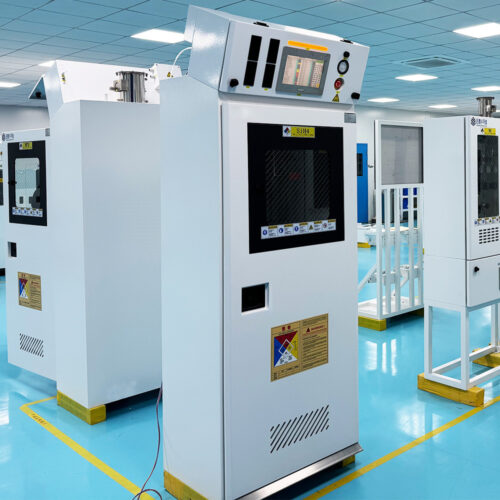
High-Efficiency Exhaust Gas Scrubber System for Semiconductor and Photovoltaic Hazardous Gas Abatement Solutions
-
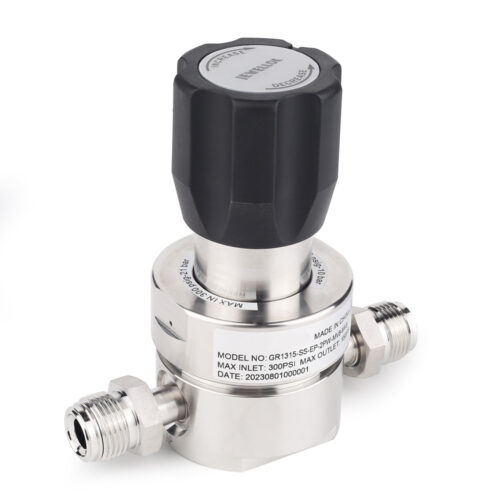
JR1300 Series Ultra High Purity Single Stage Regulator High Flow Line Regulator For Ultra High Purity Intermediate Flow
-
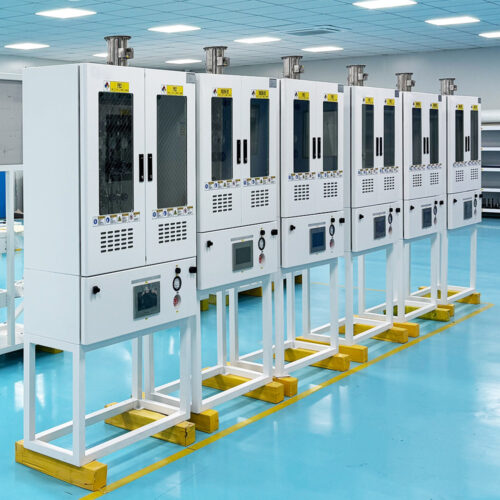
Ultra High Purity Diaphragm Valves and Pressure Regulators for Reliable Ultra High Purity Liquid Chemical Handling Systems
-
High Purity VMB Valve Manifold Box for Semiconductor Gas Distribution and Specialty Chemical Delivery Systems
-
Integrated Gas Delivery Solutions with VMB Valve Manifold Box and Automatic Gas Switchover Systems for Industrial
-
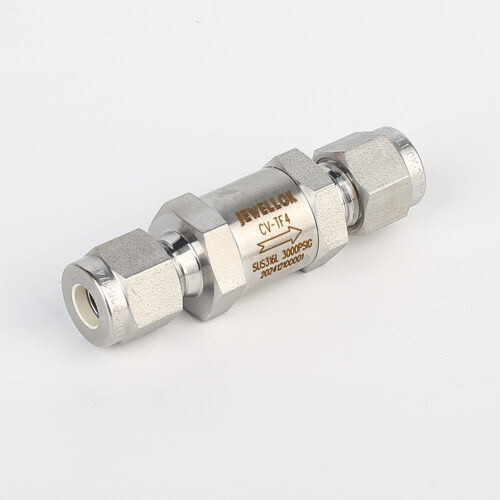
High Pressure High-Purity Welded Check Valves And Low Cracking Pressure Check Valve JCV1 Series
-
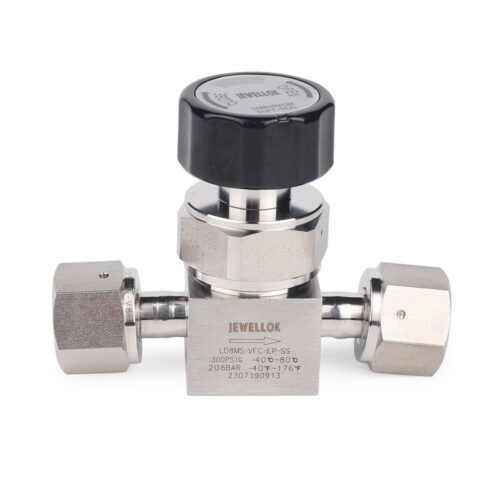
Flow Control Stainless Steel Low Pressure Manual Diaphragm Valve For High Purity And Ultra High Purity Gases