
Regulator Manufacturer Tel: +86 13380377051
Regulator Manufacturer Tel: +86 13380377051
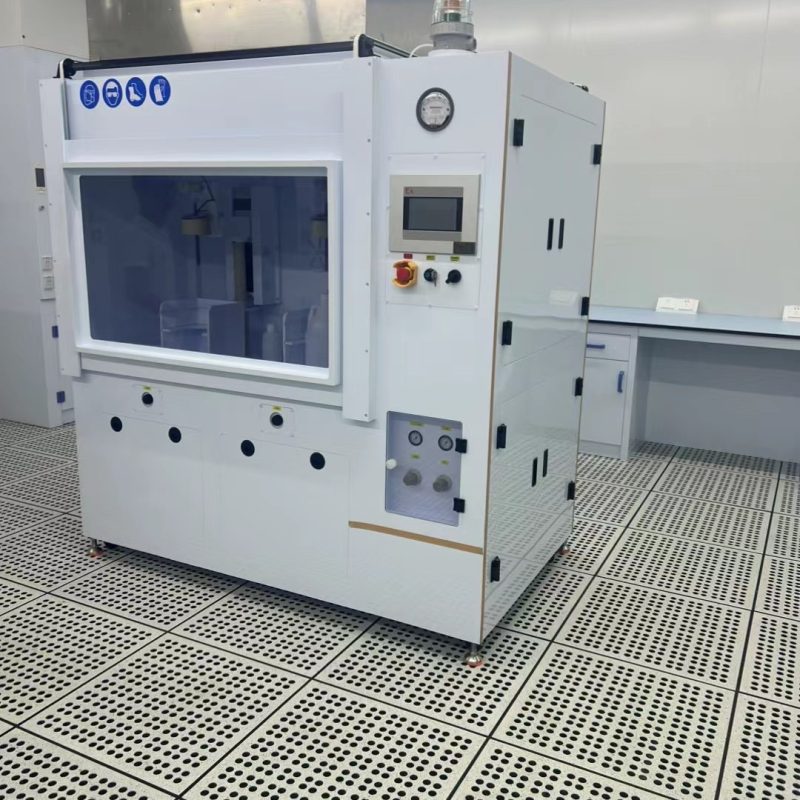
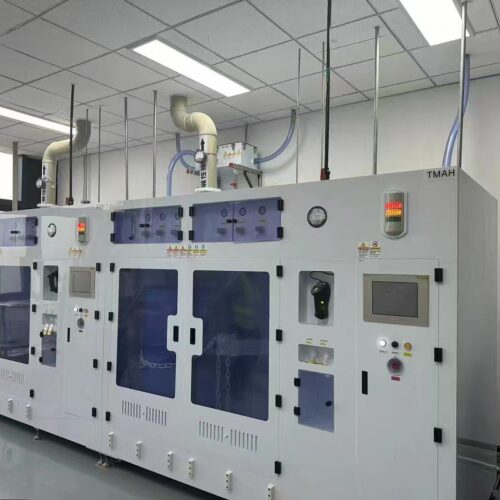
Compact Scrubber Exhaust Gas Treatment System for Cleanrooms and Semiconductor Wafer Fabs
Compact Scrubber Exhaust Gas Treatment System for Cleanrooms and Semiconductor Wafer Fabs
As semiconductor manufacturing technology advances toward smaller nodes, higher yields, and stricter environmental compliance, the demand for highly efficient exhaust gas treatment systems in cleanrooms and wafer fabrication facilities continues to grow. Semiconductor cleanrooms and wafer fabs generate a wide range of hazardous process exhaust gases during etching, deposition, lithography, cleaning, ion implantation, and chemical handling operations. These gases often contain acidic compounds, alkaline vapors, volatile organic compounds (VOCs), toxic substances, and particulate contaminants.
Traditional large-scale exhaust gas treatment infrastructures often face challenges related to installation footprint, energy consumption, maintenance complexity, and process adaptability. In response to these challenges, compact scrubber exhaust gas treatment systems have emerged as an ideal solution for modern cleanroom and semiconductor applications.
This article explores the design principles, working mechanisms, technical advantages, and industrial applications of compact scrubber systems specifically developed for cleanroom environments and semiconductor wafer fabrication plants.
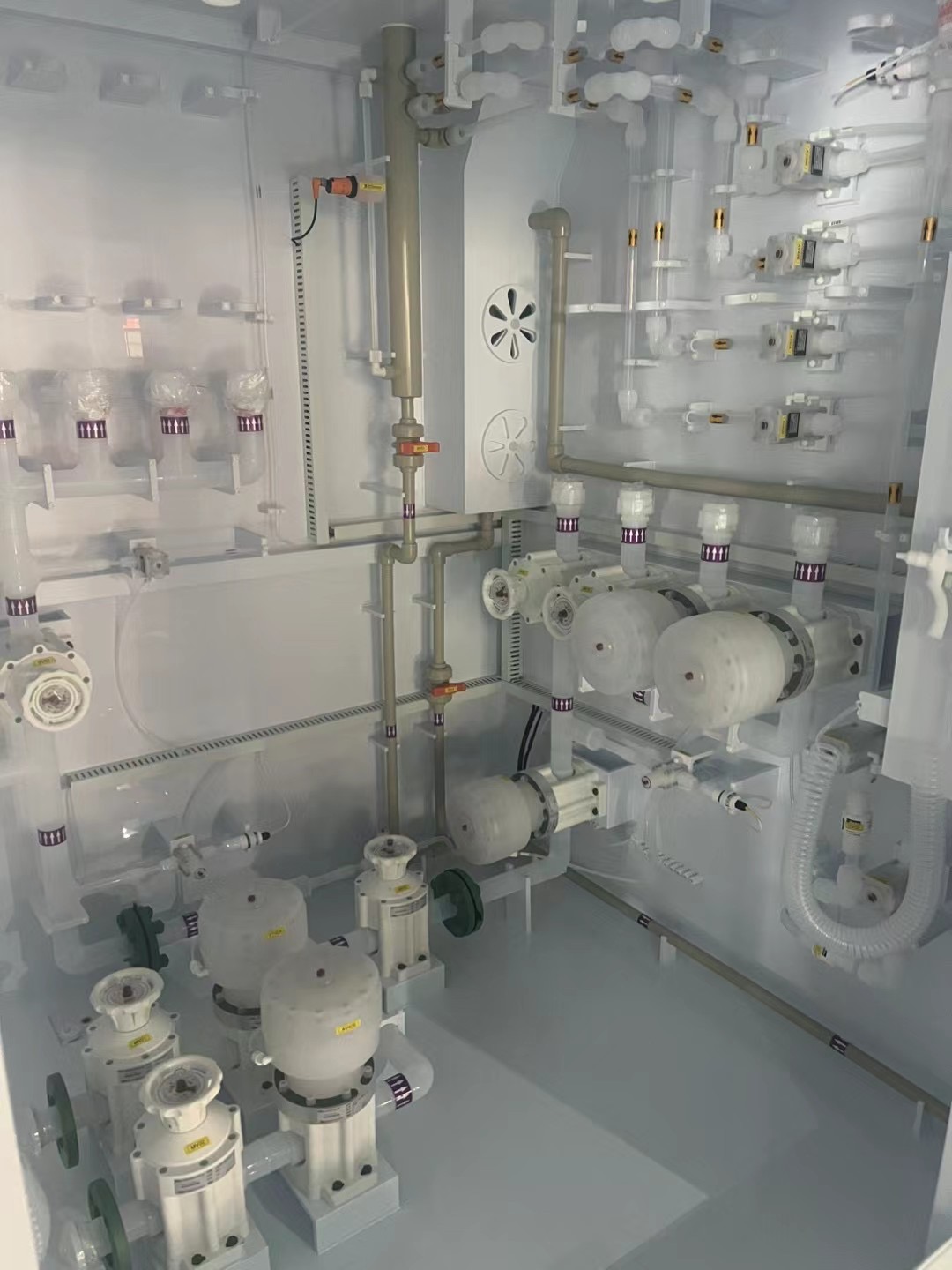
Growing Demand for Exhaust Gas Treatment in Semiconductor Facilities
Semiconductor manufacturing is one of the most chemically intensive industries worldwide. A single wafer fabrication line may consume hundreds of specialty gases and chemicals throughout various production stages.
Common hazardous exhaust emissions include:
- Acid gases such as HF, HCl, HNO₃, SO₂
- Alkaline gases including NH₃ and amines
- Toxic gases such as Cl₂, BCl₃, PH₃, and AsH₃
- VOCs generated from solvents, photoresists, and cleaning chemicals
- Fine particles and chemical aerosols
- Mixed process exhaust streams from multiple tools
Without proper treatment, these emissions may create several critical risks:
- Environmental pollution
- Operator safety hazards
- Equipment corrosion
- Regulatory non-compliance
- Cleanroom contamination
- Reduced production reliability
Because semiconductor fabs operate continuously and require extremely stable environmental conditions, exhaust treatment equipment must deliver high removal efficiency, rapid response capability, and minimal operational disruption.
Compact scrubber systems are increasingly being adopted because they can provide these performance characteristics while minimizing equipment footprint.
What Is a Compact Scrubber Exhaust Gas Treatment System?
A compact scrubber exhaust gas treatment system is a space-saving pollution control solution engineered to remove hazardous gaseous contaminants from industrial exhaust streams through liquid-phase absorption, chemical neutralization, or multi-stage treatment mechanisms.
Compared with conventional centralized scrubber installations, compact systems are designed with:
- Reduced installation dimensions
- Modular architecture
- High treatment efficiency
- Flexible process integration
- Lower utility consumption
- Easier maintenance accessibility
These systems are particularly suitable for semiconductor cleanrooms, research laboratories, pilot production facilities, display manufacturing plants, pharmaceutical cleanrooms, and advanced electronics production environments.
Compact scrubbers can be deployed as:
- Point-of-use (POU) treatment units
- Tool-integrated exhaust treatment systems
- Localized exhaust control modules
- Decentralized environmental protection equipment
Their smaller size enables direct installation near process tools, significantly reducing exhaust duct lengths and lowering contamination risks.
Working Principle of Compact Scrubber Systems
The core function of a compact scrubber is to transfer harmful gaseous pollutants from the gas phase into a treatment liquid where chemical absorption or neutralization occurs.
The operating process generally includes several stages.
1. Exhaust Gas Collection
Contaminated gas streams are captured directly from process tools, chemical storage cabinets, wet benches, etching chambers, or cleanroom ventilation systems.
Dedicated ductwork transports the gas into the compact scrubber treatment chamber.
Stable airflow control is critical because semiconductor exhaust streams often involve fluctuating flow rates and varying chemical compositions.
2. Gas-Liquid Contact Process
Inside the scrubber chamber, contaminated gases interact with scrubbing liquid through engineered mass transfer mechanisms.
High-efficiency gas-liquid contact methods may include:
- Packed bed media
- Spray nozzles
- Venturi structures
- Bubble contact chambers
- Multi-stage contact zones
These designs maximize surface interaction between pollutants and treatment chemicals.
During this process:
Acid gases react with alkaline solutions.
Alkaline gases react with acidic treatment media.
Water-soluble compounds dissolve into the liquid phase.
Particulate contaminants become trapped inside circulating solution systems.
Optimized residence time and contact efficiency are essential to achieving stable pollutant removal performance.
3. Chemical Neutralization and Pollutant Removal
The absorbed pollutants undergo chemical conversion inside the recirculating treatment liquid.
Examples include:
Hydrogen fluoride neutralization:
HF + NaOH → NaF + H₂O
Hydrogen chloride treatment:
HCl + NaOH → NaCl + H₂O
Ammonia absorption:
NH₃ + H₂SO₄ → (NH₄)₂SO₄
These reactions transform hazardous emissions into safer and manageable compounds.
Automated dosing systems continuously monitor chemical conditions and maintain optimized pH control for maximum treatment efficiency.
4. Clean Gas Discharge
After treatment, purified gas passes through mist eliminators or demister modules that remove residual moisture droplets.
The treated exhaust is then discharged through facility exhaust infrastructure or stack systems in accordance with environmental emission regulations.
Key Design Features of Compact Scrubber Systems for Cleanrooms
Compact scrubber technology must satisfy the unique operational requirements of semiconductor manufacturing environments.
Several specialized design characteristics distinguish these systems from standard industrial scrubbers.
Space-Efficient Footprint
Cleanroom and fab floor space is extremely valuable.
Equipment density continues increasing as manufacturers optimize production capacity.
Compact scrubbers are engineered to minimize occupied area while maintaining high treatment performance.
Vertical configurations, integrated piping arrangements, and modular skid designs enable efficient deployment within constrained installation spaces.
Corrosion-Resistant Construction
Semiconductor exhaust gases can be highly corrosive.
Materials commonly used in compact scrubber fabrication include:
- PP (Polypropylene)
- PVC
- PVDF
- FRP
- Stainless steel for selected components
- High-purity fluoropolymer materials
Material compatibility selection directly impacts long-term system reliability and maintenance costs.
High Removal Efficiency
Modern semiconductor environmental standards require extremely high pollutant removal performance.
Compact systems can achieve:
- Acid gas removal efficiency exceeding 95%
- VOC treatment optimization
- Fine particulate capture capability
- Stable multi-gas processing performance
Advanced flow dynamics and optimized chemical management contribute to consistent treatment effectiveness.
Low Maintenance Requirements
Downtime in semiconductor facilities can be extremely expensive.
Compact scrubber systems are designed for simplified maintenance through:
- Quick-access inspection panels
- Modular replacement components
- Automated diagnostics
- Remote monitoring interfaces
- Predictive maintenance capability
These features reduce service interruptions and improve operational continuity.
Smart Automation and Process Control
Industry 4.0 integration is becoming standard in semiconductor manufacturing.
Modern compact scrubber systems often include intelligent monitoring functions such as:
- Real-time pH monitoring
- Conductivity measurement
- Flow control management
- Pressure monitoring
- Alarm notification systems
- PLC automation platforms
- Remote data communication
Digital control improves operational visibility and enhances preventive maintenance strategies.
Applications in Cleanrooms and Semiconductor Wafer Fabs
Compact scrubber exhaust gas treatment systems serve a wide range of semiconductor production processes.
Semiconductor Etching Processes
Dry and wet etching operations generate highly aggressive acidic and halogen-containing gases.
Common exhaust components include:
- HF
- HCl
- Cl₂
- BCl₃
- Fluorinated compounds
Compact wet scrubbers provide efficient treatment of these emissions while supporting stable process tool operation.
Chemical Mechanical Polishing (CMP)
CMP processes utilize chemical slurries and cleaning chemicals that may release chemical vapors and aerosol contaminants.
Localized compact scrubber systems can control emissions close to the process source.
Photolithography Operations
Photoresist coating, developing, and solvent cleaning stages generate VOC emissions.
Compact exhaust treatment systems integrated with VOC control technologies can reduce solvent emissions and improve workplace safety.
Chemical Storage and Gas Cabinet Applications
Semiconductor fabs rely heavily on specialty gas cabinets, chemical supply systems, and hazardous material storage areas.
Compact scrubbers provide dedicated localized exhaust protection for:
- Gas cabinets
- Chemical delivery systems
- Solvent storage areas
- Chemical blending rooms
This localized approach reduces environmental risk and improves emergency response capability.
Research and Pilot Manufacturing Facilities
R&D laboratories and pilot production lines frequently require flexible exhaust treatment systems capable of handling changing process conditions.
Compact modular scrubbers are highly suitable for:
- University semiconductor laboratories
- Research cleanrooms
- Process development facilities
- Pilot manufacturing environments
Their scalable design allows rapid adaptation to evolving operational requirements.
Environmental and Regulatory Advantages
Environmental compliance is becoming increasingly important for semiconductor manufacturers worldwide.
Governments and regulatory agencies continue strengthening emission control requirements.
Compact scrubber systems help facilities achieve compliance with:
- Air emission regulations
- Hazardous chemical management standards
- Occupational safety requirements
- Cleanroom contamination control protocols
- Corporate sustainability objectives
By reducing harmful emissions, these systems also support ESG initiatives and environmental responsibility programs.
Future Trends in Compact Scrubber Technology
The future of semiconductor exhaust treatment technology is moving toward greater intelligence, efficiency, and sustainability.
Emerging trends include:
AI-Driven Monitoring
Artificial intelligence algorithms can optimize chemical dosing, detect abnormal operating conditions, and predict maintenance requirements.
Ultra-Low Footprint Design
Next-generation compact systems will continue reducing physical size while increasing treatment capacity.
This trend aligns with increasing cleanroom equipment density.
Energy-Efficient Operation
Manufacturers are developing lower-energy pump systems, optimized airflow management, and reduced water consumption designs.
Sustainability performance will become a major purchasing factor.
Hybrid Treatment Technologies
Future systems may combine multiple treatment mechanisms including:
- Wet scrubbing
- Dry adsorption
- Plasma treatment
- Catalytic oxidation
- Advanced oxidation processes
Hybrid configurations can improve treatment flexibility for complex semiconductor exhaust streams.
Conclusion
Cleanroom environments and semiconductor wafer fabrication facilities require highly reliable, efficient, and adaptable exhaust gas treatment solutions.
Traditional large-scale treatment infrastructure often struggles to meet modern demands for space efficiency, process flexibility, and operational simplicity.
Compact scrubber exhaust gas treatment systems offer an advanced alternative by combining powerful pollutant removal capability with reduced installation footprint, intelligent automation, corrosion resistance, and modular scalability.
From semiconductor etching and lithography processes to chemical storage applications and research cleanrooms, compact scrubber technology continues playing a vital role in maintaining environmental safety, regulatory compliance, and manufacturing reliability.
As semiconductor manufacturing evolves toward higher complexity and stricter environmental standards, compact scrubber systems are expected to become an increasingly important component of next-generation cleanroom exhaust management strategies.
For more about compact scrubber exhaust gas treatment system for cleanrooms and semiconductor wafer fabs, you can pay a visit to Jewellok at https://www.specialtygasregulator.com/product-category/specialty-gas-cabinet/ for more info.
-
Custom VMB Valve Manifold Boxes for Enhanced Tool Isolation and Maximum Uptime in Complex Chemical Distribution Networks
-
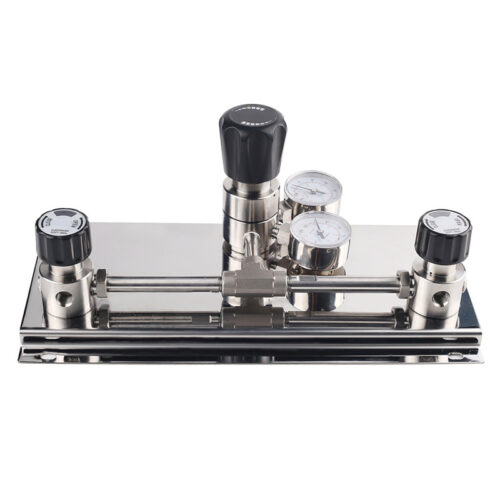
Semi Automatic Oxygen Nitrogen Helium Argon Gas Changeover Manifold Manual Gas Changeover Manifold Panel For Gas Cylinders
-
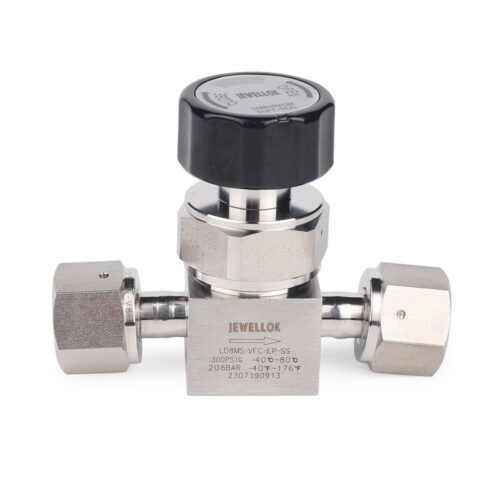
Flow Control Stainless Steel Low Pressure Manual Diaphragm Valve For High Purity And Ultra High Purity Gases
-
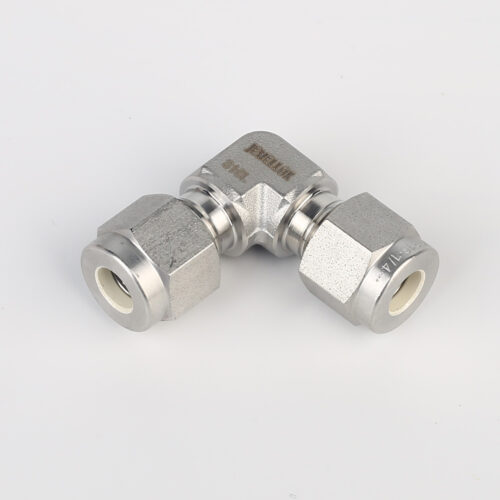
765L Stainless Steel Union Elbow Reducing High Purity Fitting Tubing Extension Tubing Connection
-
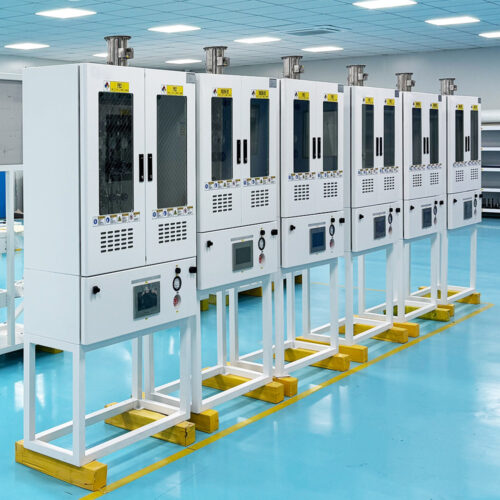
Integrated Gas Cabinets and Exhaust Gas Scrubber System for Ammonia and Hydrogen Chloride Industrial Emission Control
-
Automated Bulk Chemical Delivery System with Ultra High Purity CDU for Precise Industrial Fluid Control
-
775L Bulkhead Reducing Union | Stainless Steel High Purity Double Ferrule Bulkhead Reducing Unions
-
Stainless Steel Ultra High Purity Mini Butt Weld Mini Tee Reducer MTRW Series Fittings