
Regulator Manufacturer Tel: +86 13380377051
Regulator Manufacturer Tel: +86 13380377051
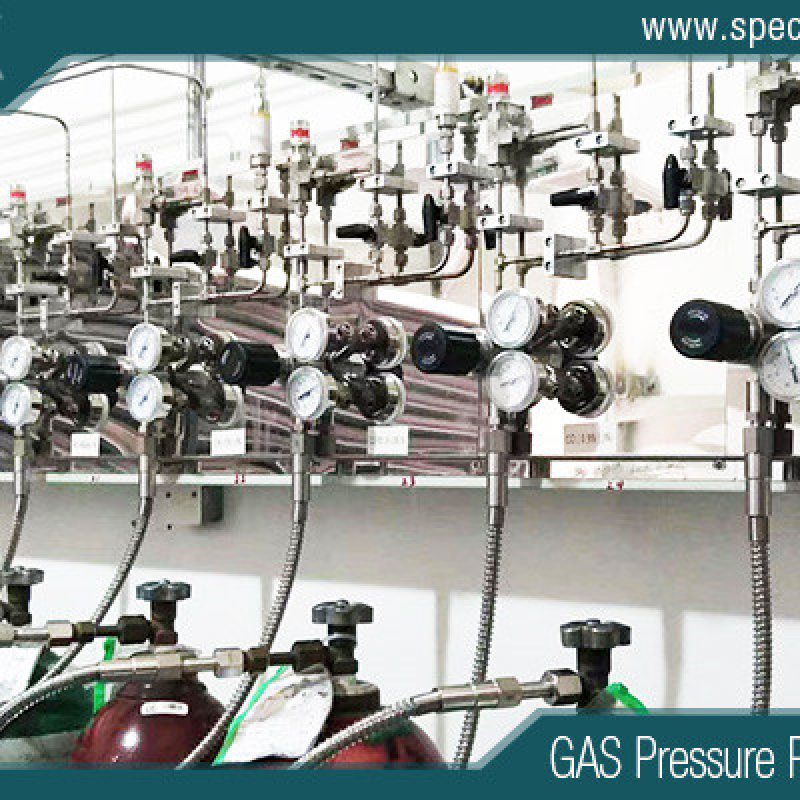
Laboratory Gas Valves Manufacturer: Custom Solutions for Laboratory Gas Systems
Introduction
In modern laboratories, gas delivery systems play a critical role in ensuring the safe, reliable, and precise distribution of specialty, industrial, and high-purity gases. Whether used in semiconductor manufacturing, pharmaceutical research, biotechnology, analytical testing, university laboratories, or chemical processing facilities, laboratory gas systems require components that can maintain gas purity while operating safely under demanding conditions.
Among all system components, laboratory gas valves are essential control devices that regulate gas flow, isolate sections of a gas distribution network, and provide emergency shutdown capabilities. Selecting the right laboratory gas valves is not simply a matter of choosing a standard product. Every laboratory has unique requirements regarding gas type, pressure, purity level, installation environment, and regulatory compliance. As a result, many organizations increasingly seek custom laboratory gas valve solutions from experienced manufacturers.
A professional laboratory gas valves manufacturer can provide tailored valve designs that improve safety, enhance operational efficiency, reduce contamination risks, and ensure compatibility with complex gas delivery systems. This article explores the importance of laboratory gas valves, customization options, key design considerations, and how manufacturers deliver specialized solutions for modern laboratory gas systems.

The Critical Role of Laboratory Gas Valves
Laboratory gas valves serve as the primary control points within gas delivery networks. They are responsible for regulating gas flow from cylinders, bulk gas sources, gas cabinets, manifolds, and distribution lines to laboratory equipment and instruments.
These valves perform several essential functions:
- Gas isolation during maintenance procedures
- Emergency gas shutoff during abnormal conditions
- Flow regulation and pressure control
- Distribution management for multiple workstations
- Protection against gas leakage and contamination
- Integration with automated monitoring systems
Without properly designed valves, laboratories face increased risks of gas leaks, process interruptions, equipment damage, and safety incidents.
For facilities handling high-purity gases, toxic gases, corrosive gases, flammable gases, or specialty gas mixtures, valve performance directly impacts both personnel safety and process reliability.
Why Standard Valves Are Not Always Enough
Traditional off-the-shelf valves may satisfy basic applications, but advanced laboratory environments often require specialized solutions.
Different laboratory applications involve unique challenges such as:
- Ultra-high purity gas delivery
- Corrosive chemical resistance
- High-pressure operation
- Cleanroom compatibility
- Space limitations
- Automated control requirements
- Regulatory compliance demands
For example, a semiconductor fabrication laboratory transporting ultra-high purity nitrogen or argon requires valves with extremely low particle generation and minimal internal dead volume. Meanwhile, a pharmaceutical laboratory handling toxic gases may require valves integrated with emergency shutoff systems and remote monitoring capabilities.
These specialized requirements make customization a valuable option for many facilities.
Benefits of Custom Laboratory Gas Valve Solutions
Enhanced Safety
Safety remains the highest priority in laboratory gas system design. Custom valves can be engineered to include specific safety features based on the gas type and application.
Examples include:
- Fail-safe shutoff mechanisms
- Lockable valve handles
- Emergency isolation systems
- Fire-resistant construction
- Leak-tight sealing technologies
- Automated shutdown integration
These features help laboratories comply with safety standards while minimizing operational risks.
Improved Gas Purity
Gas purity is crucial in analytical laboratories, research facilities, and semiconductor manufacturing.
Customized valves can incorporate:
- Electropolished internal surfaces
- Orbital welding compatibility
- Metal-to-metal diaphragm sealing
- Low dead-volume flow paths
- High-purity cleaning procedures
These design enhancements reduce contamination risks and preserve gas integrity throughout the distribution system.
Better System Integration
Every laboratory gas network has unique piping layouts and equipment configurations.
Custom valve manufacturers can provide:
- Special connection types
- Customized port orientations
- Compact installation designs
- Integrated mounting solutions
- System-specific pressure ratings
This flexibility simplifies installation and reduces engineering challenges.
Increased Operational Efficiency
Customized valves optimize gas control and maintenance procedures.
Benefits may include:
- Faster shutoff response times
- Reduced maintenance requirements
- Longer service life
- Improved flow control accuracy
- Simplified system expansion
Over time, these improvements contribute to lower operational costs and higher productivity.
Types of Laboratory Gas Valves
Laboratory gas valve manufacturers offer various valve types designed for specific applications.
Diaphragm Valves
Diaphragm valves are widely used in high-purity gas systems because they provide excellent leak-tight performance and minimal contamination risk.
Advantages include:
- High purity compatibility
- Low particle generation
- Excellent sealing performance
- Long cycle life
These valves are commonly used in semiconductor, pharmaceutical, and analytical laboratory environments.
Ball Valves
Ball valves provide quick shutoff capabilities and are often used in gas distribution systems requiring reliable isolation.
Key features include:
- Quarter-turn operation
- Durable construction
- Low pressure drop
- Easy maintenance
They are suitable for many industrial laboratory applications.
Needle Valves
Needle valves offer precise flow regulation for laboratory processes requiring accurate gas control.
Typical applications include:
- Calibration systems
- Analytical instruments
- Gas sampling equipment
- Research laboratories
Their fine adjustment capabilities make them ideal for low-flow applications.
Excess Flow Valves
These safety devices automatically stop gas flow when a downstream line rupture or major leak occurs.
Benefits include:
- Automatic protection
- Reduced gas loss
- Enhanced personnel safety
- Emergency leak control
Check Valves
Check valves prevent reverse gas flow within laboratory systems.
They help protect:
- Gas cylinders
- Pressure regulators
- Sensitive instruments
- Gas mixing systems
Material Selection for Laboratory Gas Valves
Material selection significantly affects valve performance, durability, and chemical compatibility.
Stainless Steel
316L stainless steel remains the most widely used material for laboratory gas valves.
Advantages include:
- Excellent corrosion resistance
- High strength
- Cleanability
- Compatibility with high-purity gases
Electropolished 316L stainless steel is especially popular in ultra-high purity applications.
Brass
Brass valves are often used in general laboratory gas systems handling non-corrosive gases.
Benefits include:
- Cost effectiveness
- Good machinability
- Reliable performance
However, brass is generally not recommended for ultra-high purity applications.
Hastelloy and Exotic Alloys
For highly corrosive gases, manufacturers may utilize specialized alloys such as Hastelloy.
These materials provide:
- Superior chemical resistance
- Extended service life
- Improved reliability in aggressive environments
Specialized Sealing Materials
Valve performance also depends on sealing components.
Common materials include:
- PTFE
- PCTFE
- FKM
- EPDM
- Metal seals
The choice depends on gas compatibility, temperature range, and purity requirements.
Customization Options Offered by Manufacturers
Leading laboratory gas valve manufacturers offer extensive customization capabilities.
Connection Configurations
Custom connection options may include:
- Tube fittings
- VCR connections
- Compression fittings
- NPT threads
- BSP threads
- Face seal fittings
These options ensure compatibility with existing gas systems.
Pressure Ratings
Laboratories often require valves designed for specific pressure ranges.
Custom pressure ratings may accommodate:
- Low-pressure analytical systems
- Medium-pressure distribution networks
- High-pressure specialty gas systems
Port Configuration
Manufacturers can modify:
- Number of ports
- Flow direction
- Port size
- Mounting orientation
This flexibility simplifies installation in confined laboratory spaces.
Surface Treatment
Custom surface finishes help optimize gas purity.
Available options may include:
- Electropolishing
- Passivation
- Ultrasonic cleaning
- High-purity packaging
Automation Features
Modern laboratories increasingly adopt automated gas management systems.
Custom valves can integrate:
- Pneumatic actuators
- Electric actuators
- Position sensors
- Remote monitoring systems
- PLC controls
- Building management systems
Applications Across Different Industries
Semiconductor Manufacturing
Semiconductor facilities require ultra-high purity gas delivery systems.
Customized gas valves support:
- Process gas distribution
- Specialty gas control
- Contamination prevention
- High-cycle operation
Pharmaceutical Laboratories
Pharmaceutical environments demand strict compliance and cleanliness standards.
Customized valves provide:
- Hygienic operation
- Process reliability
- Regulatory compliance
- Accurate gas control
Biotechnology Facilities
Biotechnology laboratories often utilize multiple specialty gases for research and production.
Custom valve solutions help maintain:
- Process consistency
- Gas purity
- System safety
Academic Research Laboratories
Universities and research institutions frequently operate diverse gas systems.
Customized valves offer flexibility for:
- Experimental setups
- Multiple gas types
- Future expansion projects
Chemical Processing Laboratories
Chemical laboratories often handle corrosive and hazardous gases.
Custom valve designs improve:
- Chemical compatibility
- Leak prevention
- Personnel protection
Quality Standards and Compliance
A reputable laboratory gas valves manufacturer follows internationally recognized quality standards.
Common certifications include:
- ISO 9001 Quality Management Systems
- CE Compliance
- RoHS Compliance
- PED Compliance
- SEMI Standards
- CGA Standards
Manufacturers typically conduct extensive testing such as:
- Helium leak testing
- Pressure testing
- Cycle testing
- Material verification
- Surface roughness inspection
These quality control procedures ensure reliable performance in demanding laboratory environments.
Selecting the Right Laboratory Gas Valves Manufacturer
Choosing the right manufacturing partner is critical to project success.
Key evaluation factors include:
Engineering Expertise
Manufacturers should possess extensive experience in laboratory gas system design and gas handling technologies.
Custom Design Capability
The supplier should be able to develop tailored solutions rather than offering only standard catalog products.
Manufacturing Quality
Advanced machining, welding, cleaning, and testing capabilities contribute to superior product quality.
Technical Support
Strong engineering support helps customers select appropriate valve configurations and solve system challenges.
Global Supply Capability
Reliable production capacity and international logistics support are important for large-scale projects.
Regulatory Knowledge
Experienced manufacturers understand regional safety regulations and industry standards, helping customers maintain compliance.
Future Trends in Laboratory Gas Valve Technology
Laboratory gas systems continue to evolve as facilities seek higher efficiency, improved safety, and greater automation.
Emerging trends include:
- Smart gas valves with IoT connectivity
- Real-time leak detection integration
- Predictive maintenance capabilities
- Advanced purity preservation technologies
- Compact modular valve assemblies
- Enhanced digital monitoring systems
These innovations will enable laboratories to achieve higher levels of operational reliability while reducing maintenance costs and safety risks.
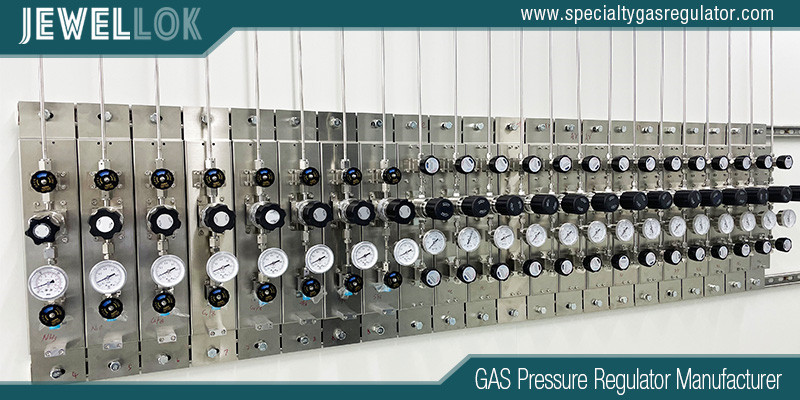
Conclusion
Laboratory gas valves are fundamental components of modern gas delivery systems, directly influencing safety, purity, efficiency, and system reliability. While standard valves may satisfy basic requirements, many laboratories benefit significantly from customized solutions designed to address specific operational challenges.
A professional laboratory gas valves manufacturer can provide tailored valve designs, specialized materials, customized connections, advanced automation features, and rigorous quality assurance processes that optimize laboratory performance. Whether supporting semiconductor manufacturing, pharmaceutical research, biotechnology development, or analytical testing, custom laboratory gas valve solutions help organizations achieve safer operations, superior gas purity, and long-term system reliability.
As laboratory technologies continue to advance, demand for highly engineered and application-specific gas valve solutions will only increase. Partnering with an experienced manufacturer ensures that laboratory gas systems remain efficient, compliant, and prepared for future operational requirements.
For more about laboratory gas valves manufacturer: custom solutions for laboratory gas systems, you can pay a visit to Jewellok at https://www.specialtygasregulator.com/product-category/specialty-gas-cabinet/ for more info.
-
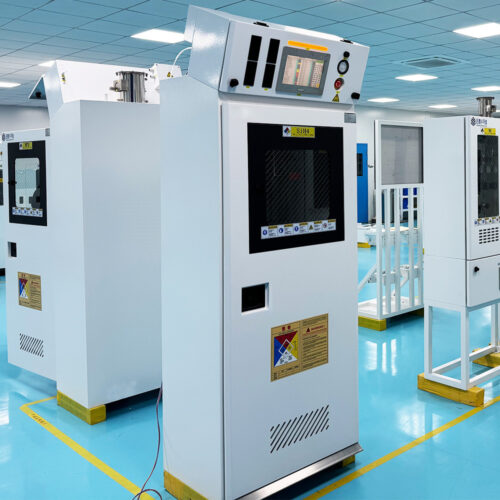
High Purity Bulk Gas Delivery Systems for Semiconductor Manufacturing and Advanced Chemical Distribution Infrastructure
-
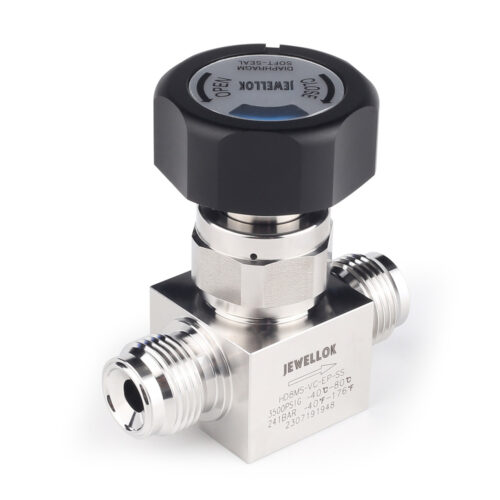
Stainless Steel Ultra High Purity (UHP) High Pressure Manual Diaphragm Valve
-
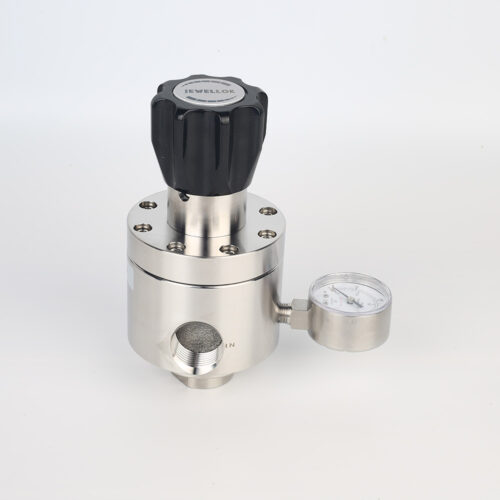
Low Pressure High Flow Line Pressure Regulators And Control Valves JSR-4L Series For Laboratory Pressure Control
-
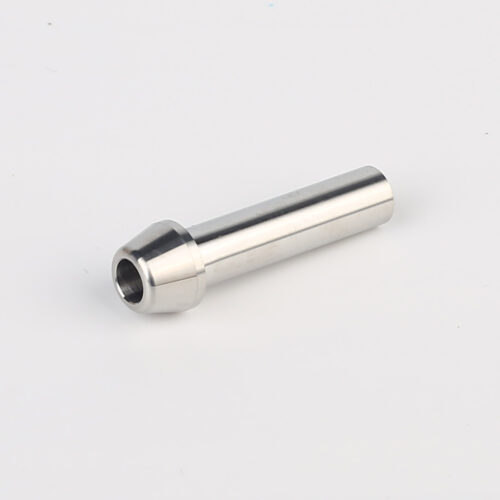
767LP Port Connector Ultra High Purity VCJ Metal Gasket Face Seal Tube Fittings
-
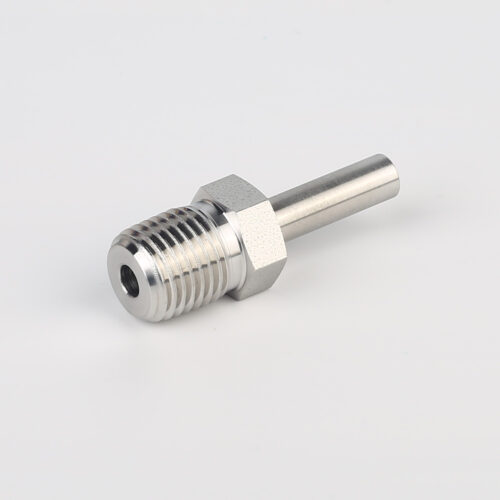
739 High Purity LMR Male Adapter Tube To Pipe Fittings And Adapters
-
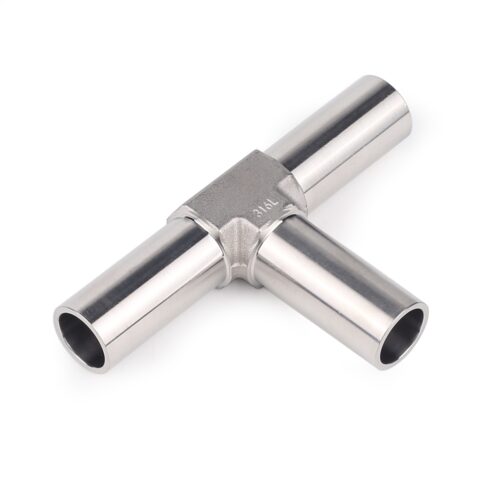
Stainless Steel Ultra Clean Welding Joint Fittings TW Series TRW Series & CW Series
-
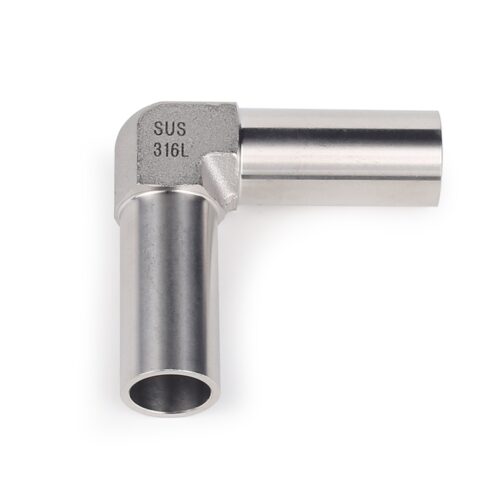
High Purity Stainless Steel Mini Tube Butt Weld Fittings For Semiconductor
-
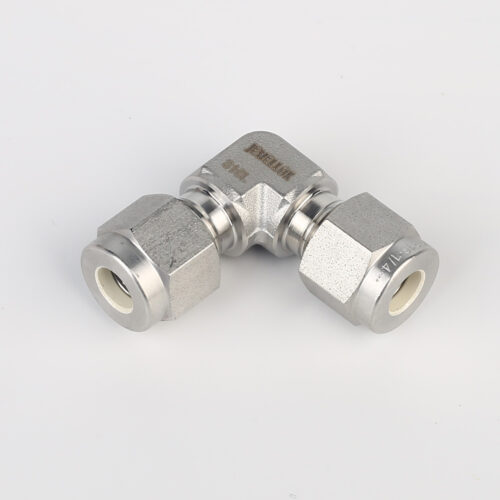
765L Stainless Steel Union Elbow Reducing High Purity Fitting Tubing Extension Tubing Connection