
Regulator Manufacturer Tel: +86 13380377051
Regulator Manufacturer Tel: +86 13380377051
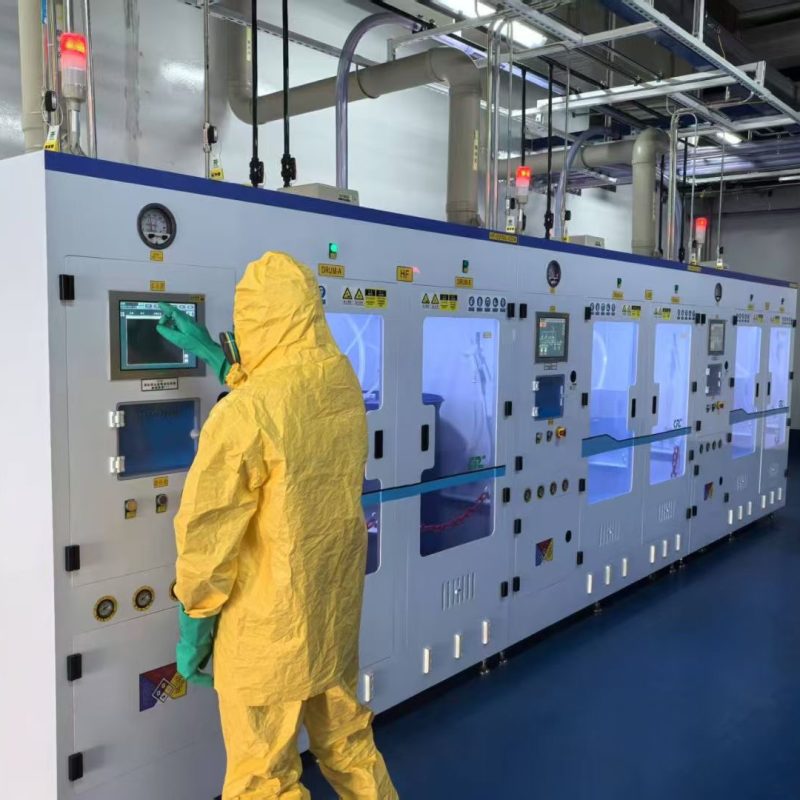
Precision and Safety in Modern Manufacturing: The Evolution of the Automatic Chemical Distribution Unit
Introduction
In the rapidly advancing landscape of high-tech manufacturing, the demand for precision, purity, and safety has never been higher. At the heart of industries ranging from semiconductor fabrication and pharmaceutical production to advanced water treatment lies a critical infrastructure component: the automatic chemical distribution unit (ACDU). As manufacturing scales toward smaller nodes and more complex chemical sequences, manual handling of hazardous reagents has become obsolete. The modern ACDU represents a sophisticated convergence of fluid dynamics, materials science, and industrial automation, designed to bridge the gap between bulk chemical storage and high-precision point-of-use application.
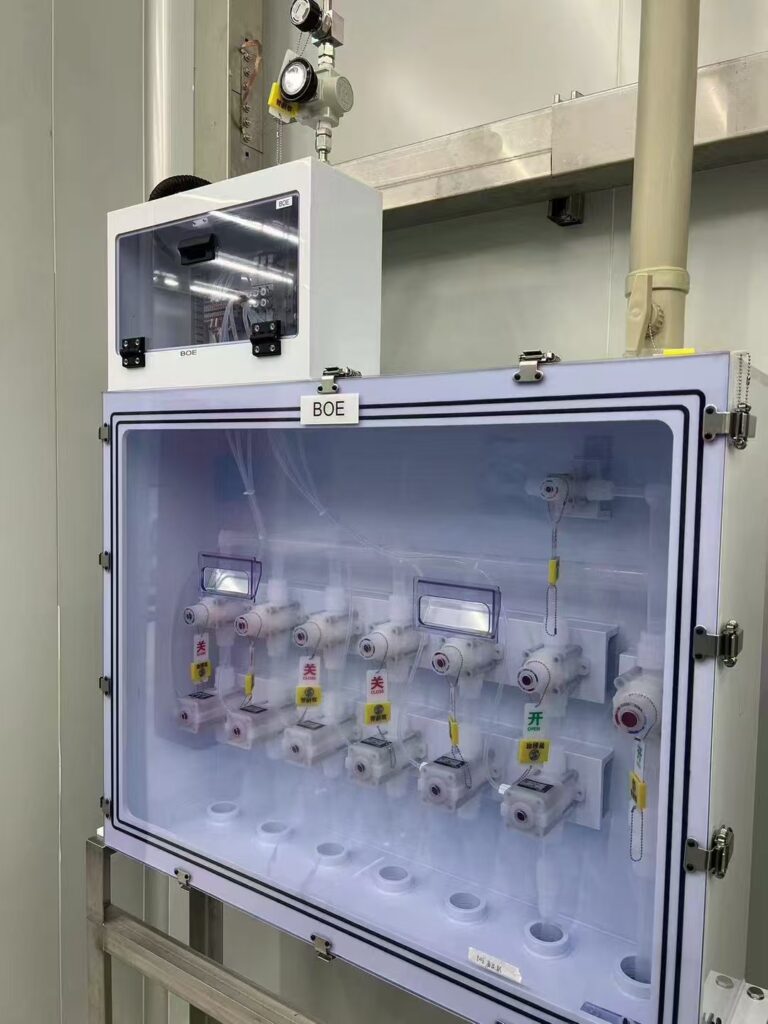
The Architecture of Automation
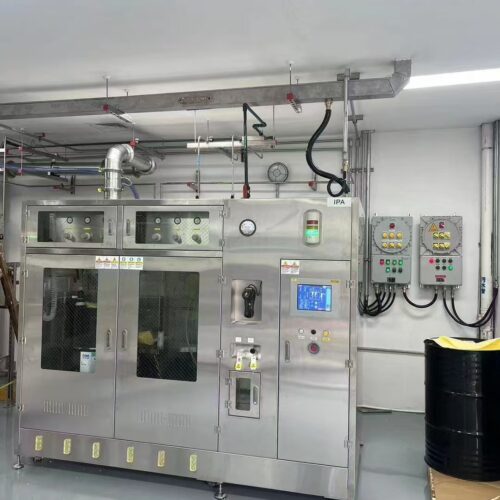
A contemporary automatic chemical distribution unit is far more than a mere pump and tank assembly. It is a closed-loop ecosystem engineered to maintain the chemical integrity of the media it transports while shielding the environment and personnel from potential hazards. The primary architecture typically includes an intake module, a filtration and conditioning stage, a pressurized delivery network, and an integrated control system.
The intake module is designed to interface with various bulk sources, such as 200-liter drums or 1000-liter Intermediate Bulk Containers (IBCs). Automation begins here with “auto-switchover” technology. When sensors detect that a primary source is nearing depletion, the ACDU seamlessly transitions to a secondary source without interrupting the flow to the production line. This “zero-downtime” capability is vital for 24/7 fabrication environments where even a momentary drop in pressure can result in catastrophic yield loss.
Material Science and Purity Maintenance
Purity is the hallmark of semiconductor and pharmaceutical grade chemicals. Any interaction between the distribution equipment and the chemical can introduce metallic ions or particulate matter. Therefore, the internal “wetted” components of an automatic chemical distribution unit are crafted from high-performance fluoropolymers such as PTFE (Polytetrafluoroethylene), PFA (Perfluoroalkoxy), or high-purity PVDF.
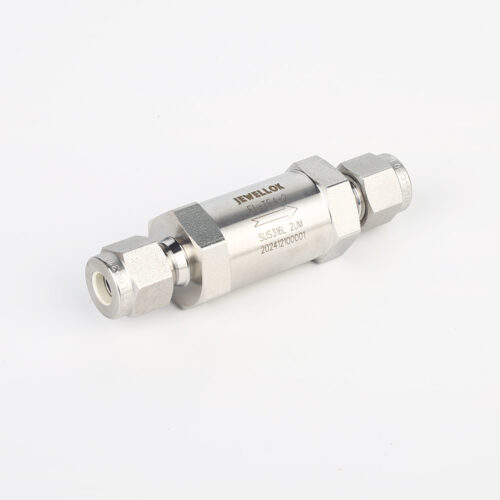
These materials provide near-total chemical inertness, ensuring that aggressive acids like Hydrofluoric (HF) or solvents like Isopropyl Alcohol (IPA) remain uncontaminated from the drum to the process tool. Additionally, integrated multi-stage filtration systems—often capable of removing particles down to the 10-nanometer level—ensure that the chemical reaching the “wet bench” or reactor meets the stringent requirements of modern process nodes.
Safety and Risk Mitigation
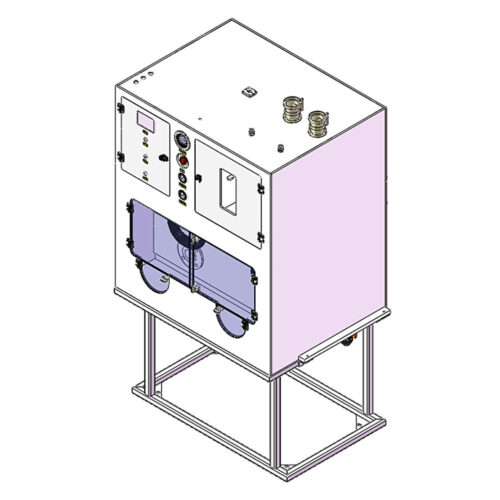
Safety is the foundational requirement of any ACDU design. Because these units often handle pyrophoric, toxic, or highly corrosive substances, multiple layers of redundancy are required. Physical safety starts with secondary containment; the entire unit is typically housed in a stainless steel or polypropylene cabinet designed to hold 110% of the total chemical volume in the event of a primary tank failure.
The “automatic” aspect of the unit refers to its sophisticated sensor array. Continuous leak detection, exhaust pressure monitoring, and fire suppression systems are integrated into the unit’s logic. If a leak is detected, the Programmable Logic Controller (PLC) triggers an immediate Emergency Off (EMO) sequence, isolating the source tanks and venting the lines to a safe neutralizer. This minimizes human exposure and prevents localized incidents from escalating into facility-wide emergencies.
Integration with Industry 4.0
The evolution of the automatic chemical distribution unit is currently defined by its integration into the “Smart Factory” framework. Modern units utilize IoT (Internet of Things) connectivity to provide real-time data to facility managers. Parameters such as flow rate, temperature, filtration life, and consumption rates are tracked and analyzed to perform predictive maintenance. By analyzing the vibration patterns of a magnetic drive pump or the pressure drop across a filter, the system can predict a failure before it occurs, allowing for scheduled maintenance rather than reactive, emergency repairs.
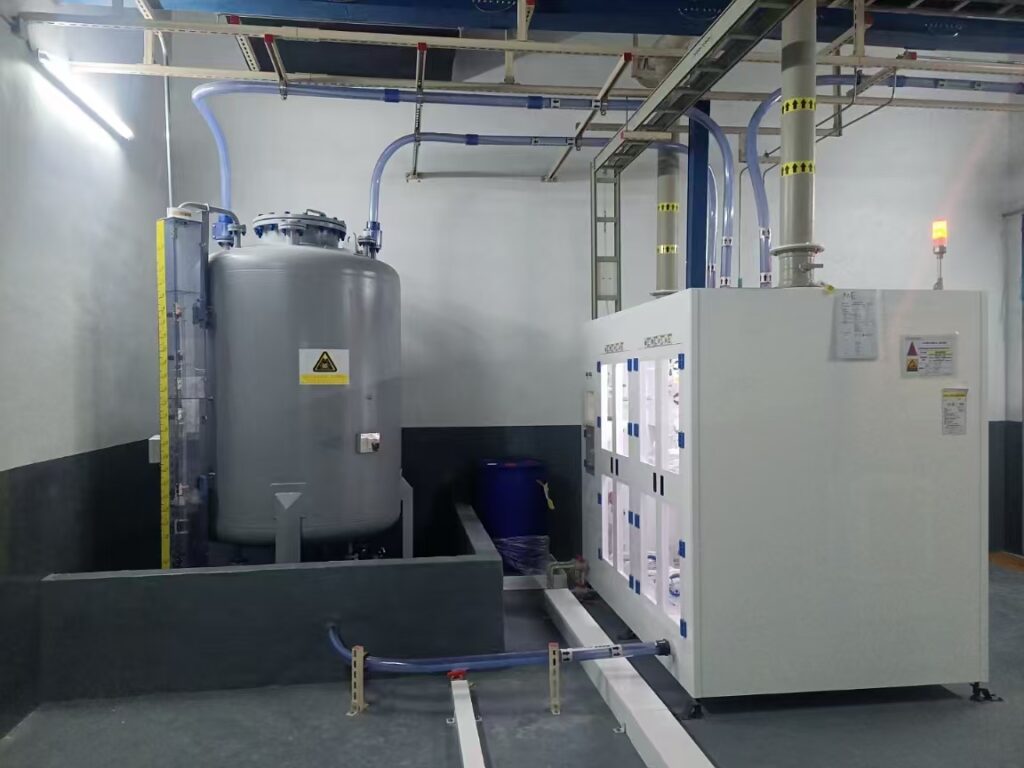
Conclusion
As global manufacturing continues to push the boundaries of what is possible, the automatic chemical distribution unit will remain an indispensable partner in industrial progress. By removing human error from the handling of hazardous materials and providing the sub-micron filtration required for modern electronics, these units ensure that the “bloodstream” of the factory remains pure, constant, and safe. Investment in advanced ACDU technology is not merely a utility expense; it is a strategic commitment to operational excellence, environmental stewardship, and the highest standards of production quality.
For more about precision and safety in modern manufacturing: the evolution of the automatic chemical distribution unit, you can pay a visit to Jewellok at https://www.specialtygasregulator.com/product-category/uhp-liquid-delivery-system/ for more info.
-
7108L Cylinder Cap Connectors For Ultra High Purity Gases
-
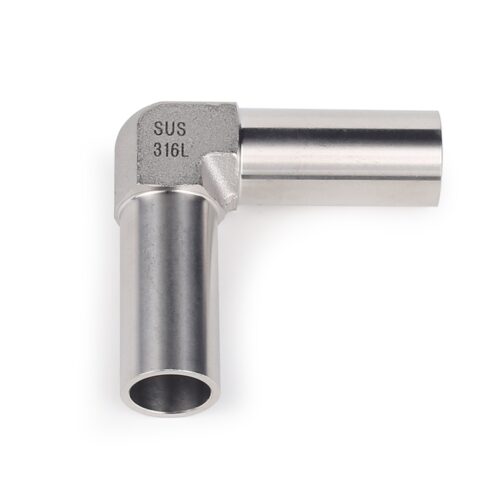
High Purity Stainless Steel Mini Tube Butt Weld Fittings For Semiconductor
-
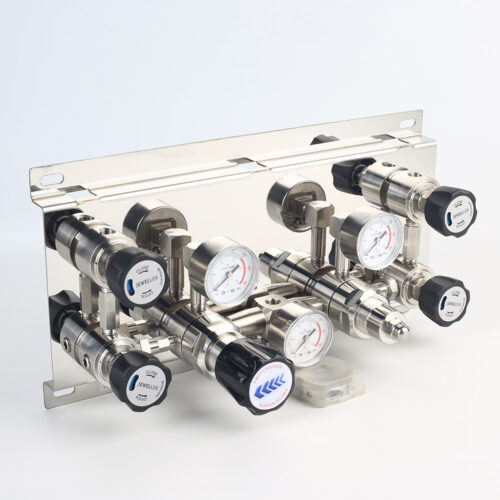
Pressure Control Panels For High Purity Gas Control System JSP-3AE Series From Pressure Control Panels Suppliers And Manufacturer
-
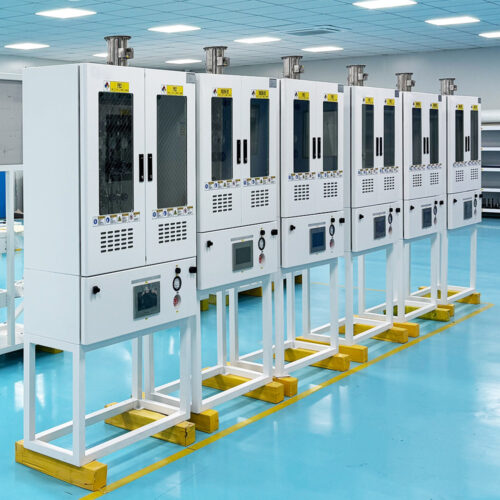
Precision Stainless Steel Valve Manifold Panel for Inert Gas Distribution in Cleanroom Manufacturing Environments
-
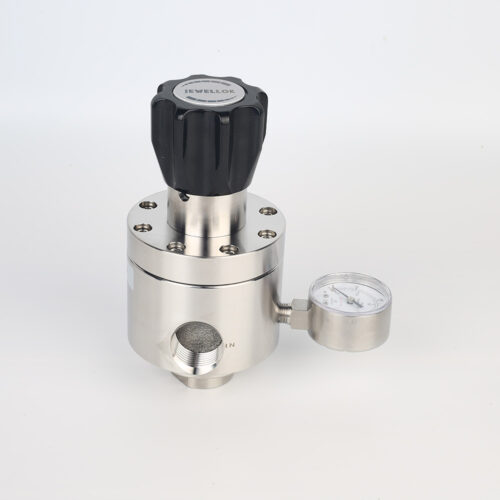
Low Pressure High Flow Line Pressure Regulators And Control Valves JSR-4L Series For Laboratory Pressure Control
-
Clean Connection Cabinet JW-300-CCB Valve Manifold Box And Control Valve Box
-
Ultra High Purity CDS Solutions Featuring 316L Electropolished Stainless Steel for Superior Chemical Integrity and Safety
-
JF Series In-Line Gas Filters | High Purity High Precision High Flow Semiconductor Gas Filter Gas Filtration & Purification