
Regulator Manufacturer Tel: +86 13380377051
Regulator Manufacturer Tel: +86 13380377051
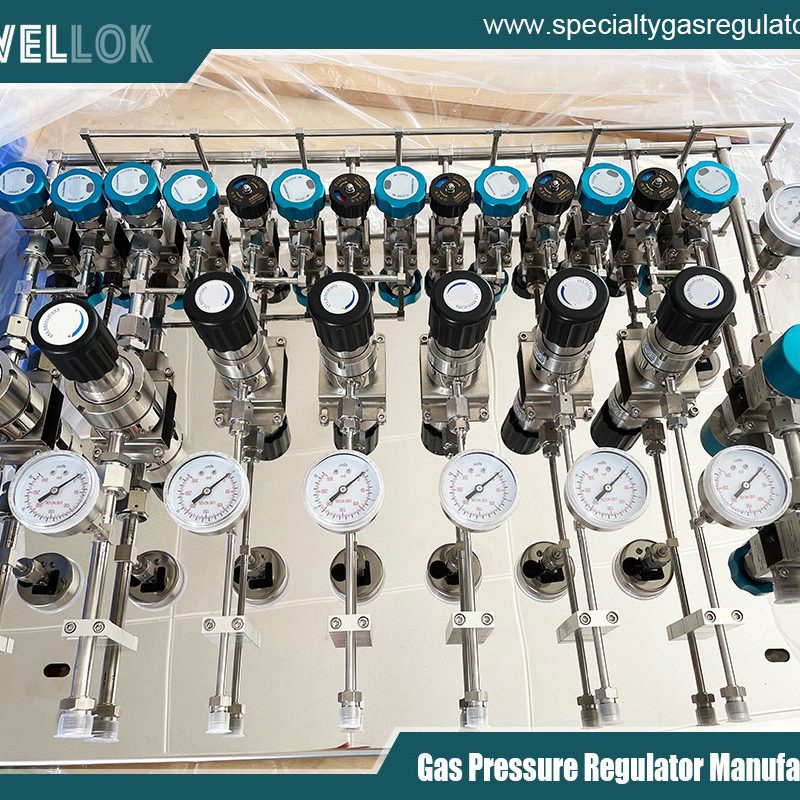
Reliable Gas Changeover Systems for Continuous and Safe Gas Supply
In many industrial applications, maintaining a stable and uninterrupted gas supply is essential for safe operation, process efficiency, and product quality. Industries such as semiconductor manufacturing, pharmaceuticals, laboratories, chemical processing, electronics production, and energy systems rely on high-purity gases and specialty gases that must be delivered continuously without pressure fluctuations or supply interruptions. Any unexpected gas supply failure can lead to production downtime, equipment damage, safety risks, and significant financial losses.
A Gas Changeover System is an advanced gas management solution designed to automatically or manually switch between two gas sources, ensuring continuous gas supply even when the primary gas cylinder or gas source is depleted. By integrating high-performance valves, pressure regulators, sensors, control systems, and safety mechanisms, modern gas changeover systems provide reliable, efficient, and safe gas delivery for critical applications.
This article explains the working principles, key components, advantages, applications, and selection considerations of reliable gas changeover systems for industrial and high-purity gas applications.
What Is a Gas Changeover System?
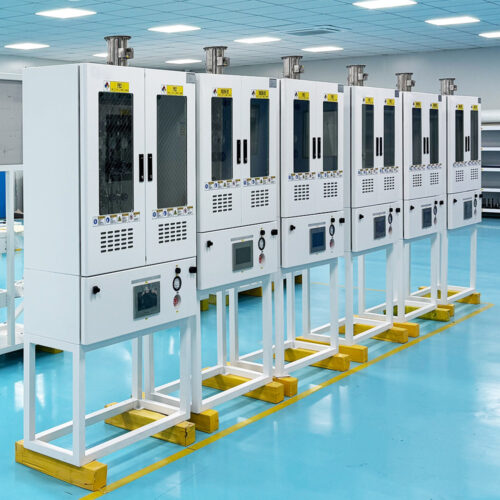
A Gas Changeover System is a device or integrated gas panel that manages the transition between two or more gas supply sources. The primary purpose of the system is to maintain uninterrupted gas flow by automatically switching from an empty or low-pressure gas source to a backup gas source.
Traditional gas supply systems require operators to manually replace empty cylinders, which can interrupt production processes and increase operational risks. A gas changeover system eliminates this problem by continuously monitoring gas pressure and automatically transferring the gas supply when necessary.
A typical dual-cylinder gas changeover system includes:
- Primary gas source
- Backup gas source
- High-pressure isolation valves
- Pressure regulators
- Check valves
- Control valves
- Pressure sensors
- Alarm systems
- Gas monitoring devices
- Control panel or PLC system
The system can be configured for different gases, pressures, flow rates, and application requirements, making it suitable for both industrial gases and ultra-high purity specialty gases.
How Does a Gas Changeover System Work?
The operating principle of a gas changeover system is based on pressure monitoring and controlled switching between gas sources.
1. Normal Gas Supply Operation
During normal operation, the primary gas source supplies gas to the downstream equipment. The pressure regulator reduces the high cylinder pressure to the required working pressure, ensuring stable gas delivery.
The control system continuously monitors:
- Inlet pressure
- Outlet pressure
- Cylinder pressure
- Gas consumption rate
- System status
When the primary gas source has sufficient pressure, the backup gas source remains isolated and ready for operation.
2. Low Pressure Detection
When the primary cylinder pressure decreases below a preset value, the gas changeover system detects the low-pressure condition through pressure sensors or mechanical switching mechanisms.
The system evaluates the gas supply condition and prepares the backup source for activation.
Advanced automatic systems can provide:
- Low-pressure alarms
- Remote monitoring signals
- Data logging
- Equipment communication through industrial protocols
This allows operators to know the status of the gas supply before a complete shutdown occurs.
3. Automatic Gas Switching
Once the primary gas source reaches the changeover pressure setting, the system automatically switches to the secondary gas source.
The switching process is carefully controlled to avoid:
- Gas flow interruption
- Pressure shock
- Backflow contamination
- Process instability
High-quality gas changeover systems are designed to maintain a constant outlet pressure during switching, ensuring uninterrupted operation for sensitive manufacturing processes.
4. Replacement of Empty Gas Source
After the backup gas source becomes active, operators can safely replace the empty primary cylinder without stopping the gas supply.
Once a new cylinder is installed, the system returns it to standby mode, ready for the next changeover cycle.
This continuous rotation significantly improves operational efficiency and reduces manual intervention.
Key Components of a Reliable Gas Changeover System
A high-performance gas changeover system depends on the quality and design of each component.
1. High Purity Gas Valves
Gas valves are critical components that control gas flow and isolation.
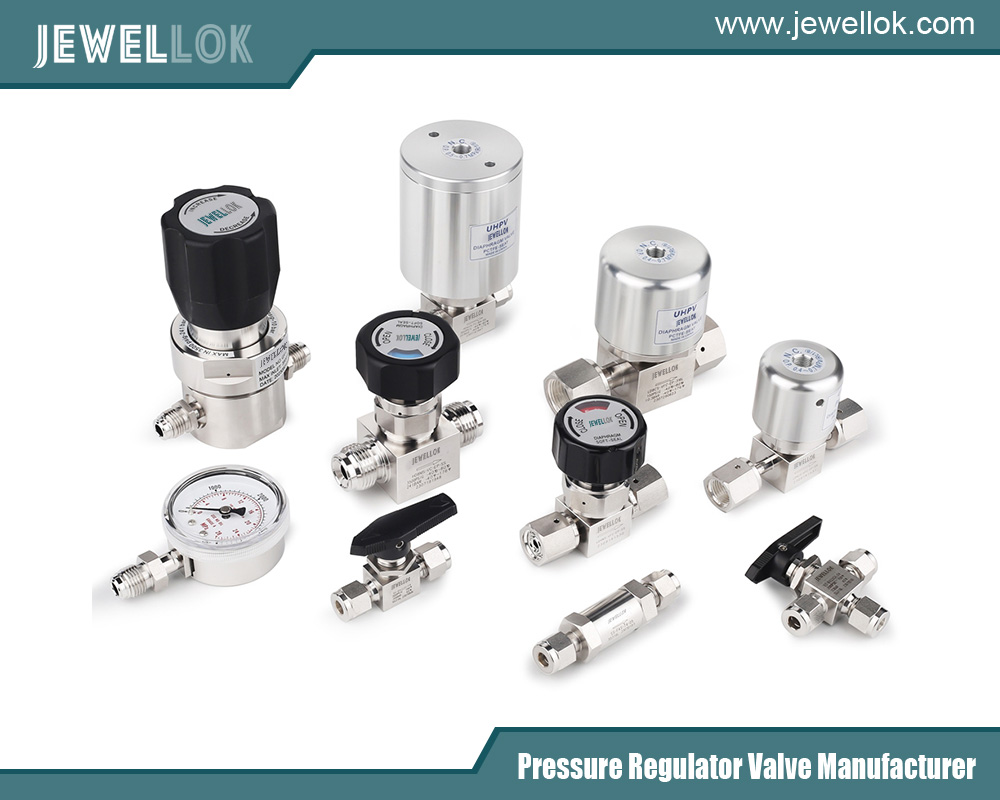
For semiconductor, pharmaceutical, and laboratory applications, ultra-high purity valves are commonly used. These valves are manufactured from corrosion-resistant materials such as 316L stainless steel and are designed to minimize particle generation and contamination.
Important valve features include:
- High leak integrity
- Low internal volume
- Excellent corrosion resistance
- Long service life
- Cleanroom compatibility
For specialty gases, diaphragm valves are often preferred because they provide excellent sealing performance and minimize contamination risks.
2. Pressure Regulators
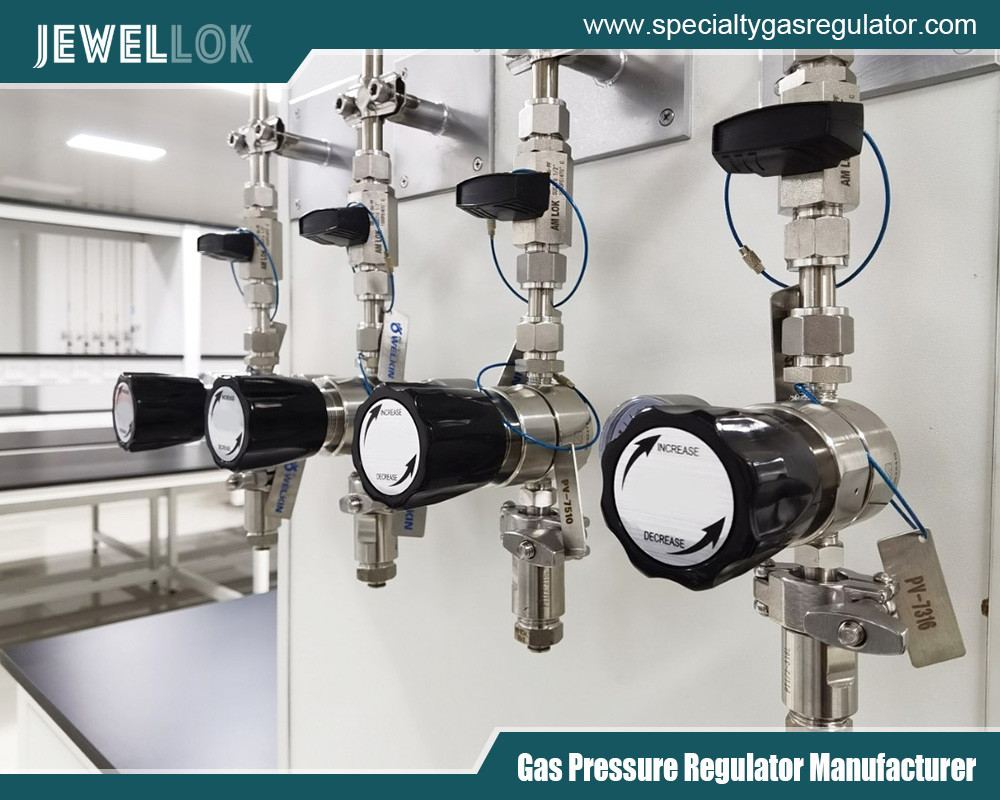
Pressure regulators reduce high-pressure gas from cylinders to a stable operating pressure required by downstream equipment.
A reliable gas changeover system requires regulators with:
- Accurate pressure control
- Low pressure fluctuation
- High repeatability
- Excellent sealing performance
For high-purity gas applications, stainless steel regulators with metal diaphragm designs are widely used because they provide better contamination control compared with conventional regulators.
3. Pressure Sensors and Monitoring Devices
Modern gas changeover systems use electronic pressure sensors to monitor gas supply conditions in real time.
These sensors provide important information including:
- Cylinder pressure level
- Switching status
- System alarms
- Maintenance requirements
Integration with industrial control systems allows remote monitoring and automatic operation.
4. Control System
The control system is the intelligence center of an automatic gas changeover system.
Depending on application requirements, control options include:
Mechanical Automatic Changeover
Mechanical systems use pressure balance principles to switch gas sources without electrical power.
Advantages:
- Simple structure
- High reliability
- Low maintenance
- Suitable for basic applications
Automatic Electronic Control
Electronic systems use PLC controllers, sensors, and communication interfaces.
Advantages:
- Remote monitoring
- Advanced alarm functions
- Data recording
- Integration with factory automation systems
For semiconductor fabs and advanced manufacturing facilities, electronic control systems provide higher operational visibility and safety.
Advantages of Using Gas Changeover Systems
1. Continuous Gas Supply
The biggest advantage of a gas changeover system is uninterrupted operation.
Manufacturing processes that require continuous gas flow can avoid unexpected shutdowns caused by empty cylinders or supply interruptions.
This is especially important for:
- Semiconductor fabrication
- Chemical processing
- Laboratory experiments
- Pharmaceutical production
2. Improved Safety
Manual cylinder replacement involves operational risks, especially when handling hazardous or toxic gases.
A gas changeover system improves safety by:
- Reducing manual handling
- Minimizing gas exposure risks
- Providing automatic pressure control
- Preventing incorrect valve operation
For dangerous gases such as corrosive, toxic, or reactive gases, automated switching provides an additional layer of protection.
3. Reduced Production Downtime
Unexpected gas shortages can interrupt production and cause costly downtime.
Gas changeover systems automatically maintain supply availability, helping manufacturers improve productivity and equipment utilization.
Continuous gas delivery is particularly valuable in industries where process interruption can damage products or require lengthy equipment recovery procedures.
4. Better Gas Management Efficiency
A properly designed changeover system allows companies to optimize cylinder usage and maintenance schedules.
Benefits include:
- More efficient cylinder replacement planning
- Reduced operator workload
- Better inventory management
- Improved gas utilization
Applications of Gas Changeover Systems
Semiconductor Manufacturing
The semiconductor industry requires extremely high-quality gas delivery systems for processes such as:
- Chemical vapor deposition (CVD)
- Atomic layer deposition (ALD)
- Etching
- Ion implantation
- Thin film processing
Gas changeover systems are commonly integrated into semiconductor gas cabinets and gas delivery systems to ensure stable supply of specialty gases.
Laboratory Gas Systems
Research laboratories use gas changeover systems for applications involving:
- Analytical instruments
- Mass spectrometry
- Chromatography
- Research equipment
Reliable gas supply ensures accurate testing results and protects sensitive instruments.
Pharmaceutical Manufacturing
Pharmaceutical production requires precise gas control for processes including:
- Packaging
- Inert gas protection
- Laboratory analysis
- Production environments
Gas changeover systems help maintain clean and stable gas supply conditions.
Chemical and Industrial Applications
Chemical plants use gas changeover systems for:
- Process gases
- Purging systems
- Welding gases
- Instrumentation gases
The systems improve reliability and reduce operational interruptions.
How to Select the Right Gas Changeover System
Choosing the correct gas changeover system requires evaluating several factors.
1. Gas Type Compatibility
Different gases have different chemical properties.
Consider:
- Corrosive gases
- Toxic gases
- Flammable gases
- Inert gases
- High-purity gases
Materials and sealing technologies must be compatible with the gas characteristics.
2. Pressure Requirements
The system must match:
- Cylinder pressure
- Outlet pressure
- Flow rate requirements
- Pressure control accuracy
Incorrect pressure selection may affect equipment performance and safety.
3. Purity Requirements
High-purity industries require systems designed to prevent contamination.
Important design features include:
- Electropolished stainless steel tubing
- Low dead-volume components
- High-integrity sealing
- Clean manufacturing processes
4. Automation Level
Users should select between:
- Manual systems
- Semi-automatic systems
- Fully automatic systems
The choice depends on production requirements, safety standards, and operational complexity.
Future Trends in Gas Changeover Technology
With increasing demand for automation and smart manufacturing, gas changeover systems are becoming more intelligent.
Future developments include:
Smart Monitoring
Advanced systems will integrate:
- IoT sensors
- Cloud monitoring
- Predictive maintenance
- Real-time data analysis
Higher Purity Requirements
Semiconductor and advanced manufacturing industries continue to demand cleaner gas systems with:
- Lower particle generation
- Improved leak performance
- Better material compatibility
Integrated Safety Control
Future gas management platforms will combine:
- Gas detection
- Automated shutoff
- Remote control
- Safety interlocks
This will create safer and more efficient gas delivery environments.
Conclusion
A reliable Gas Changeover System is a critical solution for industries requiring continuous, safe, and stable gas supply. By automatically switching between primary and backup gas sources, these systems minimize downtime, improve operational safety, and enhance gas management efficiency.
With advanced components such as high-purity valves, precision pressure regulators, intelligent monitoring sensors, and automated control systems, modern gas changeover systems provide dependable performance for semiconductor manufacturing, laboratories, pharmaceuticals, chemical processing, and industrial applications.
As industries continue to demand higher reliability, purity, and automation, gas changeover technology will remain an essential part of advanced gas delivery infrastructure. Choosing the right system design, materials, and control configuration ensures long-term safety, efficiency, and stable operation for critical gas supply applications.
For more about reliable gas changeover systems for continuous and safe gas supply, you can pay a visit to Jewellok at https://www.specialtygasregulator.com/product-category/specialty-gas-cabinet/ for more info.
-
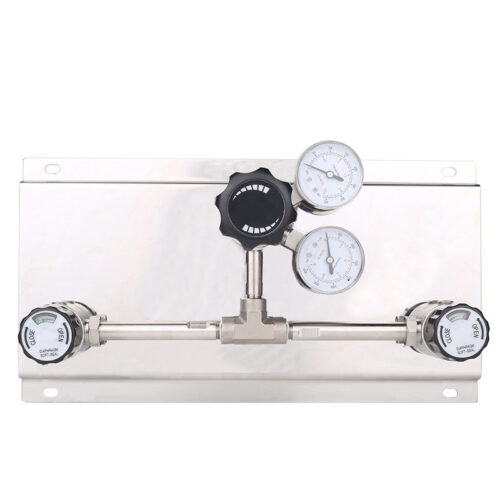
High Pressure High Flow Specialty Gas Control Panel With Diaphragm Valve , 3000Psig Oxygen Control Medical Changeover Manifold Panel
-
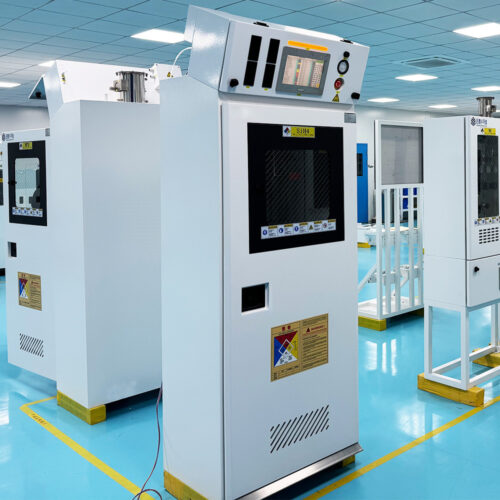
High Purity Bulk Gas Delivery Systems for Semiconductor Manufacturing and Advanced Chemical Distribution Infrastructure
-
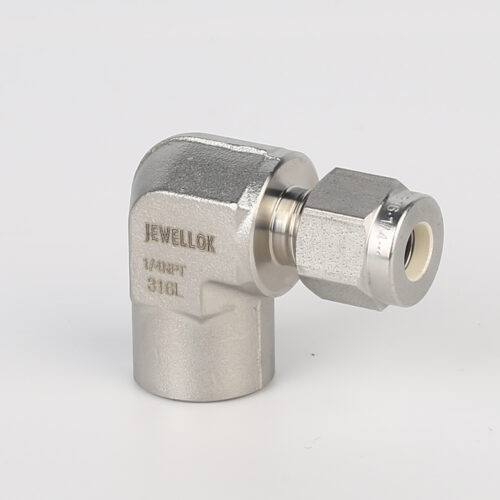
770L Female Elbow | Stainless Steel High Purity Weld Fittings Female Micro Elbow Fittings
-
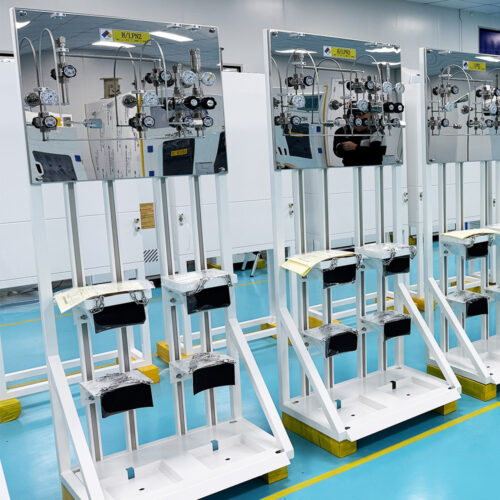
Semi Automatic Gas Cabinet Systems for Handling Toxic and Flammable Process Specialty Gases in High Tech
-
Fully Automated Gas Cabinet for Safe Ultra High Purity Specialty Gas Delivery in Semiconductor Manufacturing
-
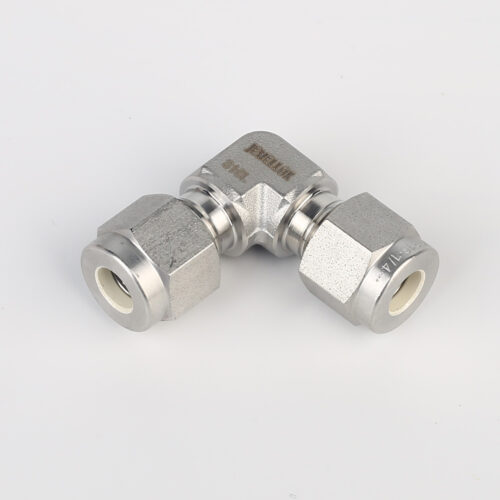
765L Stainless Steel Union Elbow Reducing High Purity Fitting Tubing Extension Tubing Connection
-
Corrosion Resistant 316L Stainless Steel Exhaust Gas Scrubber System for Harsh Chemical Process Environments
-
Integrated Gas Delivery Solutions with VMB Valve Manifold Box and Automatic Gas Switchover Systems for Industrial