
Regulator Manufacturer Tel: +86 13380377051
Regulator Manufacturer Tel: +86 13380377051
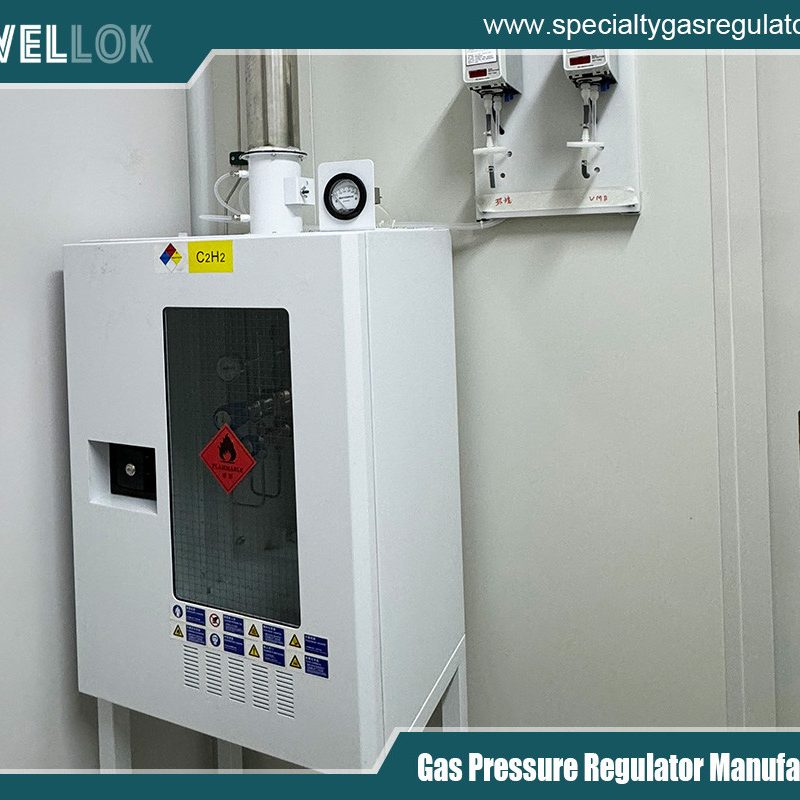
The Role of Advanced Ammonia Gas Cabinet Systems in Semiconductor Fabrication
Introduction
In the high-stakes environment of semiconductor manufacturing, the management of specialty gases is a critical operation that bridges the gap between raw chemical supply and precision wafer processing. The gas cabinet semiconductor infrastructure is more than a storage solution; it is a sophisticated, life-critical system designed to handle some of the most hazardous materials used in modern industry. As fabrication facilities move toward smaller process nodes, the requirement for ultra-high purity (UHP) gas delivery has never been more stringent.
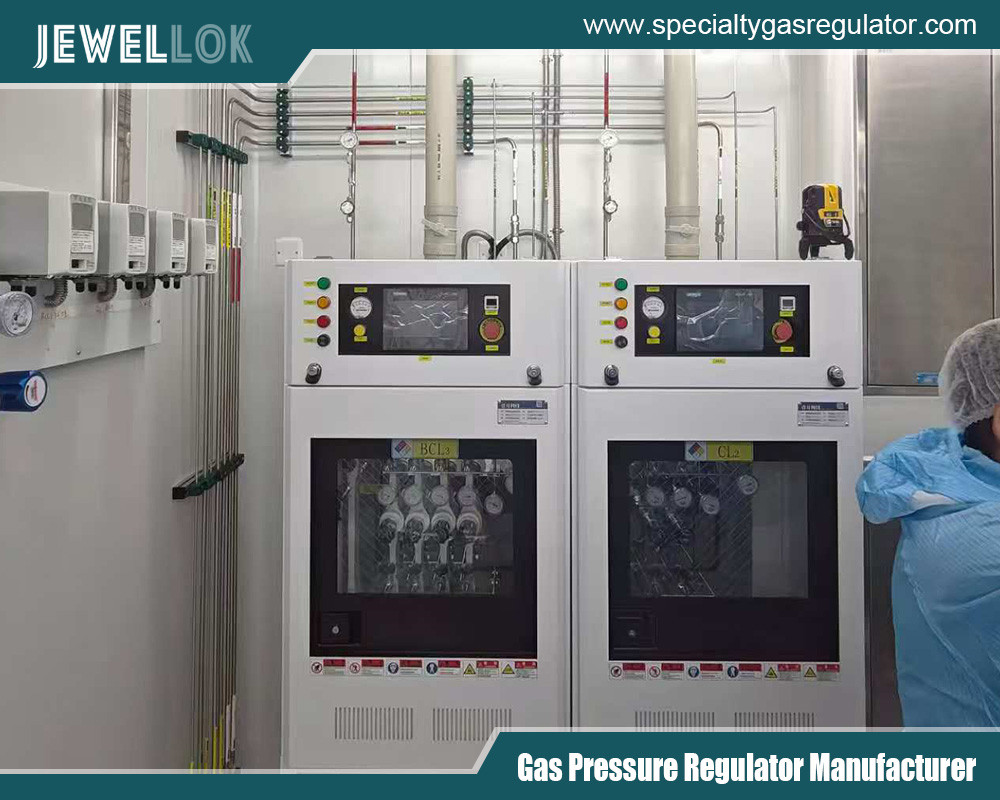
Structural Engineering and Containment
The primary function of a semiconductor gas cabinet is safe containment. These enclosures are engineered to withstand internal pressure variances and are strictly ventilated to ensure that any potential leak is immediately directed into the facility’s exhaust treatment systems.
Materials used in the construction of the cabinet itself are chosen for durability and fire resistance, while the internal gas “stick”—the actual plumbing through which the gas flows—must meet extraordinary purity standards. To prevent contamination, wetted surfaces are typically made from 316L VIM-VAR stainless steel, electropolished to a mirror finish. This reduces the surface area available for gas adsorption and eliminates microscopic pits where moisture or particles could hide.
Technological Components: Valves and Regulators
Precision at the atomic level requires absolute control over gas flow and pressure.
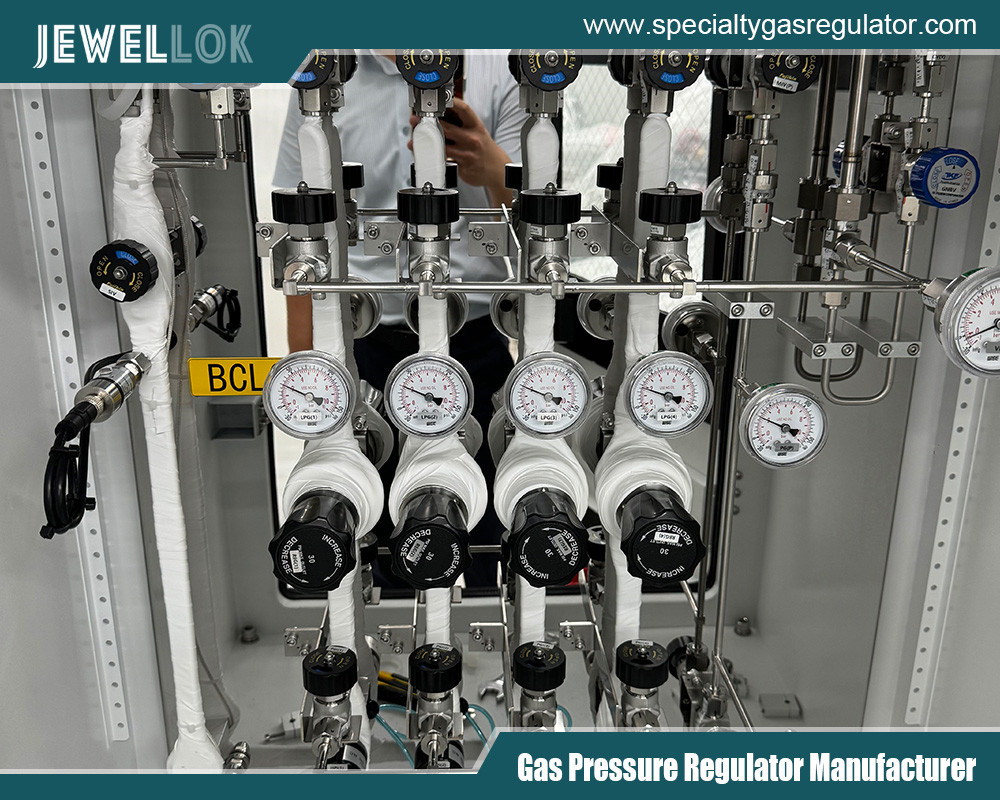
- Diaphragm Valves: These are the gatekeepers of the system. In semiconductor applications, pneumatic diaphragm valves are preferred for their high cycle life and lack of internal sliding parts that could generate metallic dust. They are designed to be “fail-closed,” ensuring that a loss of power or air pressure immediately seals the gas source.
- Pressure Regulators: Managing the transition from high-pressure storage cylinders (up to 3,000 psig) to process-stable pressures (30–80 psig) requires high-stability regulators. Tied-diaphragm designs are commonly used to prevent “hum” or vibration and to ensure that the regulator can be positively closed even if small particles are trapped in the seat.
Automation and Human Safety
The transition from manual to fully automatic gas cabinets has significantly reduced the risk of catastrophic failure in fabs. Modern systems are governed by Programmable Logic Controllers (PLCs) that manage complex sequences, such as:
- Automated Purging: Before a spent cylinder can be removed, the system must undergo dozens of “cycle purges” using inert nitrogen to clear toxic residuals.
- Leak Detection: Integrated sensors (UV/IR for fire and electrochemical for toxic gases) monitor the cabinet interior 24/7, with the ability to trigger a factory-wide Emergency Power Off (EPO) if thresholds are exceeded.
- Inventory Management: Digital scales and pressure transducers provide real-time data on gas consumption, allowing for “just-in-time” cylinder swaps that minimize downtime.
Distribution and Manifolding
From the gas cabinet, gases are distributed through coaxial (double-walled) tubing to Valve Manifold Boxes (VMBs). The VMB acts as a secondary distribution point, splitting the main supply into multiple independent lines for different process tools. This modularity allows technicians to perform maintenance on a single tool’s gas line without shutting down the entire fab’s supply of a specific chemistry.
Conclusion
As the semiconductor industry evolves, the gas cabinet semiconductor system continues to integrate more advanced IoT and diagnostic capabilities. By combining rigorous material science with fail-safe automation, these systems ensure that the hazardous power of specialty gases is harnessed safely, enabling the production of the next generation of microelectronics.
For more about the tole of advanced ammonia gas cabinet systems in semiconductor fabrication, you can pay a visit to Jewellok at https://www.specialtygasregulator.com/product-category/specialty-gas-cabinet/ for more info.
-
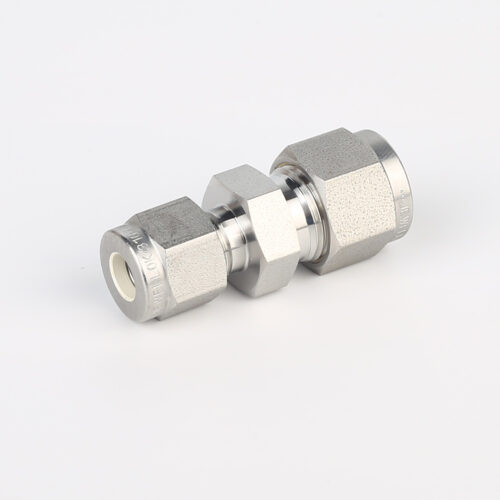
763L Stainless Steel High Purity Pressure Reducing Union Fittings And Tubing Pressure Reducing Valve Adjustment
-
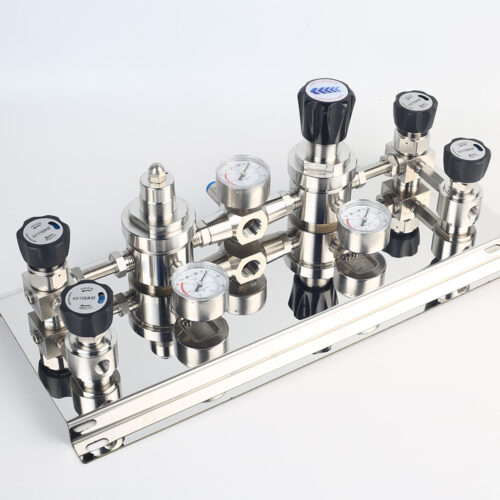
Stainless Steel Single Stage Semiconductor Grade Pressure Control Module Pressure Control Panels JSP-6A Series
-
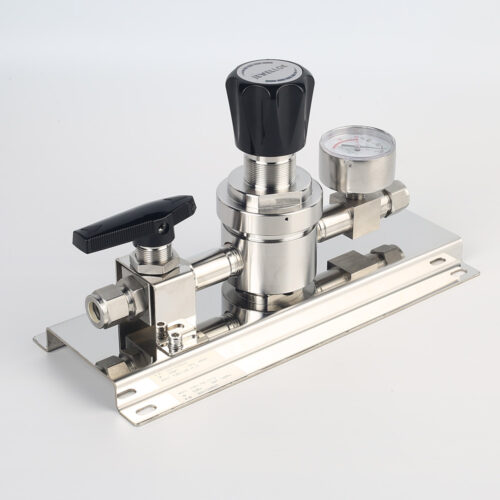
High Purity And Industria Gas Stick Assemblies Precise Pressure Control Gas Systems JSR-1ETG-BV Series
-
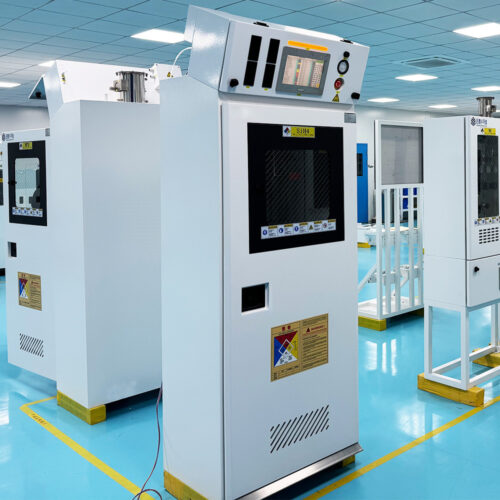
Integrated Scrubber Tail Gas Treatment Cabinet for Safe Bulk Specialty Gas System Exhaust Management
-
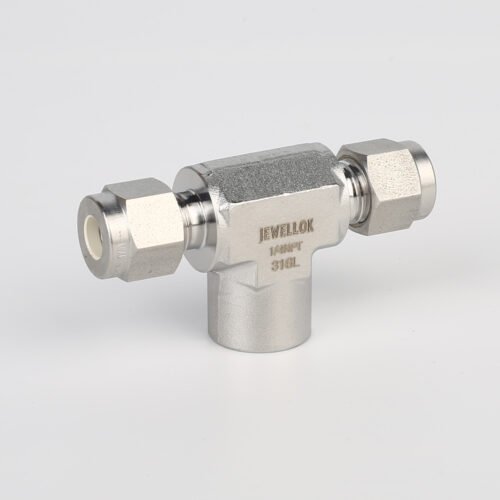
772 LF Female Branch Tee | Stainless Steel Tube Fitting Female Branch Tee 1/2 in. Tube OD x 1/2 in. Tube OD x 3/8 in. Female NPT
-
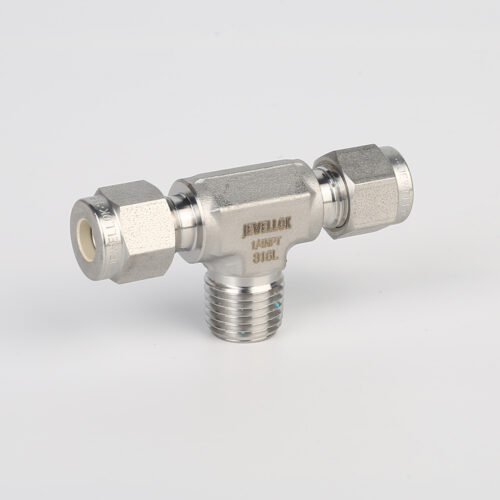
772L Male Branch Tee | Stainless Steel High-Purity Tube Fitting Male Branch Tee
-
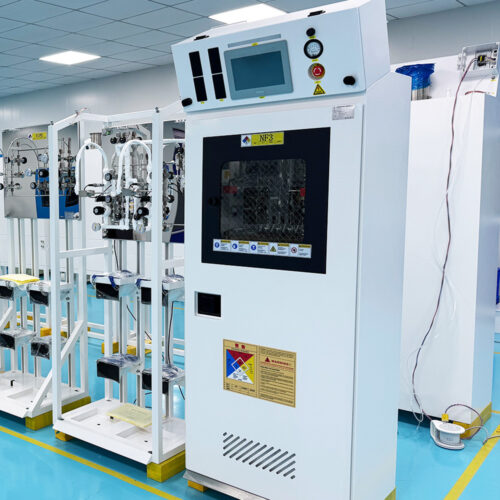
Semi Automatic Gas Cabinet Gas Panels High Purity Gas Delivery Systems JW-200-GC
-
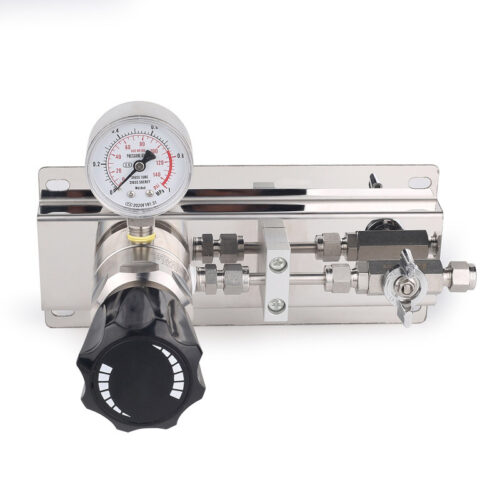
High Purity Gas Cylinder Semi Automatic Changeover Manifold Regulator Panel 3000psig Stainless Steel Gas Control Panel 1/8 Npt With Gauge