
Regulator Manufacturer Tel: +86 13380377051
Regulator Manufacturer Tel: +86 13380377051
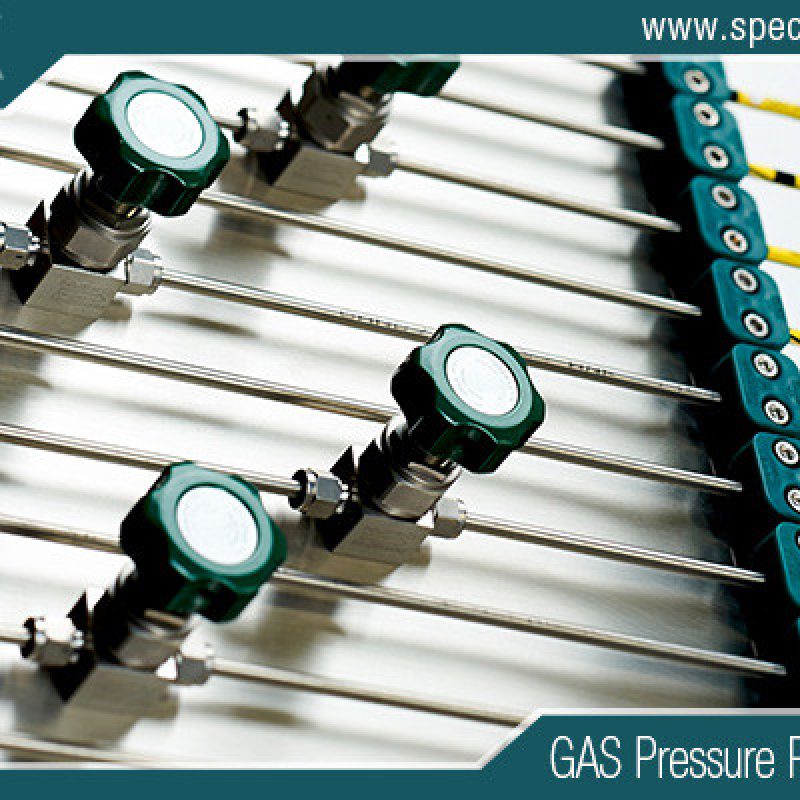
Ultra High Purity CO2 High Flow Regulator for 99.999% Purity Gas
In the realms of critical scientific analysis, pharmaceutical development, and advanced manufacturing, the integrity of a gas stream is paramount. When specifications demand carbon dioxide (CO2) at 99.999% purity—commonly referred to as “Five Nines” (5.0) Ultra High Purity (UHP)—every component in the delivery system becomes a potential point of contamination. While the gas source may be pristine, it is often the regulator, the interface between the high-pressure cylinder and the application, that determines the final purity reaching the process.
For applications requiring both UHP conditions and high flow rates, a standard industrial regulator is insufficient. The demand for a specialized Ultra High Purity CO2 Regulator designed for 99.999% purity and high-flow applications is driven by the need to maintain gas quality without sacrificing delivery volume. This article delves into the engineering, design challenges, and operational benefits of these critical devices.
The Critical Nature of UHP CO2 and High Flow
Before examining the regulator itself, it is essential to understand the context of its use. Carbon dioxide is unique among industrial gases. It is not inert; it is slightly acidic when dissolved in water (forming carbonic acid) and is used in diverse states (gas, liquid, and solid).
At the 99.999% purity level, contaminants are measured in parts per million (ppm) or even parts per billion (ppb). The typical impurities remaining in a 5.0 grade CO2 cylinder might include trace amounts of moisture (H2O), oxygen (O2), nitrogen (N2), and hydrocarbons. The goal of a UHP regulator is to introduce zero additional contaminants into this stream.
The “High Flow” aspect adds a layer of complexity. High flow applications, such as supplying a bioreactor, a supercritical fluid extraction (SFE) system, or a laser cutting machine, require the regulator to deliver large volumes of gas without a significant pressure drop (droop) and without inducing turbulence that could stir up particulate matter.
Design Challenges: Why Standard Regulators Fail
A standard brass regulator, even a high-quality one, is inadequate for UHP CO2 service for several reasons:
-
Outgassing: Materials like brass and elastomeric seals contain trapped gases and volatile compounds. Over time, these compounds leach into the gas stream, contaminating the high-purity CO2.
-
Permeation: Standard elastomeric diaphragms and O-rings allow atmospheric gases (like oxygen and nitrogen) to permeate through the seal material and into the pure gas stream, especially under high-pressure differentials.
-
Particulate Generation: Internal friction in standard designs can generate microscopic particles. Furthermore, the presence of moisture can cause corrosion, introducing rust or other metal oxides into the stream.
-
Inertness to CO2: CO2 can be aggressive. In the presence of even minute moisture, it becomes corrosive. Brass is susceptible to this, leading to the formation of a bluish-green patina (verdigris) that flakes off as particulate.
Anatomy of an Ultra High Purity CO2 Regulator
To overcome these challenges, a regulator designed for 99.999% purity and high flow must be engineered from the inside out with specific design philosophies and materials.
1. Material Science: The Foundation of Purity
The choice of materials is the single most important factor in a UHP regulator.
-
Body and Wetted Parts (Stainless Steel): High-performance UHP regulators are machined from barstock or forged 316L stainless steel, often with an electropolished finish. 316L is chosen for its excellent corrosion resistance and low carbon content, which prevents carbide precipitation at weld points. Electropolishing removes a microscopic layer of surface material, smoothing out peaks and valleys where contaminants could hide, thereby reducing surface area and improving cleanability.
-
Seat Material (PCTFE or PTFE): For CO2 service, the valve seat (the part that seals against the orifice) is critical. Standard elastomers like Buna-N or Viton are permeable and can degrade. For UHP CO2, PCTFE (Polychlorotrifluoroethylene) is the gold standard. It maintains its sealing properties at cryogenic temperatures (important if liquid CO2 flashes to gas) and is chemically inert, preventing outgassing and permeation.
-
Diaphragm (316L Stainless Steel): To eliminate outgassing and permeability, UHP regulators use a metal diaphragm, typically multi-layered 316L stainless steel. This diaphragm flexes to control pressure but provides a solid metal barrier between the gas stream and the environment, ensuring zero transmission of atmospheric gases.
2. Seal Technology: Metal-to-Metal and Spring Energized Seals
Traditional O-rings are a liability in UHP systems. High-flow UHP regulators utilize different sealing methods:
-
Metal-to-Metal Seals: In many high-integrity designs, the bonnet seals against the body using a precision-machined metal-to-metal contact. This creates a diffusion-tight seal that is impervious to permeation.
-
Spring-Enerized Seals: Where polymer contact is unavoidable (such as in some adjustable features), spring-energized seals made of PTFE or PEEK are used. These use an internal spring to force the softer polymer jacket against the metal surface, ensuring a tight seal while maintaining chemical compatibility.
3. High Flow Design: Minimizing Pressure Droop
Achieving high flow without compromising pressure control is a matter of fluid dynamics. “Pressure droop” or “droop” refers to the drop in delivery pressure as the flow rate increases.
-
Large Orifice: High-flow regulators feature a larger orifice in the valve seat assembly. This allows more gas molecules to pass through with less restriction, maintaining a stable downstream pressure even at high demand.
-
Balanced Valve Design: Many high-flow UHP regulators incorporate a balanced valve stem. This design neutralizes the effect of inlet pressure changes on the valve seat, ensuring that the delivery pressure remains stable regardless of whether the cylinder is full (high pressure) or nearly empty (low pressure). This is critical for processes that require a constant flow rate over time.
-
Captured Vent (Domeless) Design: To further enhance flow and purity, some regulators use a “captured vent” or “domeless” design. This routes the gas that would normally vent to the atmosphere (in a standard vented regulator) back into the exhaust system, preventing potential back-diffusion of atmospheric contaminants into the high-purity stream.
4. Surface Finish and Cleanliness
A regulator fresh off a machining line is covered in machining oils, cutting fluids, and particulate. For UHP service, assembly must occur in a Cleanroom environment (typically Class 100 or better).
-
Precision Cleaning: Components are subjected to rigorous cleaning processes using specialized solvents and ultrapure water to remove every trace of hydrocarbons and ionic contamination.
-
Bake-Out: After cleaning, components may be “baked out” under vacuum or in a nitrogen purge to accelerate the outgassing of any remaining trapped gases, ensuring they do not later contaminate the system.
Applications Requiring UHP High-Flow CO2 Regulators
The combination of high purity and high flow is not arbitrary; it is dictated by specific, demanding applications.
1. Supercritical Fluid Extraction (SFE) and Chromatography (SFC)
CO2 becomes a supercritical fluid above its critical point (31°C, 1070 psi), possessing the density of a liquid and the viscosity of a gas. In SFE (used for decaffeinating coffee or extracting botanical compounds) and SFC (an analytical chemistry technique), any impurity in the CO2 can act as a co-solvent or contaminate the extract/analysis.
-
Requirement: High flow is needed to process large volumes of material or to achieve rapid analysis. UHP purity ensures that the CO2 acts as an inert carrier, not a reactive agent.
2. Bioreactor pH Control and Cell Culture
In pharmaceutical manufacturing, single-use and stainless steel bioreactors use CO2 to control pH in cell cultures. As cells metabolize, they produce waste that acidifies the medium. CO2 is sparged into the culture to form carbonic acid, precisely controlling the pH.
-
Requirement: Large-scale bioreactors (thousands of liters) require high CO2 flow rates to achieve rapid pH adjustments. UHP quality is essential because biological systems are incredibly sensitive to toxins. Trace heavy metals or hydrocarbons from a regulator could kill the cell culture, destroying a batch worth millions of dollars.
3. Laser Cutting and Welding
In high-power CO2 lasers, the gas is the lasing medium. While the laser cavity is often sealed, assist gases are used. In some industrial processes, CO2 is used as a shielding gas.
-
Requirement: High flow is necessary to purge the optical path or shield the weld puddle. Purity prevents optical contamination on lenses and mirrors, which can cause beam absorption, overheating, and failure.
4. Semiconductor and MEMS Manufacturing
While less common than nitrogen or argon, UHP CO2 is used in specific semiconductor processes, such as supercritical CO2 drying for MEMS (Micro-Electro-Mechanical Systems) release etching. This prevents the surface tension of liquids from collapsing delicate microscopic structures.
-
Requirement: The flow must be high enough to process multiple wafers, and the purity must be absolute, as contamination at the nanometer scale can render a chip useless.
Installation and Maintenance Considerations
To preserve the integrity of a UHP CO2 regulator, proper installation and maintenance are vital.
-
Connection Types: UHP regulators rarely use National Pipe Thread (NPT) fittings. NPT relies on thread deformation and sealant tape or paste, both sources of contamination and entrapment. Instead, they use metal gasket face seal fittings (such as Swagelok VCJ or Parker A-LOK) or automatic butt-welded connections. These provide a metal-to-metal seal with zero dead volume, preventing entrapment and allowing for leak-tight integrity.
-
Purge Cycles: Before initial use and after cylinder changes, the regulator must be carefully purged. This involves pressurizing and venting the regulator with the UHP gas to sweep out any air that entered during the changeover.
-
Leak Detection: Given the high pressures and critical nature, leak detection is crucial. An electronic leak detector is preferred over “Snoop” or bubble testers, as those liquid solutions can be drawn into the threaded connections via capillary action, contaminating the system.
-
Diaphragm Life: While metal diaphragms are durable, they are subject to metal fatigue over millions of cycles. Regular inspection and preventative replacement are recommended to avoid a sudden failure.
Conclusion
The Ultra High Purity CO2 Regulator designed for 99.999% purity and high flow represents the pinnacle of gas control technology. It is a precision instrument, not merely a valve. By leveraging 316L stainless steel construction, metal diaphragms, PCTFE seals, and cleanroom assembly, it acts as a silent guardian of gas purity.
For engineers and scientists working at the forefront of biotechnology, advanced materials science, and analytical chemistry, this component is indispensable. It ensures that the gas entering the process is as pure as the gas leaving the source, enabling repeatable results, protecting sensitive cultures, and maintaining the integrity of critical manufacturing processes. Investing in a true UHP high-flow regulator is not an expense; it is a commitment to quality and a safeguard against the invisible threat of contamination.
For more about the ultra high purity CO2 high flow regulator for 99.999% purity gas, you can pay a visit to Jewellok at https://www.specialtygasregulator.com/ for more info.
-
Clean Connection Cabinet JW-300-CCB Valve Manifold Box And Control Valve Box
-
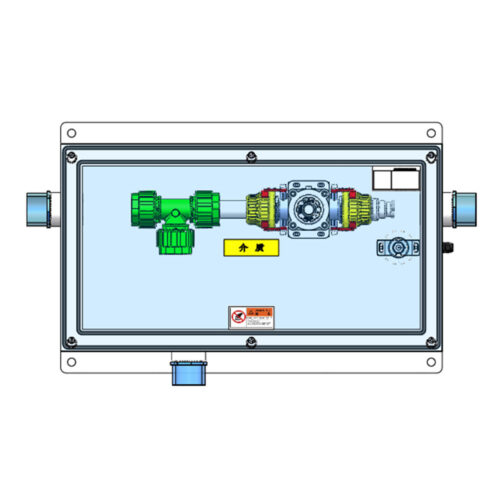
T-BOX JW-TB-C Special Gas Delivery System Gas Valve Manifold Boxes
-
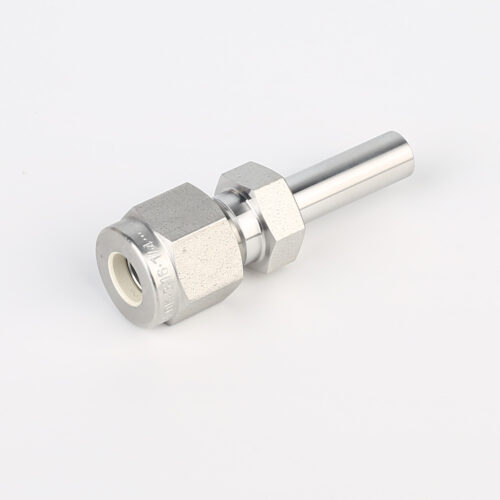
767LT Reducer Pressure Reducing Valve Adjustment High purity Pressure Reducing Union Fittings And Tubing
-
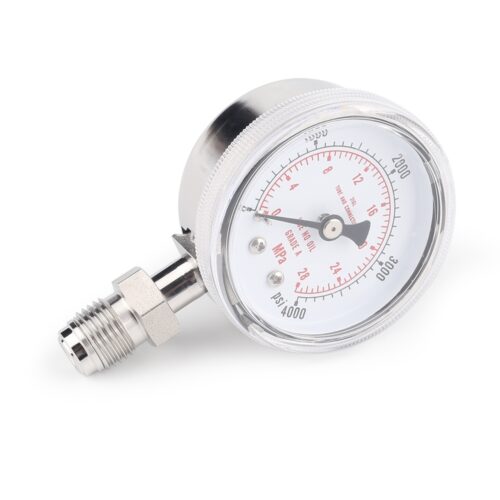
Ultra High Purity Oxygen Pressure Gauge For Semiconductor Gases JG Series Pressure Instruments For Semiconductor Manufacturing
-
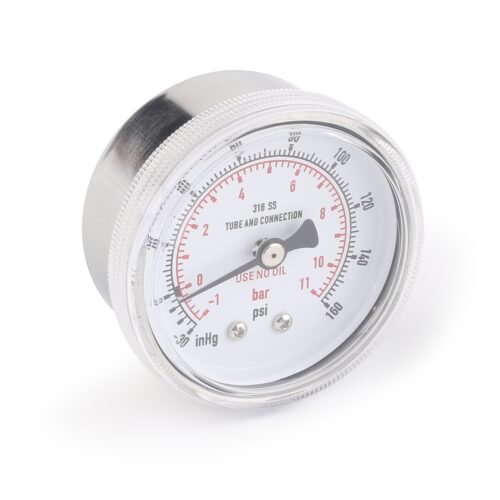
Ultra High Purity Pressure Gauge For Laboratory And Semiconductor JR Series
-
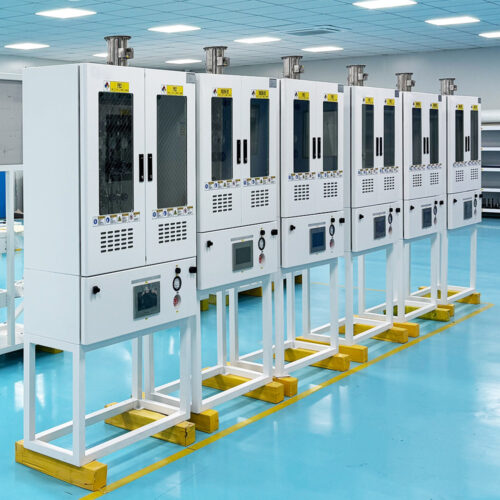
Fully Automated Gas Cabinet for Safe Ultra High Purity Specialty Gas Delivery in Semiconductor Manufacturing
-
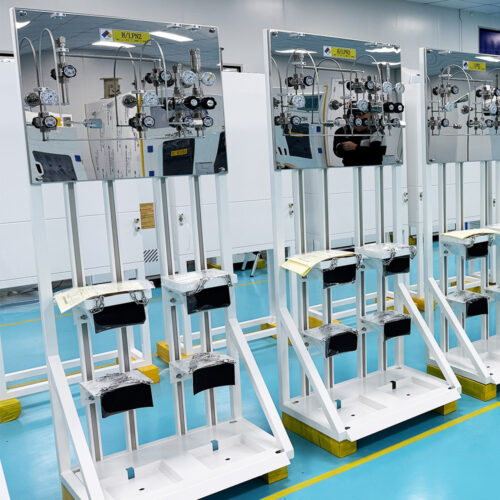
Precision Stainless Steel Valve Manifold Panel for Inert Gas Distribution in Cleanroom Manufacturing Environments
-
Custom Wet and Dry Exhaust Gas Scrubber System Technology for Effective Acid Gas Neutralization