
Regulator Manufacturer Tel: +86 13380377051
Regulator Manufacturer Tel: +86 13380377051
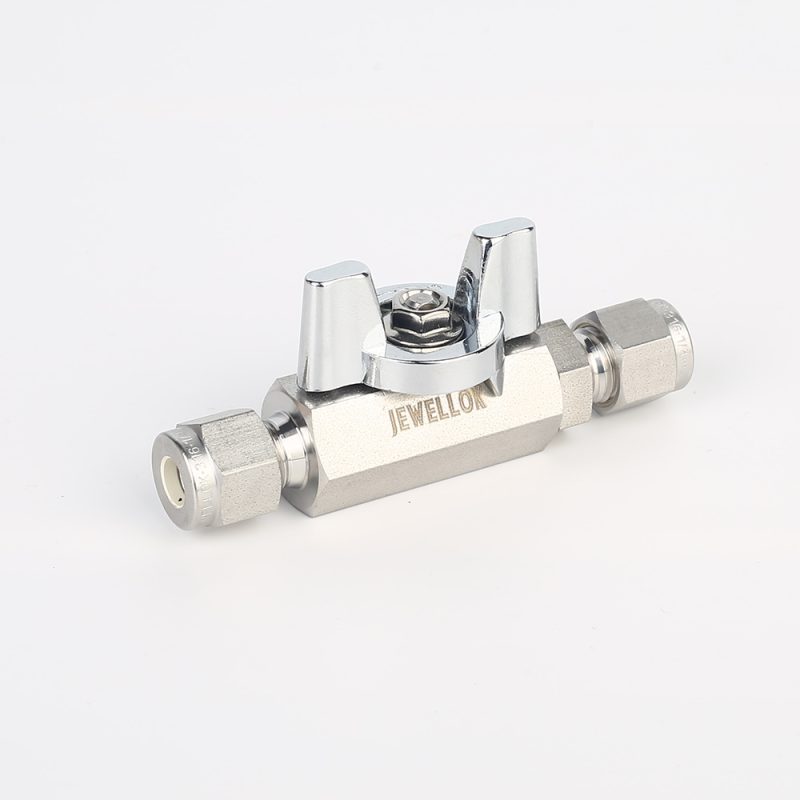
UHP 316L Stainless Steel Ball Valves for Pharmaceutical and Biotech Industries
In pharmaceutical and biotechnology manufacturing, maintaining ultra-high purity (UHP) fluid and gas systems is essential for product quality, process reliability, and regulatory compliance. Every component that comes into contact with critical media must be carefully selected to prevent contamination, particle generation, corrosion, and system failure. Among these components, UHP 316L stainless steel ball valves play a vital role in controlling the flow of high-purity gases, purified water, process chemicals, and pharmaceutical fluids.
Unlike conventional industrial valves, UHP ball valves used in pharmaceutical and biotech applications require advanced manufacturing processes, precision machining, superior surface finishing, and strict quality control. These valves are designed to meet the demanding requirements of cleanroom environments, aseptic processing systems, biotechnology production lines, and high-purity chemical delivery networks.
With excellent corrosion resistance, low extractable characteristics, and outstanding mechanical performance, 316L stainless steel ball valves have become one of the preferred solutions for critical pharmaceutical and biotechnology process applications.
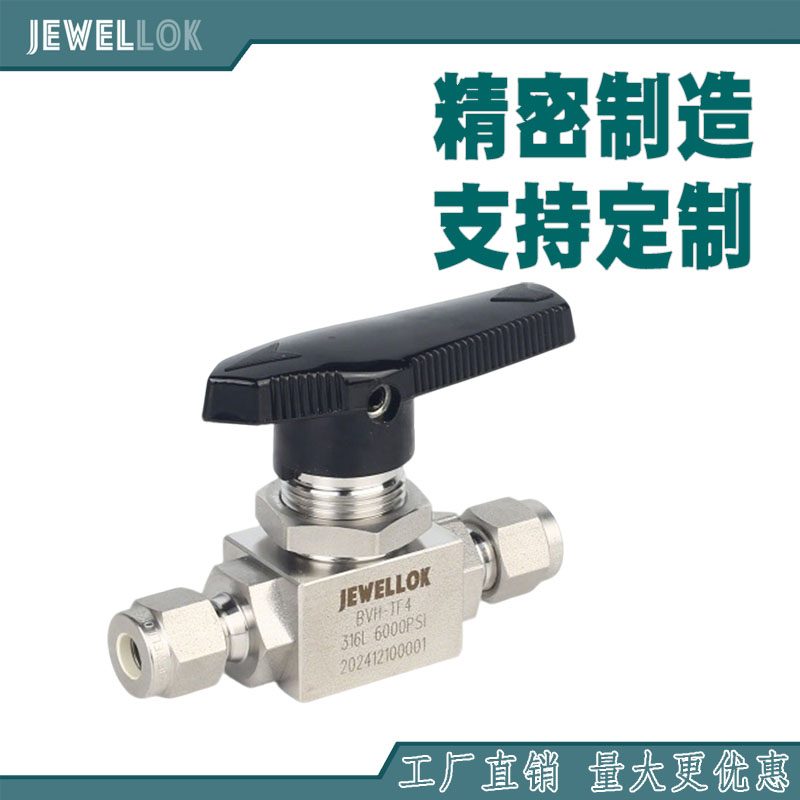
What Are UHP 316L Stainless Steel Ball Valves?
UHP 316L stainless steel ball valves are high-performance flow control devices manufactured from pharmaceutical-grade or semiconductor-grade 316L stainless steel. They use a precision-machined spherical ball with a central bore to regulate the flow of liquids or gases.
When the valve handle or actuator rotates the ball 90 degrees, the flow path can be fully opened or completely closed. This simple quarter-turn operation provides excellent sealing performance, fast response, and reliable shut-off capability.
The term Ultra High Purity (UHP) refers to the advanced design and manufacturing standards applied to reduce contamination risks. UHP ball valves typically feature:
- High-grade 316L stainless steel construction
- Electropolished internal surfaces
- Low surface roughness
- High leakage resistance
- Cleanroom-compatible manufacturing
- Particle-controlled assembly
- High corrosion resistance
- Traceability documentation
These features make them suitable for applications where even microscopic contamination can affect product safety or manufacturing yield.
Why 316L Stainless Steel Is Ideal for Pharmaceutical and Biotech Applications
Material selection is one of the most important factors in pharmaceutical valve design. 316L stainless steel is widely used because it offers a combination of corrosion resistance, durability, and cleanliness.
Excellent Corrosion Resistance
Pharmaceutical and biotechnology processes often involve aggressive chemicals, cleaning agents, acids, solvents, and biological materials. Standard stainless steel may experience corrosion under harsh conditions, but 316L stainless steel contains molybdenum, which improves resistance against chloride corrosion and chemical attack.
This makes 316L stainless steel suitable for:
- Pharmaceutical chemical processing
- Bioreactor systems
- Sterile fluid transfer
- Cleaning-in-place (CIP) systems
- Steam sterilization processes
- High-purity water systems
Low Carbon Content for Better Weldability
The “L” in 316L represents low carbon content. This reduces carbide precipitation during welding and improves corrosion resistance around welded areas.
For pharmaceutical piping systems, where orbital welding is commonly used, 316L stainless steel helps maintain system integrity and minimizes contamination risks.
Superior Cleanability
316L stainless steel provides a smooth, non-reactive surface that prevents material buildup and simplifies cleaning procedures.
Combined with electropolishing technology, UHP 316L ball valves can achieve extremely smooth internal surfaces, reducing:
- Bacterial adhesion
- Particle accumulation
- Product contamination
- Cleaning difficulty
Key Features of UHP 316L Stainless Steel Ball Valves
1. Electropolished Internal Surface Finish
One of the most important requirements for pharmaceutical and biotech valves is internal surface quality.
UHP 316L stainless steel ball valves often undergo electropolishing, an electrochemical finishing process that removes microscopic surface imperfections.
Benefits include:
- Reduced surface roughness
- Improved corrosion resistance
- Easier sterilization
- Lower particle generation
- Reduced contamination risk
For advanced pharmaceutical applications, internal surface finishes may reach extremely low Ra values to meet strict hygienic requirements.
2. High-Integrity Sealing Performance
Leak prevention is critical in pharmaceutical processing systems. A valve failure can result in:
- Product loss
- Process contamination
- Safety risks
- Production downtime
UHP ball valves use precision-machined sealing components, including:
- PTFE seats
- PEEK seats
- Advanced polymer sealing materials
- Metal-supported sealing designs
These components provide reliable shut-off performance while maintaining chemical compatibility.
3. Low Dead Space Design
Dead space inside valves can trap residual fluids, creating contamination risks and making cleaning more difficult.
Modern UHP pharmaceutical ball valves are designed with:
- Minimal internal cavities
- Optimized flow channels
- Smooth transition areas
- Reduced fluid retention zones
This design supports hygienic operation and improves cleaning efficiency.
4. High Purity Manufacturing Process
Manufacturing UHP valves requires strict control throughout the production process.
Typical manufacturing steps include:
- Precision CNC machining
- Ultrasonic cleaning
- Deburring and surface treatment
- Electropolishing
- Particle cleaning
- Cleanroom assembly
- Helium leak testing
- Final inspection
Every stage helps ensure the valve meets high purity requirements.
Applications in Pharmaceutical Industries
Pharmaceutical Water Systems
Water is one of the most important raw materials in pharmaceutical production. Systems such as:
- Purified Water (PW)
- Water for Injection (WFI)
- High Purity Water (HPW)
require reliable valves that prevent contamination.
UHP 316L stainless steel ball valves are commonly installed in:
- Water distribution loops
- Storage tanks
- Processing equipment
- Sampling systems
Their corrosion resistance and cleanability make them suitable for continuous operation.
Sterile Manufacturing and Aseptic Processing
Sterile pharmaceutical production requires strict contamination control.
Ball valves are used in:
- Sterile transfer lines
- Filling equipment
- Mixing systems
- Buffer preparation systems
High purity valves help maintain aseptic conditions and protect sensitive pharmaceutical products.
Bioreactor and Fermentation Systems
Biotechnology manufacturing relies on controlled biological processes. Bioreactor systems require precise fluid control for:
- Cell culture media
- Nutrient solutions
- Gas supply
- Cleaning fluids
316L stainless steel valves provide reliable operation while maintaining compatibility with biological processes.
Applications in Biotechnology Industries
The biotechnology industry requires advanced fluid handling systems for research and commercial production.
Common applications include:
Cell and Gene Therapy Manufacturing
Cell and gene therapy processes require extremely clean environments because biological materials are highly sensitive to contamination.
UHP valves are used for:
- Buffer transfer
- Media preparation
- Process fluid control
- Single-use system connections
Laboratory and Research Equipment
Biotech laboratories often require compact and reliable valves for:
- Analytical equipment
- Laboratory gas systems
- Chemical delivery systems
- Pilot-scale production systems
UHP 316L ball valves provide long service life and stable performance.
Advantages Compared with Conventional Ball Valves
Traditional industrial ball valves are designed mainly for general-purpose applications. However, pharmaceutical and biotech industries require much higher standards.
| Feature | Conventional Ball Valve | UHP 316L Stainless Steel Ball Valve |
|---|---|---|
| Material Quality | Industrial stainless steel | High purity 316L stainless steel |
| Surface Finish | Standard machining finish | Electropolished finish |
| Contamination Control | Limited | Excellent |
| Cleanroom Compatibility | Usually unavailable | Designed for clean environments |
| Leakage Control | Standard sealing | High-performance sealing |
| Pharmaceutical Compliance | Limited applications | Suitable for critical processes |
For high-value pharmaceutical manufacturing, UHP valves provide greater reliability and lower contamination risks.
Important Selection Factors for UHP Ball Valves
When selecting UHP 316L stainless steel ball valves, engineers should consider several technical factors.
Material Certification
Reliable suppliers should provide material documentation, including:
- 316L stainless steel certification
- Chemical composition reports
- Manufacturing traceability
- Inspection records
This ensures the valve meets pharmaceutical quality requirements.
Surface Roughness Requirements
Internal surface finish directly affects cleanliness.
Lower surface roughness improves:
- Cleaning efficiency
- Sterility
- Corrosion resistance
Applications involving sterile pharmaceutical production typically require higher surface finishing standards.
Pressure and Temperature Ratings
Valve specifications should match system operating conditions, including:
- Maximum pressure
- Operating temperature
- Thermal cycling requirements
- Cleaning temperature
Proper selection prevents premature failure.
Connection Types
Common connection options include:
- Tri-clamp connections
- Butt weld ends
- VCR connections
- Threaded connections
- Customized hygienic fittings
The correct connection method depends on system design requirements.
Quality Standards and Testing Requirements
High-quality UHP pharmaceutical valves should undergo comprehensive testing.
Typical inspection procedures include:
Helium Leak Testing
Used to verify extremely low leakage rates and ensure sealing reliability.
Pressure Testing
Confirms mechanical strength under operating conditions.
Surface Inspection
Checks:
- Surface defects
- Roughness levels
- Cleanliness
Particle Testing
Ensures the valve meets high purity requirements for critical applications.
Future Trends of UHP Valve Technology in Pharmaceutical Manufacturing
The pharmaceutical and biotechnology industries continue to move toward higher automation, improved contamination control, and more advanced manufacturing processes.
Future UHP valve technologies are expected to include:
- Automated pneumatic ball valves
- Smart valve monitoring systems
- Digital process control integration
- Improved surface treatment technologies
- Advanced corrosion-resistant materials
As pharmaceutical production becomes more sophisticated, reliable high-purity valve solutions will become increasingly important.
Conclusion
UHP 316L stainless steel ball valves are essential components for pharmaceutical and biotechnology industries where purity, reliability, and contamination control are critical. Their superior corrosion resistance, excellent surface finish, low dead space design, and high sealing performance make them ideal for demanding applications such as sterile processing, bioreactors, purified water systems, and advanced biotechnology manufacturing.
Choosing the right UHP valve manufacturer is essential to ensuring system safety, regulatory compliance, and long-term operational performance. A professional supplier should provide precision manufacturing, strict quality control, complete documentation, and customized solutions based on specific process requirements.
With the continued growth of pharmaceutical innovation and biotechnology applications, high-performance UHP 316L stainless steel ball valves will remain a key technology supporting safer, cleaner, and more efficient manufacturing processes worldwide.
For more about UHP 316L stainless steel ball valves for pharmaceutical and biotech industries, you can pay a visit to Jewellok at https://www.specialtygasregulator.com/product-category/specialty-gas-cabinet/ for more info.
-
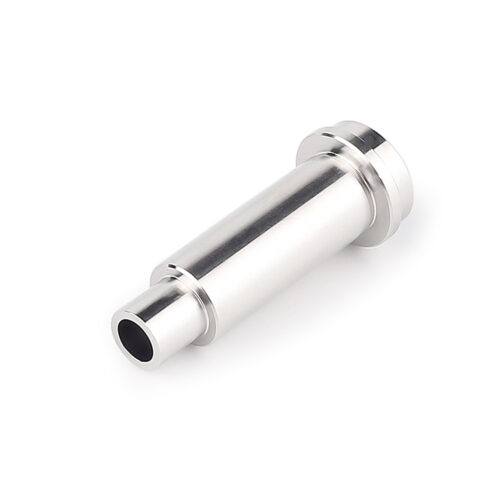
UHP Metal Gasket Face Seal Fittings Vacuum Coupling Metal Face Seal Join Long Gland And Short Gland
-
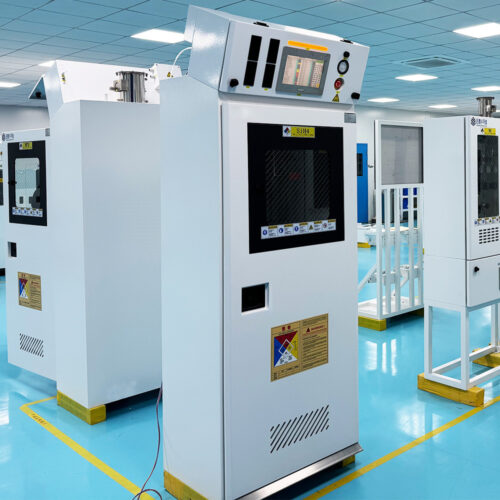
Advanced Exhaust Gas Scrubber System Design for 99% Removal Efficiency of Industrial Toxic Gases
-
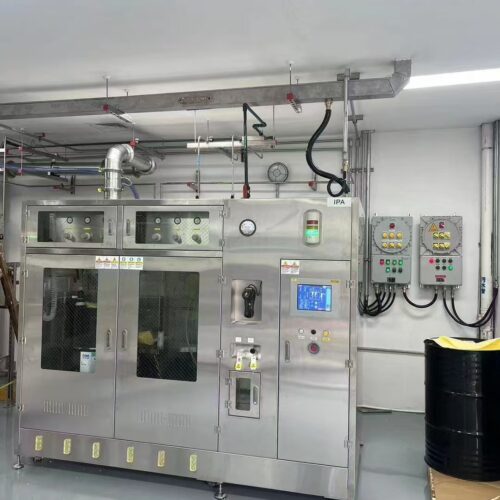
Ultra High Purity CDS Solutions Featuring 316L Electropolished Stainless Steel for Superior Chemical Integrity and Safety
-
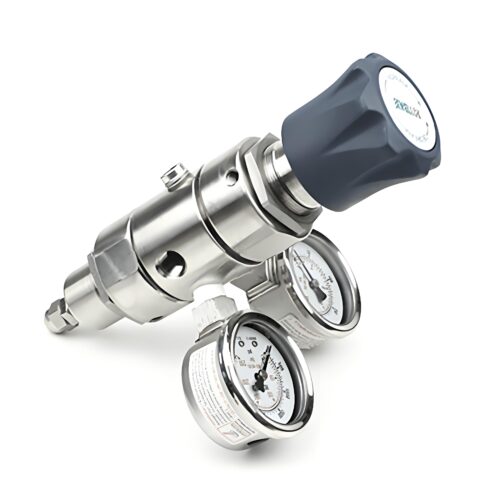
DPR1 Ultra High Purity Two Stage Dual Stage Pressure Reducing Regulator Semiconductor Grade Regulators
-
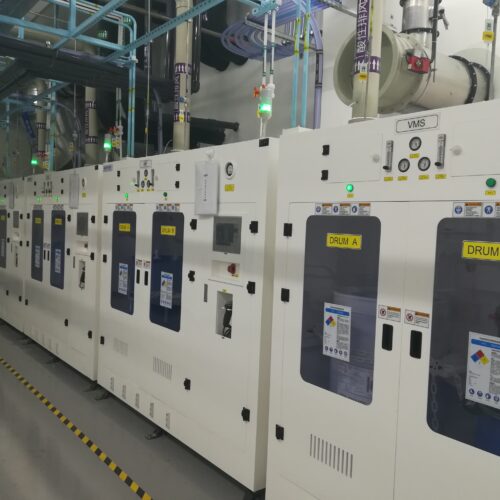
High Purity Liquid Chemical Delivery Systems Designed for Sub Micron Semiconductor Production
-
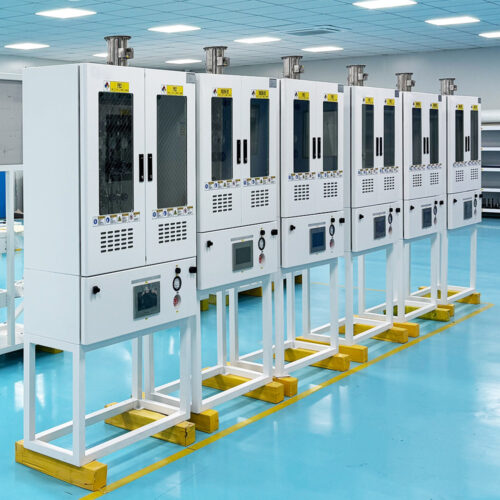
Ultra High Purity Gas Delivery Systems And Liquid Chemical Delivery Systems JW-300-LDS
-
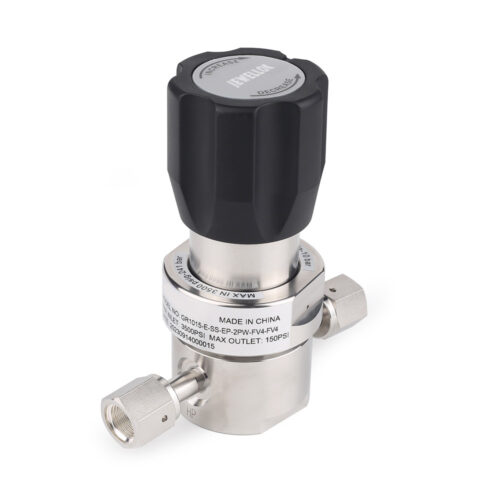
JR1000 Series UHP Ultra High Purity Single Stage Pressure Reducing Regulator And Low To Intermediate Flow
-
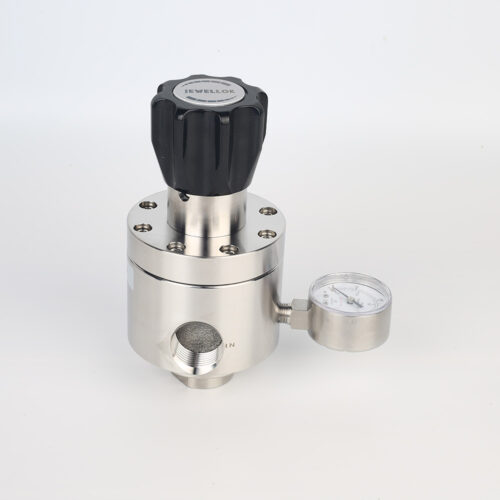
Low Pressure High Flow Line Pressure Regulators And Control Valves JSR-4L Series For Laboratory Pressure Control