
Regulator Manufacturer Tel: +86 13380377051
Regulator Manufacturer Tel: +86 13380377051
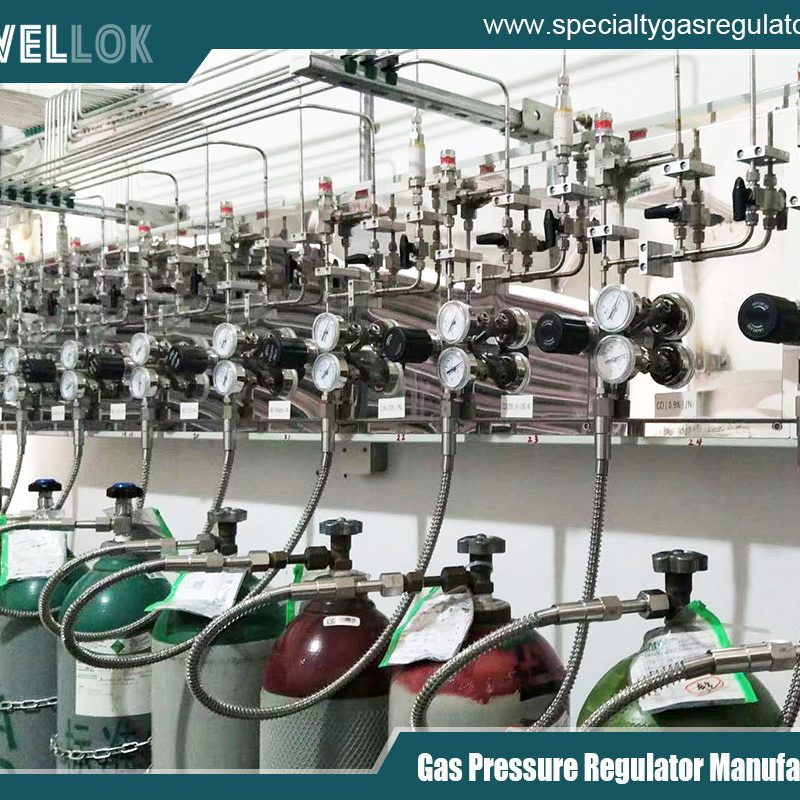
Medical Gas Valve Box with Alarm System: Functions and Advantages
In modern healthcare facilities, medical gas systems are essential infrastructure that directly support patient treatment, surgical procedures, intensive care operations, and emergency medical services. A reliable medical gas distribution system must ensure the continuous supply of oxygen, medical air, vacuum, nitrous oxide, carbon dioxide, and other specialty gases while maintaining strict safety standards.
Among the critical components of a hospital gas pipeline system, the medical gas valve box with an alarm system plays a vital role in controlling, monitoring, and protecting the gas supply network. Unlike traditional manual shut-off valve assemblies, advanced medical gas valve boxes integrate pressure monitoring, alarm functions, and safety control technologies to provide healthcare facilities with faster fault detection and improved operational reliability.
This article explains the structure, functions, working principles, and major advantages of medical gas valve boxes equipped with alarm systems, highlighting why they have become an essential solution for hospitals, clinics, and healthcare facilities worldwide.

What Is a Medical Gas Valve Box with Alarm System?
A medical gas valve box with alarm system is a specialized gas control unit installed within a hospital medical gas pipeline network. It combines isolation valves, pressure monitoring devices, sensors, alarm modules, and display systems into a compact enclosure.
The primary purpose of the valve box is to allow medical staff or maintenance engineers to safely shut off gas supplies in specific areas while continuously monitoring gas pressure conditions.
Typical applications include:
- Hospital wards
- Operating rooms
- Intensive care units (ICU)
- Emergency departments
- Dental clinics
- Laboratories
- Medical research facilities
A complete medical gas valve box usually includes:
- High-quality shut-off valves
- Pressure gauges or digital pressure sensors
- Low-pressure and high-pressure alarm devices
- Gas identification labels
- Pipeline connection ports
- Electrical alarm modules
- Protective stainless steel enclosure
The system provides both manual control capability and automatic safety monitoring, ensuring that medical gas distribution remains stable and secure.
Main Components of a Medical Gas Valve Box
1. Shut-Off Valves
The core component of a medical gas valve box is the isolation valve. These valves allow healthcare operators to stop gas flow in emergency situations or during maintenance.
Medical gas shut-off valves typically feature:
- Brass, stainless steel, or high-performance alloy construction
- High corrosion resistance
- Leak-tight sealing performance
- Easy manual operation
- Long service life
Common valve types include:
- Ball valves
- Diaphragm valves
- Needle valves
For high-purity medical gas applications, valves must minimize contamination risks and maintain reliable sealing performance under continuous operation.
2. Pressure Monitoring System
Stable gas pressure is critical for medical equipment performance. A sudden pressure drop or abnormal increase can affect ventilators, anesthesia machines, oxygen delivery equipment, and other life-support systems.
The pressure monitoring system continuously measures:
- Oxygen pipeline pressure
- Medical air pressure
- Vacuum pressure
- Nitrous oxide pressure
- Other medical gas parameters
Modern valve boxes may use:
- Mechanical pressure gauges
- Digital pressure transmitters
- Electronic pressure sensors
The monitoring system provides real-time information and helps medical personnel quickly identify abnormal conditions.
3. Alarm Module
The alarm system is one of the most important features of an advanced medical gas valve box.
When the gas pressure exceeds or falls below preset safety limits, the alarm system automatically activates visual and audible warnings.
Typical alarm functions include:
Low Pressure Alarm
A low-pressure condition may indicate:
- Gas supply interruption
- Pipeline leakage
- Empty gas cylinders
- Compressor system failure
The alarm alerts maintenance teams before the problem affects patient care.
High Pressure Alarm
Excessive pressure may damage medical equipment or create unsafe operating conditions.
The high-pressure alarm helps prevent:
- Equipment damage
- Pipeline stress
- Gas delivery instability
Fault Monitoring Alarm
Some advanced systems also monitor:
- Sensor failures
- Power supply problems
- Communication failures
This improves system reliability and reduces maintenance risks.
How Does a Medical Gas Valve Box Alarm System Work?
The operation process of a medical gas valve box with an alarm system is based on continuous monitoring and automatic warning.
The working principle includes several steps:
Step 1: Gas Flow Distribution
Medical gases enter the hospital pipeline system from the central gas supply station, including:
- Oxygen generators
- Gas cylinder manifolds
- Liquid oxygen tanks
- Medical air compressors
The gas travels through main pipelines toward different hospital areas.
Step 2: Pressure Detection
Inside the valve box, sensors continuously measure gas pressure levels.
The collected data is transmitted to:
- Local display panels
- Nurse stations
- Building management systems
- Central monitoring platforms
Step 3: Alarm Activation
When abnormal pressure conditions occur, the alarm controller compares actual pressure values with preset parameters.
If the pressure exceeds the allowed range:
- Audible alarms activate
- Warning lights turn on
- Monitoring systems receive notifications
This allows hospital staff to respond quickly.
Step 4: Manual Gas Isolation
During emergencies, maintenance, or pipeline repairs, authorized personnel can manually close the shut-off valve inside the valve box.
This enables:
- Local area isolation
- Emergency gas interruption
- Safe maintenance operations
Key Advantages of Medical Gas Valve Boxes with Alarm Systems
1. Enhanced Patient Safety
The most important advantage of an alarm-equipped medical gas valve box is improved patient safety.
Medical gas supply failures can create serious risks, especially in:
- Operating rooms
- ICUs
- Emergency treatment areas
Real-time monitoring allows healthcare providers to detect problems before they become critical.
The alarm system provides early warnings, helping medical teams maintain uninterrupted gas supply.
2. Real-Time Gas Pressure Monitoring
Traditional valve systems only provide manual shut-off functions. Operators must physically inspect gauges to identify pressure problems.
Modern alarm valve boxes provide continuous monitoring through sensors and electronic systems.
Benefits include:
- Faster fault detection
- Accurate pressure information
- Reduced manual inspection requirements
- Better system management
3. Improved Emergency Response
Hospitals operate 24 hours a day, and gas system failures can occur unexpectedly.
An integrated alarm system immediately informs:
- Medical engineers
- Facility managers
- Maintenance teams
This reduces response time and helps prevent extended interruptions.
4. Centralized Monitoring Capability
Advanced medical gas valve boxes can connect with hospital monitoring networks.
Through digital communication interfaces, operators can monitor:
- Gas pressure status
- Alarm history
- System performance
- Maintenance requirements
Integration with hospital building management systems improves overall facility management efficiency.
5. Higher Operational Reliability
Medical gas systems require extremely high reliability because they support critical medical equipment.
Alarm-equipped valve boxes improve reliability through:
- Continuous monitoring
- Automatic warning functions
- High-quality valve components
- Early fault identification
This reduces unexpected downtime and improves hospital operational stability.
6. Easy Maintenance and Service
Modern valve boxes are designed for convenient maintenance.
Features may include:
- Removable front panels
- Clearly labeled gas lines
- Accessible valve structures
- Modular alarm components
Maintenance engineers can quickly identify problems and perform repairs efficiently.
Applications in Healthcare Facilities
Hospitals
Hospitals are the largest users of medical gas valve boxes. They require multiple gas zones with independent control and monitoring.
Applications include:
- Patient rooms
- Operating theaters
- ICUs
- Recovery rooms
Dental Clinics
Dental facilities use medical gases for:
- Patient sedation
- Surgical procedures
- Equipment operation
Compact valve boxes provide safe and reliable gas management.
Laboratories
Medical research laboratories often require controlled gas supplies with accurate monitoring.
Alarm-equipped systems help maintain safe working conditions.
Important Design Considerations
When selecting a medical gas valve box with an alarm system, several factors should be considered.
Material Selection
Materials must provide:
- Corrosion resistance
- Long-term durability
- Clean surface performance
Common materials include:
- Stainless steel
- Copper alloys
- Medical-grade materials
Compliance with Standards
Medical gas systems must comply with international safety requirements, such as:
- HTM standards
- NFPA medical gas regulations
- ISO medical gas pipeline standards
Compliance ensures safe installation and reliable operation.
Alarm Accuracy
A high-quality alarm system should provide:
- Accurate pressure detection
- Fast response time
- Reliable signal transmission
- Clear warning indication
Valve Performance
The shut-off valve must provide:
- Zero or minimal leakage
- Smooth operation
- Long service life
- Reliable sealing
Future Development Trends of Medical Gas Valve Boxes
With the development of smart hospitals and digital healthcare infrastructure, medical gas valve boxes are becoming more intelligent.
Future trends include:
Smart IoT Monitoring
Internet-connected medical gas systems can provide:
- Remote monitoring
- Predictive maintenance
- Data analysis
- Automatic reporting
Digital Control Systems
Modern hospitals increasingly require digital platforms that integrate:
- Gas monitoring
- Equipment management
- Safety systems
Digital valve boxes will become an important part of intelligent hospital infrastructure.
Higher Safety Standards
Future medical gas systems will focus on:
- More sensitive sensors
- Faster alarm response
- Better cybersecurity protection
- Advanced fault prediction
Conclusion
A medical gas valve box with alarm system is a critical safety component for modern healthcare facilities. By combining shut-off valves, pressure monitoring technology, and intelligent alarm functions, it provides reliable control and protection for hospital medical gas networks.
Compared with traditional valve assemblies, alarm-equipped systems offer significant advantages, including improved patient safety, faster emergency response, real-time monitoring, easier maintenance, and higher operational reliability.
As hospitals continue to adopt smart infrastructure and advanced safety technologies, medical gas valve boxes with integrated alarm systems will play an increasingly important role in ensuring stable, efficient, and secure medical gas delivery.
For healthcare facilities seeking reliable medical gas management solutions, selecting a high-quality valve box with advanced alarm capabilities is an essential investment in safety, efficiency, and long-term system performance.
For more about medical gas valve box with alarm system: functions and advantages, you can pay a visit to Jewellok at https://www.specialtygasregulator.com/product-category/specialty-gas-cabinet/ for more info.
-
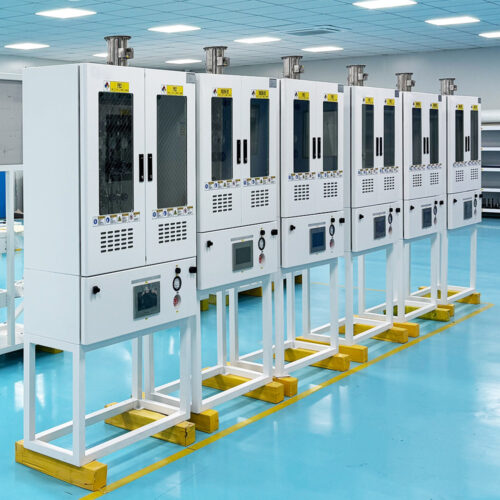
Ultra High Purity Gas Delivery Systems And Liquid Chemical Delivery Systems JW-300-LDS
-
Ultra High Purity Diaphragm Valves and Pressure Regulators for Reliable Ultra High Purity Liquid Chemical Handling Systems
-
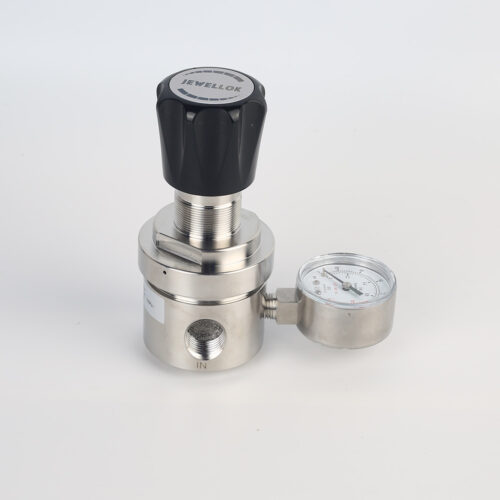
Line And Panel Mounting Adjustable Low Pressure Propane And Nitrogen Pressure Regulator JSR-3L & JSR-3LP Series
-
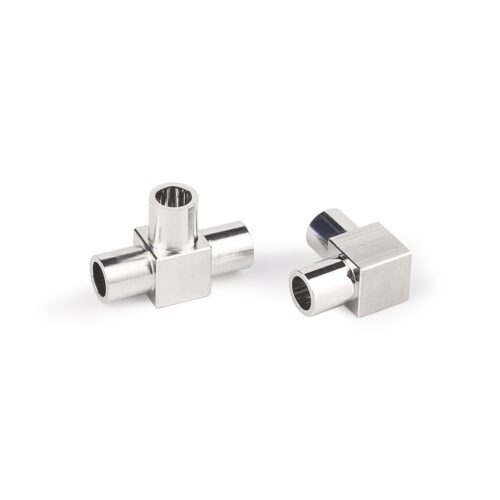
Stainless Steel Mini Elbow Mini Tee Mini Cross Mini Tribow Ultrahigh Purity Mini Butt Weld Fittings
-
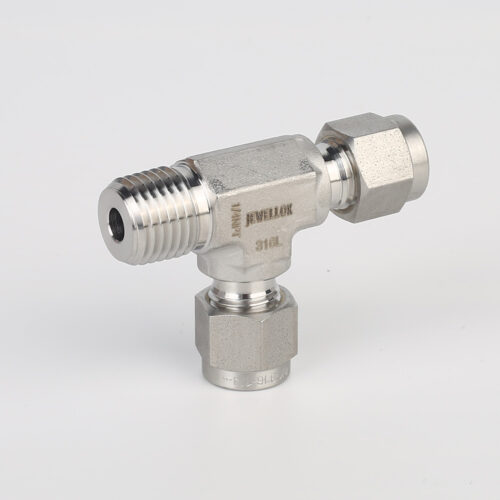
771L Male Run Tee | Stainless Steel High Quality High Purity Male Run Tee Branch Tee Pipe Fittings
-
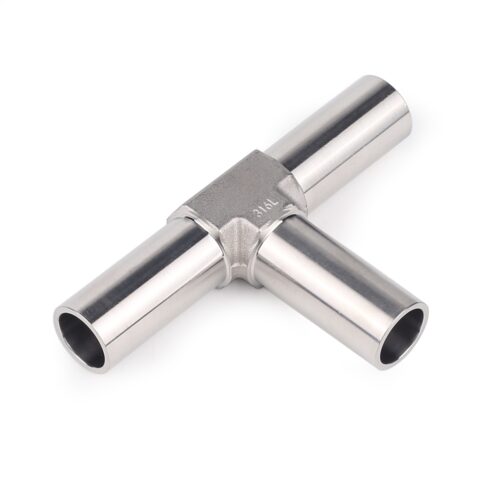
Stainless Steel Ultra Clean Welding Joint Fittings TW Series TRW Series & CW Series
-
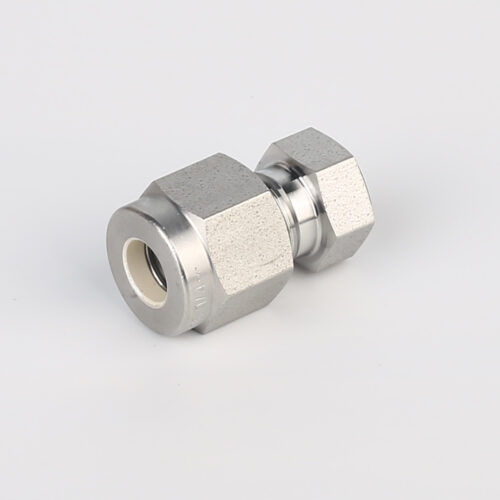
7108L Cylinder Cap Connectors For Ultra High Purity Gases
-
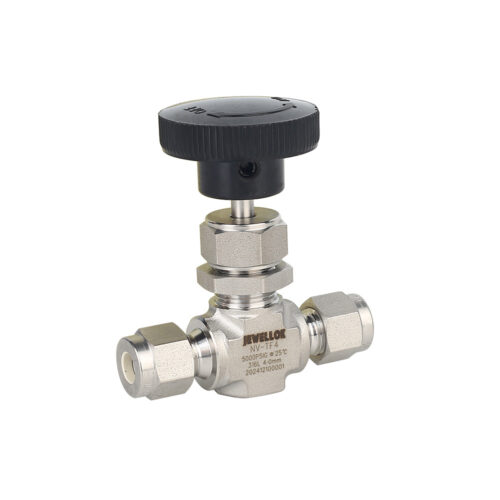
High Purity High Pressure Stainless Steel Needle Valve Natural Gas Flow Control Valve JNV Series