
Regulator Manufacturer Tel: +86 13380377051
Regulator Manufacturer Tel: +86 13380377051
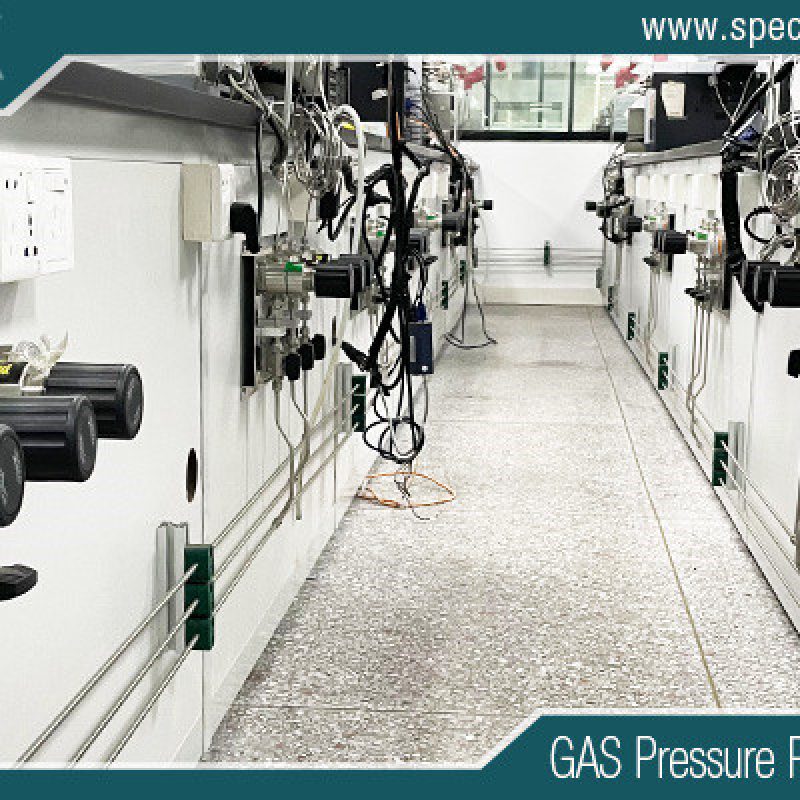
High Purity N2O Pressure Regulator for Semiconductor CVD and ALD Applications
Introduction
In advanced semiconductor manufacturing, process gases play a critical role in determining wafer quality, device performance, and production yield. Among these specialty gases, nitrous oxide (N₂O) has become an essential process gas widely used in Chemical Vapor Deposition (CVD) and Atomic Layer Deposition (ALD) applications for thin film formation, oxidation processes, and dielectric layer fabrication.
As semiconductor devices continue to shrink toward advanced technology nodes, the requirements for gas delivery systems have become increasingly demanding. Even extremely small levels of contamination, pressure fluctuation, or particle generation can negatively affect deposition uniformity and device reliability. Therefore, a high purity N₂O pressure regulator is a critical component designed to provide stable, precise, and contamination-free pressure control for semiconductor process equipment.
A semiconductor-grade N₂O pressure regulator must meet strict requirements, including ultra-high purity material selection, superior leak integrity, low particle generation, high pressure stability, and compatibility with corrosive or reactive gas environments. These advanced regulators are widely integrated into UHP gas delivery systems, gas cabinets, CVD equipment, ALD systems, and semiconductor fabrication facilities.
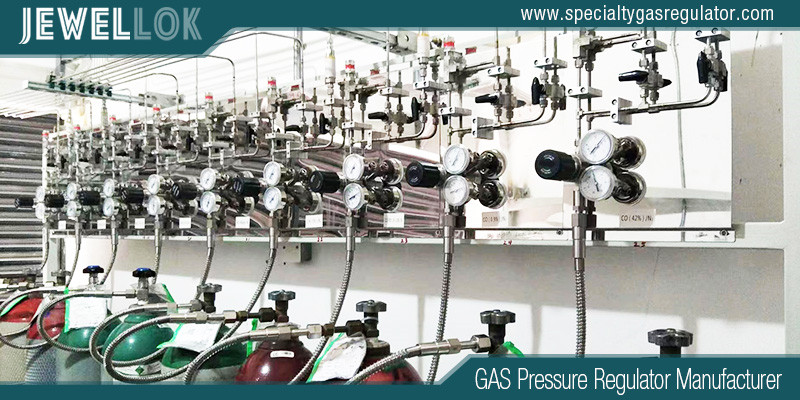
1. The Role of N₂O Gas in Semiconductor CVD and ALD Processes
Nitrous oxide (N₂O) is commonly used in semiconductor manufacturing due to its strong oxidation capability and chemical stability under controlled process conditions.
In CVD applications, N₂O is often used as an oxygen source or oxidizing agent during thin film deposition processes. It helps form materials such as:
- Silicon oxide (SiO₂)
- Silicon oxynitride (SiON)
- High-k dielectric films
- Metal oxide layers
During ALD processes, N₂O can serve as a reactive oxidant for precise layer-by-layer deposition. ALD technology requires extremely accurate gas pulse control because film thickness is controlled at the atomic scale.
Any instability in N₂O flow pressure can result in:
- Non-uniform film thickness
- Poor wafer-to-wafer consistency
- Increased defect density
- Reduced semiconductor device performance
Therefore, maintaining stable N₂O pressure delivery is essential for achieving high-quality deposition results.
A high-performance N₂O pressure regulator ensures that gas pressure remains constant from the gas source to the process chamber, allowing semiconductor manufacturers to maintain precise process control.
2. Why High Purity N₂O Pressure Regulators Are Required
Standard industrial pressure regulators are not suitable for semiconductor applications because they may introduce contamination sources such as:
- Metal particles
- Hydrocarbon residues
- Moisture
- Oxygen contamination
- Internal corrosion products
Semiconductor manufacturing requires extremely clean gas environments. The regulator is directly exposed to high-purity N₂O gas, meaning every internal surface has the potential to affect process quality.
A semiconductor-grade N₂O pressure regulator is specifically designed with:
Ultra-High Purity Materials
The wetted components are typically manufactured from:
- 316L stainless steel
- VIM-VAR stainless steel
- Electropolished stainless steel
- High-performance sealing materials
These materials provide excellent corrosion resistance and minimize metallic contamination.
High Surface Finish
Internal surfaces are commonly electropolished to achieve:
- Reduced particle adhesion
- Improved gas cleanliness
- Lower moisture adsorption
- Better purge performance
Typical semiconductor applications require internal surface roughness levels such as:
- Ra ≤ 0.25 μm
- Ra ≤ 0.13 μm for advanced UHP applications
Low Leakage Performance
A reliable N₂O pressure regulator must maintain extremely low leakage rates to prevent hazardous gas exposure and ensure process stability.
Advanced semiconductor regulators typically provide:
- Helium leak testing
- Metal diaphragm sealing
- Leak rates below semiconductor industry standards
3. Key Design Features of Semiconductor-Grade N₂O Regulators
3.1 Metal Diaphragm Technology
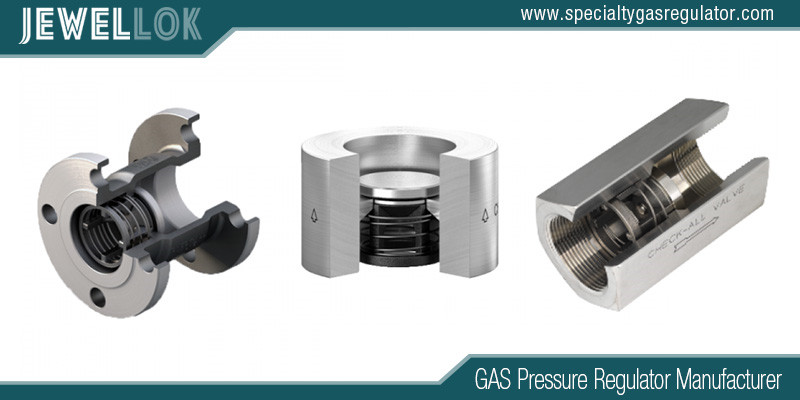
One of the most important features of a high purity N₂O regulator is the use of a metal diaphragm sensing mechanism.
Unlike conventional regulators using elastomer diaphragms, metal diaphragm designs provide:
- Zero contamination from rubber materials
- Better chemical compatibility
- Longer service life
- Improved pressure sensitivity
Common diaphragm materials include:
- 316L stainless steel
- Nickel-based alloys
- Cobalt-based superalloys
The diaphragm separates the sensing mechanism from the process gas, ensuring that gas purity is maintained.
3.2 Single-Stage and Two-Stage Pressure Regulation
Different semiconductor processes require different pressure control configurations.
Single-Stage Regulators
Single-stage regulators are commonly used when:
- Gas source pressure is relatively stable
- Simple pressure reduction is required
- Cost efficiency is important
Advantages:
- Compact structure
- Easy maintenance
- Fast response
Two-Stage Regulators
Two-stage pressure regulators provide superior outlet pressure stability.
They are preferred for:
- ALD systems
- Advanced CVD processes
- Critical semiconductor manufacturing
Advantages include:
- Reduced pressure fluctuation
- Better inlet pressure compensation
- Higher process repeatability
For advanced semiconductor fabs, two-stage high purity N₂O regulators are often the preferred solution.
4. Pressure Stability and Flow Control Performance
In semiconductor deposition processes, pressure stability directly affects gas flow accuracy.
A high-quality N₂O pressure regulator must provide:
Excellent Pressure Regulation Accuracy
Stable outlet pressure helps maintain:
- Consistent precursor reaction conditions
- Uniform film growth rates
- Repeatable wafer processing
Low Droop Characteristics
Pressure droop occurs when outlet pressure decreases as gas demand increases.
Advanced regulators minimize droop through:
- Optimized valve seat design
- Balanced valve structures
- Precision diaphragm sensing
Fast Response Time
During ALD cycles, gas pulses may occur within milliseconds. The regulator must respond quickly to pressure changes to maintain accurate gas delivery.
5. N₂O Pressure Regulator Applications in Semiconductor Equipment
High purity N₂O regulators are widely used in various semiconductor systems.
5.1 CVD Gas Delivery Systems
CVD equipment requires continuous and stable gas supply for deposition reactions.
N₂O regulators are installed in:
- Gas cabinets
- Gas panels
- Valve manifold boxes (VMB)
- Process equipment supply lines
They ensure accurate pressure control before gases enter the deposition chamber.
5.2 ALD Gas Delivery Systems
ALD processes require extremely precise gas management because each deposition cycle depends on accurate precursor dosing.
N₂O regulators support:
- Precise oxidant delivery
- Stable pulse pressure
- Improved film uniformity
- Reduced process variation
Applications include:
- Semiconductor logic devices
- Memory chips
- Thin-film transistors
- Advanced packaging technologies
5.3 Semiconductor Gas Cabinets
Gas cabinets provide safe storage and distribution of specialty gases.
An N₂O gas cabinet typically integrates:
- High purity pressure regulator
- Pneumatic valves
- Purge systems
- Pressure monitoring devices
- Gas detection systems
The pressure regulator serves as a critical control point between the gas cylinder and downstream process equipment.
6. Material Selection for N₂O Pressure Regulators
Material selection is essential because N₂O can react with unsuitable materials under certain operating conditions.
Typical semiconductor-grade regulator materials include:
316L Stainless Steel
Advantages:
- Excellent corrosion resistance
- High mechanical strength
- Semiconductor compatibility
- Easy electropolishing
VIM-VAR Stainless Steel
For ultra-high purity applications, vacuum melted stainless steel provides:
- Improved material consistency
- Reduced impurities
- Superior surface quality
Nickel-Based Alloys
Used for extreme chemical environments where enhanced corrosion resistance is required.
7. Safety Considerations for N₂O Gas Pressure Control
Although N₂O is widely used in semiconductor manufacturing, proper handling is essential.
A reliable pressure regulator improves safety by providing:
Leak Prevention
High integrity sealing reduces the possibility of hazardous gas leakage.
Stable Pressure Management
Controlled pressure prevents:
- Equipment damage
- Process interruption
- Gas delivery instability
Reliable Purging
High purity regulators support efficient purge cycles, reducing cross-contamination between gases.
8. How to Select the Right N₂O Pressure Regulator for Semiconductor Applications
When selecting an N₂O regulator, semiconductor engineers should consider several important parameters.
Gas Compatibility
Confirm that all wetted materials are compatible with N₂O service.
Purity Requirements
Choose regulators designed for:
- Semiconductor-grade gases
- UHP gas delivery systems
- Cleanroom environments
Pressure Range
Consider:
- Cylinder pressure
- Required outlet pressure
- Process chamber requirements
Flow Rate
The regulator should match the required gas consumption rate.
Connection Type
Common semiconductor connections include:
- VCR fittings
- UHP welded connections
- High purity tube fittings
Surface Treatment
For advanced semiconductor applications, electropolished surfaces are recommended.
9. Advantages of Using High Purity N₂O Pressure Regulators
Using a semiconductor-grade N₂O pressure regulator provides several benefits:
Improved Process Stability
Stable gas pressure improves deposition repeatability.
Higher Wafer Yield
Reduced contamination leads to fewer defects and higher production efficiency.
Longer Equipment Lifetime
Premium materials reduce corrosion and maintenance requirements.
Better Cleanroom Compatibility
Low particle generation supports advanced semiconductor manufacturing environments.
Enhanced Safety
Reliable pressure control reduces operational risks.
10. Future Development Trends of N₂O Pressure Control Technology
As semiconductor technology advances toward smaller process nodes, gas delivery requirements will continue to increase.
Future N₂O pressure regulators will focus on:
Higher Purity Standards
Advanced fabs require even lower contamination levels.
Smart Monitoring
Integration with:
- Pressure sensors
- Digital communication systems
- Automated process control
will enable real-time monitoring.
Compact Gas Delivery Design
Modern semiconductor equipment requires smaller and more efficient gas control components.
Improved Reliability
Longer maintenance intervals and higher durability will become increasingly important.
Conclusion
A high purity N₂O pressure regulator for semiconductor CVD and ALD applications is a critical component for achieving precise, reliable, and contamination-free gas delivery. With advanced metal diaphragm technology, ultra-high purity materials, superior sealing performance, and precise pressure control capabilities, these regulators ensure stable operation in demanding semiconductor manufacturing environments.
For CVD and ALD processes, where even minor variations can impact film quality and device performance, selecting the right N₂O pressure regulator is essential. Semiconductor manufacturers and equipment suppliers should prioritize regulators designed specifically for UHP gas applications, featuring electropolished 316L stainless steel construction, low leakage performance, and excellent pressure stability.
As semiconductor processes continue to evolve, high-performance N₂O pressure regulators will remain a fundamental technology supporting next-generation chip manufacturing, advanced deposition systems, and high-yield semiconductor production.
For more about high purity N2O pressure regulator for semiconductor CVD and ALD applications, you can pay a visit to Jewellok at https://www.specialtygasregulator.com/product-category/specialty-gas-cabinet/ for more info.
-
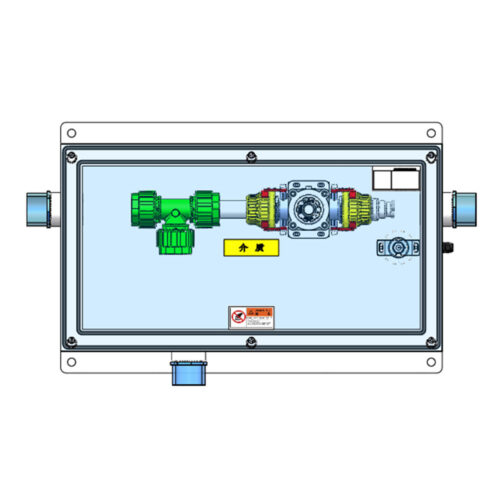
T-BOX JW-TB-C Special Gas Delivery System Gas Valve Manifold Boxes
-
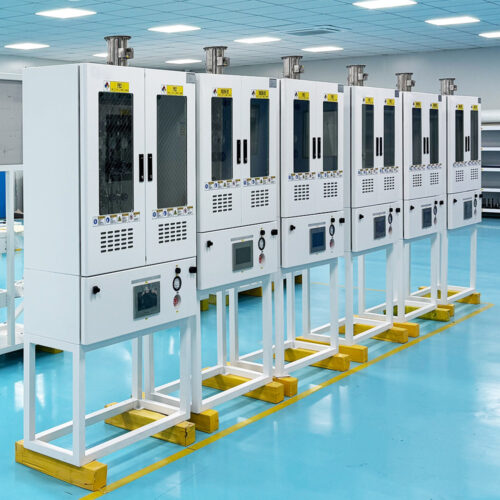
Custom Wet and Dry Exhaust Gas Scrubber System Technology for Effective Acid Gas Neutralization
-
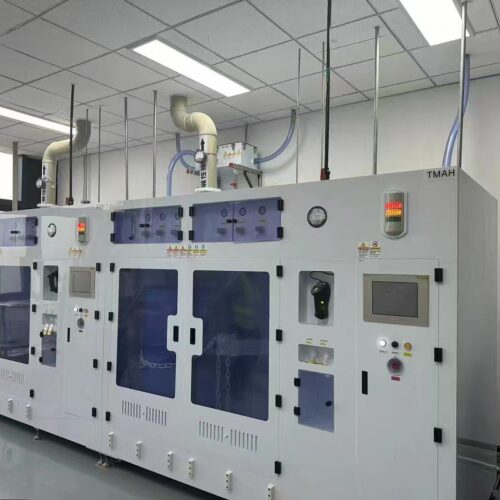
Vertical Laminar Flow Workstation (VLF) With Chemical Concentration Monitor
-
Ultra High Purity Gas Delivery Systems And Liquid Chemical Delivery Systems JW-300-LDS
-
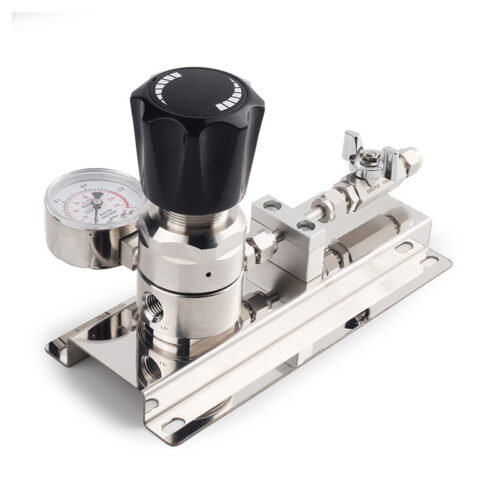
Ultra High Purity 316L Var Stainless Steel Compressed Gas Changeover Manifold Panel System For Integrated Gas Supply System
-
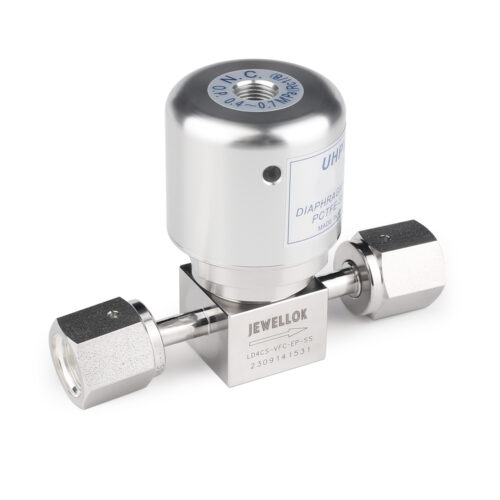
Stainless Steel Low Pressure Seal Pneumatic Diaphragm Control Valve For For HP & UHP Gases
-
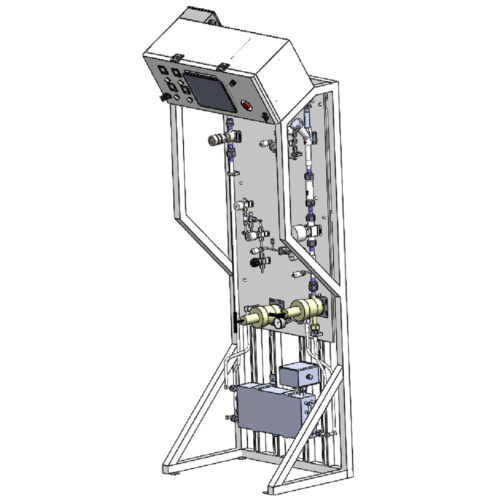
Fully Automated Gas Cabinet Gas Rack Gas Delivery Systems JW-300-GR
-
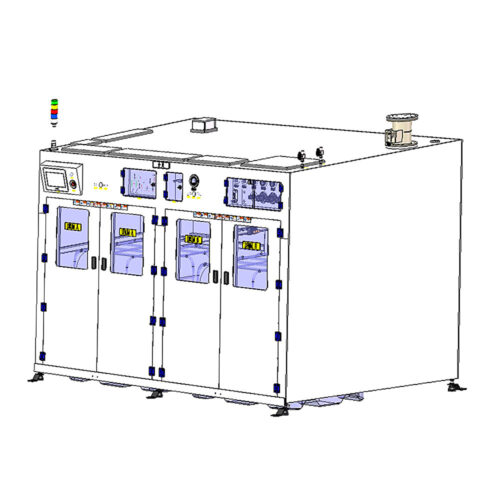
High Purity Chemical Dispense System & Packing System For Semiconductors JW-200L-CDM & JW-1000L-CDM