
Regulator Manufacturer Tel: +86 13380377051
Regulator Manufacturer Tel: +86 13380377051
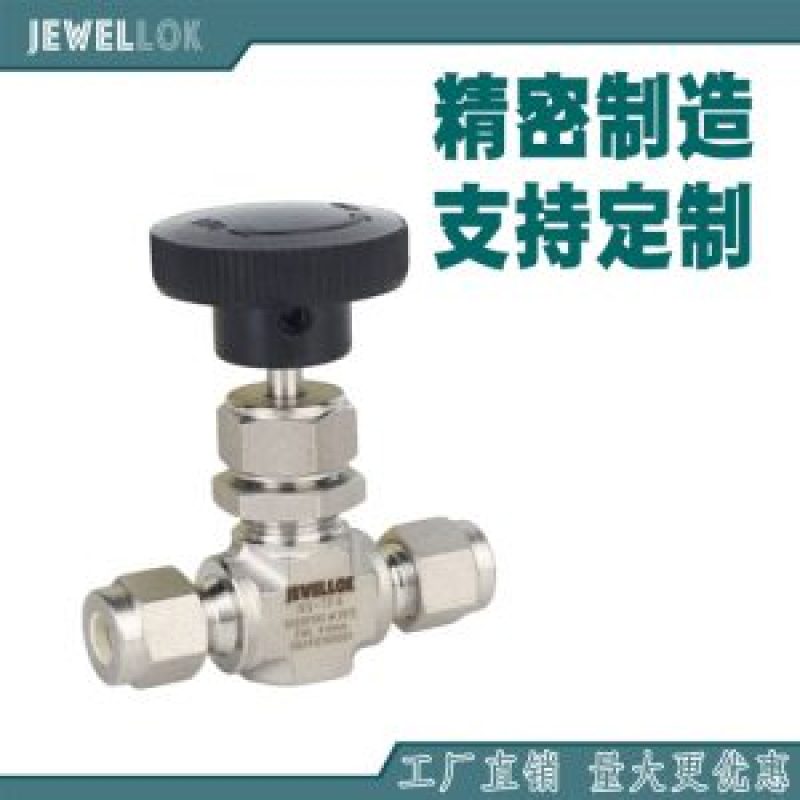
Needle Valve vs Ball Valve: Key Differences and Selection Guide
Valves are essential components in industrial fluid and gas control systems, playing a critical role in regulating flow, isolating pipelines, and ensuring safe operation. Among the many valve types available, needle valves and ball valves are two widely used solutions for precision control and shut-off applications. Although both valves can control fluid flow, they are designed with different operating principles, structures, and performance characteristics.
Choosing between a needle valve and a ball valve depends on various factors, including flow control requirements, pressure conditions, media characteristics, system design, and application environment. Needle valves are known for their excellent flow adjustment capability, while ball valves are preferred for fast shut-off, high flow capacity, and reliable sealing performance.
This article provides a detailed comparison of needle valves vs ball valves, explaining their key differences, advantages, limitations, and selection guidelines for industrial, semiconductor, chemical, laboratory, and high-purity gas applications.
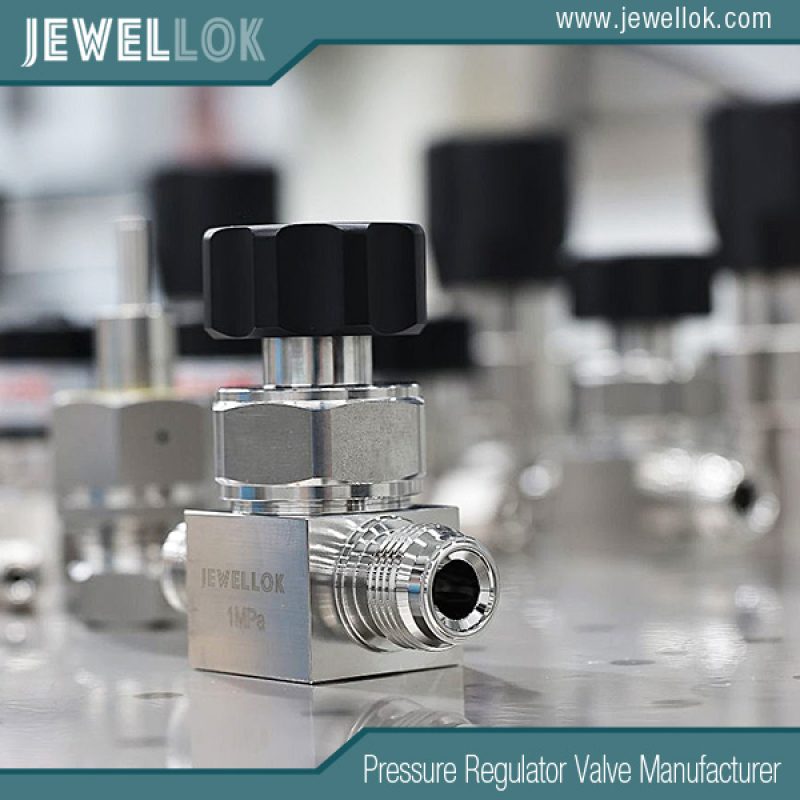
What Is a Needle Valve?
A needle valve is a precision flow control valve that uses a slender, tapered needle-like plunger to regulate the flow rate through a small orifice. By rotating the valve handle, the needle moves vertically into or away from the valve seat, allowing extremely accurate control of fluid or gas flow.
The unique design of the needle and seat enables very fine adjustments, making needle valves ideal for applications where precise flow regulation is required.
Structure of a Needle Valve
A typical needle valve consists of:
- Valve body
- Tapered needle stem
- Valve seat
- Bonnet assembly
- Packing system
- Handwheel or actuator
The needle tip gradually changes the opening area, allowing operators to achieve precise flow adjustment. This design minimizes sudden pressure changes and provides excellent throttling performance.
Common Applications of Needle Valves
Needle valves are commonly used in:
- Semiconductor gas delivery systems
- Ultra-high purity (UHP) gas systems
- Laboratory instrumentation
- Pressure control panels
- Chemical processing equipment
- Hydraulic systems
- Calibration equipment
- Sampling systems
- Analytical instruments
In semiconductor manufacturing, high precision needle valves are often used for controlling specialty gases, process gases, and calibration gases where accurate flow adjustment and contamination control are critical.
What Is a Ball Valve?
A ball valve is a quarter-turn valve that uses a rotating spherical ball with a drilled passage to control fluid flow. When the hole in the ball aligns with the pipeline, the valve opens. When the ball rotates 90 degrees, the solid side blocks the flow path, closing the valve.
Ball valves are widely recognized for their simple structure, fast operation, and excellent shut-off capability.
Structure of a Ball Valve
A standard ball valve includes:
- Valve body
- Rotating ball
- Stem
- Valve seats
- Seals
- Handle or actuator
The ball rotates between two sealing seats, creating a tight shut-off with minimal leakage.
Common Applications of Ball Valves
Ball valves are widely used in:
- Industrial pipelines
- Chemical processing systems
- Water treatment systems
- Oil and gas industries
- Semiconductor gas distribution
- Pharmaceutical equipment
- Vacuum systems
- High-pressure gas systems
For high-purity applications, UHP 316L stainless steel ball valves with low surface roughness and high-quality sealing systems are often selected to reduce contamination risks and maintain system reliability.
Needle Valve vs Ball Valve: Working Principle Comparison
The primary difference between needle valves and ball valves lies in their operating mechanism.
Needle Valve Operation
Needle valves control flow by changing the size of a small opening between the needle and valve seat. The operator can make gradual adjustments, allowing precise control over flow rate.
The relationship between handle movement and flow change is relatively gradual, making needle valves suitable for applications requiring accurate regulation.
Ball Valve Operation
Ball valves control flow by rotating a ball with a bore inside. The valve typically operates in two positions:
- Fully open
- Fully closed
Although some ball valves can provide limited throttling, they are mainly designed for isolation rather than precise flow control.
Key Differences Between Needle Valve and Ball Valve
1. Flow Control Accuracy
Needle Valve
Needle valves provide superior flow control accuracy because the tapered needle allows very small adjustments. Operators can precisely regulate flow rates, making them suitable for instrumentation and process control.
Advantages:
- Fine flow adjustment
- Excellent throttling capability
- Stable low-flow control
- Reduced pressure fluctuation
Ball Valve
Ball valves provide fast opening and closing but offer limited precision adjustment.
Advantages:
- Quick operation
- Simple control
- Reliable shut-off
However, partially opening a ball valve for extended periods may cause turbulence, vibration, and premature wear.
Winner: Needle valve for precision flow control.
2. Shut-Off Performance
Needle Valve
Needle valves can provide good sealing performance, especially in low-flow systems. However, because their design focuses on regulation, they are not always the best choice for frequent on/off isolation.
Ball Valve
Ball valves are widely recognized for excellent shut-off performance. The full-port design provides minimal leakage and reliable sealing even under high-pressure conditions.
Winner: Ball valve for isolation applications.
3. Flow Capacity
Needle Valve
Due to the small internal opening, needle valves generally have lower flow capacity. They are designed for controlled flow rather than maximum flow.
Ball Valve
Ball valves typically provide a larger flow passage, especially full-port designs. This results in:
- Lower pressure drop
- Higher flow capacity
- Improved system efficiency
Winner: Ball valve for high-flow applications.
4. Operating Speed
Needle Valve
Needle valves require multiple rotations to fully open or close. This allows precise control but results in slower operation.
Ball Valve
Ball valves use a quarter-turn mechanism, allowing rapid operation.
A handle rotation of approximately 90 degrees can completely open or close the valve.
Winner: Ball valve for fast operation.
5. Pressure and Temperature Capability
Both needle valves and ball valves can be manufactured for demanding pressure and temperature conditions.
However, selection depends on design and materials.
Needle valves are commonly used in:
- High-pressure instrumentation systems
- Gas control applications
- Calibration equipment
Ball valves are widely used in:
- High-pressure pipelines
- Process industries
- Large-scale gas systems
For extreme environments, materials such as:
- 316 stainless steel
- Hastelloy
- Monel
- Special alloys
may be selected depending on the media.
6. Contamination Control and Cleanliness
For semiconductor and pharmaceutical industries, contamination control is a major concern.
Needle Valve Advantages
High-purity needle valves can be manufactured with:
- Electropolished internal surfaces
- Low dead volume designs
- Metal-to-metal sealing
- UHP cleaning processes
These features help minimize particle generation and gas contamination.
Ball Valve Advantages
High-purity ball valves can also provide excellent cleanliness when manufactured with:
- 316L stainless steel bodies
- Precision polishing
- High-integrity seals
- Leak-tested assemblies
However, some traditional ball valve designs may have larger internal cavities that can trap particles.
Winner: Depends on design. UHP needle valves are preferred for precision gas control, while UHP ball valves are preferred for isolation.
Advantages and Disadvantages Comparison
| Feature | Needle Valve | Ball Valve |
|---|---|---|
| Flow adjustment | Excellent | Limited |
| Shut-off capability | Good | Excellent |
| Flow capacity | Low | High |
| Operation speed | Slow | Fast |
| Pressure drop | Higher | Lower |
| Structure | Complex | Simple |
| Maintenance | Moderate | Low |
| Cost | Higher for precision models | Generally economical |
| Best application | Precise control | Isolation and high flow |
How to Select Between Needle Valve and Ball Valve?
Choosing the correct valve requires evaluating several factors.
1. Determine the Main Function
Ask:
Do you need precise adjustment or simple shut-off?
Choose a needle valve if:
- Flow rate must be accurately controlled
- System requires fine adjustment
- Low flow stability is important
Choose a ball valve if:
- Rapid isolation is required
- Full flow capacity is needed
- Frequent operation is expected
2. Consider the Media Type
Different fluids and gases require different valve materials.
For corrosive chemicals:
- PTFE sealing
- Hastelloy materials
- Special corrosion-resistant alloys
may be required.
For ultra-high purity gases:
- Electropolished 316L stainless steel
- Low leakage design
- UHP cleaning
are important considerations.
3. Evaluate Pressure Requirements
High-pressure applications require valves designed with appropriate pressure ratings.
Needle valves are often selected for:
- Pressure instrumentation
- Gas regulation
- Sampling systems
Ball valves are often selected for:
- Pipeline isolation
- High-pressure gas transport
- Process equipment
4. Consider Maintenance Requirements
Ball valves usually require less maintenance because of their simple quarter-turn structure.
Needle valves may require more attention due to:
- Fine mechanical components
- Packing systems
- Precision adjustment mechanisms
However, in precision applications, their performance advantages often justify the additional maintenance requirements.
Needle Valve and Ball Valve Applications in Semiconductor Industry
The semiconductor industry requires extremely clean and reliable valve solutions because even microscopic contamination can affect production yield.
Needle Valves in Semiconductor Systems
Needle valves are commonly used in:
- Gas flow control panels
- Specialty gas systems
- Chemical delivery systems
- Pressure regulation systems
They provide precise control of:
- Flow rate
- Gas pressure
- Process stability
Ball Valves in Semiconductor Systems
High-purity ball valves are used for:
- Gas line isolation
- Equipment maintenance
- Process gas distribution
- Utility systems
UHP ball valves manufactured from 316L stainless steel are designed to meet demanding semiconductor requirements, including:
- High leak integrity
- Corrosion resistance
- Low particle generation
- Long service life
Conclusion: Which Valve Should You Choose?
Both needle valves and ball valves have important roles in industrial fluid and gas systems.
A needle valve is the better choice when precision flow control, accurate adjustment, and stable low-flow performance are required. It is widely used in instrumentation, semiconductor gas systems, laboratory equipment, and chemical control applications.
A ball valve is the better choice when fast shut-off, high flow capacity, and reliable isolation are the main priorities. It is commonly used in industrial pipelines, gas distribution systems, and process equipment.
The best valve selection depends on the specific application requirements, including flow control accuracy, pressure rating, media compatibility, cleanliness requirements, and operating conditions.
For advanced industries such as semiconductor manufacturing, pharmaceutical processing, and high-purity chemical systems, selecting a professionally engineered valve solution with suitable materials, sealing technology, and manufacturing standards is essential for achieving safe, reliable, and efficient operation.
For more about needle valve vs ball valve: key differences and selection guide, you can pay a visit to Jewellok at https://www.specialtygasregulator.com/product-category/specialty-gas-cabinet/ for more info.
-
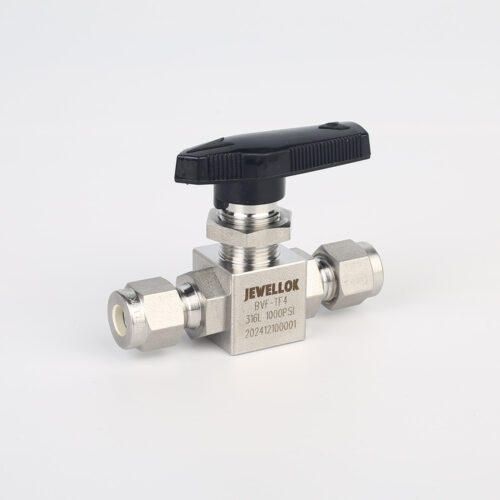
Stainless Steel High Purity High Temperature Pneumatic Actuated Ball Valves JBV2 Series
-
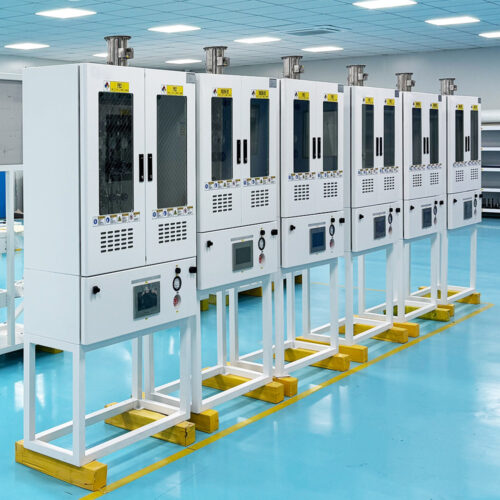
Corrosion Resistant 316L Stainless Steel Exhaust Gas Scrubber System for Harsh Chemical Process Environments
-
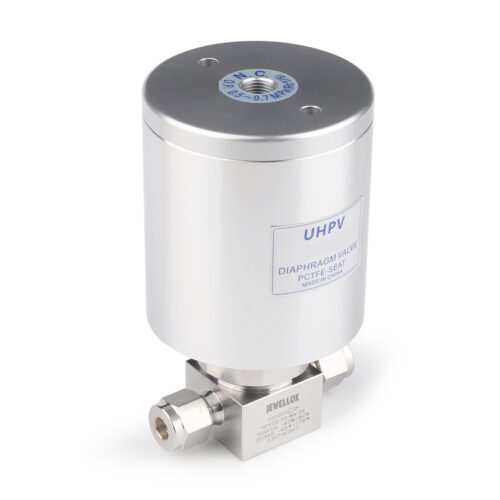
High Pressure High Temperature Pneumatic Ultrahigh Purity Stainless Steel Diaphragm Valves
-
UHP Liquid Chemical Delivery Systems with Nitrogen Blanketing and Secondary Containment for Hazardous Industrial Chemical Processing
-
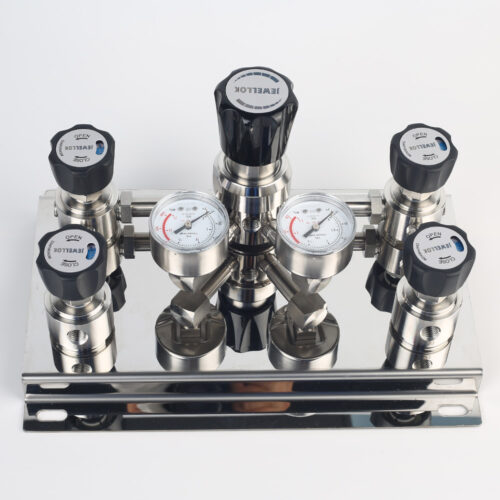
Single Stage Wall And Cabinet Mounting Pressure Control Panels JSP-2E Series For High Purity Gases
-
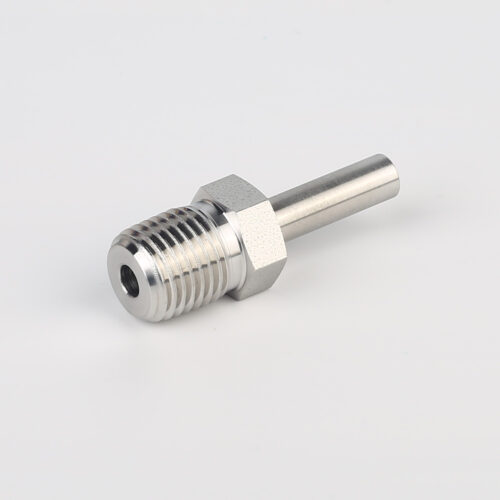
739 High Purity LMR Male Adapter Tube To Pipe Fittings And Adapters
-
T-BOX JW-TB-C Special Gas Delivery System Gas Valve Manifold Boxes
-
Integrated Gas Delivery Solutions with VMB Valve Manifold Box and Automatic Gas Switchover Systems for Industrial