
Regulator Manufacturer Tel: +86 13380377051
Regulator Manufacturer Tel: +86 13380377051
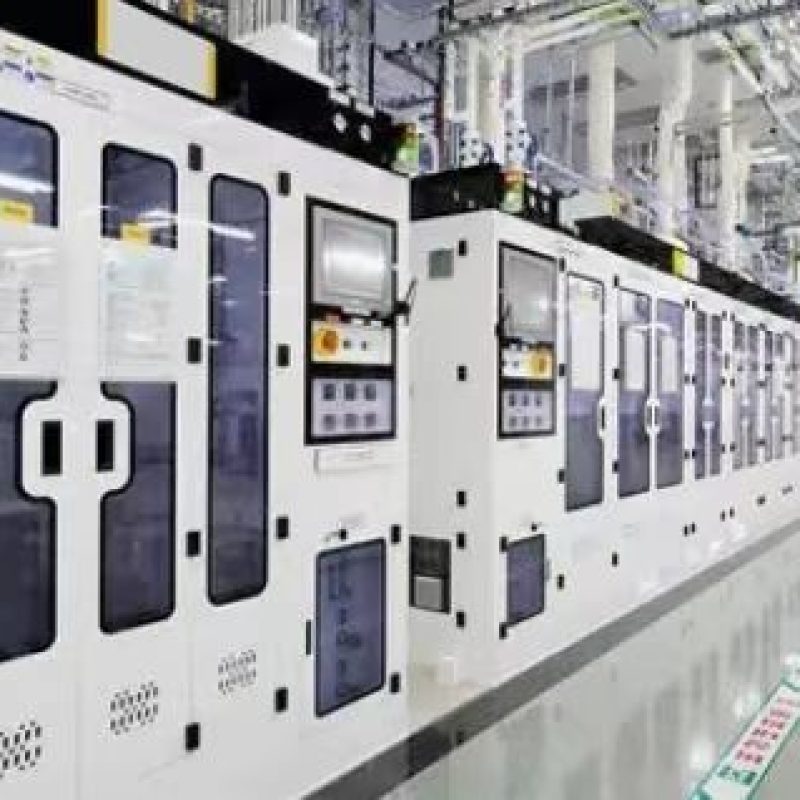
How Gas Treatment Systems Improve Industrial Emission Control Efficiency
Industrial development has significantly increased the demand for manufacturing, energy production, chemical processing, and material transformation. However, these industries also generate large amounts of exhaust gases containing hazardous pollutants, volatile organic compounds (VOCs), acidic gases, toxic chemicals, and particulate contaminants. Without effective treatment solutions, industrial emissions can negatively impact air quality, human health, equipment reliability, and environmental sustainability.
A gas treatment system is an advanced engineering solution designed to capture, neutralize, separate, and remove harmful components from industrial exhaust streams before they are released into the atmosphere. By integrating technologies such as scrubbers, adsorption systems, thermal oxidation, filtration units, and intelligent monitoring controls, modern gas treatment systems significantly improve emission control efficiency while helping industries comply with increasingly strict environmental regulations.
This article explains how gas treatment systems enhance industrial emission control efficiency, their major technologies, key applications, and the advantages they provide for modern manufacturing facilities.
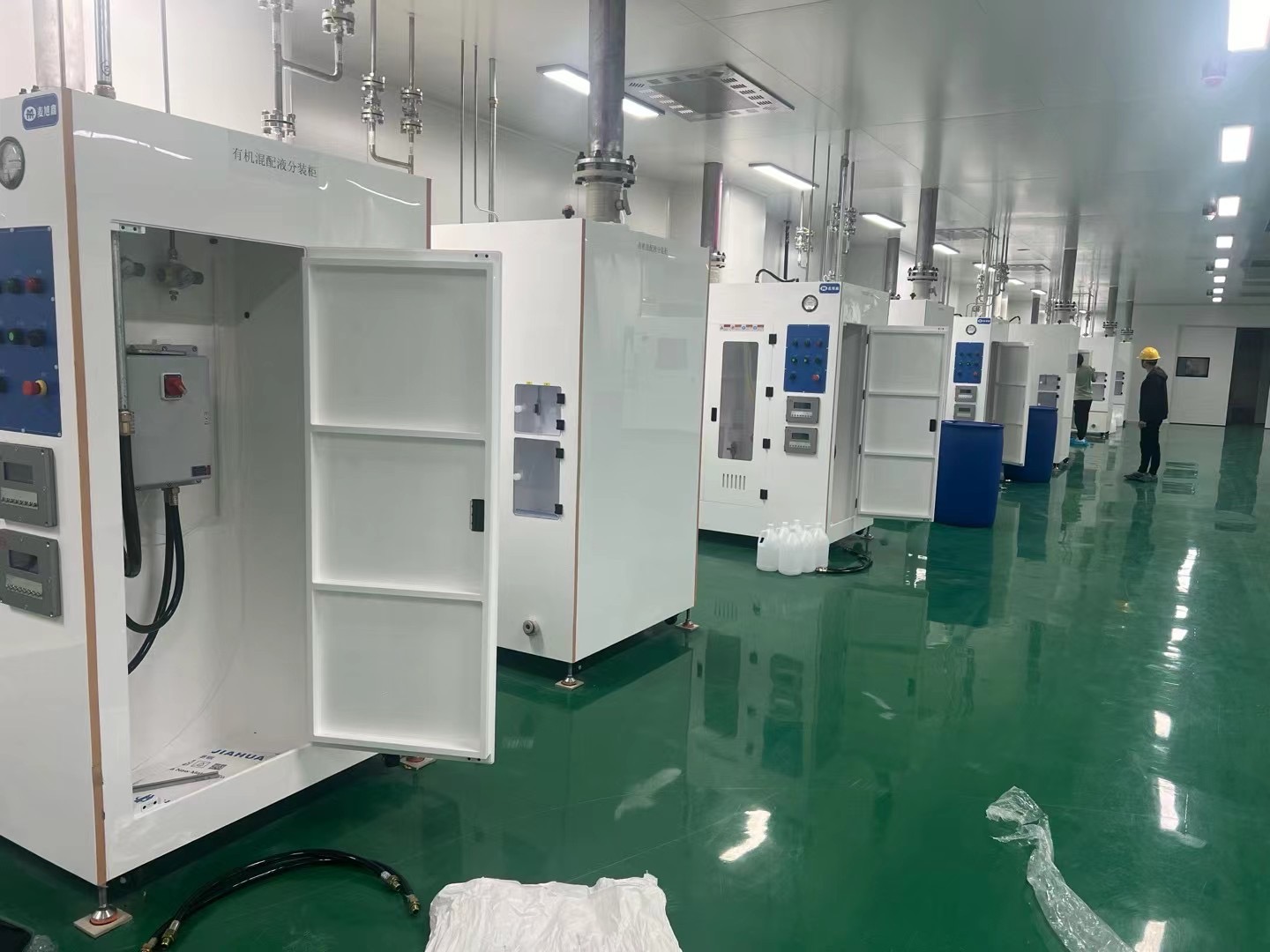
1. Understanding Industrial Gas Emission Challenges
Industrial processes produce different types of exhaust gases depending on the raw materials, production methods, and operating conditions. Common emission sources include semiconductor manufacturing, chemical production, pharmaceutical processing, metal fabrication, energy generation, and wastewater treatment.
Typical industrial pollutants include:
Acidic Gases
Acid gases such as hydrochloric acid (HCl), hydrogen fluoride (HF), sulfur dioxide (SO₂), and nitrogen oxides (NOx) are highly corrosive and harmful to both equipment and the environment. These gases are commonly generated during chemical reactions, semiconductor etching, and combustion processes.
Volatile Organic Compounds (VOCs)
VOCs are carbon-based chemical compounds that evaporate easily into the atmosphere. They are widely found in coatings, solvents, adhesives, printing processes, and chemical manufacturing. VOC emissions contribute to ozone formation and create health risks for workers.
Toxic and Hazardous Gases
Many industrial facilities use specialty chemicals and gases that require advanced treatment before discharge. Semiconductor fabrication, for example, produces exhaust containing fluorinated gases, silane compounds, and other hazardous substances.
Particulate Matter and Aerosols
Industrial exhaust may contain dust particles, metal particles, chemical mist, or liquid droplets. These contaminants can reduce air quality and damage downstream equipment if not properly removed.
Because industrial emissions vary significantly in composition, temperature, pressure, and flow rate, selecting the right gas treatment system is critical for achieving high removal efficiency.
2. The Role of Gas Treatment Systems in Emission Control
A gas treatment system improves emission control efficiency by applying multiple treatment processes to remove pollutants from exhaust streams. Unlike traditional ventilation systems that simply discharge gases outdoors, advanced treatment solutions actively reduce pollutant concentration before release.
The main functions include:
2.1 Pollutant Capture and Removal
The first step in emission control is capturing contaminated gas from the production process. Efficient gas collection systems use optimized duct design, pressure control, and airflow management to ensure pollutants are transferred into the treatment unit without leakage.
Proper gas capture improves overall system performance because untreated emissions cannot escape into the workplace environment.
2.2 Chemical Neutralization
Many hazardous gases require chemical reactions to convert them into harmless compounds.
For example, wet scrubber systems use alkaline solutions to neutralize acidic gases. When contaminated gas passes through the scrubbing liquid, chemical reactions remove pollutants and produce safer byproducts.
This technology is widely used for:
- Semiconductor process exhaust
- Chemical manufacturing plants
- Pharmaceutical facilities
- Metal surface treatment industries
2.3 Thermal Destruction
Some pollutants cannot be removed through simple filtration or absorption. Thermal oxidation technology destroys VOCs and combustible gases by using high temperatures to break complex molecules into carbon dioxide and water vapor.
Regenerative thermal oxidizers (RTOs) and catalytic oxidizers are commonly used in industries requiring high VOC removal efficiency.
2.4 Adsorption and Filtration
Adsorption systems use materials such as activated carbon, molecular sieves, or specialized media to capture pollutants on the surface of adsorbent materials.
Filtration technologies remove particles, aerosols, and chemical mist from industrial exhaust streams.
These systems are particularly effective for:
- Solvent recovery
- Chemical vapor removal
- Fine particle control
- Laboratory exhaust treatment
3. Key Technologies Used in Modern Gas Treatment Systems
Modern industrial gas treatment solutions combine different technologies to achieve higher efficiency and reliability.
3.1 Wet Scrubber Systems
Wet scrubbers are among the most widely used gas treatment technologies. They remove pollutants by contacting contaminated gas with liquid solutions.
Depending on the application, wet scrubbers can be designed as:
- Packed bed scrubbers
- Spray tower scrubbers
- Venturi scrubbers
- Chemical absorption scrubbers
Advantages include:
- High removal efficiency for acid gases
- Ability to handle high-temperature exhaust
- Suitable for corrosive environments
- Continuous operation capability
For semiconductor and chemical industries, customized scrubber systems are often designed using corrosion-resistant materials such as stainless steel, PTFE, and specialized polymers.
3.2 Dry Gas Treatment Systems
Dry treatment technologies remove pollutants without liquid chemicals. They are often used where water contamination must be avoided.
Common methods include:
- Dry adsorption
- Solid chemical reaction systems
- Molecular filtration
Benefits include:
- Lower wastewater generation
- Reduced maintenance requirements
- Compact equipment design
Dry systems are especially suitable for specialty gas applications and cleanroom environments.
3.3 Thermal Oxidation Systems
Thermal oxidation provides efficient destruction of organic pollutants.
The process involves heating exhaust gases to high temperatures where VOC molecules are oxidized into less harmful substances.
Advantages:
- High VOC destruction efficiency
- Suitable for continuous industrial operation
- Effective for complex organic compounds
Industries such as automotive painting, electronics manufacturing, and chemical processing often rely on thermal oxidation technology.
3.4 Plasma and Advanced Oxidation Technologies
Emerging gas treatment technologies use plasma energy or advanced oxidation processes to break down difficult pollutants.
These systems are increasingly applied in:
- Semiconductor manufacturing
- High-tech electronics production
- Specialty chemical industries
They provide efficient treatment for challenging gases that traditional methods cannot easily remove.
4. How Gas Treatment Systems Improve Efficiency
4.1 Higher Pollutant Removal Rates
The primary advantage of advanced gas treatment systems is their ability to achieve high removal efficiency.
Modern systems can be engineered to target specific pollutants, achieving optimized performance compared with general-purpose filtration equipment.
For example:
- Scrubbers efficiently remove acidic gases
- Activated carbon systems capture VOCs
- Thermal oxidizers destroy organic compounds
- Filters remove particles and aerosols
Combining multiple technologies creates a comprehensive emission control solution.
4.2 Intelligent Monitoring and Automation
Modern gas treatment systems increasingly integrate smart control technologies, including:
- PLC control systems
- Gas concentration sensors
- Flow monitoring
- Pressure control
- Remote monitoring platforms
These intelligent features allow operators to monitor system performance in real time and automatically adjust operating parameters.
Benefits include:
- Improved treatment stability
- Reduced energy consumption
- Early fault detection
- Lower maintenance costs
4.3 Energy Efficiency Optimization
Traditional emission control systems often consume large amounts of energy. Modern designs focus on reducing operating costs through:
- Heat recovery systems
- Variable-speed fans
- Optimized airflow control
- High-efficiency components
Energy-efficient gas treatment systems help companies achieve environmental goals while reducing production expenses.
4.4 Improved Equipment Protection
Industrial exhaust gases can be highly corrosive and damaging to production equipment.
Effective gas treatment systems remove harmful chemicals before they reach downstream components, extending equipment lifetime and reducing unexpected downtime.
This is particularly important in industries requiring ultra-clean environments, such as semiconductor manufacturing and pharmaceutical production.
5. Industrial Applications of Gas Treatment Systems
Semiconductor Manufacturing
Semiconductor fabs require extremely precise emission control because production processes involve hazardous specialty gases.
Gas treatment systems are used for:
- Etching exhaust treatment
- Chemical vapor deposition (CVD) exhaust control
- Fluorinated gas removal
- Cleanroom safety protection
High-performance systems ensure environmental compliance while maintaining manufacturing reliability.
Chemical Processing Industry
Chemical plants generate complex exhaust streams containing VOCs, acid gases, and toxic compounds.
Gas treatment solutions help:
- Reduce chemical emissions
- Protect workers
- Improve regulatory compliance
- Increase operational safety
Pharmaceutical Manufacturing
Pharmaceutical facilities require strict control of chemical vapors and solvent emissions.
Gas treatment systems provide:
- Safe solvent exhaust management
- Clean production environments
- Regulatory compliance
Metal Processing and Manufacturing
Metal industries generate fumes, dust, and chemical gases during processes such as welding, coating, and surface treatment.
Advanced filtration and scrubber systems improve workplace air quality and reduce environmental impact.
6. Selecting the Right Gas Treatment System
Choosing an appropriate gas treatment system requires careful evaluation of several factors:
Gas Composition
Different pollutants require different treatment technologies. Understanding chemical composition is essential for selecting effective solutions.
Flow Rate and Operating Conditions
System capacity depends on:
- Exhaust volume
- Temperature
- Pressure
- Operating hours
Incorrect sizing can reduce efficiency and increase operating costs.
Material Compatibility
Corrosive gases require specialized construction materials.
Common materials include:
- 316L stainless steel
- PTFE
- PVDF
- FRP composites
Material selection directly affects system durability and reliability.
Maintenance Requirements
A well-designed system should allow easy maintenance, replacement of consumable parts, and convenient inspection.
7. Future Trends in Industrial Gas Treatment Technology
The future of industrial emission control is moving toward smarter, greener, and more integrated solutions.
Key trends include:
Artificial Intelligence-Based Monitoring
AI technology will enable predictive maintenance and automatic optimization of treatment performance.
Energy-Saving Designs
Manufacturers are developing more efficient systems with lower energy consumption and improved heat recovery.
Modular Gas Treatment Systems
Compact modular designs provide faster installation and easier expansion for growing facilities.
Sustainable Treatment Methods
Future systems will focus on reducing chemical consumption, minimizing waste generation, and improving environmental sustainability.
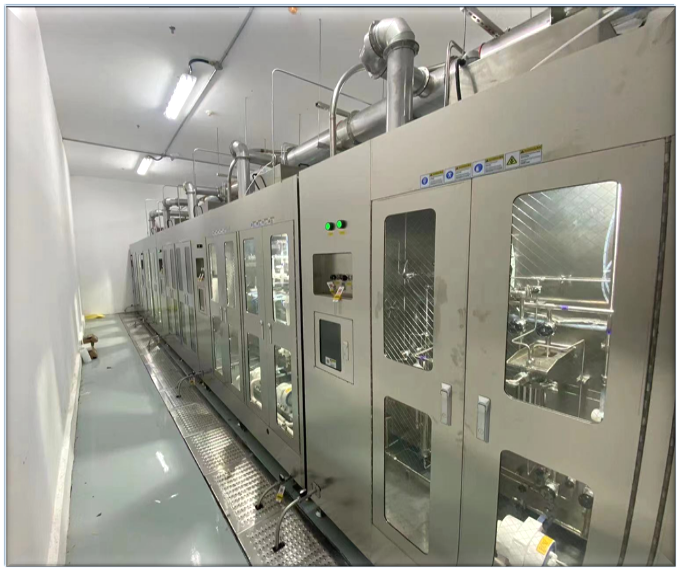
Conclusion
Gas treatment systems play a critical role in improving industrial emission control efficiency by capturing pollutants, neutralizing hazardous gases, and ensuring cleaner exhaust discharge. Through advanced technologies such as wet scrubbers, adsorption systems, thermal oxidation, filtration, and intelligent automation, modern industries can achieve higher environmental performance while maintaining production efficiency.
As environmental regulations become stricter and industrial processes become more complex, reliable gas treatment solutions will continue to be essential for semiconductor fabs, chemical plants, pharmaceutical facilities, and manufacturing industries worldwide.
Investing in an optimized gas treatment system not only supports regulatory compliance but also improves workplace safety, protects valuable equipment, reduces operational costs, and contributes to a more sustainable industrial future.
For more about how gas treatment systems improve industrial emission control efficiency, you can pay a visit to Jewellok at https://www.specialtygasregulator.com/product-category/specialty-gas-cabinet/ for more info.
-
765LR Reducing Tee | Stainless Steel 316 High Purity Butt Weld Fittings Metal Face Seal For Welding Pipe Fitting Reducing Tee
-
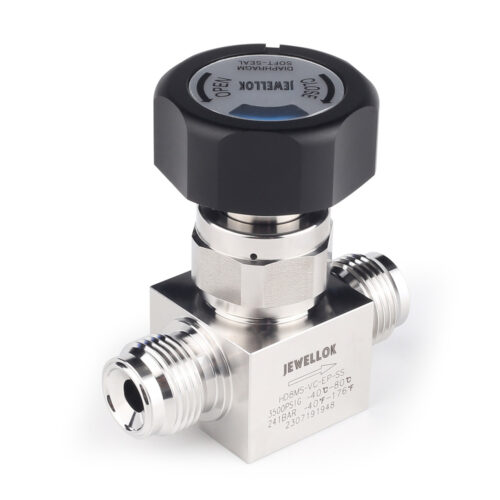
Stainless Steel Ultra High Purity (UHP) High Pressure Manual Diaphragm Valve
-
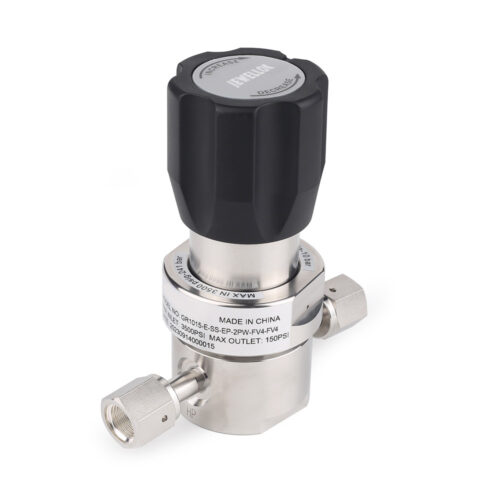
JR1000 Series UHP Ultra High Purity Single Stage Pressure Reducing Regulator And Low To Intermediate Flow
-
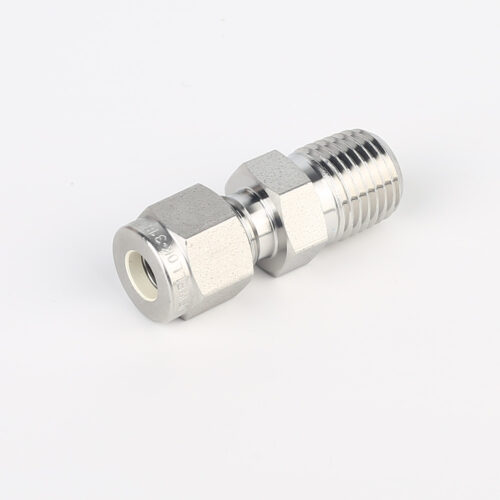
768L Stainless Steel Male Tube Butt Weld Connector | Clean Weld Fittings And Ultra-High Purity Fittings
-
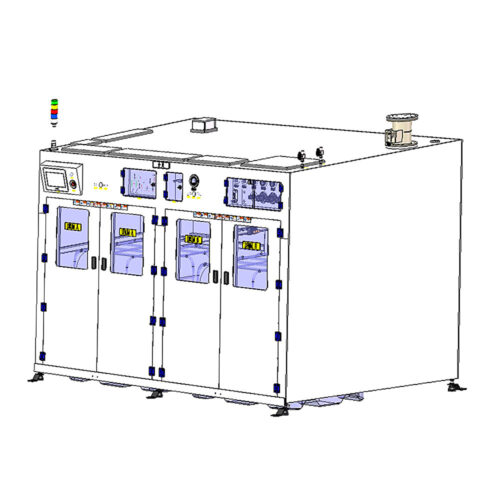
High Purity Chemical Dispense System & Packing System For Semiconductors JW-200L-CDM & JW-1000L-CDM
-
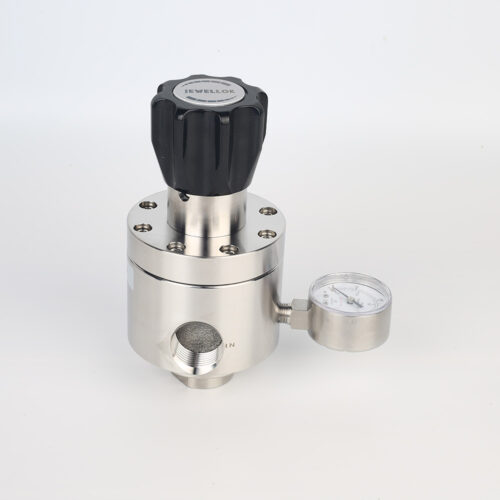
Low Pressure High Flow Line Pressure Regulators And Control Valves JSR-4L Series For Laboratory Pressure Control
-
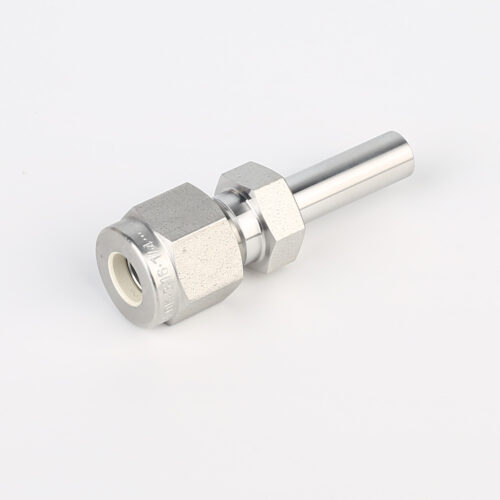
767LT Reducer Pressure Reducing Valve Adjustment High purity Pressure Reducing Union Fittings And Tubing
-
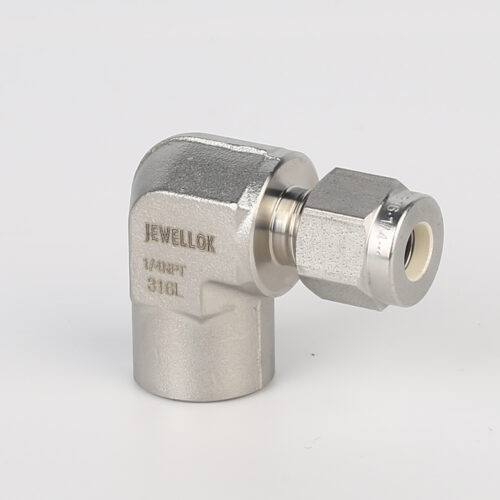
770L Female Elbow | Stainless Steel High Purity Weld Fittings Female Micro Elbow Fittings