
Regulator Manufacturer Tel: +86 13380377051
Regulator Manufacturer Tel: +86 13380377051
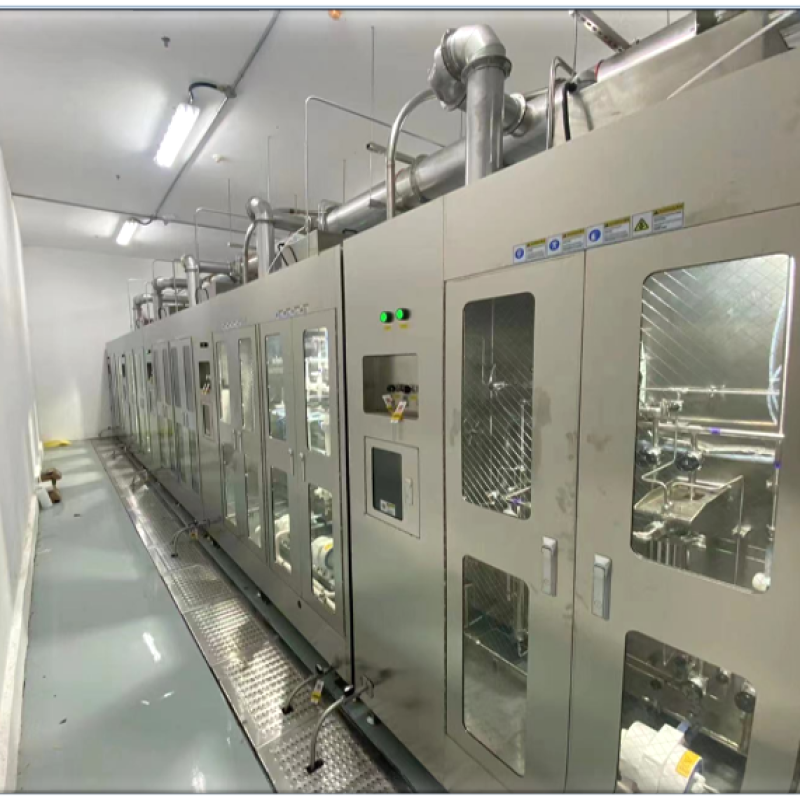
Industrial Scrubber Systems for Semiconductor Manufacturing Facilities
Semiconductor manufacturing requires highly controlled production environments where even small variations in chemical concentration, temperature, pressure, or airborne contaminants can affect process stability and product yield. During wafer fabrication, semiconductor facilities use a wide range of process gases and chemicals, including corrosive, toxic, flammable, and environmentally regulated substances. These materials can generate hazardous exhaust gases that must be safely captured, treated, and discharged before entering the atmosphere.
Industrial scrubber systems are therefore a critical part of modern semiconductor manufacturing facilities. A properly engineered scrubber exhaust gas treatment system can remove harmful gases from process exhaust streams, protect workers and equipment, reduce environmental impact, and help semiconductor manufacturers comply with increasingly stringent emission requirements.
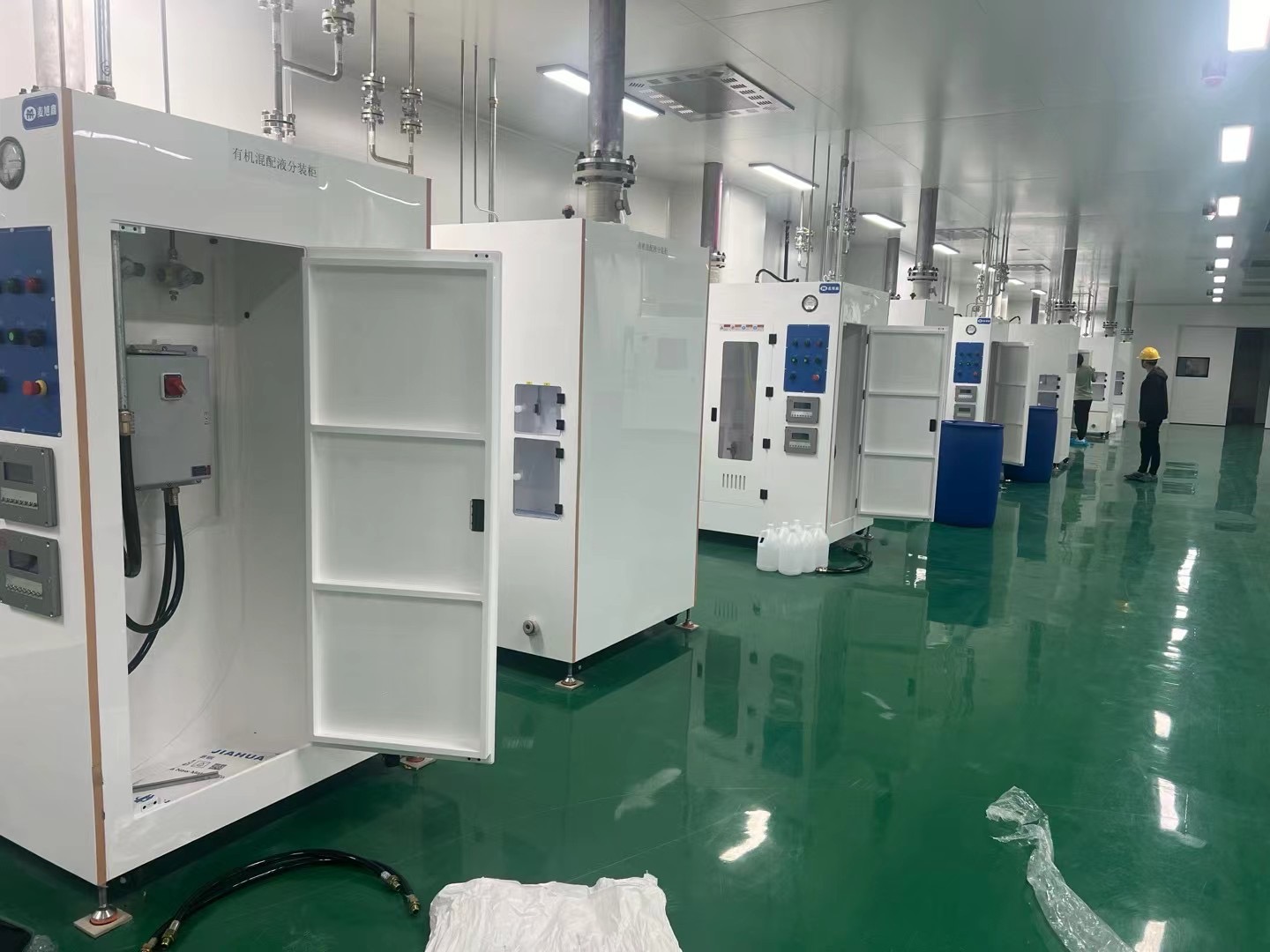
What Is an Industrial Scrubber System?
An industrial scrubber system is an exhaust gas treatment solution designed to remove or neutralize hazardous contaminants from industrial process gases. In semiconductor manufacturing, scrubbers are commonly installed downstream of process equipment, gas delivery systems, vacuum pumps, and exhaust manifolds.
Depending on the manufacturing process, exhaust gases may contain acidic gases, alkaline compounds, toxic substances, volatile organic compounds (VOCs), particulates, and other reactive byproducts. A scrubber uses physical, chemical, or thermal treatment methods to reduce these contaminants to acceptable levels.
A complete semiconductor scrubber system can include several major components:
- Process exhaust inlet
- Scrubbing chamber or reaction chamber
- Chemical dosing system
- Spray nozzles or packing materials
- Circulation pumps
- Gas-liquid separation equipment
- Mist eliminator
- Exhaust fan
- Sensors and monitoring instruments
- Control cabinet
- Drainage and wastewater management system
- Treated-gas outlet
The configuration depends on the process chemistry, exhaust flow rate, contaminant concentration, temperature, and required removal efficiency.
Why Semiconductor Facilities Need Advanced Scrubber Systems
Semiconductor fabrication processes generate complex exhaust streams. Processes such as etching, deposition, cleaning, diffusion, and ion implantation can release different types of hazardous gases.
For example, wet and dry etching processes may generate acidic or corrosive compounds. Chemical vapor deposition (CVD), atomic layer deposition (ALD), and related processes can produce reactive gas byproducts. Cleaning operations may introduce additional corrosive or volatile compounds into the exhaust system.
Simply exhausting these gases directly into the atmosphere is unacceptable from both safety and environmental perspectives.
An industrial scrubber provides a controlled treatment stage between semiconductor process equipment and the facility exhaust stack. By treating the gas close to its source or through a centralized exhaust treatment system, manufacturers can significantly reduce hazardous emissions.
Advanced scrubber systems also support semiconductor fabs by providing stable operation under continuously changing process conditions. This is particularly important because semiconductor production facilities often operate 24 hours a day, seven days a week.
Common Scrubber Technologies for Semiconductor Manufacturing
No single scrubber technology is suitable for every semiconductor exhaust application. System designers typically select the treatment method according to the characteristics of the exhaust gas.
Wet Scrubber Systems
Wet scrubbers use a liquid solution to absorb, neutralize, or react with contaminants in the exhaust gas.
The contaminated gas enters the scrubber chamber and comes into contact with the scrubbing liquid. Depending on the design, contact can be enhanced using spray nozzles, packed beds, venturi sections, or other gas-liquid contact structures.
Wet scrubbers are particularly suitable for water-soluble and reactive gases. Acid gas treatment, alkaline gas treatment, and certain particulate removal applications can benefit from wet scrubbing technology.
A chemical dosing system may be used to maintain the required pH and chemical concentration. Continuous monitoring helps ensure that the scrubbing solution remains effective.
Dry Scrubber Systems
Dry scrubbers use solid adsorbents or reactive materials rather than circulating liquid.
Contaminated exhaust gas passes through a treatment medium that captures or chemically reacts with targeted contaminants. Dry scrubbers can be advantageous where wastewater generation needs to be minimized or where specific gas compounds require specialized adsorption materials.
Dry scrubbers are frequently considered for toxic or reactive gases that can be effectively captured using engineered adsorption media.
Thermal Scrubber Systems
Thermal treatment systems use controlled high-temperature oxidation to decompose certain combustible or reactive compounds.
Thermal scrubbers are particularly useful for exhaust streams containing gases that cannot be efficiently treated through conventional wet absorption. The treatment process converts targeted compounds into more manageable products that can subsequently be treated through additional stages.
For semiconductor applications, thermal treatment may be combined with wet scrubbing to create a multi-stage abatement system.
Hybrid Scrubber Systems
Many advanced semiconductor fabs use hybrid systems combining multiple treatment technologies.
For example, a system may use thermal oxidation to destroy reactive compounds followed by wet scrubbing to remove acid gases and soluble byproducts. This configuration allows the system to address multiple contaminants within a single exhaust treatment train.
Hybrid systems can provide greater flexibility when semiconductor processes generate complex exhaust compositions.
Key Design Considerations
Designing an industrial scrubber for a semiconductor manufacturing facility requires detailed analysis of both the process and exhaust system.
Exhaust Gas Composition
The first consideration is the chemical composition of the exhaust gas.
Engineers need to understand which gases are present, their concentration ranges, chemical properties, temperature, and potential interactions. This information determines whether the system should use absorption, adsorption, oxidation, neutralization, or a combination of technologies.
Because semiconductor processes can change over time, the scrubber should also be capable of handling variations in gas composition.
Exhaust Flow Rate
Gas flow rate directly affects scrubber capacity.
An undersized system may experience insufficient gas-liquid contact or inadequate residence time, resulting in poor removal efficiency. An oversized system, on the other hand, can increase equipment cost, energy consumption, and installation requirements.
Accurate process exhaust flow data is therefore essential when selecting the scrubber size.
Removal Efficiency
Removal efficiency is one of the most important performance parameters.
The required efficiency depends on the contaminant, process chemistry, local environmental requirements, and facility emission targets. Engineers may need to evaluate inlet concentration, outlet concentration, pressure drop, residence time, chemical consumption, and operating temperature.
For critical semiconductor applications, the system should be designed with appropriate safety margins rather than operating continuously at its theoretical maximum capacity.
Materials of Construction
Semiconductor exhaust systems can contain highly corrosive chemicals, making material selection extremely important.
Common construction materials may include stainless steel, polypropylene (PP), polyvinyl chloride (PVC), chlorinated polyvinyl chloride (CPVC), PVDF, PTFE, and other chemically resistant materials.
The correct material depends on the specific chemical environment, temperature, pressure, and expected service life.
For high-purity semiconductor applications, contamination control is also important. Internal surfaces, seals, piping, valves, pumps, and other components should be selected to minimize unwanted reactions and particle generation.
Safety and Monitoring Functions
Safety is a fundamental requirement of semiconductor scrubber systems.
Modern systems can incorporate pressure sensors, temperature sensors, flow meters, liquid-level sensors, pH monitoring, differential-pressure monitoring, leak detection, and other instrumentation.
Automatic alarms can notify operators when critical operating parameters move outside predefined ranges.
For example, abnormal pressure may indicate an exhaust restriction, while low circulation flow could indicate a pump or piping problem. Changes in pH can indicate that chemical dosing needs adjustment.
A programmable logic controller (PLC) can integrate these signals and coordinate pumps, fans, valves, dosing systems, alarms, and emergency shutdown functions.
Integration With Semiconductor Exhaust Systems
A scrubber should not be considered an isolated piece of equipment. Its performance depends heavily on how it integrates with the semiconductor facility’s overall exhaust architecture.
The system may connect with process tool exhaust, local exhaust systems, vacuum pump outlets, exhaust manifolds, and facility-wide ventilation systems.
Proper duct sizing and pressure control are essential. Excessive pressure drop can affect process equipment, while insufficient exhaust capacity can result in inadequate contaminant capture.
Engineers should therefore evaluate the complete exhaust path from the semiconductor process chamber to the final discharge point.
Automation and Smart Monitoring
Advanced scrubber systems increasingly use automation and data monitoring to improve reliability.
Real-time monitoring can provide information about:
- Exhaust flow
- Scrubbing-liquid pH
- Temperature
- Differential pressure
- Pump status
- Fan status
- Chemical consumption
- Liquid level
- Alarm conditions
- Maintenance status
Data can be integrated into a facility management or manufacturing execution environment, allowing operators to monitor multiple abatement systems from a centralized control room.
Predictive maintenance can also help identify abnormal operating trends before they develop into major equipment failures.
Maintenance Requirements
Regular maintenance is essential for maintaining scrubber performance.
Typical maintenance activities include inspection of pumps, spray nozzles, packing materials, filters, mist eliminators, sensors, chemical dosing equipment, ductwork, valves, and drainage systems.
Accumulated solids or reaction byproducts can reduce gas-liquid contact efficiency and increase pressure drop. Sensors may also require calibration to ensure accurate monitoring.
Preventive maintenance programs should be based on operating hours, process chemistry, contaminant loading, and manufacturer recommendations.
Energy and Operating Cost Optimization
Although environmental protection is the primary purpose of a scrubber, energy efficiency has become increasingly important for semiconductor fabs.
Large semiconductor facilities may operate numerous exhaust treatment units continuously. Exhaust fans, pumps, heaters, and other auxiliary equipment can therefore consume significant amounts of energy.
Variable-frequency drives (VFDs), optimized pump operation, efficient fan selection, automatic chemical dosing, and intelligent control strategies can help reduce operating costs.
Optimizing pressure drop is particularly important because even a relatively small reduction in system resistance can produce meaningful energy savings over long operating periods.
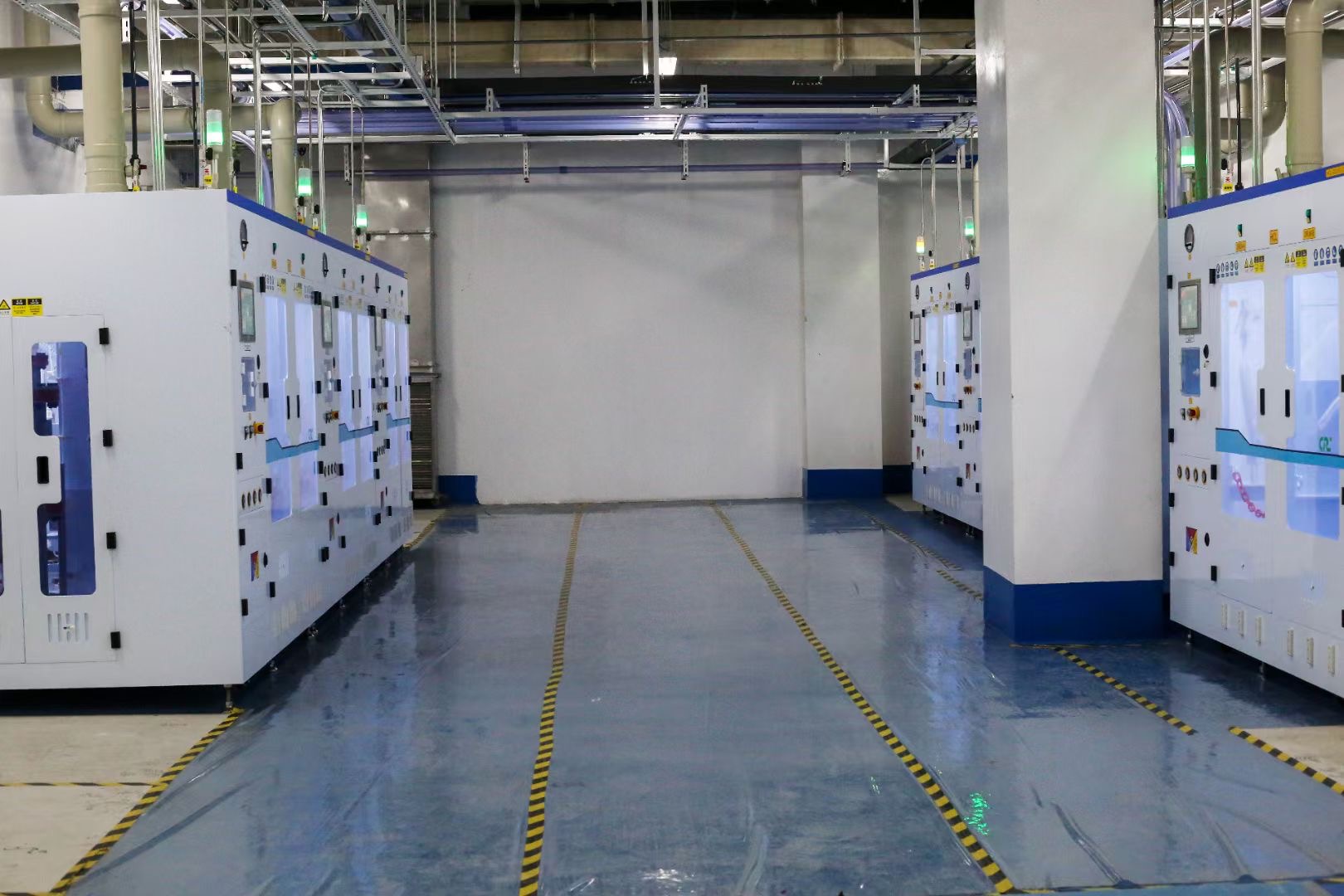
Conclusion
Industrial scrubber systems are an essential component of semiconductor manufacturing facilities, providing controlled treatment of hazardous process exhaust while supporting worker safety, equipment protection, environmental compliance, and stable fab operation.
The most effective solution is not simply a high-capacity scrubber, but a properly engineered exhaust treatment system designed around the actual semiconductor process. Exhaust composition, flow rate, contaminant concentration, removal efficiency, corrosion resistance, automation, pressure control, maintenance, and energy consumption must all be considered during system development.
As semiconductor manufacturing continues to advance toward smaller process nodes, more complex materials, and increasingly demanding production environments, exhaust gas treatment requirements will also become more sophisticated. Advanced wet, dry, thermal, and hybrid scrubber technologies can provide flexible solutions for different process gases and operating conditions.
For semiconductor manufacturers, selecting an experienced scrubber system supplier with expertise in process exhaust, chemical compatibility, automation, and environmental engineering is critical. A well-designed industrial scrubber system can provide reliable long-term operation while helping semiconductor facilities achieve safer production, lower emissions, improved operational efficiency, and stronger environmental performance.
For more about industrial scrubber systems for semiconductor manufacturing facilitiess, you can pay a visit to Jewellok at https://www.specialtygasregulator.com/product-category/specialty-gas-cabinet/ for more info.
-
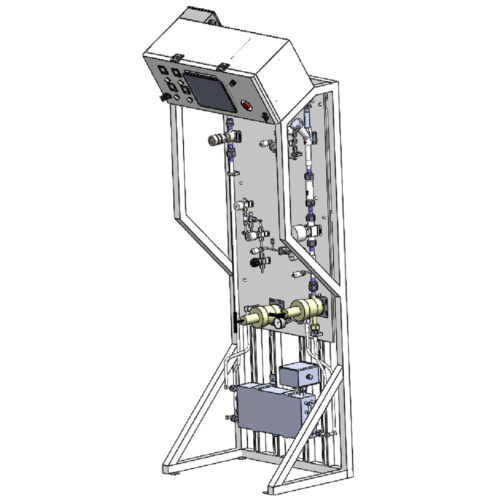
High Purity High Pressure Specialty Gas Bottle Gas Cylinder Storage Cabinet And Gas Pressure Regulating Cabinet For Semiconductor
-
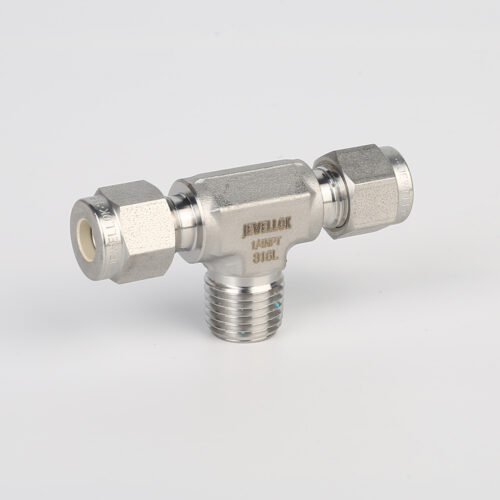
772L Male Branch Tee | Stainless Steel High-Purity Tube Fitting Male Branch Tee
-
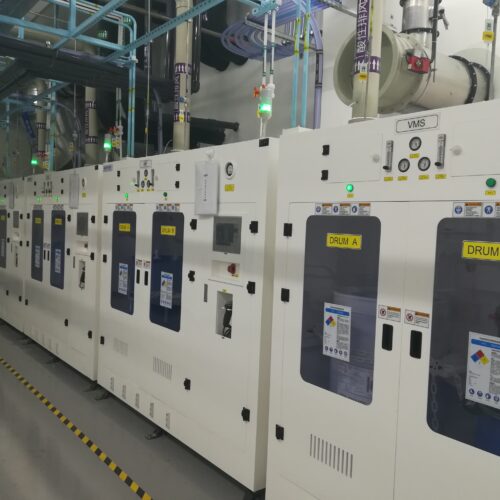
High Purity Liquid Chemical Delivery Systems Designed for Sub Micron Semiconductor Production
-
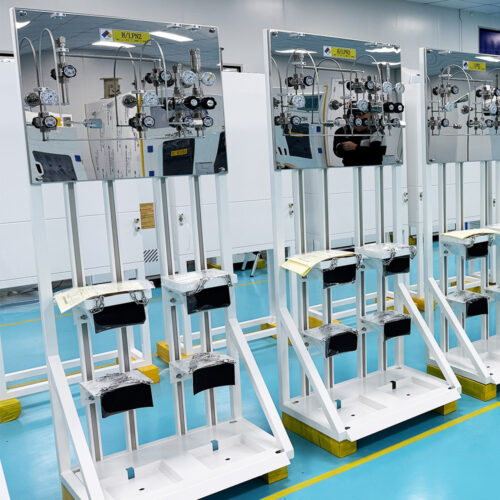
Semi-Automatic VMB Gas Cabinet Gas Changeover Manifold With Semiconductor Valve Manifold Box Diaphragm Valves And Gas Pressure Regulators
-
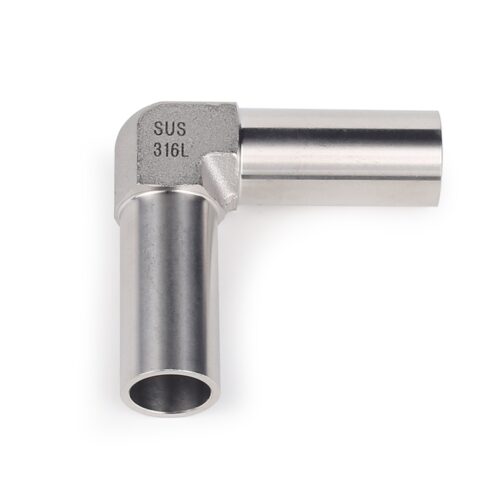
High Purity Stainless Steel Mini Tube Butt Weld Fittings For Semiconductor
-
762L Stainless Steel High Purity Union High-Purity Gas System Fittings
-
Integrated Bulk Chemical Delivery System and Automatic CDU Solutions for Safe Hazardous Chemical Fluid Handling
-
Ultra High Purity Diaphragm Valves and Pressure Regulators for Reliable Ultra High Purity Liquid Chemical Handling Systems