
Regulator Manufacturer Tel: +86 13380377051
Regulator Manufacturer Tel: +86 13380377051
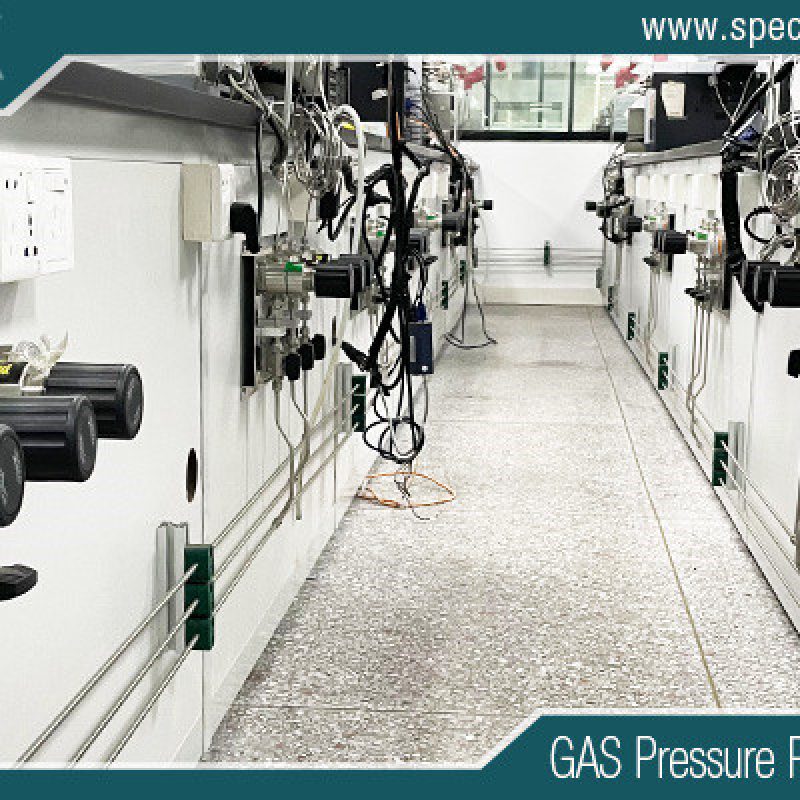
316L Stainless Steel Laboratory Gas Valves for Critical Gas Applications
In modern laboratories, research facilities, semiconductor laboratories, pharmaceutical plants, analytical testing centers, and advanced manufacturing environments, gas delivery systems must provide accurate flow control, reliable shutoff, and excellent contamination resistance. For critical gas applications, even a small leak, particle release, or material incompatibility can compromise experimental results, damage sensitive equipment, or create significant safety risks.
316L stainless steel laboratory gas valves are widely used in these demanding environments because they combine corrosion resistance, mechanical strength, cleanliness, and compatibility with a broad range of process gases. Compared with conventional industrial valves, laboratory-grade gas valves are designed with greater attention to internal surface quality, sealing performance, dead volume, material compatibility, and connection integrity.
This article explains the construction, advantages, selection criteria, applications, and performance considerations of 316L stainless steel laboratory gas valves for critical gas handling systems.
Why 316L Stainless Steel Is Used for Critical Gas Valves
316L stainless steel is an austenitic stainless steel containing chromium, nickel, and molybdenum. The addition of molybdenum provides improved resistance to pitting and crevice corrosion compared with common 304 stainless steel.
The “L” in 316L indicates a low-carbon composition. Lower carbon content reduces the risk of carbide precipitation during welding and helps maintain corrosion resistance around welded areas. This makes 316L particularly suitable for fabricated gas panels, laboratory gas manifolds, tubing assemblies, and valve systems.
For critical gas applications, material selection is not simply about corrosion resistance. The valve material must also maintain mechanical integrity under pressure, temperature changes, repeated cycling, and exposure to different gases.
A properly manufactured 316L stainless steel valve can provide:
- High corrosion resistance
- Good mechanical strength
- Excellent durability
- Low contamination potential
- Good weldability
- Compatibility with many laboratory and industrial gases
- Long service life under demanding operating conditions
For ultra-high-purity applications, higher-grade manufacturing processes may also be required, including controlled cleaning, electropolishing, precision machining, and cleanroom assembly.
Construction of Laboratory Gas Valves
A laboratory gas valve typically consists of a valve body, operating mechanism, sealing components, inlet and outlet connections, and internal flow-control components. The exact construction depends on whether the valve is designed as a diaphragm valve, needle valve, ball valve, bellows-sealed valve, or another specialized configuration.
The valve body is normally manufactured from 316L stainless steel when corrosion resistance and cleanliness are important. Precision machining helps control internal dimensions and improve repeatability.
For critical applications, the internal geometry is also important. A poorly designed internal passage can create unnecessary dead spaces where moisture, particles, or residual gases can accumulate. Minimizing internal dead volume is therefore an important consideration for high-purity laboratory gas systems.
The sealing system is equally important. Depending on the application, manufacturers may use metal seals, elastomer seals, PTFE-based materials, or other specialized sealing technologies. The selected seal must be compatible with the specific gas, pressure, temperature, and operating environment.
Diaphragm Valves for High-Purity Gas Control
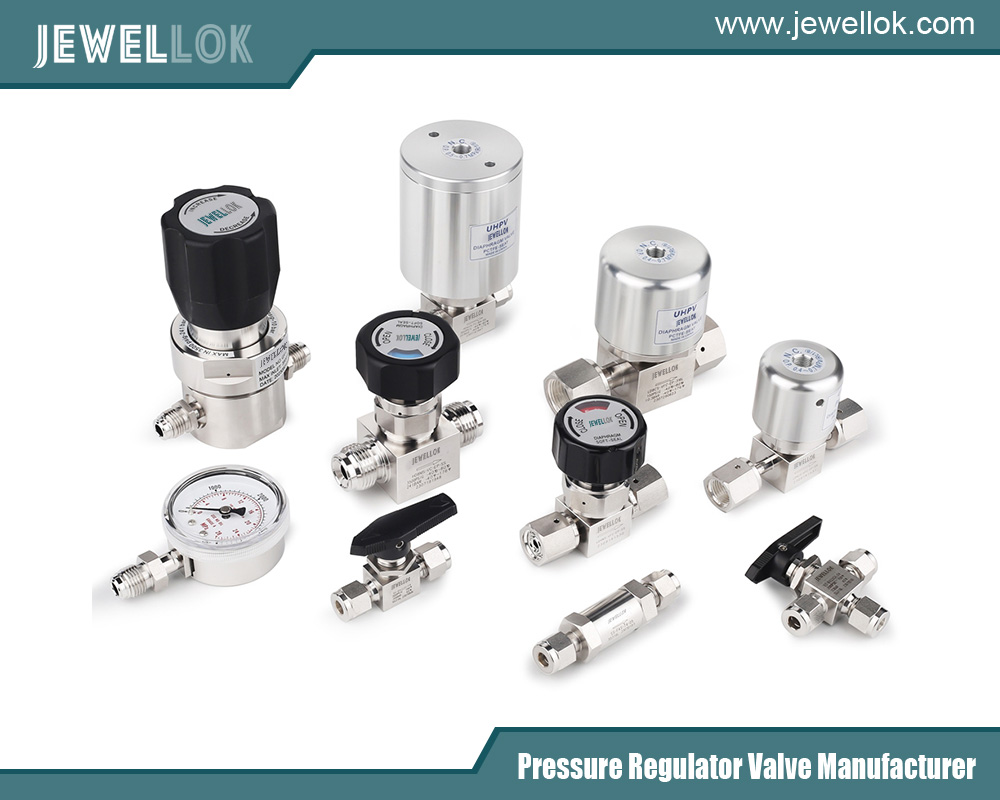
Diaphragm valves are commonly selected for high-purity and critical gas applications because the diaphragm separates the operating mechanism from the process gas.
This design can significantly reduce the possibility of lubricant, particulate, or mechanical contamination entering the gas stream. It can also provide reliable shutoff and repeatable operation.
316L stainless steel diaphragm valves are frequently used in gas distribution systems where cleanliness and leak integrity are priorities. Depending on the application, the diaphragm may be manufactured from stainless steel or a specialized alloy selected for the gas chemistry and operating conditions.
Typical applications include laboratory gas panels, semiconductor process gas systems, analytical instruments, pharmaceutical research facilities, and specialty gas distribution systems.
Needle Valves for Precision Flow Adjustment
When precise manual flow adjustment is required, a 316L stainless steel needle valve can be an effective solution.
Needle valves use a tapered internal element to regulate the flow opening. This enables relatively fine adjustment compared with simple on/off valves. In laboratory environments, this can be useful for controlling carrier gases, purge gases, calibration gases, or other low-flow process streams.
However, a needle valve should not automatically be considered a substitute for a dedicated mass flow controller. Valve selection should be based on the required flow range, pressure differential, accuracy, repeatability, and control method.
For critical gas applications, precision machining of the needle and seat is particularly important. Surface quality and dimensional consistency directly affect valve performance and repeatability.
Ball Valves for Reliable Isolation
316L stainless steel ball valves are widely used when fast and reliable isolation is required.
A ball valve uses a rotating ball with a passage through its center. When the passage aligns with the gas line, the valve is open. Rotating the ball approximately 90 degrees closes the flow path.
The main advantage of a ball valve is simple operation and relatively low flow resistance when fully open. They are commonly used as isolation valves on laboratory gas lines, equipment supply lines, gas cabinets, manifolds, and utility systems.
However, for ultra-high-purity gas applications, the internal design and sealing materials must be carefully evaluated. Conventional industrial ball valves may not provide the cleanliness, leak performance, or low dead volume required by sensitive gas systems.
Connection Types and System Integration
The valve connection is an important factor in gas system reliability. Common connection configurations include tube compression fittings, VCR-type connections, welded connections, and other specialized high-integrity interfaces.
For critical gas applications, face-seal connections are often selected because they can provide strong mechanical integrity and reliable sealing when correctly installed.
Orbital welding can also be used in permanent high-purity gas piping systems. Welded connections eliminate many potential mechanical joints and can provide excellent cleanliness and leak performance when the welding process is properly controlled.
The valve supplier should therefore be able to provide the required connection type, tube size, pressure rating, and installation configuration.
Leak Tightness and Cleanliness
Leak prevention is one of the most important requirements for laboratory gas valves.
A gas leak can result in loss of expensive specialty gases, inaccurate experimental conditions, contamination of laboratory environments, or serious safety concerns depending on the gas involved.
Critical gas valves should therefore undergo appropriate leak testing according to the requirements of the application. Helium leak testing is commonly used in high-integrity gas systems because helium can detect very small leakage paths.
Cleanliness is another essential performance factor. Internal contamination may include machining residues, oils, particles, moisture, or other substances introduced during manufacturing and assembly.
For high-purity gas service, valves may require specialized cleaning and packaging procedures. The objective is to minimize particles, hydrocarbons, moisture, and other contaminants before the valve is installed in the gas delivery system.
Surface Finish and Electropolishing
The internal surface finish of a stainless steel gas valve can significantly affect system cleanliness.
A smoother internal surface provides fewer locations where contaminants can accumulate. For applications requiring very high gas purity, electropolishing may be specified.
Electropolishing is an electrochemical surface treatment that removes a controlled amount of material from the metal surface. When properly performed, it can improve surface smoothness and corrosion resistance while reducing microscopic irregularities.
However, electropolishing alone does not guarantee a high-purity valve. Manufacturing quality, cleaning, assembly, testing, packaging, and installation practices all contribute to the final performance of the gas system.
Gas Compatibility
316L stainless steel offers broad compatibility, but no valve material should be considered universally compatible with every gas.
Gas compatibility depends on factors such as gas chemistry, concentration, pressure, temperature, moisture content, valve construction, and sealing material.
For example, inert gases such as nitrogen, argon, and helium are generally easier to handle than highly reactive or corrosive gases. Specialty gases used in semiconductor, chemical, and research applications may require much more careful material and seal selection.
Before selecting a valve, engineers should evaluate the complete wetted-material configuration rather than considering only the valve body.
Pressure and Temperature Considerations
A laboratory gas valve must be rated for the actual operating conditions of the system.
Important parameters include:
- Maximum working pressure
- Operating temperature
- Gas type
- Pressure differential
- Flow rate
- Number of operating cycles
- Required shutoff performance
- Connection type
The maximum pressure rating should never be evaluated separately from temperature and connection configuration. The complete valve assembly must be suitable for the intended operating envelope.
For high-pressure specialty gas systems, pressure regulators, relief devices, isolation valves, and other components must be selected as part of an integrated pressure-control strategy.
Applications of 316L Laboratory Gas Valves
316L stainless steel laboratory gas valves can be used in a wide range of critical gas applications.
Semiconductor Laboratories
Semiconductor research and manufacturing facilities use high-purity gases for deposition, etching, cleaning, doping, and other processes. Gas valves must maintain high cleanliness and reliable flow isolation to protect sensitive processes.
Analytical Instruments
Gas chromatography, mass spectrometry, spectroscopy, and other analytical systems may require carrier gases, calibration gases, purge gases, or specialty gas mixtures. Stable and leak-tight gas control helps maintain analytical accuracy.
Pharmaceutical and Biotechnology Research
Laboratories involved in pharmaceutical and biotechnology research may use nitrogen, carbon dioxide, oxygen, and other gases. Reliable gas control is important for maintaining controlled process environments and protecting sensitive experiments.
Chemical Research
Chemical laboratories may handle corrosive, reactive, toxic, or specialty gases. Valve materials and sealing components must be selected according to the specific chemical characteristics of each gas.
Gas Cabinets and Distribution Panels
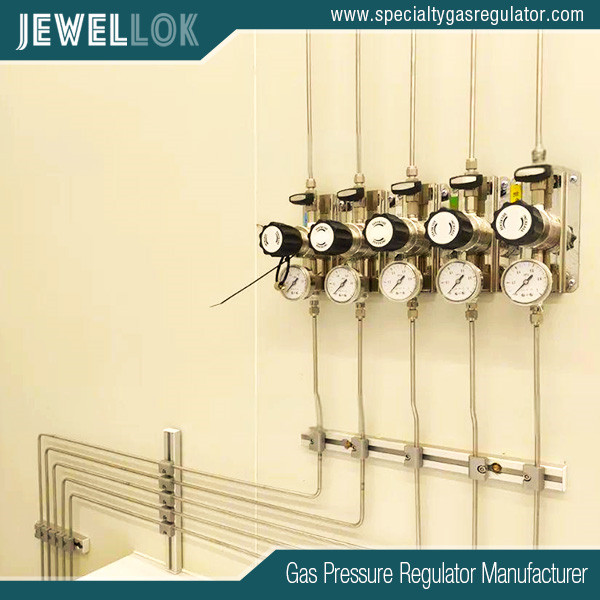
Laboratory gas valves are also widely integrated into gas cabinets, gas panels, manifold systems, point-of-use panels, and centralized gas distribution systems.
How to Select the Right Laboratory Gas Valve
Selecting the correct valve requires more than simply choosing a 316L stainless steel body.
First, identify the gas type and required purity level. Next, determine operating pressure, temperature, flow rate, connection configuration, and required valve function.
Engineers should also evaluate:
- Wetted materials
- Seal materials
- Internal surface finish
- Dead volume
- Leak rate
- Cleaning procedure
- Connection technology
- Pressure rating
- Operating cycle requirements
- Required certifications and test documentation
For extremely sensitive applications, it is advisable to work with a manufacturer that can provide traceability, material certificates, inspection records, leak-test results, and cleaning documentation.
Conclusion
316L stainless steel laboratory gas valves provide a reliable foundation for critical gas handling systems where corrosion resistance, cleanliness, leak integrity, and long-term performance are essential.
The correct valve design depends on the complete application. Diaphragm valves are well suited to high-purity gas isolation, needle valves provide precise manual flow adjustment, and ball valves offer convenient and reliable shutoff. Connection technology, internal surface finish, sealing materials, cleaning procedures, and leak testing are equally important when designing a high-integrity gas system.
For laboratories, semiconductor facilities, pharmaceutical research environments, analytical equipment, and specialty gas distribution systems, selecting a properly engineered 316L stainless steel gas valve can help reduce contamination risks, improve system reliability, and maintain stable gas delivery.
Ultimately, the best laboratory gas valve is not simply the valve with the strongest material specification. It is the valve whose materials, geometry, sealing technology, cleanliness level, pressure rating, connections, and testing procedures are correctly matched to the requirements of the critical gas application.
For more about 316L stainless steel laboratory gas valves for critical gas applications, you can pay a visit to Jewellok at https://www.specialtygasregulator.com/product-category/specialty-gas-cabinet/ for more info.
-
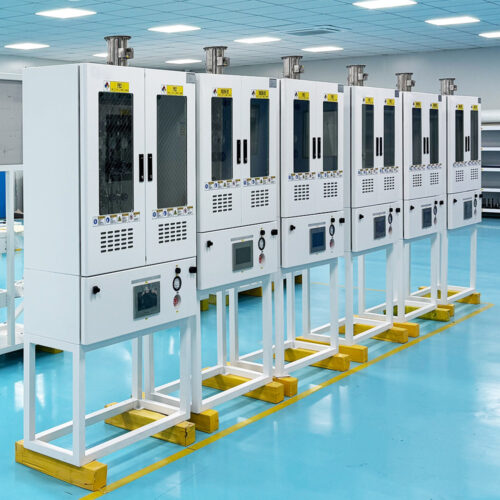
High Purity VMB Valve Manifold Box for Semiconductor Gas Distribution and Specialty Chemical Delivery Systems
-
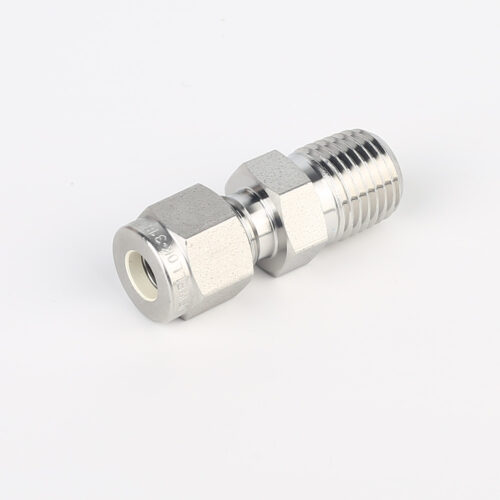
768L Stainless Steel Male Tube Butt Weld Connector | Clean Weld Fittings And Ultra-High Purity Fittings
-
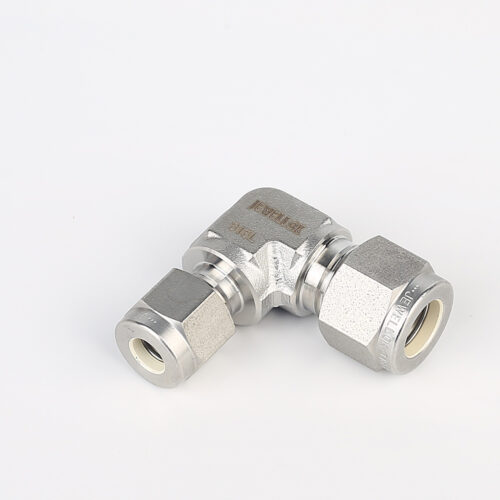
765LR Reducing Tee | Stainless Steel 316 High Purity Butt Weld Fittings Metal Face Seal For Welding Pipe Fitting Reducing Tee
-
Custom Wet and Dry Exhaust Gas Scrubber System Technology for Effective Acid Gas Neutralization
-

Semi Automatic Gas Changeover Manifold System Manual Changeover Manifold Panel Single Stage Automatic Switchover Board
-
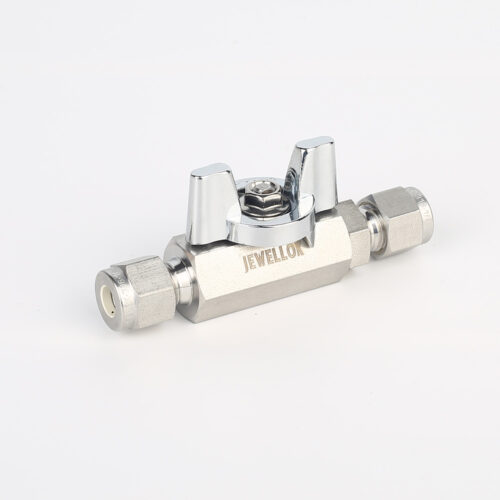
Stainless Steel High-Purity High Temperature Metal Seated Ball Valves JBV3 Series
-
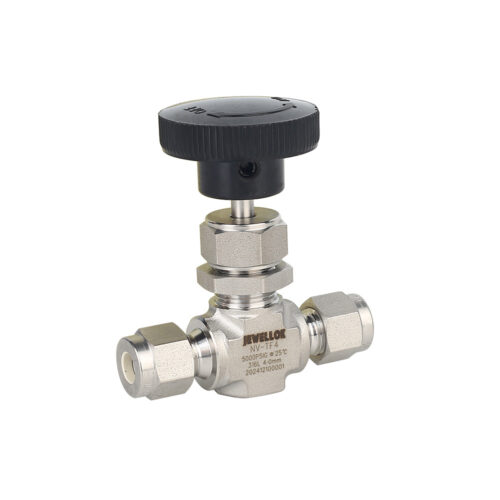
High Purity High Pressure Stainless Steel Needle Valve Natural Gas Flow Control Valve JNV Series
-
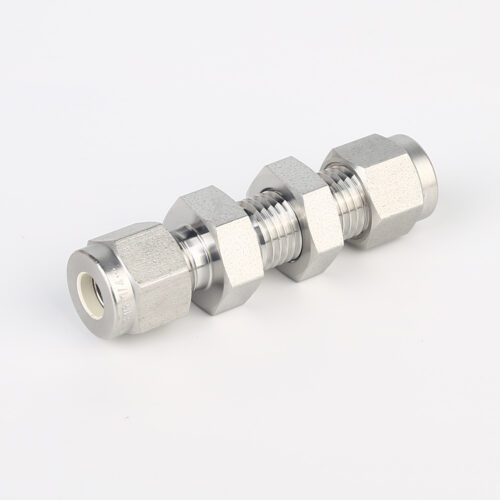
774L Stainless Steel UHP Fittings Butt Weld Bulkhead Union For High Flow Special Gas Fluid