
Regulator Manufacturer Tel: +86 13380377051
Regulator Manufacturer Tel: +86 13380377051

Common Applications of Ultra High Purity Diaphragm Valves in Semiconductor Manufacturing
The semiconductor industry operates in an environment where contamination measured in parts per billion can ruin an entire production batch. As chip geometries continue to shrink and process complexity increases, manufacturers rely on highly controlled gas and chemical delivery systems to maintain yield and device performance. One critical component within these systems is the ultra high purity (UHP) diaphragm valve.
UHP diaphragm valves are specifically engineered to handle high-purity gases and chemicals while minimizing particle generation, leakage, and contamination. Their clean internal surfaces, hermetic sealing, and precision control make them indispensable throughout semiconductor fabrication facilities (fabs).
This article explores the most common applications of UHP diaphragm valves in semiconductor manufacturing, explaining how they support process integrity, equipment reliability, and production efficiency.
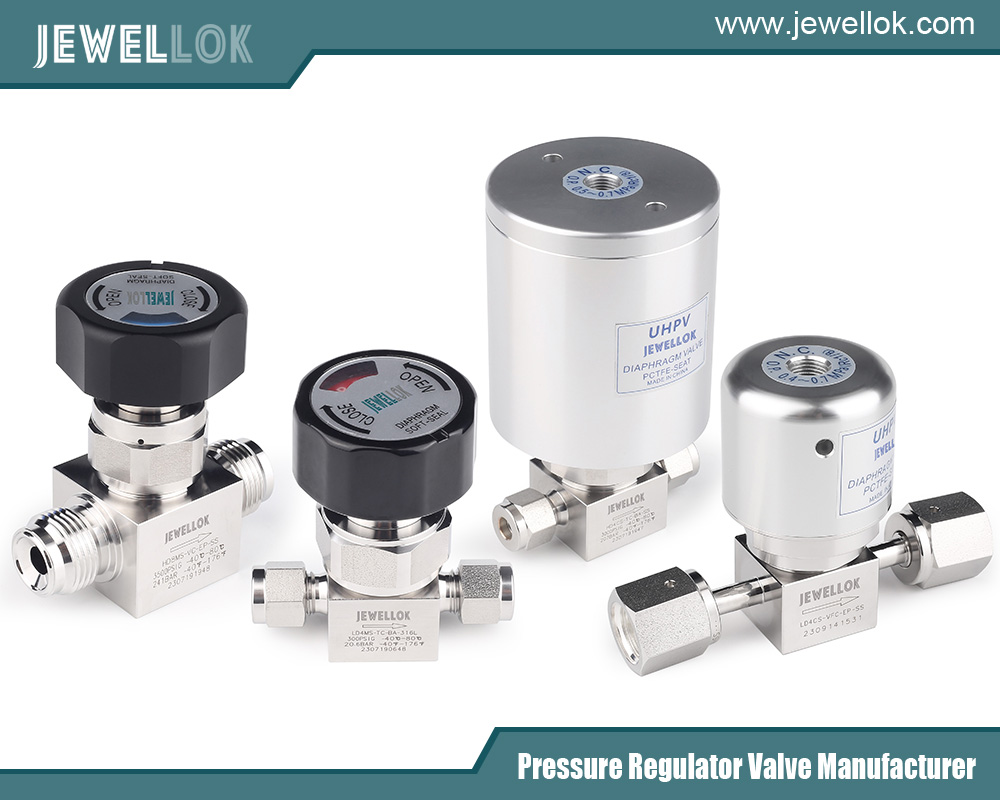
What Are Ultra High Purity Diaphragm Valves?
A UHP diaphragm valve is a specialized valve designed for applications requiring extremely clean fluid or gas handling. Unlike conventional valves that use stem packing, diaphragm valves isolate the process fluid from the actuator and external environment using a flexible diaphragm. This design eliminates dead space, reduces contamination risk, and provides excellent leak tightness.
Key features include
- High-purity wetted surfaces: Typically made from electropolished 316L stainless steel or high-purity alloys.
- Minimal dead volume: Prevents gas entrapment and particle accumulation.
- Excellent leak integrity: Often tested to helium leak rates below 1×10⁻⁹ std cc/sec.
- Cleanroom compatibility: Designed for semiconductor-grade cleanliness and low particle generation.
- Precise flow control: Supports automated process control systems.
These characteristics make UHP diaphragm valves ideal for the demanding conditions found in semiconductor fabs.
Why Purity Matters in Semiconductor Manufacturing
Semiconductor devices are built layer by layer using processes such as chemical vapor deposition (CVD), atomic layer deposition (ALD), etching, doping, and cleaning. Many of these steps involve reactive gases and ultra-pure chemicals delivered through complex piping networks.
Contaminants such as particles, moisture, hydrocarbons, or metal ions can cause:
- Defects in thin films
- Poor adhesion or uniformity
- Electrical failures
- Reduced wafer yield
- Equipment downtime
To prevent these issues, fabs implement strict contamination control protocols, and UHP diaphragm valves play a central role in maintaining system purity.
1. Process Gas Delivery Systems
Application Overview
One of the most widespread uses of UHP diaphragm valves is in process gas delivery systems. Semiconductor tools require precise amounts of gases such as nitrogen (N₂), argon (Ar), hydrogen (H₂), silane (SiH₄), ammonia (NH₃), and various fluorinated compounds.
These gases must remain ultra-pure from the storage source to the process chamber.
Role of the Valve
- Isolates gas lines during maintenance or cylinder changeover
- Controls gas flow to individual process tools
- Prevents backflow and cross-contamination between gas lines
- Maintains leak-tight operation under high-purity conditions
Why UHP Diaphragm Valves Are Used
- Smooth electropolished surfaces minimize particle shedding
- Hermetic sealing prevents atmospheric contamination
- Low dead volume ensures rapid purge and gas exchange
- Compatibility with corrosive and reactive gases
In modern fabs, automated gas cabinets and distribution panels commonly integrate pneumatically actuated UHP diaphragm valves for precise and repeatable control.
2. Chemical Vapor Deposition (CVD) Systems
Application Overview
CVD processes deposit thin films onto wafers by reacting gaseous precursors at elevated temperatures. Examples include deposition of silicon nitride, silicon dioxide, tungsten, and metal films.
The purity and consistency of precursor gas delivery directly affect film quality and uniformity.
Role of the Valve
- Regulates precursor gas flow into the reactor
- Isolates process lines during recipe changes
- Enables safe shutdown and maintenance procedures
- Supports automated sequencing in deposition tools
Why UHP Diaphragm Valves Are Used
- Minimize contamination that could create film defects
- Provide reliable operation at elevated temperatures and pressures
- Offer fast actuation for precise process timing
- Resist corrosion from reactive precursor gases
Because CVD processes are highly sensitive to impurities, UHP diaphragm valves are essential for maintaining stable deposition conditions.
3. Atomic Layer Deposition (ALD) Systems
Application Overview
ALD is an advanced deposition technique that builds films one atomic layer at a time through alternating precursor pulses. The process demands extremely precise timing and complete isolation between precursor exposures.
Role of the Valve
- Delivers short, repeatable precursor pulses
- Separates different precursor lines to avoid premature reactions
- Controls purge gas flow between ALD cycles
- Ensures rapid switching with minimal dead volume
Why UHP Diaphragm Valves Are Used
- Exceptional sealing prevents cross-contamination
- Low internal volume enables sharp pulse transitions
- High cycle life supports continuous automated operation
- Clean surfaces reduce particle generation during repeated cycling
In ALD systems, valve performance directly influences film thickness control and conformality, making UHP diaphragm valves a critical component.
4. Etching Systems
Application Overview
Etching removes material from wafer surfaces using plasma or wet chemical processes. Plasma etching often uses gases such as CF₄, SF₆, Cl₂, and HBr, which can be highly reactive and corrosive.
Role of the Valve
- Controls the delivery of etchant gases to the plasma chamber
- Isolates gas lines during chamber cleaning and maintenance
- Supports rapid gas switching for complex etch recipes
- Helps maintain stable chamber pressure and flow conditions
Why UHP Diaphragm Valves Are Used
- Corrosion-resistant materials withstand aggressive gases
- Leak-tight sealing prevents hazardous gas release
- Fast response times improve process repeatability
- Contamination control protects wafer integrity
Given the hazardous nature of many etching gases, UHP diaphragm valves also contribute significantly to fab safety and environmental compliance.
5. Wet Chemical Distribution Systems
Application Overview
Semiconductor fabs use ultra-pure chemicals such as hydrofluoric acid (HF), sulfuric acid (H₂SO₄), ammonium hydroxide (NH₄OH), and deionized water for cleaning and surface preparation.
These chemicals are distributed through dedicated piping systems to wet benches and cleaning tools.
Role of the Valve
- Controls chemical flow to process equipment
- Isolates distribution loops for maintenance
- Enables safe draining and flushing operations
- Prevents cross-contamination between chemical lines
Why UHP Diaphragm Valves Are Used
- High-purity materials prevent ionic contamination
- Smooth internal surfaces reduce particle buildup
- Chemical compatibility with aggressive cleaning agents
- Reliable sealing minimizes leak risks
For wet chemical systems, valve cleanliness is especially important because trace metal contamination can severely impact device performance.
6. Bulk Gas Distribution and Utility Systems
Application Overview
Fabs rely on large-scale utility systems that distribute bulk gases such as nitrogen, argon, and clean dry air throughout the facility. These systems support purging, inerting, and equipment operation.
Role of the Valve
- Sections and isolates distribution lines
- Controls gas supply to different fab areas
- Supports maintenance without shutting down the entire network
- Maintains system integrity during pressure changes
Why UHP Diaphragm Valves Are Used
- Long-term reliability in continuous operation
- Low leakage reduces gas waste and contamination risk
- Clean internal surfaces maintain utility gas purity
- Compatibility with automated facility management systems
Although utility gases may not be as reactive as process gases, maintaining high purity is still essential for sensitive semiconductor processes.
7. Gas Cabinets and Valve Manifold Boxes (VMBs)
Application Overview
Gas cabinets store and manage hazardous process gases, while valve manifold boxes distribute those gases to multiple tools. These systems require precise control, monitoring, and safety interlocks.
Role of the Valve
- Isolates individual gas cylinders
- Controls automatic changeover between cylinders
- Shuts off gas flow during alarms or emergencies
- Routes gases to specific process tools
Why UHP Diaphragm Valves Are Used
- Excellent leak integrity for hazardous gas handling
- Fast actuation for emergency shutdowns
- Clean design compatible with semiconductor gas purity standards
- High reliability in automated safety systems
In gas cabinets, valve performance is closely tied to both process uptime and personnel safety.
8. Purge and Vent Systems
Application Overview
Before maintenance or gas line changes, semiconductor systems must be purged with inert gas and safely vented. Purge and vent systems remove residual process gases and prevent exposure to hazardous substances.
Role of the Valve
- Directs purge gas through process lines
- Controls venting to exhaust systems
- Isolates sections of the system during service
- Ensures complete removal of residual gases
Why UHP Diaphragm Valves Are Used
- Low dead volume improves purge efficiency
- Leak-tight operation prevents air ingress
- Durable construction withstands frequent cycling
- Clean surfaces reduce contamination during maintenance operations
Effective purge and vent operations are essential for safe maintenance and rapid tool turnaround.
Material and Design Considerations
To perform reliably in semiconductor environments, UHP diaphragm valves are manufactured with stringent material and design standards.
Common Materials
- 316L stainless steel: Widely used for its corrosion resistance and electropolishability.
- Hastelloy and other nickel alloys: Used for highly corrosive applications.
- PTFE/PFA diaphragms: Provide chemical resistance and low particle generation.
Surface Finish
Wetted surfaces are typically electropolished to a roughness average (Ra) of 10 microinches (0.25 µm) or better. Smoother surfaces reduce particle adhesion and improve cleanability.
Valve Configurations
- Manual or pneumatic actuation
- Normally open or normally closed designs
- Two-way, three-way, or manifold configurations
- Compact designs for high-density gas panels
These options allow valves to be tailored to specific semiconductor process requirements.
Benefits of UHP Diaphragm Valves in Semiconductor Fabs
Across all applications, UHP diaphragm valves provide several overarching benefits:
- Contamination Control: Minimizes particles, moisture, and chemical impurities.
- Process Stability: Ensures consistent gas and chemical delivery for repeatable manufacturing results.
- Safety: Provides reliable isolation and leak-tight handling of hazardous materials.
- Operational Efficiency: Supports automation, rapid maintenance, and high equipment uptime.
- Regulatory Compliance: Helps fabs meet stringent cleanliness and environmental standards.
Conclusion
Ultra high purity diaphragm valves are foundational components in semiconductor manufacturing. From process gas delivery and advanced deposition systems to wet chemical distribution and safety-critical gas cabinets, these valves enable the precise, clean, and reliable handling of ultra-pure fluids and gases.
As semiconductor technology advances toward smaller nodes and more complex architectures, the demand for higher purity and tighter process control continues to grow. UHP diaphragm valves will remain essential in supporting contamination-free manufacturing, maximizing wafer yield, and ensuring the safe operation of modern semiconductor fabs.
For more about common applications of ultra high purity diaphragm valves in semiconductor manufacturing, you can pay a visit to Jewellok at https://www.specialtygasregulator.com/product-category/specialty-gas-cabinet/ for more info.
-
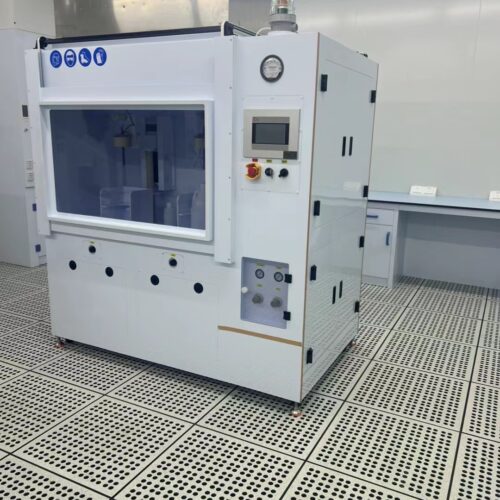
Custom VMB Valve Manifold Boxes for Enhanced Tool Isolation and Maximum Uptime in Complex Chemical Distribution Networks
-
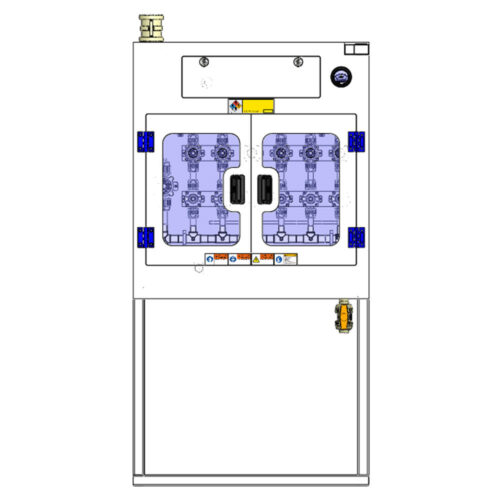
High Purity Configurable Systems VMB Valve Manifold Box JW-200-VMB-C & JW-100-VMB-C
-
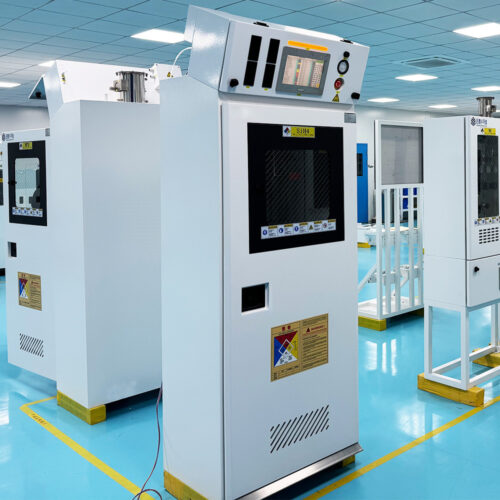
Advanced Bulk Specialty Gas Systems BSGS Gas Cabinet for Safe Handling of Toxic and Flammable Process Gases
-
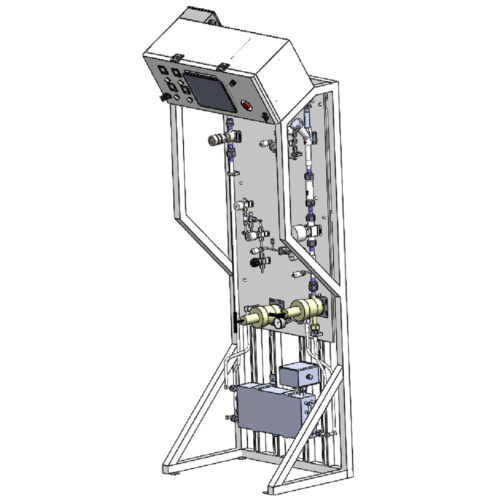
High Purity High Pressure Specialty Gas Bottle Gas Cylinder Storage Cabinet And Gas Pressure Regulating Cabinet For Semiconductor
-
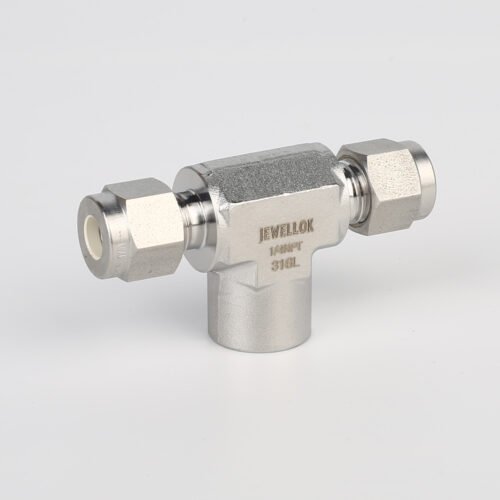
772 LF Female Branch Tee | Stainless Steel Tube Fitting Female Branch Tee 1/2 in. Tube OD x 1/2 in. Tube OD x 3/8 in. Female NPT
-
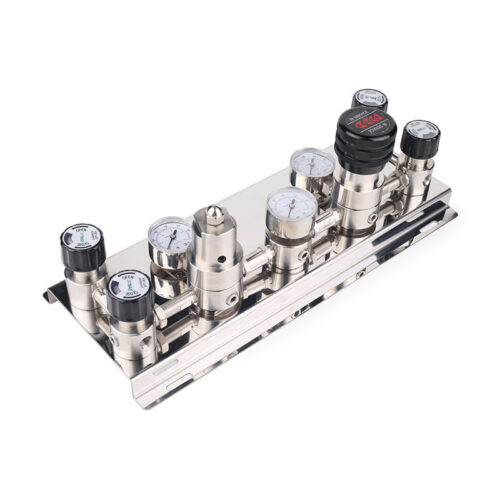
Stainless Steel High Pressure Specialty Gas Changeover Manifold For High Purity Oxygen Nitrogen Argon Helium Hydrogen Co2
-
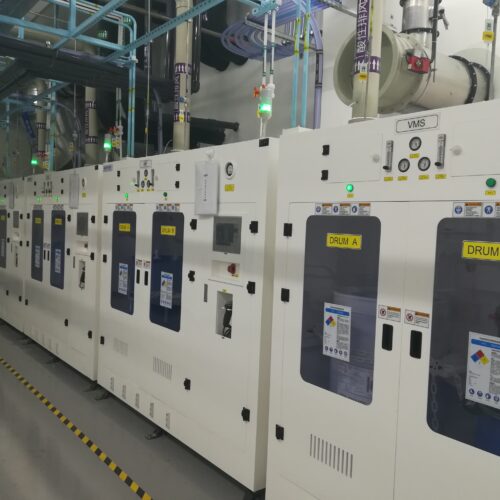
High Purity Liquid Chemical Delivery Systems Designed for Sub Micron Semiconductor Production
-
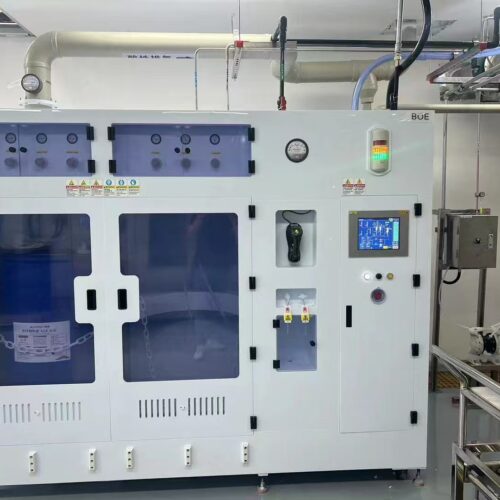
Chemical Delivery Modules for Automated Blending and Precise Dilution in Modern Wafer Cleaning Applications