
Regulator Manufacturer Tel: +86 13380377051
Regulator Manufacturer Tel: +86 13380377051
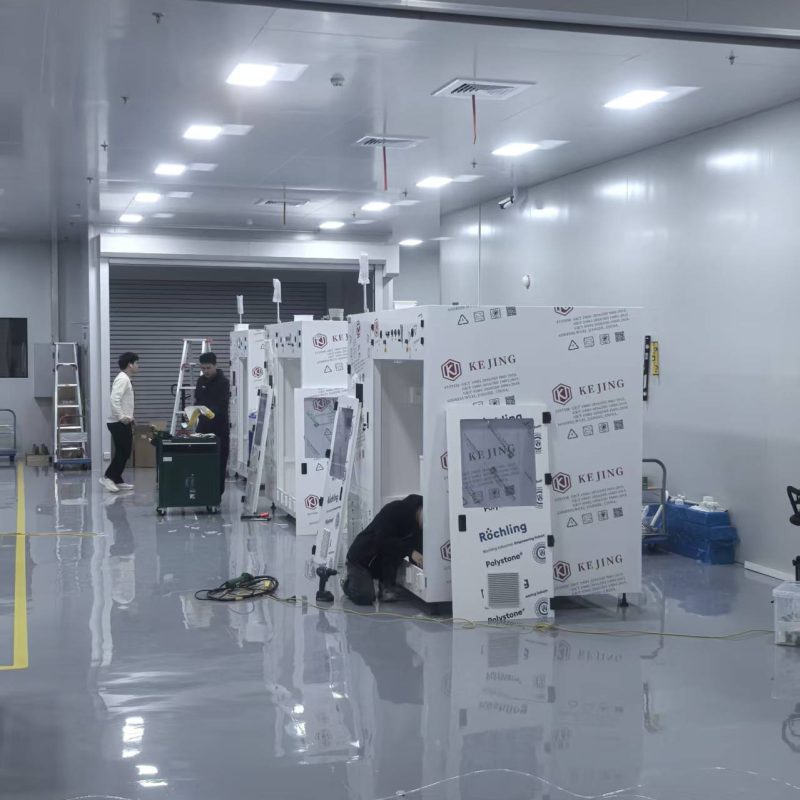
Key Components and Working Mechanism of Chemical Delivery Module (CDM)
A Chemical Delivery Module (CDM) is a critical subsystem used to store, condition, meter, and deliver process chemicals in semiconductor manufacturing, electronics production, photovoltaic manufacturing, advanced materials, pharmaceuticals, and other high-precision industrial applications. As modern manufacturing processes increasingly require tighter control of chemical concentration, flow rate, pressure, temperature, and contamination levels, the performance of the CDM directly influences process stability, product quality, operational safety, and chemical utilization efficiency.
Unlike conventional chemical transfer equipment, a modern CDM is designed as an integrated fluid-handling platform. It combines chemical storage or connection interfaces, pumps, valves, filters, regulators, sensors, piping, control systems, leak detection, and safety components into a coordinated system. Depending on the chemical properties and application requirements, the module can be configured for corrosive, toxic, volatile, high-purity, or sensitive chemicals.
Understanding the key components and working mechanism of a Chemical Delivery Module is therefore essential for engineers designing chemical distribution systems and manufacturers selecting suitable equipment for advanced production environments.
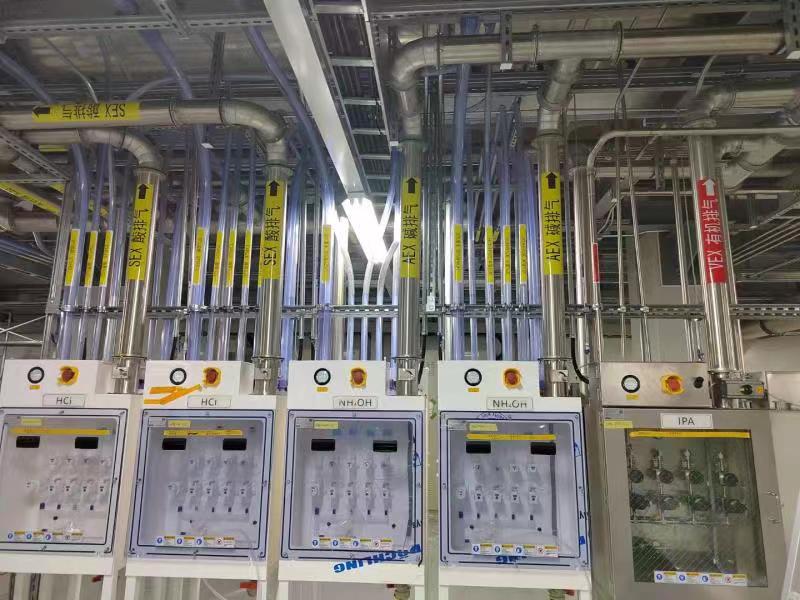
1. What Is a Chemical Delivery Module?
A Chemical Delivery Module is an engineered assembly that controls the movement of liquid chemicals from a source container to a downstream process tool. The chemical source may be a drum, bottle, tank, tote, or centralized chemical supply system.
The primary objective of a CDM is to ensure that the required chemical reaches the process equipment at the correct flow rate, pressure, temperature, concentration, and purity.
A typical chemical delivery sequence can be simplified as:
Chemical Source → Isolation Valve → Pump → Filter → Pressure/Flow Control → Sensor Monitoring → Distribution Line → Process Equipment
In practical systems, the configuration can be considerably more complex. Multiple chemical sources may be connected to one module, while automatic valves and programmable controls manage chemical switching, circulation, purging, and delivery.
For semiconductor and other high-purity applications, the CDM must also minimize particle generation, metal contamination, chemical degradation, dead volume, and unwanted exposure to the environment.
2. Chemical Source and Supply Interface
The chemical source interface is the starting point of the CDM. It provides a controlled connection between the chemical container and the delivery system.
Depending on the application, common source configurations include chemical drums, canisters, bulk tanks, and replaceable containers. Connection components may include tubing, fittings, valves, quick-connect systems, dip tubes, and extraction assemblies.
Material compatibility is particularly important. Chemicals such as acids, bases, solvents, oxidizers, and specialty process chemicals can attack conventional metals, elastomers, or plastics. Therefore, CDM components are commonly manufactured from chemically compatible materials such as PTFE, PFA, PVDF, PP, high-purity stainless steel, or other application-specific materials.
For high-purity applications, the source interface must also prevent external particles and moisture from entering the chemical stream.
3. Chemical Pumps
The pump is one of the most important active components in a CDM. Its primary function is to move the chemical from the source to the process equipment while maintaining the required flow and pressure.
Different chemicals require different pump technologies. Diaphragm pumps are widely used because the pumping mechanism can isolate the chemical from moving mechanical components. Magnetic-drive pumps and other specialized pump technologies may also be selected according to chemical compatibility, flow requirements, pressure range, and purity requirements.
A properly selected pump should provide stable flow with minimal pulsation. Excessive pulsation can affect downstream processes, especially when the chemical is used for precision coating, cleaning, etching, deposition, or dispensing.
Pump materials are also critical. The wetted parts must withstand long-term chemical exposure without swelling, cracking, corrosion, or generating contamination.
4. Valves and Flow Control Components
Valves determine when, where, and how chemicals move through the CDM. A typical module may contain several types of valves, including isolation valves, pneumatic valves, check valves, pressure-control valves, and proportional flow-control valves.
Automatic pneumatic valves are particularly useful in automated chemical delivery systems because they can be controlled remotely and integrated into a programmable sequence.
Isolation valves are used to shut off individual sections during maintenance or emergency conditions. Check valves help prevent reverse flow, while pressure-control valves regulate system pressure.
For corrosive or high-purity chemicals, the internal valve design must minimize dead volume and avoid areas where chemical residues can accumulate. Valve sealing materials must also be selected according to chemical compatibility, temperature, pressure, and service life.
5. Filters and Particle Control
Chemical purity is a major consideration in many CDM applications. Even very small particles can negatively affect advanced manufacturing processes.
Filters are therefore installed to remove particles and protect downstream equipment. Depending on the process, filter elements may be manufactured from PTFE, PFA, polypropylene, or other chemically compatible materials.
The filter rating is selected according to the process requirements. Semiconductor applications may require extremely fine filtration, while less demanding industrial applications may use larger filtration ratings.
Filter pressure drop should also be monitored. As particles accumulate, the differential pressure across the filter increases. A significant pressure increase can indicate that the filter requires replacement.
6. Pressure and Flow Sensors
A modern CDM relies heavily on sensors to monitor operating conditions in real time.
Pressure sensors measure the pressure at critical points in the system, helping the controller detect abnormal conditions such as blocked lines, pump problems, or excessive pressure.
Flow sensors provide information about the actual chemical delivery rate. Comparing measured flow with the target value allows the control system to identify deviations and adjust pump speed or valve position.
Other possible sensors include temperature sensors, liquid-level sensors, conductivity sensors, concentration sensors, and leak detectors.
Sensor selection should consider chemical compatibility, accuracy, response time, temperature range, and long-term stability.
7. Chemical Heating and Temperature Control
Some chemicals require precise temperature control because viscosity, solubility, vapor pressure, and reaction characteristics can change significantly with temperature.
A CDM may therefore include heaters, heat exchangers, thermal insulation, temperature sensors, and control loops.
For example, increasing the temperature of a high-viscosity chemical may reduce viscosity and improve pumping performance. However, excessive heating can cause chemical degradation or increase vapor generation.
The temperature-control system must therefore balance process requirements with chemical stability and safety.
8. Tubing, Piping, and Fittings
Tubing and fittings form the physical fluid path inside the CDM. Although these components may appear simple, they have a major influence on system reliability and purity.
The internal surface finish, material, connection technology, and geometry should be carefully considered.
For high-purity chemical systems, PFA and PTFE tubing are frequently selected because of their excellent chemical resistance. Certain applications may use high-purity stainless steel when mechanical strength and specific process requirements justify its use.
Connections should minimize leakage and dead volume. Poorly designed tubing layouts can create stagnant zones where chemical residues accumulate, increasing contamination and maintenance requirements.
9. Control System and Automation
The control system is the “brain” of a modern Chemical Delivery Module. It coordinates pumps, valves, sensors, alarms, and safety devices.
A programmable logic controller (PLC) or industrial control system can execute predefined chemical delivery sequences. A typical sequence may include system initialization, source verification, valve opening, pump startup, pressure stabilization, flow verification, chemical delivery, flushing, and shutdown.
The control system continuously compares actual operating conditions with predefined limits. If pressure, flow, temperature, or leakage exceeds the permitted range, the system can generate an alarm or automatically stop chemical delivery.
Advanced CDMs may also communicate with factory automation systems through industrial communication protocols, allowing centralized monitoring and production data collection.
10. Leak Detection and Safety System
Because many process chemicals are corrosive, toxic, flammable, or otherwise hazardous, safety is an essential part of CDM design.
Leak detection sensors can be installed inside the enclosure or around critical connection points. If a leak is detected, the control system can close automatic valves and stop the pump.
Secondary containment can also be incorporated to prevent leaked chemicals from spreading into surrounding equipment or work areas.
Emergency shutdown functions provide another layer of protection. Operators or facility safety systems can trigger an emergency stop when abnormal conditions occur.
The CDM may also integrate ventilation, exhaust connections, chemical detection, pressure relief, and interlock systems depending on the chemical and facility requirements.
11. Working Mechanism of a CDM
The working mechanism of a Chemical Delivery Module can generally be divided into several stages.
Stage 1: Chemical Supply
The chemical is connected to the CDM through the designated source interface. The system verifies the source condition and confirms that the required valves and sensors are operating correctly.
Stage 2: Chemical Extraction
The pump begins drawing chemical from the source. Automatic valves establish the correct flow path while preventing unwanted reverse flow or cross-contamination.
Stage 3: Filtration
The chemical passes through the filtration system. Particles and unwanted contaminants are removed before the chemical reaches sensitive downstream equipment.
Stage 4: Pressure and Flow Regulation
The control system monitors pressure and flow. Pump speed or valve opening is adjusted to maintain the required delivery conditions.
Stage 5: Process Delivery
The conditioned chemical travels through the distribution tubing to the process tool. Continuous sensor feedback ensures that the delivery parameters remain within the specified operating range.
Stage 6: Recirculation or Purging
Some applications use chemical recirculation to maintain uniformity and prevent stagnation. After the delivery process, the system may perform a flushing or purging sequence to remove residual chemicals from selected sections.
Stage 7: Shutdown and Safety Verification
When delivery is complete, valves close in a predefined sequence and the pump stops. Pressure and leak conditions are checked before the system enters standby mode.
12. Why CDM Design Matters for Semiconductor Manufacturing
Semiconductor manufacturing places particularly demanding requirements on chemical delivery systems. Process chemicals may directly influence wafer cleaning, etching, deposition, lithography, and surface treatment.
Small variations in chemical concentration, flow, pressure, or temperature can affect process uniformity. Particle contamination can also reduce yield.
Consequently, semiconductor CDMs often emphasize high-purity wetted materials, low dead volume, precise flow control, reliable automation, leak prevention, and comprehensive monitoring.
The system must also support maintainability. Components such as filters, pumps, valves, and chemical containers should be replaceable without creating unnecessary contamination or prolonged production downtime.
13. Key Factors When Selecting a CDM
When selecting or designing a Chemical Delivery Module, engineers should evaluate several factors.
First, chemical compatibility should be confirmed for every wetted component. Second, the required flow rate and pressure range should match the pump and control components. Third, filtration requirements should be determined according to process sensitivity.
The required level of automation should also be considered. A simple industrial system may require basic manual controls, while a semiconductor facility may need fully automated operation, remote monitoring, interlocks, and data logging.
Finally, maintenance requirements, footprint, installation environment, safety standards, and total operating cost should be included in the evaluation.

Conclusion
A Chemical Delivery Module is much more than a simple chemical transfer unit. It is an integrated system combining chemical supply interfaces, pumps, valves, filters, sensors, tubing, temperature control, automation, and safety functions.
Its fundamental working principle is to move chemicals from a controlled source through a carefully engineered fluid path while continuously monitoring and regulating critical parameters such as flow, pressure, temperature, and purity.
For advanced manufacturing applications, a well-designed CDM can improve chemical delivery stability, reduce contamination risks, increase process repeatability, improve operator safety, and reduce chemical waste.
As semiconductor manufacturing, advanced electronics, photovoltaics, and other precision industries continue to develop, Chemical Delivery Modules will increasingly require higher purity, more precise control, greater automation, and stronger safety capabilities. Selecting appropriate materials, fluid-handling components, sensors, control technologies, and safety systems is therefore essential for building a reliable and high-performance chemical delivery infrastructure.
For more about key components and working mechanism of chemical delivery module (CDM), you can pay a visit to Jewellok at https://www.specialtygasregulator.com/product-category/specialty-gas-cabinet/ for more info.
-
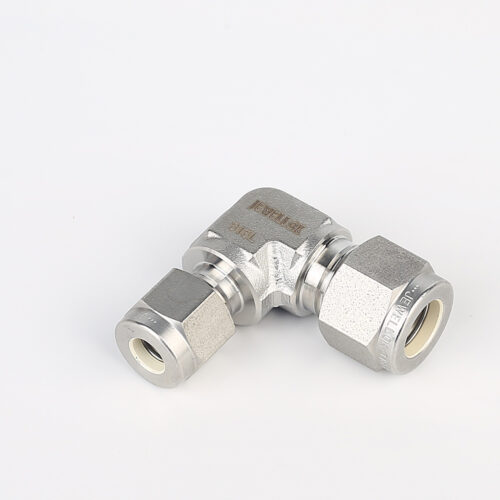
765LR Reducing Tee | Stainless Steel 316 High Purity Butt Weld Fittings Metal Face Seal For Welding Pipe Fitting Reducing Tee
-
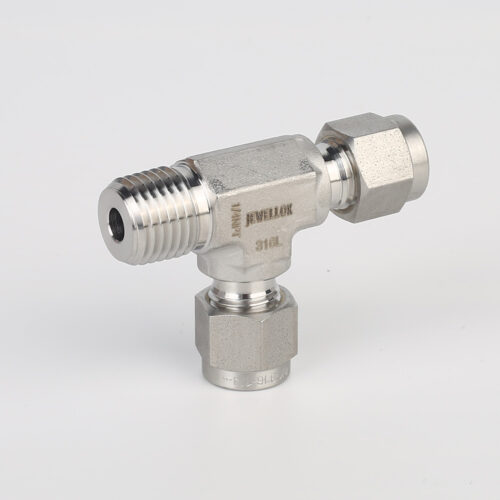
771L Male Run Tee | Stainless Steel High Quality High Purity Male Run Tee Branch Tee Pipe Fittings
-
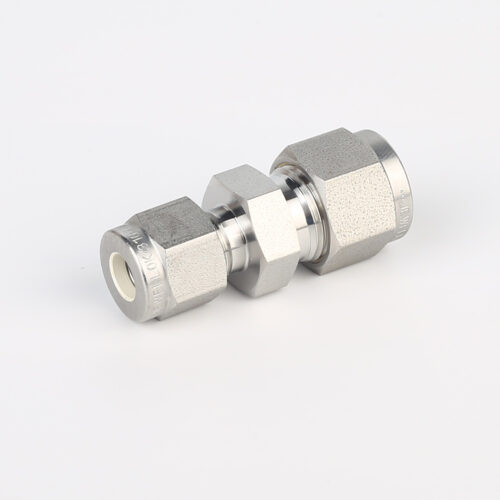
763L Stainless Steel High Purity Pressure Reducing Union Fittings And Tubing Pressure Reducing Valve Adjustment
-
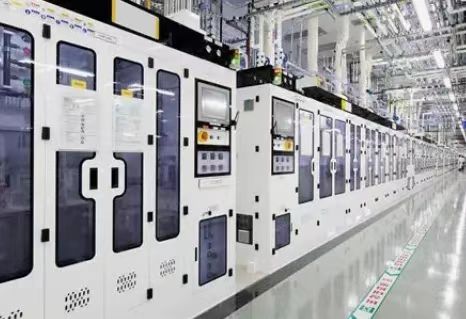
Automatic Chemical Delivery Module (CDM) and Chemical Delivery System (CDS) for Precise Point of Use Blending and Dilution
-
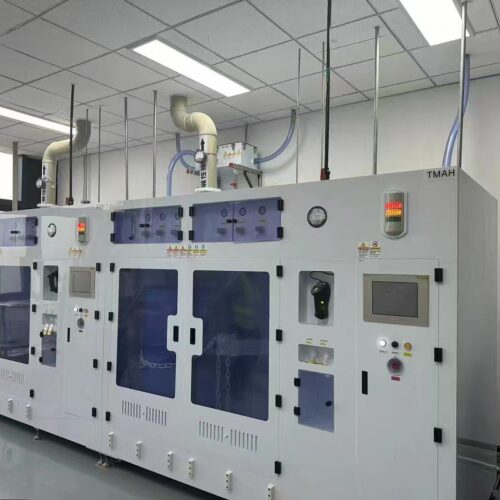
Integrated Bulk Chemical Delivery System and Automatic CDU Solutions for Safe Hazardous Chemical Fluid Handling
-
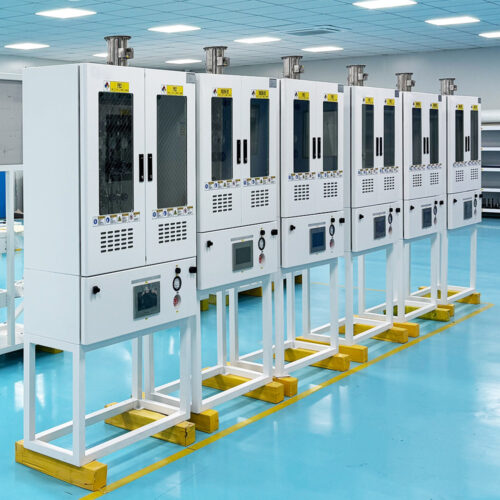
UHP Liquid Chemical Delivery Systems with Nitrogen Blanketing and Secondary Containment for Hazardous Industrial Chemical Processing
-
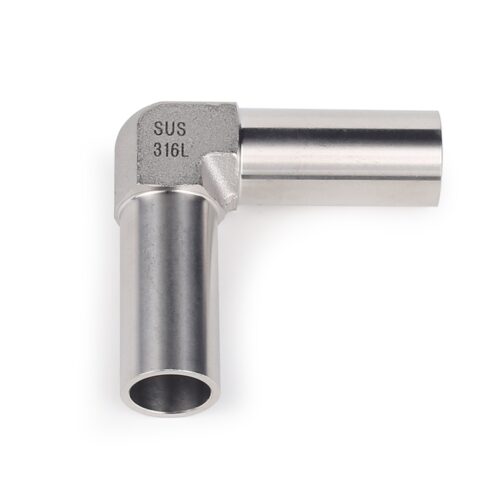
High Purity Stainless Steel Mini Tube Butt Weld Fittings For Semiconductor
-
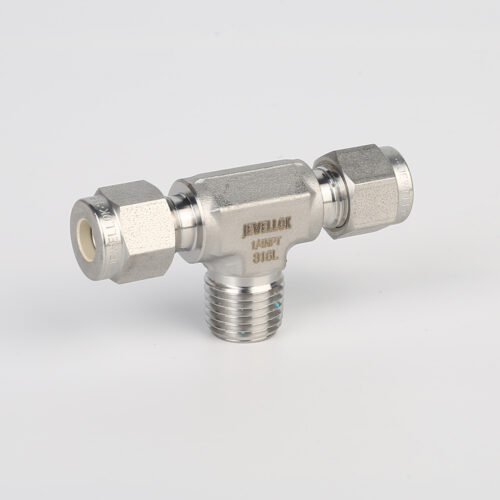
772L Male Branch Tee | Stainless Steel High-Purity Tube Fitting Male Branch Tee