
Regulator Manufacturer Tel: +86 13380377051
Regulator Manufacturer Tel: +86 13380377051
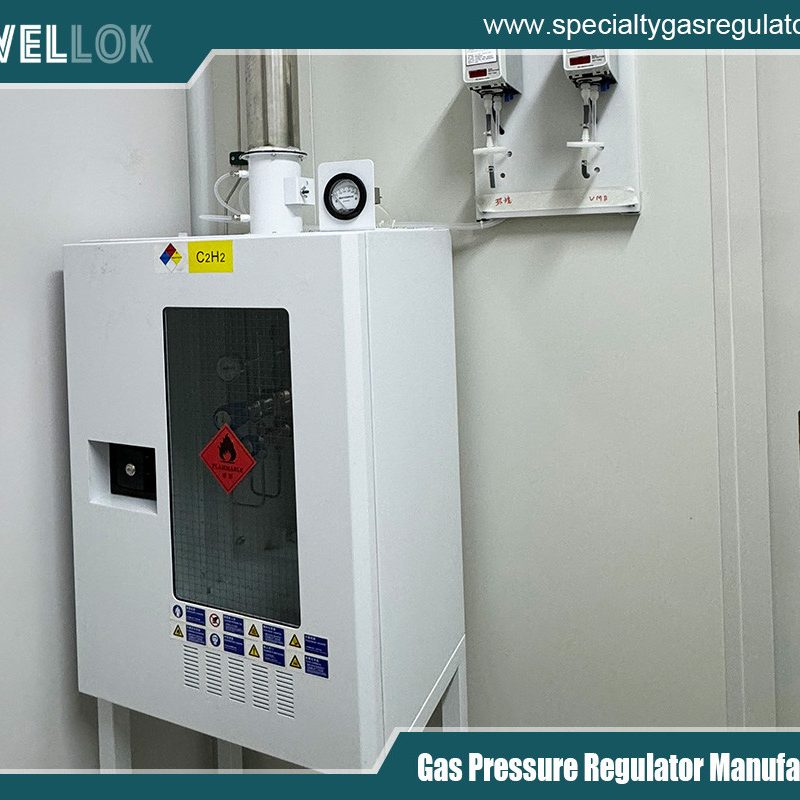
How Does a SiH4 Gas Valve Manifold Box Work
In the realm of semiconductor manufacturing and advanced materials processing, the safe and precise handling of specialty gases is paramount. Silane (SiH4), a colorless, pyrophoric gas known for its reactivity and use in chemical vapor deposition (CVD) processes, requires specialized equipment to ensure controlled delivery and minimize risks. One such critical system is the SiH4 gas valve manifold box (VMB), a compact, enclosed assembly designed to regulate, distribute, and monitor the flow of silane gas from storage cylinders to process tools. This article delves into the technical workings of a SiH4 VMB, exploring its components, operational principles, safety mechanisms, and applications. By understanding its functionality, engineers and technicians can appreciate how it integrates into high-purity gas delivery systems, enhancing efficiency and safety in industrial environments.
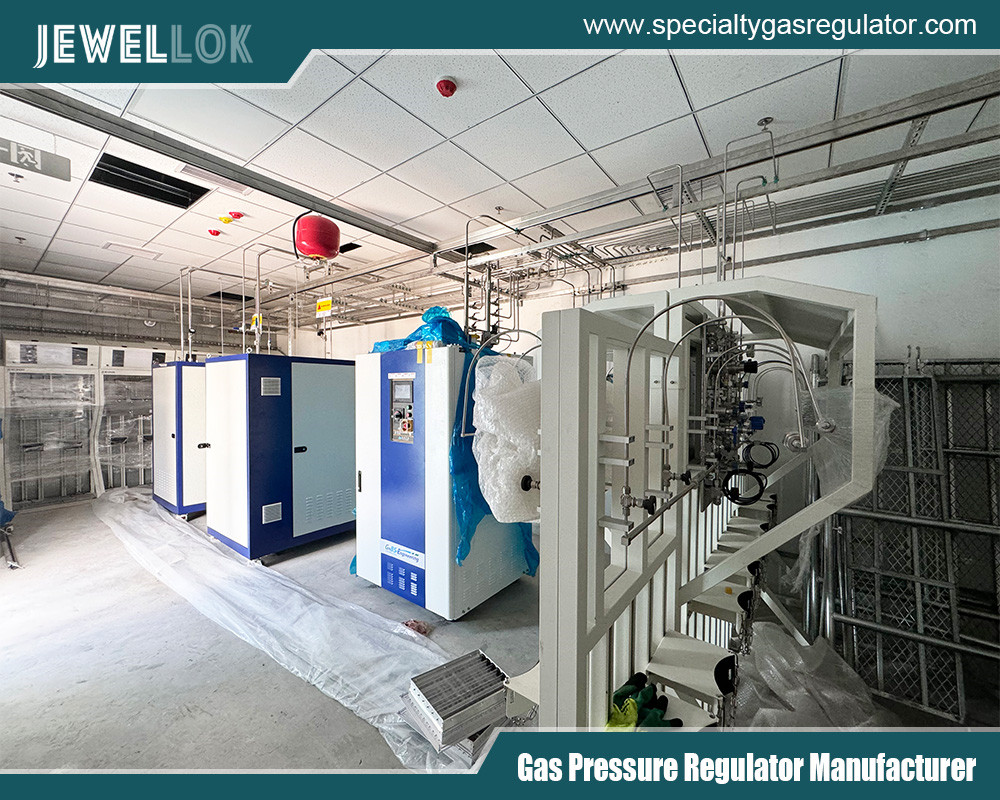
The Fundamentals of SiH4 and Its Handling Challenges
Silane gas, with the chemical formula SiH4, is a hydride of silicon that decomposes readily in the presence of oxygen or moisture, often igniting spontaneously. It is widely used in the production of silicon wafers, solar cells, and thin-film transistors due to its ability to deposit silicon layers at relatively low temperatures. However, its hazardous nature—classified as extremely flammable and toxic—demands rigorous containment and control measures. Traditional gas delivery setups, such as simple regulators and tubing, are inadequate for SiH4 because they lack the redundancy and monitoring needed to prevent leaks, overpressurization, or accidental releases.
Enter the valve manifold box: a modular, stainless-steel enclosure that houses a network of valves, regulators, gauges, and sensors. Typically wall-mounted or floor-standing, a VMB for SiH4 is engineered to handle pressures up to 3000 psi while maintaining ultra-high purity levels, often exceeding 99.999% to avoid contamination in sensitive processes. The box acts as an intermediary between gas cylinders (stored in a remote cabinet) and downstream equipment, providing automated or manual control over gas flow.
Key Components of a SiH4 Gas Valve Manifold Box
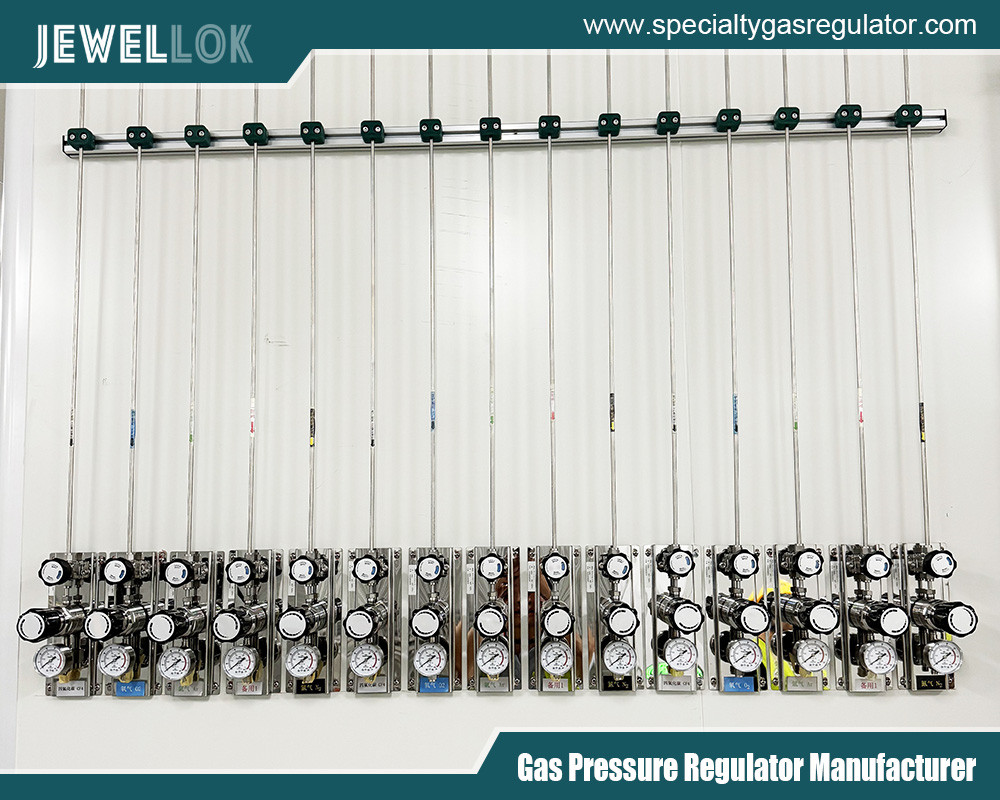
A standard SiH4 VMB comprises several interconnected components, each serving a specific role in gas management. At the core is the manifold itself, a series of interconnected pipes and valves that allow for switching between multiple gas sources. This redundancy ensures continuous supply; for instance, if one cylinder depletes, the system can seamlessly transition to another without interrupting operations.
Inlet connections are fitted with high-integrity check valves and filters to prevent backflow and remove particulates from the incoming gas. Pressure regulators, often dual-stage for precise control, reduce the high cylinder pressure (typically 1500-2000 psi) to a usable line pressure (around 50-100 psi). These regulators incorporate diaphragms made from corrosion-resistant materials like Hastelloy or Monel to withstand SiH4’s reactivity.
Valves are the workhorses of the VMB. Pneumatically actuated isolation valves, controlled by compressed air or nitrogen, provide fail-safe shutoff in emergencies. Ball valves or needle valves allow fine-tuning of flow rates, while excess flow valves (EFVs) automatically close if flow exceeds preset limits, indicating a potential leak. Gauges and transducers monitor pressure at multiple points, feeding data to a programmable logic controller (PLC) or distributed control system (DCS).
Sensors play a vital role in real-time monitoring. Toxic gas detectors, such as electrochemical sensors specific to SiH4, alert operators to concentrations as low as 5 ppm. Flow meters, often mass flow controllers (MFCs), ensure accurate delivery rates, compensating for temperature and pressure variations. The enclosure itself is ventilated, with exhaust ports connected to a scrubber system to neutralize any escaped gas.
Operational Principles: How the VMB Functions Step-by-Step
The operation of a SiH4 VMB begins with gas sourcing. Cylinders are connected via flexible pigtails to the inlet ports of the manifold. Upon activation—either manually via a control panel or automatically through a PLC—the system performs a self-check: valves cycle to verify integrity, pressures are equalized, and sensors calibrate.
Gas enters the primary regulator, where it’s stepped down to intermediate pressure. A purge cycle often follows, using inert gas like nitrogen to flush the lines and remove any residual air or moisture that could react with SiH4. This is crucial, as even trace oxygen can cause decomposition, forming silicon dioxide particulates that clog lines.
Once purged, the isolation valves open, allowing SiH4 to flow through the manifold. The MFC regulates the mass flow rate, typically in standard cubic centimeters per minute (sccm), based on process demands. If multiple outlets are present, diverter valves route the gas to specific tools, such as CVD chambers.
Throughout operation, the PLC monitors parameters continuously. For example, if pressure drops below a threshold (indicating cylinder depletion), the system switches to a backup cylinder via crossover valves. In case of anomalies—like a sudden pressure spike or detected leak—the emergency shutdown (ESD) sequence activates: all valves close, vents open, and alarms sound. Post-shutdown, a vent-and-purge routine evacuates residual SiH4 to a safe disposal system.
Advanced VMBs incorporate smart features, such as remote monitoring via Ethernet or wireless interfaces. Data logging tracks usage patterns, enabling predictive maintenance, like replacing regulators before failure.
Safety Mechanisms: Mitigating Risks in SiH4 Handling
Safety is the cornerstone of VMB design, given SiH4’s hazards. The enclosure is constructed from 316L stainless steel with welded seams to prevent leaks, and it’s often rated for explosion-proof environments (Class I, Division 1). Double-block-and-bleed (DBB) valve configurations ensure that when one section is isolated, a bleed valve vents trapped gas, reducing the risk of accidental release during maintenance.
Leak detection is multifaceted: besides gas sensors, helium leak testing during installation verifies system integrity to 10^-9 atm-cc/sec. Overpressure protection comes from rupture discs and relief valves that divert excess pressure to a flare or scrubber.
Fire suppression is integrated, with UV/IR detectors triggering CO2 or clean agent discharge. Human-machine interface (HMI) panels provide intuitive controls, with lockout/tagout provisions for safe servicing. Compliance with standards like SEMI S2 (for semiconductor equipment safety) and NFPA 55 (for compressed gases) ensures the VMB meets global safety benchmarks.
Applications in Industry
SiH4 VMBs are indispensable in semiconductor fabs, where they feed plasma-enhanced CVD tools for depositing amorphous silicon. In photovoltaics, they support the production of thin-film solar panels. Research labs use smaller-scale VMBs for epitaxial growth experiments. Beyond silicon-based applications, similar systems handle other hydride gases like germane (GeH4) in compound semiconductor manufacturing.
The modularity of VMBs allows customization: for high-throughput fabs, multi-cylinder manifolds increase capacity; for R&D, compact designs suffice. Integration with building management systems (BMS) enables facility-wide gas monitoring, optimizing energy use and safety.
Challenges and Future Trends
Despite their robustness, SiH4 VMBs face challenges like material compatibility—SiH4 can degrade certain polymers—and the need for frequent calibration. Maintenance requires specialized training to handle hazardous materials.
Looking ahead, advancements include IoT-enabled predictive analytics, using AI to forecast failures from sensor data. Sustainable designs focus on reducing purge gas consumption, aligning with green manufacturing goals. Hybrid systems combining VMBs with on-site gas generators could minimize cylinder handling risks.
Conclusion
The SiH4 gas valve manifold box exemplifies engineering ingenuity in managing hazardous gases. By integrating valves, regulators, sensors, and controls within a secure enclosure, it ensures precise, safe delivery of silane for critical industrial processes. Understanding its components and operations empowers professionals to optimize performance, prevent incidents, and drive innovation in materials science. As technology evolves, the VMB will remain a vital safeguard in the pursuit of advanced electronics and renewable energy solutions.
For more about how does a sih4 gas valve manifold box work, you can pay a visit to Jewellok at https://www.specialtygasregulator.com/product-category/specialty-gas-cabinet/ for more info.
-
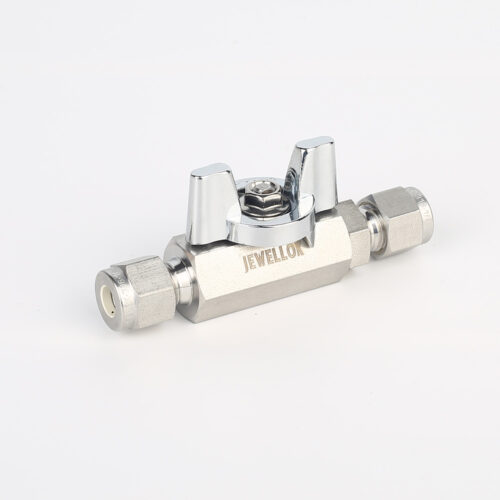
Stainless Steel High-Purity High Temperature Metal Seated Ball Valves JBV3 Series
-
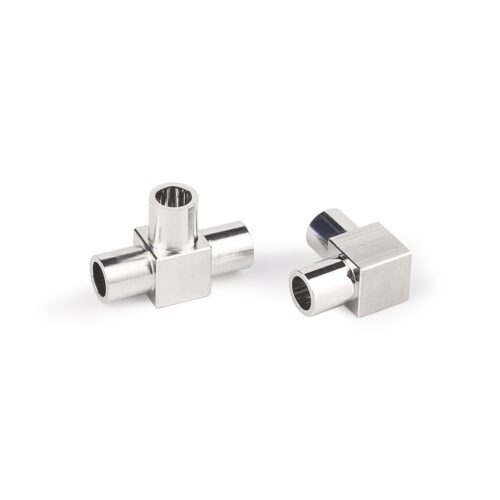
Stainless Steel Mini Elbow Mini Tee Mini Cross Mini Tribow Ultrahigh Purity Mini Butt Weld Fittings
-
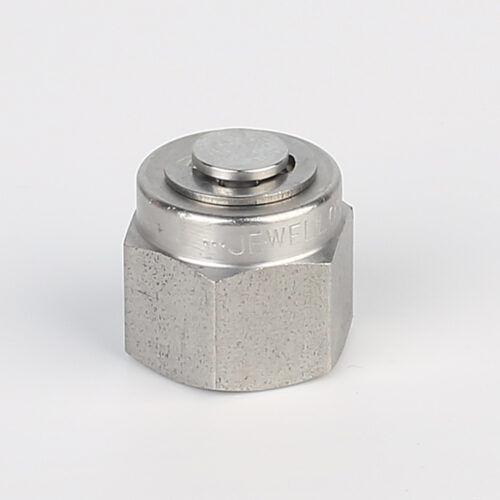
7121L Plug High Purity Plug Fitting And Blanking Plug
-
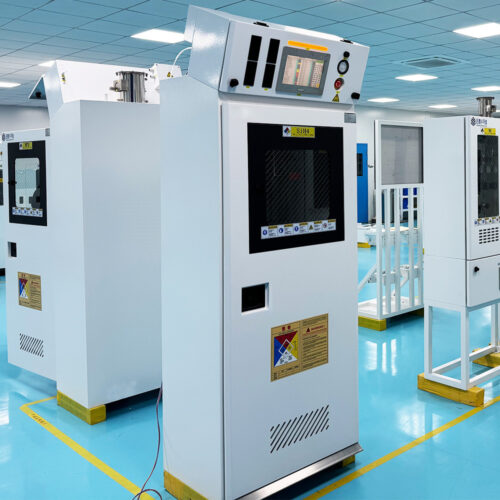
Fully Automated Gas Cabinet For Precise UHP Gas Delivery And High Purity Gas Delivery Systems JW-300-GC
-
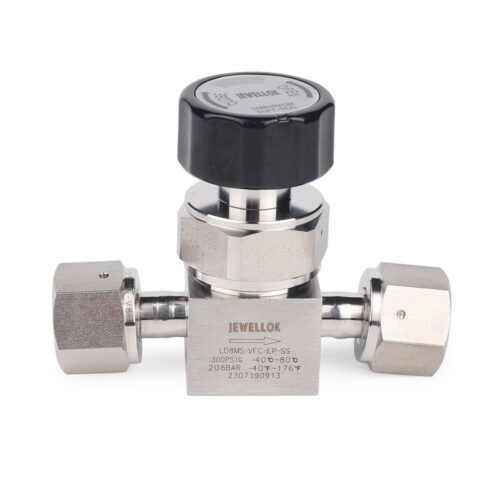
Flow Control Stainless Steel Low Pressure Manual Diaphragm Valve For High Purity And Ultra High Purity Gases
-
Advanced Exhaust Gas Scrubber System Design for 99% Removal Efficiency of Industrial Toxic Gases
-
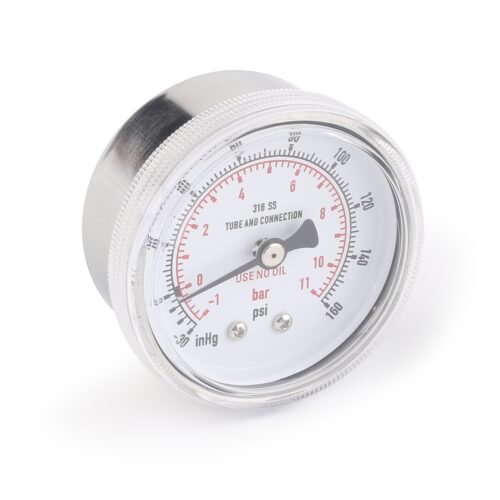
Ultra High Purity Pressure Gauge For Laboratory And Semiconductor JR Series
-
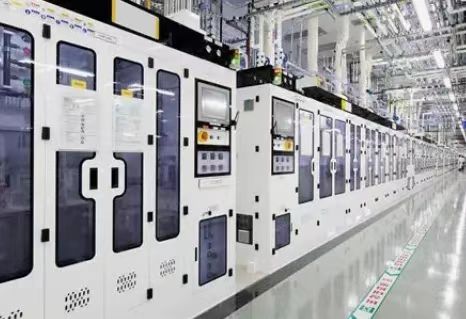
Automatic Chemical Delivery Module (CDM) and Chemical Delivery System (CDS) for Precise Point of Use Blending and Dilution