
Regulator Manufacturer Tel: +86 13380377051
Regulator Manufacturer Tel: +86 13380377051
The Science of Surface Roughness in Ultra-High Purity (UHP) Diaphragm Valves
Ultra high purity (UHP) diaphragm valves feature various levels of internal surface roughness, primarily measured by the Ra (Roughness Average) parameter, to prevent contamination in critical applications. The typical range of surface roughness for UHP diaphragm valves is from 5 µin (0.13 µm) to 25 µin (0.6 µm).
Common Surface Roughness Types
UHP diaphragm valves are typically produced with specific surface finishes, verified using instruments in accordance with standards like ASME B46.1.
- 5 µin Ra (0.13 µm): This is one of the smoothest finishes available for UHP components, often achieved through a combination of mechanical polishing and electropolishing. This level is used in the most demanding semiconductor applications to ensure minimal particle generation and contamination.
- 8 µin Ra (0.20 µm): Some specific UHP stainless steel products, such as certain series of bellows and diaphragm valves, have a process mean roughness average of 8 µin Ra.
- 10 µin Ra (0.25 µm): This finish is a common standard for high-purity applications, offering a good balance of smoothness and cost-effectiveness. Electropolishing is also available as an option to achieve this level consistently.
- 25 µin Ra (0.6 µm): Often associated with general high-purity or hygienic applications (e.g., bioprocessing and pharmaceuticals), this finish is also found on some UHP plastic components in accordance with standards like SEMI F57.
Measurement Parameters
The primary measurement parameters used in the UHP industry are Ra and Rz.
- Ra (Roughness Average): This is the arithmetic average of the absolute values of the profile height deviations within the evaluation length. Ra is the most common and standardized parameter for general surface roughness specification and quality control in UHP applications.
- Rz (Mean Roughness Depth): This parameter measures the average vertical distance between the highest peak and lowest valley in each sampling length. Rz is more sensitive to extreme irregularities like scratches and pits, which can be critical for sealing performance.
Surface Treatment Processes
Achieving these precise surface finishes often involves specific manufacturing and post-processing methods:
- Mechanical Polishing: A process using abrasive materials to smooth the surface, which is a key step in achieving specific Ra values before further refinement.
- Electropolishing: This electrochemical process removes a thin layer of material, resulting in a mirror-smooth finish with lower Ra values, often down to 5 or 10 µin. It also improves corrosion resistance by passivating the surface.
- Passivation: While not a finishing method in itself, passivation is a crucial post-treatment for stainless steel UHP components. It removes free iron from the surface using an acid solution, enhancing the material’s corrosion resistance.
Why Surface Finish is the Foundation of Purity
In the world of semiconductor manufacturing, bioprocessing, and high-tech gas delivery, the “Ultra-High Purity” (UHP) designation is more than a marketing term—it is a rigorous engineering mandate. At the heart of these systems is the diaphragm valve, a critical component whose internal “wetted” surfaces must be near-flawless.
Surface roughness is the primary metric used to determine if a valve can operate without introducing contaminants. Even microscopic peaks and valleys (roughness) can trap moisture, gases, or particulate matter, leading to “outgassing” or particle shedding that can ruin a multi-million dollar semiconductor wafer or contaminate a pharmaceutical batch.
- Key Measurement Parameters: Decoding Ra and Rz
Understanding the technical specifications of a UHP valve requires a deep dive into the metrology of surface texture. According to the ASME B46.1 standard, two primary parameters define the quality of these surfaces:
- Ra (Roughness Average):This is the arithmetic mean of all absolute distances of the roughness profile from the center line within the evaluation length. It is the most universally used parameter for general quality control.
- Rz (Mean Roughness Depth):Unlike Ra, which averages everything out, Rz calculates the average vertical distance between the five highest peaks and the five deepest valleys. In UHP applications, Rz is critical because it identifies the “extremes”—the deep crevices where bacteria or particles are most likely to hide.
- Standard Surface Roughness Levels in UHP Applications
Depending on the medium (gas vs. liquid) and the industry, different Ra values are specified. Leading manufacturers like Swagelok categorize their products based on these process means:
- 5 µin Ra (0.13 µm):The “Gold Standard” for semiconductor gas delivery. This ultra-smooth finish is achieved through precision machining followed by advanced electropolishing.
- 8 µin Ra (0.20 µm):Common for high-end bellows and specific diaphragm valve series (e.g., DL and DS series) where extreme purity is required but 5 µin is not strictly mandated.
- 10 µin Ra (0.25 µm):A standard high-purity finish often used in general instrumentation and high-quality laboratory gas systems.
- 20 to 25 µin Ra (0.5 to 0.6 µm):Typical for hygienic bioprocessing (ASME BPE SF1) or UHP plastic components like PFA valves, which must comply with the SEMI F57 standard.
- Advanced Surface Treatment Processes
A raw machined surface is never “UHP-ready.” It must undergo a series of treatments to reach the required micro-inch finish.
Mechanical Polishing (MP)
This is the foundational step. Using increasingly fine abrasives, the surface is leveled. While MP reduces Ra, it can also embed abrasive particles and distort the metal’s crystal structure, creating microscopic “smears” that trap contaminants.
Electropolishing (EP)
This is the transformative step for UHP stainless steel. By using an electrochemical bath, the “peaks” of the surface are dissolved faster than the “valleys.” Electropolishing can reduce Ra by up to 50% compared to mechanical polishing alone. The result is a “featureless,” mirror-like surface that is significantly easier to clean and provides a higher chromium-to-iron ratio for superior corrosion resistance.
Passivation
Following polishing, passivation involves treating the surface with an acid solution (usually nitric or citric) to remove free iron. This leaves behind a protective, chromium-rich oxide layer. In UHP systems, this layer is the final defense against corrosion and chemical interaction with the process media.
- Regulatory Standards: SEMI vs. ASME BPE
Engineers must select valves based on the specific standards governing their industry:
- SEMI F57:The standard for polymer components in semiconductor ultrapure water (UPW) and liquid chemical systems. It caps wetted surface roughness at 25 µin Ra.
- ASME BPE:The Bioprocessing Equipment standard used in pharmaceuticals. It defines finishes like SF1 (20 µin Ra max) and SF4 (15 µin Ra max with electropolishing).
Conclusion: The Path to Zero Contamination
Achieving the perfect surface finish in a UHP diaphragm valve is a balance of mechanical precision and chemical science. By specifying the correct Ra/Rz values and ensuring the valve has undergone proper electropolishing and passivation, engineers can ensure system longevity and product purity.
For more about the science of surface roughness in ultra-high purity (uhp) diaphragm valves, you can pay a visit to Jewellok at https://www.specialtygasregulator.com/product-category/ultra-high-purity-diaphragm-valves/ for more info.
-
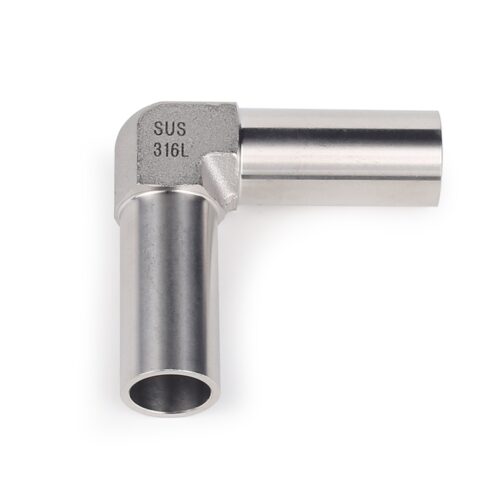
High Purity Stainless Steel Mini Tube Butt Weld Fittings For Semiconductor
-
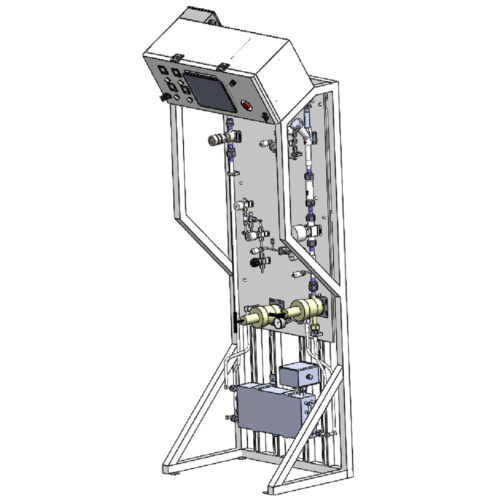
High Purity High Pressure Specialty Gas Bottle Gas Cylinder Storage Cabinet And Gas Pressure Regulating Cabinet For Semiconductor
-
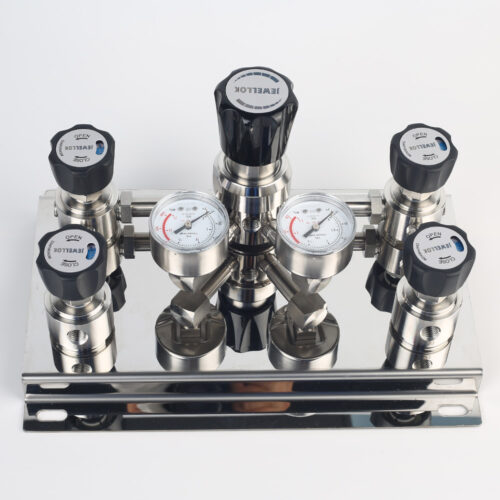
Single Stage Wall And Cabinet Mounting Pressure Control Panels JSP-2E Series For High Purity Gases
-
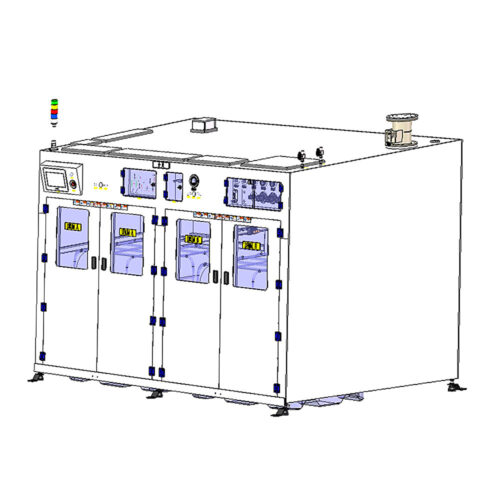
High Purity Chemical Dispense System & Packing System For Semiconductors JW-200L-CDM & JW-1000L-CDM
-
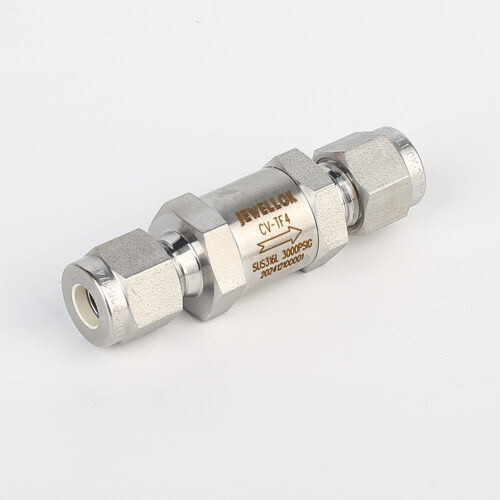
High Pressure High-Purity Welded Check Valves And Low Cracking Pressure Check Valve JCV1 Series
-
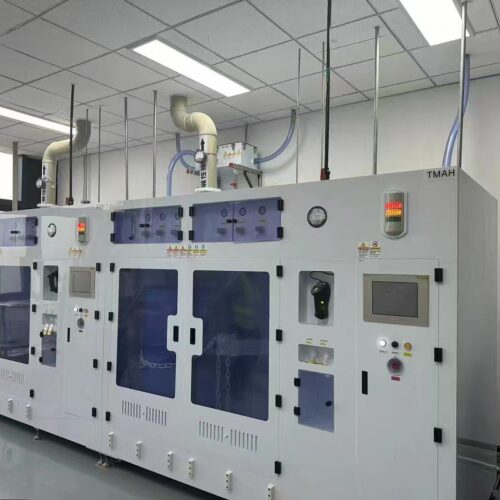
Custom Bulk Chemical Delivery System and Automatic Chemical Dispense Unit (CDU) for Solar Cell and EV Battery Production
-
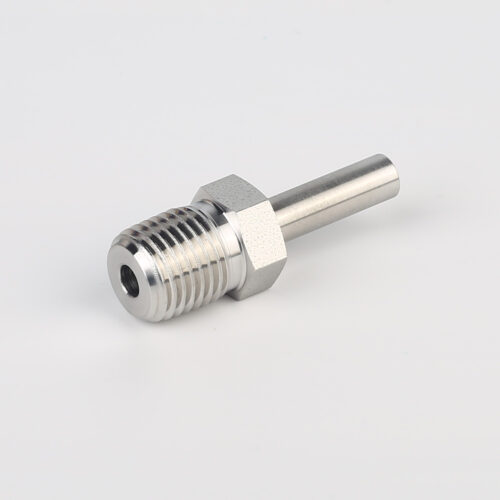
739 High Purity LMR Male Adapter Tube To Pipe Fittings And Adapters
-
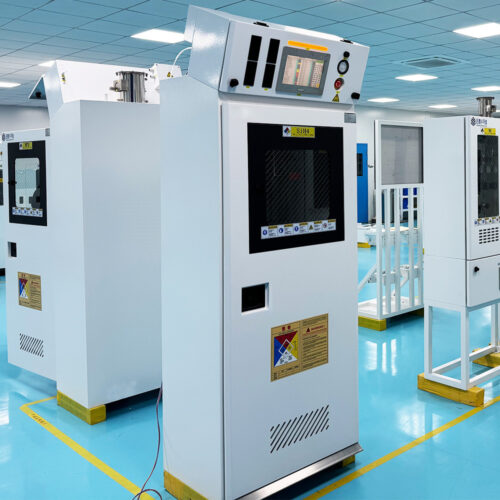
Fully Automated Gas Cabinet For Precise UHP Gas Delivery And High Purity Gas Delivery Systems JW-300-GC