
Regulator Manufacturer Tel: +86 13380377051
Regulator Manufacturer Tel: +86 13380377051
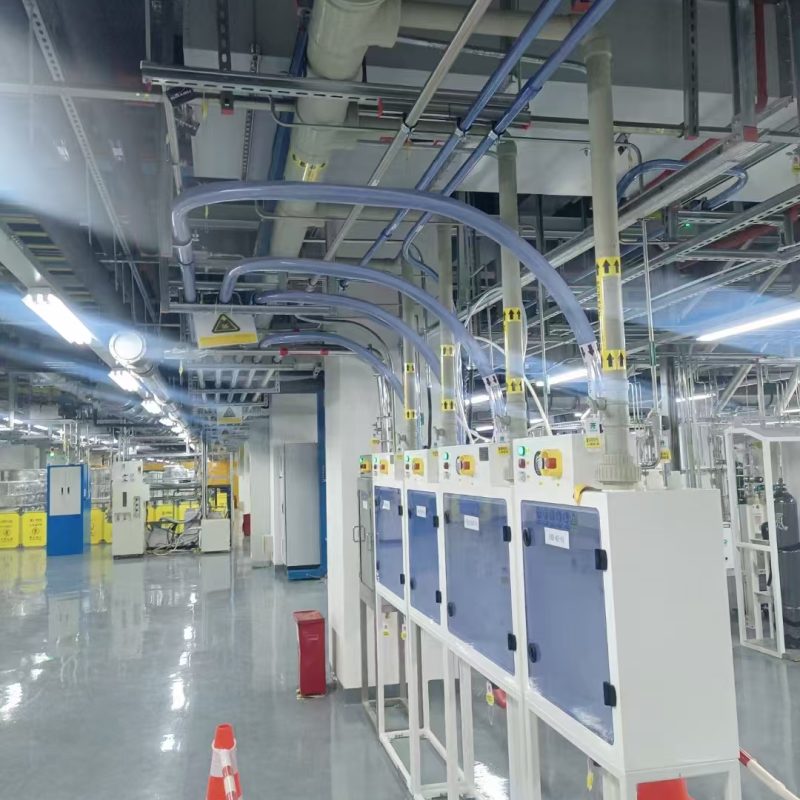
Toxic Gas Cabinet: Design, Function, and Safety in Hazardous Gas Handling
1. Introduction
Toxic gases are widely used across industries such as semiconductor manufacturing, pharmaceuticals, chemical processing, and research laboratories. While these gases are essential for various high-precision applications, they pose significant risks to human health, equipment, and the environment if not properly handled. Even minimal exposure to certain toxic gases—such as arsine (AsH₃), phosphine (PH₃), chlorine (Cl₂), or ammonia (NH₃)—can lead to severe health consequences or fatalities.
To mitigate these risks, toxic gas cabinets are employed as a critical engineering control measure. These cabinets are specifically designed enclosures that safely house gas cylinders and associated delivery systems, preventing leaks, controlling exposure, and ensuring compliance with stringent safety regulations.
This article provides a comprehensive overview of toxic gas cabinets, including their design principles, key components, operational functions, regulatory requirements, and best practices for safe usage.
2. What Is a Toxic Gas Cabinet?
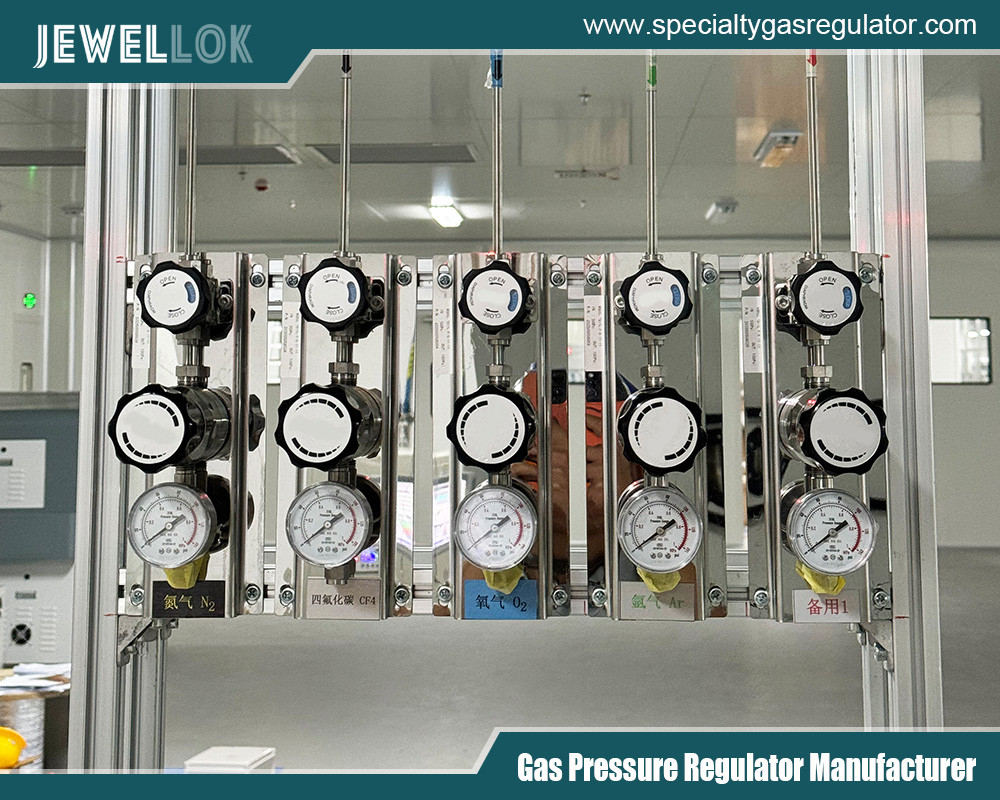
A toxic gas cabinet is a ventilated, enclosed system designed to store and dispense hazardous gases safely. It serves as a physical barrier between the gas source and the external environment, minimizing the risk of accidental exposure.
The cabinet integrates multiple safety systems such as gas detection, automatic shutoff valves, ventilation systems, and alarm mechanisms. These features work together to detect leaks, isolate hazards, and alert personnel in real time.
Toxic gas cabinets are typically used for gases classified as toxic, corrosive, pyrophoric, or otherwise hazardous under regulatory standards such as OSHA, NFPA, and SEMI guidelines.
3. Key Design Features
3.1 Structural Construction
Toxic gas cabinets are usually constructed from high-grade steel, often with a powder-coated or corrosion-resistant finish. Stainless steel interiors may be used for applications involving highly corrosive gases.
The cabinet must be:
- Airtight to prevent leakage
- Fire-resistant (often rated for 30–90 minutes)
- Structurally robust to withstand pressure fluctuations
Sealed doors with gaskets and secure locking mechanisms ensure containment integrity.
3.2 Ventilation System
Ventilation is one of the most critical aspects of a toxic gas cabinet. The cabinet is connected to an exhaust system that continuously removes contaminated air.
Key parameters include:
- Face velocity (typically 100–200 feet per minute)
- Negative pressure design to prevent gas escape
- Exhaust duct compatibility with hazardous gases
Proper ventilation ensures that any leaked gas is immediately diluted and expelled safely.
3.3 Gas Detection System
Gas detectors are installed inside the cabinet to monitor for leaks continuously. These sensors are calibrated to detect specific gases at very low concentration levels (ppm or even ppb).
Common detector types:
- Electrochemical sensors
- Infrared (IR) sensors
- Semiconductor sensors
When gas levels exceed preset thresholds, the system triggers alarms and initiates emergency protocols.
3.4 Automatic Shutoff System
In case of a leak or abnormal condition, the cabinet is equipped with automatic shutoff valves. These valves can isolate the gas supply instantly, preventing further release.
Shutoff systems may be triggered by:
- Gas detection alarms
- Excess flow conditions
- Manual emergency stop buttons
This feature significantly reduces the severity of potential incidents.
3.5 Control Panel and Alarm System
A centralized control panel provides real-time monitoring and control of cabinet functions. It typically includes:
- Digital display of gas concentration levels
- Status indicators for valves and sensors
- Audible and visual alarms
Advanced systems may integrate with facility-wide monitoring systems for remote supervision.
4. Types of Toxic Gas Cabinets
Toxic gas cabinets can be classified based on their application and gas type:
4.1 Single Cylinder Cabinet
Designed to house one gas cylinder, typically used in laboratories or small-scale operations.
4.2 Dual Cylinder Cabinet
Accommodates two cylinders, often configured for automatic switchover to ensure continuous gas supply.
4.3 Specialty Gas Cabinet
Designed for specific gases such as pyrophoric or highly corrosive gases, requiring additional safety features.
4.4 High-Purity Gas Cabinet
Used in semiconductor industries, where gas purity is critical. These cabinets are equipped with ultra-clean components and minimal dead volume.
5. Applications
Toxic gas cabinets are widely used in industries where hazardous gases are essential:
5.1 Semiconductor Manufacturing
Processes such as chemical vapor deposition (CVD) and etching require toxic gases like silane and phosphine.
5.2 Chemical Processing
Used for handling chlorine, hydrogen sulfide, and other industrial gases.
5.3 Pharmaceutical Industry
Certain synthesis processes involve toxic intermediates requiring controlled environments.
5.4 Research Laboratories
Academic and industrial labs use toxic gases for experimentation under controlled conditions.
6. Safety Standards and Regulations
The design and operation of toxic gas cabinets must comply with various international standards:
6.1 OSHA (Occupational Safety and Health Administration)
Defines permissible exposure limits (PELs) and safety requirements for hazardous gases.
6.2 NFPA (National Fire Protection Association)
NFPA 55 provides guidelines for compressed gases and cryogenic fluids.
6.3 SEMI Standards
SEMI S2 and SEMI S6 are particularly relevant for semiconductor equipment safety and exhaust systems.
6.4 CGA (Compressed Gas Association)
Provides best practices for gas storage and handling.
Compliance with these standards ensures both worker safety and legal adherence.
7. Operational Best Practices
To ensure safe and efficient operation, users must follow strict protocols:
7.1 Regular Inspection and Maintenance
- Check for leaks using approved methods
- Calibrate gas detectors periodically
- Inspect valves and fittings for wear
7.2 Proper Installation
- Ensure correct exhaust connections
- Maintain required clearance around the cabinet
- Verify electrical grounding
7.3 Training and Procedures
Personnel must be trained in:
- Emergency response procedures
- Proper cylinder handling
- System operation and troubleshooting
7.4 Emergency Preparedness
Facilities should have:
- Emergency shutdown procedures
- Personal protective equipment (PPE)
- Evacuation plans
8. Advantages of Toxic Gas Cabinets
The use of toxic gas cabinets offers numerous benefits:
- Enhanced Safety: Minimizes exposure risks
- Regulatory Compliance: Meets industry standards
- Leak Containment: Prevents environmental contamination
- Process Reliability: Ensures stable gas delivery
- Operational Efficiency: Automated safety features reduce manual intervention
9. Challenges and Considerations
Despite their advantages, toxic gas cabinets require careful consideration:
- High Initial Cost: Advanced systems can be expensive
- Maintenance Requirements: Regular servicing is essential
- Space Constraints: Cabinets require dedicated installation areas
- System Complexity: Integration with facility systems may be challenging
Proper planning and expert consultation can help overcome these challenges.
10. Future Trends
The evolution of toxic gas cabinet technology is driven by increasing safety demands and technological advancements:
10.1 Smart Monitoring Systems
Integration with IoT and cloud platforms allows real-time monitoring and predictive maintenance.
10.2 Enhanced Sensor Technology
More sensitive and selective sensors improve detection accuracy.
10.3 Automation and AI
Automated response systems and AI-driven analytics enhance safety and efficiency.
10.4 Sustainable Design
Energy-efficient ventilation systems and environmentally friendly materials are becoming more common.
11. Conclusion
Toxic gas cabinets play a vital role in ensuring the safe handling and storage of hazardous gases across various industries. By combining robust structural design with advanced safety systems, these cabinets provide an essential layer of protection against potential hazards.
Understanding their design, functionality, and operational requirements is crucial for any organization dealing with toxic gases. With proper implementation and adherence to safety standards, toxic gas cabinets not only protect human health and the environment but also contribute to efficient and reliable industrial processes.
As technology continues to advance, toxic gas cabinets will become even more sophisticated, offering improved safety, smarter monitoring, and greater integration with modern industrial systems.
For more about the toxic gas cabinet: design, function, and safety in hazardous gas handling, you can pay a visit to Jewellok at https://www.specialtygasregulator.com/product-category/specialty-gas-cabinet/ for more info.
-
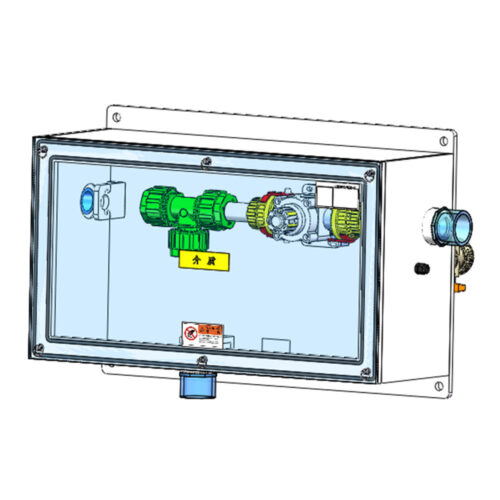
FT-BOX JW-FTB-C Valve Manifold Panels And Boxes With High Purity Configurable Systems
-
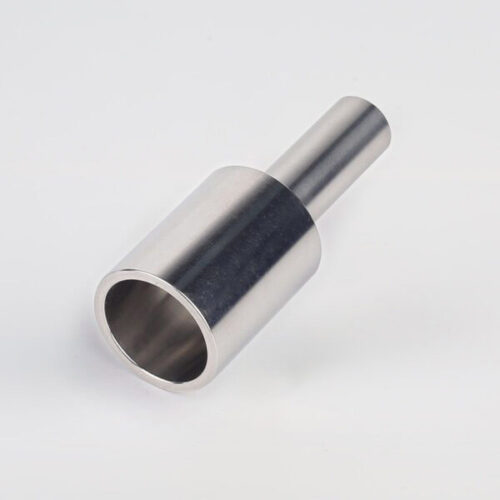
316L Stainless Steel Tube Butt Weld Reducing Fittings Union Reducer RW Series Ultrahigh Purity Process
-
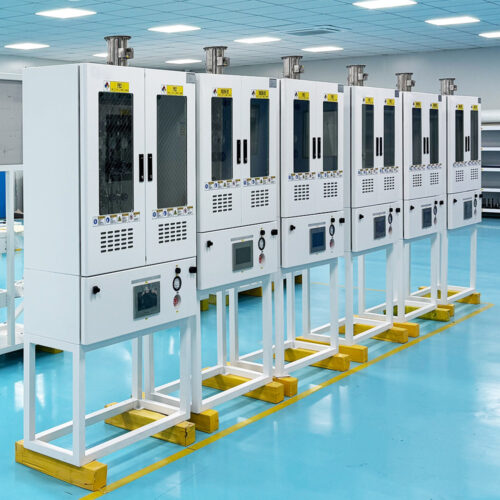
Ultra High Purity Gas Delivery Systems And Liquid Chemical Delivery Systems JW-300-LDS
-
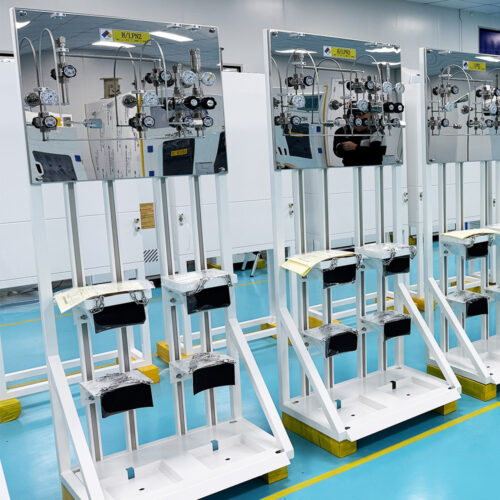
Semi-Automatic VMB Gas Cabinet Gas Changeover Manifold With Semiconductor Valve Manifold Box Diaphragm Valves And Gas Pressure Regulators
-
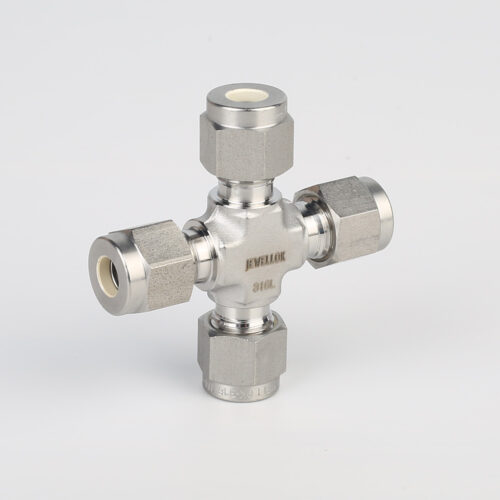
7102L Stainless Steel 316L SS Union Cross Ultra High Purity Long Arm Union Elbow Tee Cross Butt Weld Fittings
-
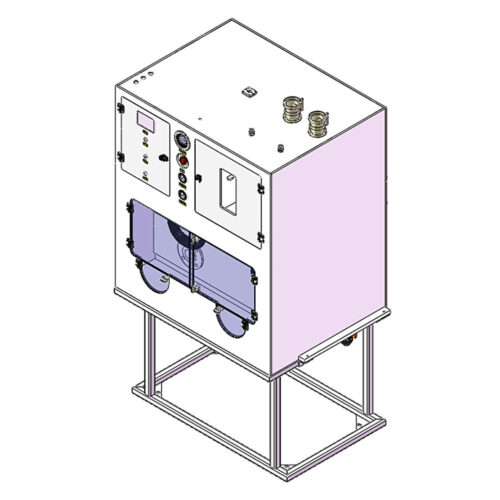
Clean Connection Cabinet JW-300-CCB Valve Manifold Box And Control Valve Box
-
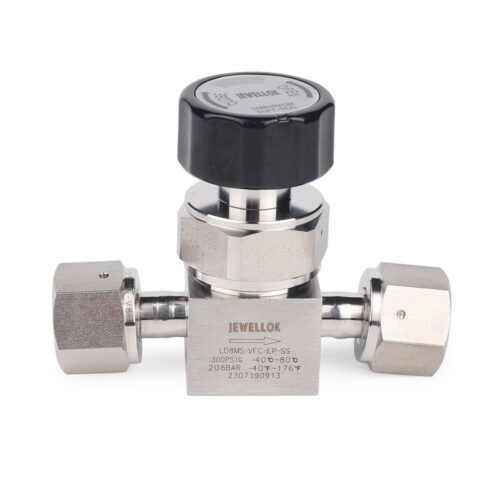
Flow Control Stainless Steel Low Pressure Manual Diaphragm Valve For High Purity And Ultra High Purity Gases
-
Integrated Gas Delivery Solutions with VMB Valve Manifold Box and Automatic Gas Switchover Systems for Industrial