
Regulator Manufacturer Tel: +86 13380377051
Regulator Manufacturer Tel: +86 13380377051
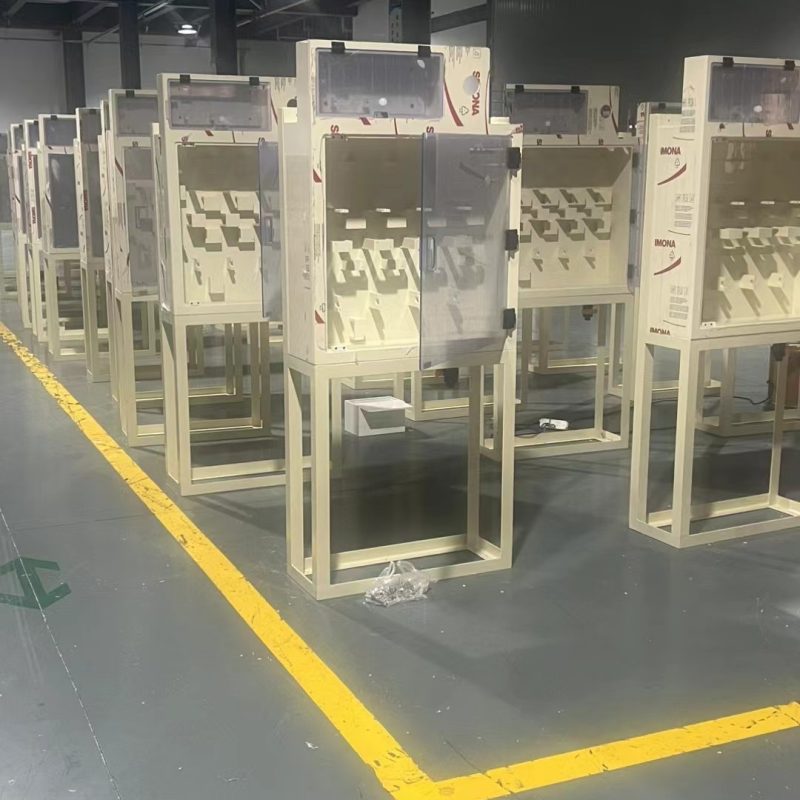
Custom Exhaust Gas Treatment Cabinets for Industrial Waste Gas Solutions
In modern industrial environments, the management of hazardous exhaust gases has become a critical concern driven by increasingly stringent environmental regulations, workplace safety requirements, and sustainability goals. Industries such as semiconductor manufacturing, chemical processing, pharmaceuticals, and advanced materials production generate a wide variety of toxic, corrosive, and volatile gases that must be treated effectively before release into the atmosphere. Custom exhaust gas treatment cabinets have emerged as an essential solution, offering tailored, high-performance systems designed to handle complex waste gas streams safely and efficiently.
1. Introduction to Exhaust Gas Treatment Challenges
Industrial waste gases often contain harmful substances including volatile organic compounds (VOCs), acid gases (such as HCl, HF, SO₂), ammonia, and toxic by-products generated during manufacturing processes. These emissions pose serious risks:
- Environmental pollution: Contributing to smog, acid rain, and climate change
- Health hazards: Causing respiratory issues, chemical burns, or long-term illnesses
- Regulatory non-compliance: Leading to fines, shutdowns, or legal liabilities
Standardized treatment systems are often insufficient because each industrial process produces a unique gas composition, flow rate, temperature, and pressure profile. This is where custom exhaust gas treatment cabinets provide a significant advantage.
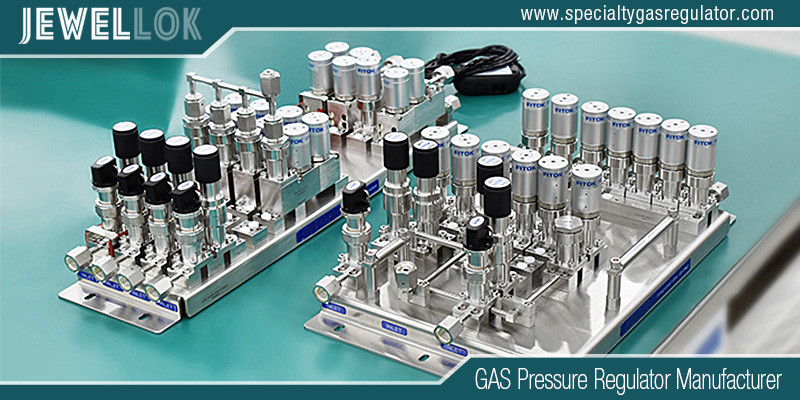
2. What Are Custom Exhaust Gas Treatment Cabinets?
Custom exhaust gas treatment cabinets are engineered enclosures that integrate various gas abatement technologies into a compact, modular system. These cabinets are designed specifically for the client’s application, ensuring optimal compatibility with process conditions and facility layouts.
A typical cabinet includes:
- Gas inlet and outlet interfaces
- Treatment modules (scrubbers, filters, reactors)
- Sensors and monitoring systems
- Control panels and automation units
- Safety features such as leak detection and emergency shut-off
Unlike generic systems, custom cabinets are designed after a detailed analysis of the gas composition and operational requirements.
3. Key Technologies Used in Gas Treatment Cabinets
Custom cabinets can incorporate a combination of technologies depending on the nature of the waste gas:
3.1 Wet Scrubbing Systems
Wet scrubbers are widely used to remove acid gases and water-soluble compounds. The exhaust gas passes through a liquid medium (typically water or alkaline solution), where contaminants are absorbed and neutralized.
Advantages:
- Effective for corrosive gases
- High removal efficiency
- Relatively simple operation
3.2 Dry Scrubbing Systems
Dry scrubbers use solid sorbents such as activated alumina or impregnated carbon to capture pollutants. These systems are ideal for applications where water use is undesirable.
Advantages:
- No liquid waste generation
- Lower maintenance
- Compact design
3.3 Activated Carbon Filtration
Activated carbon filters adsorb VOCs and organic compounds through a high surface area structure. They are commonly used as a polishing stage after primary treatment.
3.4 Thermal Oxidation
For combustible gases, thermal oxidizers break down hazardous compounds at high temperatures, converting them into less harmful substances such as CO₂ and water vapor.
3.5 Catalytic Systems
Catalytic oxidation lowers the required temperature for gas treatment by using catalysts, improving energy efficiency while maintaining high destruction efficiency.
4. Advantages of Customization
4.1 Process-Specific Design
Each industrial process produces a distinct gas profile. Custom cabinets are engineered based on:
- Gas composition analysis
- Flow rate and pressure conditions
- Temperature and humidity levels
This ensures optimal treatment performance and avoids under- or over-engineering.
4.2 Space Optimization
Industrial facilities often face space constraints. Custom cabinets can be designed with compact footprints, vertical stacking, or modular layouts to fit available installation areas.
4.3 Enhanced Safety
Safety is a top priority when handling hazardous gases. Custom systems include:
- Real-time gas monitoring sensors
- Automatic shutdown mechanisms
- Explosion-proof components
- Corrosion-resistant materials (e.g., stainless steel, PP, PVDF)
4.4 Regulatory Compliance
Custom cabinets are designed to meet local and international environmental standards, ensuring compliance with emission limits and workplace safety regulations.
5. Materials and Construction Considerations
The choice of materials is crucial in ensuring durability and performance:
- Stainless steel (SS304/SS316): مقاustion resistance and structural strength
- Polypropylene (PP): Excellent chemical resistance for acid gases
- PVDF (Polyvinylidene fluoride): High resistance to aggressive chemicals and high temperatures
The internal structure must also be designed to minimize pressure drop and maximize contact efficiency between gas and treatment media.
6. Automation and Smart Control Systems
Modern exhaust gas treatment cabinets are equipped with advanced control systems that enhance performance and reliability:
- PLC-based control systems for automated operation
- Human-Machine Interface (HMI) for real-time monitoring
- Remote monitoring capabilities via IoT integration
- Alarm systems for abnormal conditions
These features allow operators to monitor gas concentrations, system status, and maintenance needs in real time, reducing downtime and improving efficiency.
7. Applications Across Industries
7.1 Semiconductor Manufacturing
Processes such as chemical vapor deposition (CVD) and etching produce toxic gases like silane, ammonia, and fluorinated compounds. Custom cabinets ensure safe and compliant treatment.
7.2 Chemical Processing
Chemical plants generate diverse waste gases requiring multi-stage treatment systems combining scrubbing, adsorption, and oxidation.
7.3 Pharmaceutical Industry
Handling solvent vapors and reactive gases demands precise and reliable gas treatment solutions to protect both workers and products.
7.4 Laboratory and Research Facilities
Laboratories often deal with small but highly hazardous gas volumes, requiring compact and flexible cabinet solutions.
8. Maintenance and Lifecycle Considerations
Proper maintenance is essential for sustained performance:
- Regular replacement of filters and sorbents
- Inspection of pumps, valves, and sensors
- Cleaning of scrubber systems to prevent clogging
- Calibration of monitoring instruments
Custom cabinets are often designed with easy-access panels and modular components to simplify maintenance procedures.
9. Environmental and Economic Benefits
Investing in custom exhaust gas treatment cabinets provides both environmental and economic advantages:
- Reduced emissions and improved air quality
- Lower regulatory risks and compliance costs
- Energy-efficient operation with optimized system design
- Extended equipment lifespan through proper material selection
Additionally, some systems allow for the recovery and reuse of certain chemicals, further improving sustainability.
10. Future Trends in Gas Treatment Solutions
The future of exhaust gas treatment is moving toward smarter, more sustainable solutions:
- Integration of AI-driven monitoring systems
- Development of advanced sorbent materials with higher efficiency
- Increased adoption of modular and scalable designs
- Focus on carbon capture and reduction technologies
Customization will remain a key trend as industries continue to diversify and environmental standards become more stringent.
11. Conclusion
Custom exhaust gas treatment cabinets represent a vital component in modern industrial waste gas management. By combining advanced treatment technologies with tailored engineering design, these systems provide efficient, safe, and compliant solutions for a wide range of applications. As industries continue to evolve, the demand for flexible, high-performance gas treatment systems will only increase, making customization not just an option, but a necessity.
For companies seeking to improve environmental performance, ensure worker safety, and meet regulatory requirements, investing in a well-designed custom exhaust gas treatment cabinet is a strategic and forward-looking decision.
For more about custom exhaust gas treatment cabinets for industrial waste gas solutions, you can pay a visit to Jewellok at https://www.specialtygasregulator.com/product-category/uhp-liquid-delivery-system/ for more info.
-
765LR Reducing Tee | Stainless Steel 316 High Purity Butt Weld Fittings Metal Face Seal For Welding Pipe Fitting Reducing Tee
-
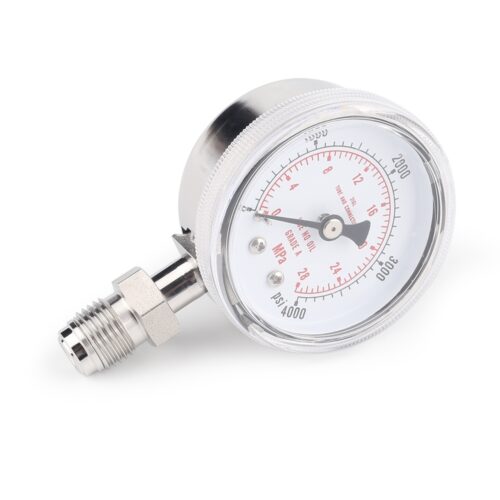
Ultra High Purity Oxygen Pressure Gauge For Semiconductor Gases JG Series Pressure Instruments For Semiconductor Manufacturing
-
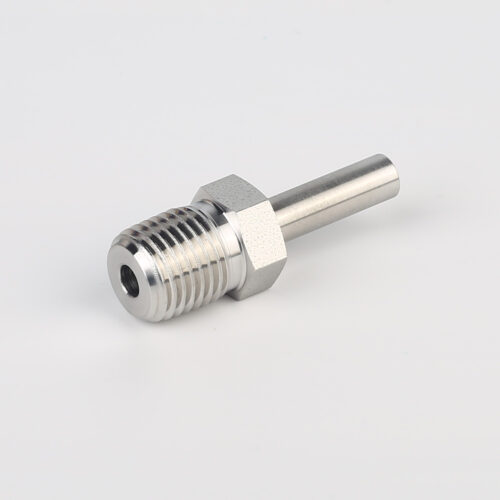
739 High Purity LMR Male Adapter Tube To Pipe Fittings And Adapters
-
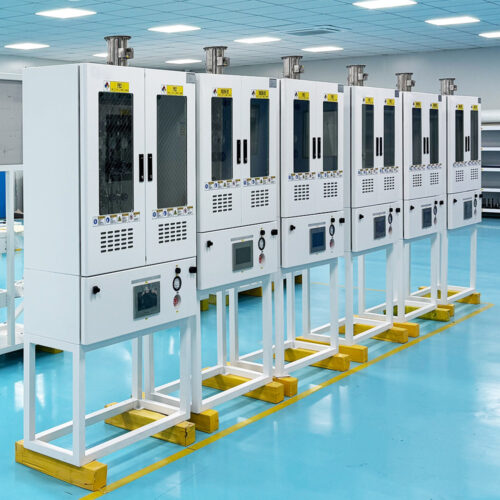
Automated Valve Manifold Box with Leak Detection for Toxic and Flammable Semiconductor Process Gases
-
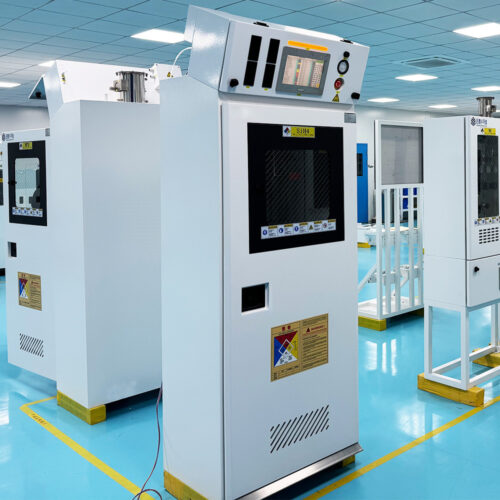
Advanced Exhaust Gas Scrubber System Design for 99% Removal Efficiency of Industrial Toxic Gases
-
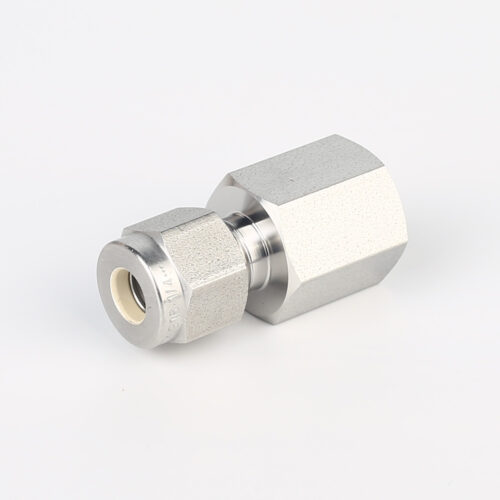
766L High Purity Female Connector UHP Fitting Female Connector
-
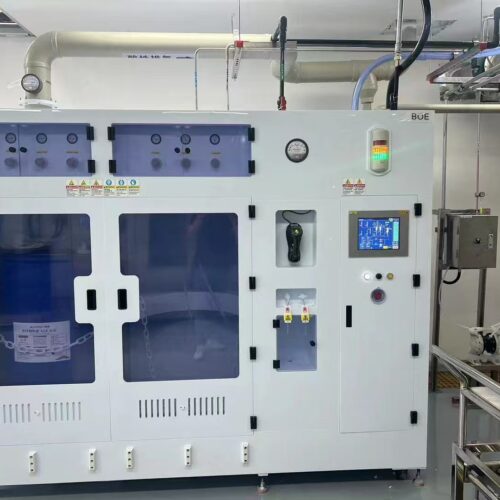
UHP Liquid Chemical Delivery Systems for Semiconductor Fabrication and Photovoltaic Manufacturing Processes
-
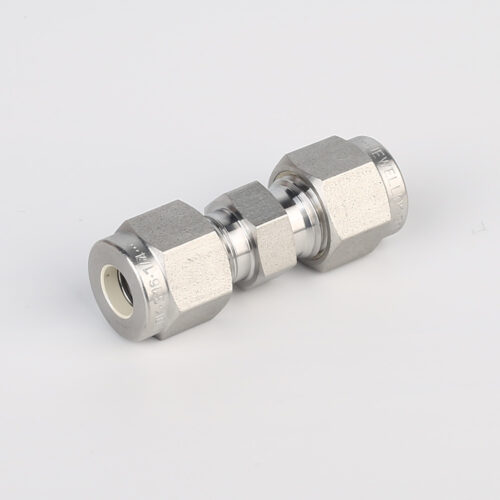
762L Stainless Steel High Purity Union High-Purity Gas System Fittings