
Regulator Manufacturer Tel: +86 13380377051
Regulator Manufacturer Tel: +86 13380377051

Exhaust Gas Treatment Plant: Technologies, Design Principles, and Industrial Applications
An exhaust gas treatment plant (EGTP) is a critical component in modern industrial operations, designed to control and reduce harmful emissions released into the atmosphere. With increasingly stringent environmental regulations and growing awareness of air pollution’s impact on human health and ecosystems, industries such as semiconductor manufacturing, chemical processing, pharmaceuticals, and power generation rely heavily on advanced exhaust gas treatment systems.
These plants are engineered to remove or neutralize pollutants such as volatile organic compounds (VOCs), acid gases, particulate matter, and hazardous air pollutants (HAPs). This article provides a comprehensive overview of exhaust gas treatment plants, including their working principles, key technologies, system design considerations, and industrial applications.
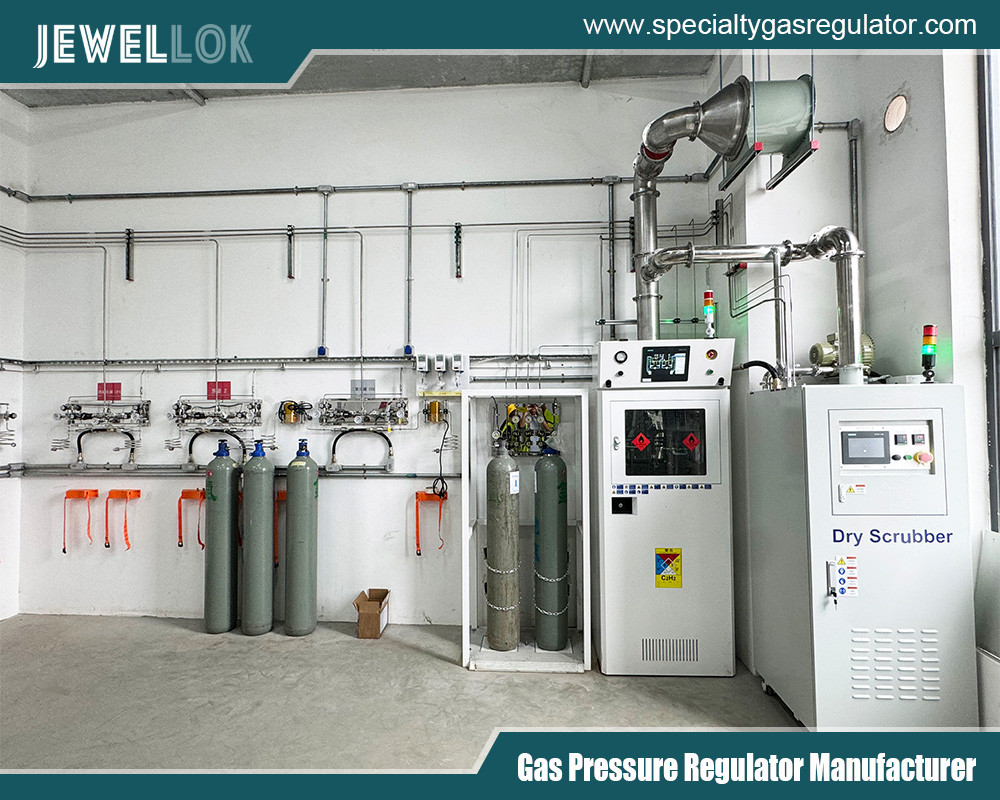
1. Overview of Exhaust Gas Pollutants
Industrial exhaust gases typically contain a complex mixture of contaminants. The nature and concentration of these pollutants depend on the production process, raw materials, and operating conditions.
1.1 Common Pollutants
- Volatile Organic Compounds (VOCs): Organic chemicals that easily vaporize, commonly found in painting, coating, and semiconductor processes.
- Acid Gases: Including hydrogen chloride (HCl), sulfur dioxide (SO₂), hydrogen fluoride (HF), and nitrogen oxides (NOx).
- Particulate Matter (PM): Fine solid or liquid particles suspended in gas streams.
- Toxic Gases: Such as ammonia (NH₃), carbon monoxide (CO), and hydrogen sulfide (H₂S).
- Greenhouse Gases: Including carbon dioxide (CO₂) and methane (CH₄).
1.2 Environmental and Health Impacts
Uncontrolled emissions can cause respiratory diseases, environmental degradation, acid rain, and climate change. Therefore, effective exhaust gas treatment is not only a regulatory requirement but also a social responsibility.
2. Core Technologies in Exhaust Gas Treatment
Exhaust gas treatment plants utilize a combination of physical, chemical, and biological processes to remove contaminants. The selection of technology depends on the type of pollutants, concentration levels, and required removal efficiency.
2.1 Wet Scrubbing Systems
Wet scrubbers are widely used for removing acid gases and soluble pollutants. They operate by bringing exhaust gas into contact with a liquid (usually water or a chemical solution), which absorbs or reacts with the contaminants.
Key Types:
- Packed Bed Scrubbers: Use packing materials to increase gas-liquid contact surface area.
- Venturi Scrubbers: Utilize high-velocity gas streams to atomize liquid and enhance particle removal.
- Spray Towers: Simpler systems where liquid is sprayed directly into the gas stream.
Advantages:
- High efficiency for acid gases
- Capable of handling high-temperature gases
Limitations:
- Requires wastewater treatment
- Corrosion concerns
2.2 Dry and Semi-Dry Scrubbing
Dry scrubbing involves injecting dry sorbents (e.g., lime or activated carbon) into the gas stream to neutralize pollutants. Semi-dry systems use a slurry that dries during the process.
Benefits:
- No liquid effluent
- Lower maintenance compared to wet systems
Applications:
- Flue gas desulfurization (FGD)
- Removal of heavy metals and dioxins
2.3 Thermal Oxidation
Thermal oxidizers destroy VOCs and hazardous gases by oxidizing them at high temperatures (typically 700–1200°C).
Types:
- Direct Thermal Oxidizers (DTO)
- Regenerative Thermal Oxidizers (RTO)
- Catalytic Oxidizers
Working Principle:
Pollutants are converted into carbon dioxide (CO₂) and water vapor (H₂O) through combustion.
Advantages:
- High destruction efficiency (>99%)
- Suitable for low to high VOC concentrations
Considerations:
- High energy consumption
- Requires heat recovery systems for efficiency
2.4 Adsorption Systems
Adsorption involves capturing pollutants on the surface of solid materials such as activated carbon or zeolites.
Key Features:
- Effective for low-concentration VOCs
- Can be combined with desorption and recovery systems
Applications:
- Solvent recovery
- Odor control
2.5 Filtration Systems
Particulate matter is typically removed using filtration technologies.
Types:
- Baghouse Filters: Fabric filters capturing fine particles
- HEPA Filters: High-efficiency filters for ultra-fine particles
- Electrostatic Precipitators (ESP): Use electrical charges to collect particles
2.6 Biological Treatment
Biological methods use microorganisms to degrade organic pollutants.
Examples:
- Biofilters
- Biotrickling Filters
Advantages:
- Environmentally friendly
- Low operating cost
Limitations:
- Limited to biodegradable compounds
- Sensitive to operating conditions
3. System Design Considerations
Designing an effective exhaust gas treatment plant requires a thorough understanding of process conditions and regulatory requirements.
3.1 Gas Characteristics
- Flow rate
- Temperature and pressure
- Pollutant type and concentration
- Moisture content
3.2 Treatment Efficiency Requirements
Regulatory standards dictate the required removal efficiency, often exceeding 95–99% for hazardous pollutants.
3.3 Material Selection
Corrosion resistance is critical, especially when dealing with acid gases. Common materials include:
- Stainless steel (e.g., SS316L)
- FRP (Fiberglass Reinforced Plastic)
- PTFE-lined components
3.4 Energy Consumption
Energy efficiency is a key factor, particularly for thermal systems. Heat recovery and process integration can significantly reduce operating costs.
3.5 Safety and Monitoring
- Gas leak detection systems
- Explosion-proof design for flammable gases
- Continuous emission monitoring systems (CEMS)
4. Integration with Industrial Processes
Exhaust gas treatment plants are typically integrated into upstream production systems. Proper integration ensures stable operation and optimal performance.
4.1 Semiconductor Industry
In semiconductor fabrication, processes such as chemical vapor deposition (CVD) and etching generate hazardous gases like silane, ammonia, and fluorinated compounds.
Treatment Approach:
- Point-of-use (POU) abatement systems
- Combination of burn/wet scrubbers
4.2 Chemical and Petrochemical Industry
These industries produce large volumes of VOCs and toxic gases.
Typical Solutions:
- RTO systems for VOC destruction
- Scrubbers for acid gas removal
4.3 Pharmaceutical Industry
Emissions include solvent vapors and odorous compounds.
Treatment Methods:
- Activated carbon adsorption
- Biofiltration for odor control
4.4 Power Plants
Coal-fired power plants emit SO₂, NOx, and particulate matter.
Technologies Used:
- Flue Gas Desulfurization (FGD)
- Selective Catalytic Reduction (SCR)
- Electrostatic Precipitators
5. Automation and Smart Control
Modern exhaust gas treatment plants incorporate advanced automation systems for improved efficiency and reliability.
5.1 Control Systems
- PLC (Programmable Logic Controller)
- SCADA (Supervisory Control and Data Acquisition)
5.2 Real-Time Monitoring
Sensors continuously monitor:
- Gas composition
- Flow rates
- Temperature and pressure
5.3 Predictive Maintenance
Data analytics and AI can predict equipment failures, reducing downtime and maintenance costs.
6. Environmental and Economic Benefits
6.1 Environmental Protection
- Reduction of air pollutants
- Compliance with environmental regulations
- Protection of ecosystems
6.2 Economic Advantages
- Avoidance of regulatory penalties
- Improved corporate image
- Potential recovery of valuable materials (e.g., solvents)
7. Future Trends
The field of exhaust gas treatment is evolving rapidly with technological advancements.
7.1 Energy-Efficient Systems
Development of low-energy oxidation and hybrid systems.
7.2 Carbon Capture Technologies
Integration of CO₂ capture and storage (CCS) systems.
7.3 Digitalization
Use of IoT and AI for smarter and more adaptive systems.
7.4 Modular Design
Prefabricated modular units for easier installation and scalability.
Conclusion
Exhaust gas treatment plants play a vital role in modern industry by ensuring that harmful emissions are effectively controlled before being released into the atmosphere. With a wide range of available technologies—including wet scrubbing, thermal oxidation, adsorption, and biological treatment—these systems can be tailored to meet the specific needs of different industries.
As environmental regulations become more stringent and sustainability becomes a global priority, the importance of efficient and reliable exhaust gas treatment will continue to grow. Future developments in energy efficiency, automation, and carbon capture will further enhance the capabilities of these systems, making them indispensable in achieving cleaner and more sustainable industrial operations.
For more about the exhaust gas treatment plant: technologies, design principles, and industrial applications, you can pay a visit to Jewellok at https://www.specialtygasregulator.com/product-category/specialty-gas-cabinet/ for more info.
-
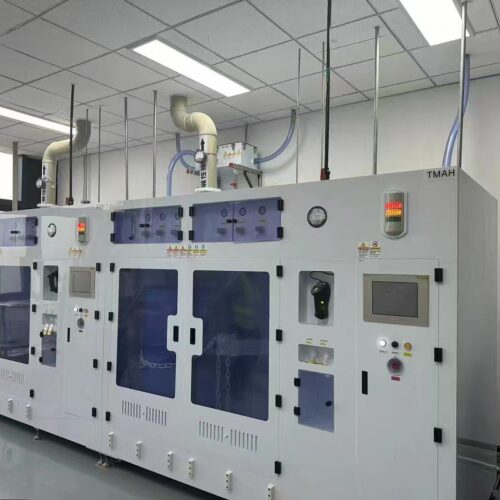
Liquid Bulk Chemical Delivery System with Automatic Chemical Dispense Unit (CDU) Featuring 316L Electropolished Stainless Steel Piping Components
-
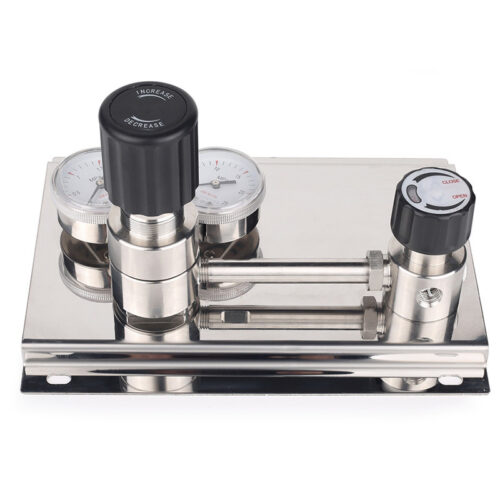
Stainless Steel Fully Automatic Gas Switchover Manifold System Automatic Gas Cylinder Switchover Co2 Cylinder Auto Changeover Controller
-
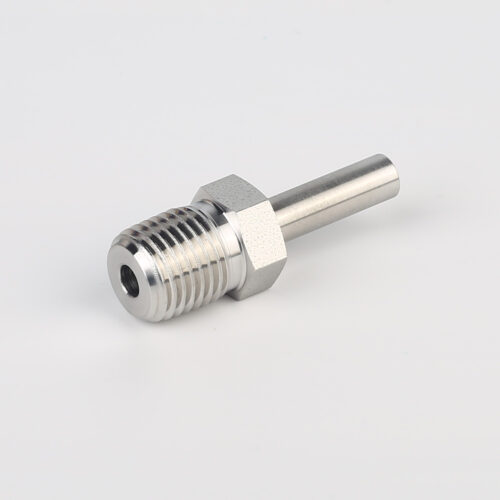
739 High Purity LMR Male Adapter Tube To Pipe Fittings And Adapters
-
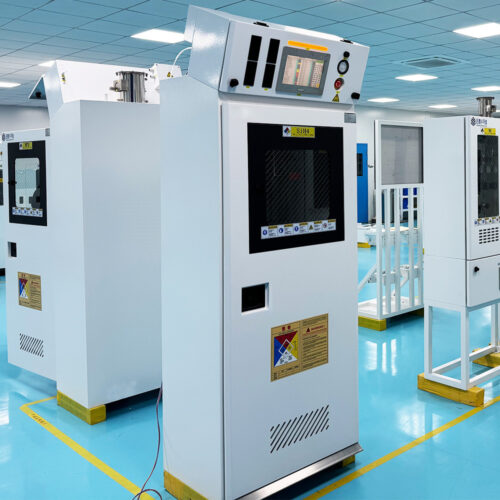
High Purity Bulk Specialty Gas Pressure Control And Filtration Bulk Gas Skid Systems JW-300-BSGS
-
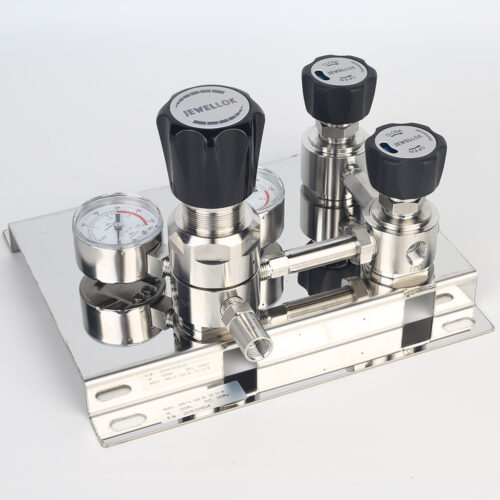
Stainless Steel 316L Single Stage Regulator Pressure Control Panels JSP-1E Series For Semiconductor Fluid Control
-
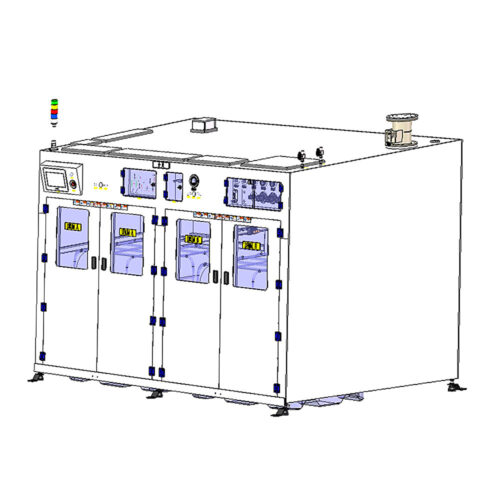
High Purity Chemical Dispense System & Packing System For Semiconductors JW-200L-CDM & JW-1000L-CDM
-
UHP Metal Gasket Face Seal Fittings Vacuum Coupling Metal Face Seal Join Long Gland And Short Gland
-
T-BOX JW-TB-C Special Gas Delivery System Gas Valve Manifold Boxes