
Regulator Manufacturer Tel: +86 13380377051
Regulator Manufacturer Tel: +86 13380377051

Which Piping Materials Are Best for High-Purity Laboratory Gas Distribution Systems?
1. Introduction
High-purity laboratory gas distribution systems are essential for modern research laboratories, semiconductor facilities, pharmaceutical manufacturers, analytical testing centers, and advanced materials laboratories. These systems deliver gases such as nitrogen, argon, helium, hydrogen, oxygen, and specialty gases to analytical instruments, experimental equipment, and precision manufacturing processes.
In high-purity applications, selecting the correct piping material is just as important as choosing suitable gas regulators, diaphragm valves, pressure control panels, and filtration components. Even when the gas source meets stringent purity requirements, unsuitable piping materials or poorly manufactured connections can introduce moisture, oxygen, hydrocarbons, particles, and other contaminants into the distribution network.
Contamination can affect analytical accuracy, reduce instrument performance, damage sensitive equipment, and compromise manufacturing processes. In semiconductor applications, for example, trace contaminants can interfere with deposition, etching, and other processes that require carefully controlled gas chemistry.
The best piping material depends on several factors, including gas composition, purity requirements, operating pressure, temperature, corrosion potential, flow rate, and installation conditions. Stainless steel is widely used for high-purity gas distribution, but specialized alloys and selected nonmetallic materials may be appropriate for particular applications.
This article examines the most common piping materials, their advantages and limitations, and the engineering considerations involved in selecting reliable piping for high-purity laboratory gas distribution systems.
2. Why Piping Material Selection Matters
The piping network connects the gas source to laboratory instruments and determines how effectively gas purity is maintained throughout the delivery process.
Unlike conventional utility piping, high-purity gas piping must minimize contamination from internal surfaces, joints, seals, and installation residues. The system must also withstand the chemical and mechanical conditions associated with the gas being transported.
Four major factors explain why material selection is critical.
2.1 Contamination Control
The internal surface of a pipe can release particles, retain moisture, or interact with the gas passing through it. Surface roughness, manufacturing residues, oxidation, and inadequate cleaning can all affect gas quality.
Materials with suitable surface finishes and properly controlled manufacturing processes help reduce contamination risks. However, material selection alone cannot guarantee purity. Cleaning, assembly, purging, and commissioning procedures are equally important.
2.2 Corrosion Resistance
Some gases react with piping materials or with moisture and contaminants present on internal surfaces. Corrosion can generate particles, change surface chemistry, and eventually compromise system integrity.
The selected material must be compatible with the actual gas composition, concentration, temperature, pressure, and expected service life.
2.3 Pressure and Mechanical Strength
Laboratory gas distribution systems may operate at different pressures depending on the gas source, regulator configuration, and instrument requirements.
Piping must withstand the maximum credible operating pressure and applicable test conditions. Engineers should also consider vibration, mechanical impact, thermal expansion, support spacing, and pressure cycling.
2.4 Long-Term Reliability
A suitable piping material can reduce leakage, maintenance requirements, and contamination-related downtime.
For critical laboratory processes, reliability depends on the entire gas delivery system, including tubing, fittings, valves, regulators, seals, and instrumentation.
3. Stainless Steel Tubing: The Preferred Choice for Many High-Purity Applications
Stainless steel tubing is widely used in high-purity laboratory gas distribution because it combines mechanical strength, corrosion resistance, and suitability for controlled surface finishing.
Common options include 304L and 316L stainless steel, with 316L frequently selected for demanding gas delivery applications.
3.1 Advantages of 316L Stainless Steel
316L stainless steel contains molybdenum, which improves its resistance to certain forms of corrosion compared with conventional 304L stainless steel.
Its low carbon content helps reduce the risk of sensitization during appropriate welding operations. When correctly manufactured, cleaned, and installed, 316L tubing can provide a reliable distribution path for many high-purity gases.
Important advantages include:
- Good mechanical strength for pressure-rated tubing systems.
- Suitable corrosion resistance for many laboratory gas applications.
- Availability in controlled surface-finish specifications.
- Compatibility with a wide range of high-purity metal fittings and valves.
- Suitability for orbital welding and other controlled joining methods.
- Long service life when selected and maintained appropriately.
For applications involving moisture-sensitive gases, the quality of the internal surface is particularly important. Properly specified tubing with suitable cleaning and finishing can help reduce adsorption, contamination retention, and moisture-related problems.
3.2 Electropolished Stainless Steel Tubing
Electropolishing is an electrochemical surface treatment that removes a controlled amount of material and can improve surface smoothness and cleanliness.
Electropolished stainless steel tubing is commonly considered for demanding semiconductor and ultra-high-purity gas systems because it can reduce surface irregularities that retain particles and contaminants.
Nevertheless, electropolishing should not be treated as a substitute for proper material certification, cleaning, packaging, and installation. The required surface finish should be specified according to the process requirements and verified through appropriate documentation.
3.3 Limitations of Stainless Steel
Stainless steel is not universally suitable for every gas or chemical environment.
Certain highly reactive or corrosive gases may require specialized alloys, dedicated gas delivery equipment, or additional protective measures. Moisture contamination can also affect corrosion behavior in applications where the gas and material combination is sensitive.
Stainless steel tubing and fittings may cost more than ordinary industrial piping, particularly when strict surface-finish, cleaning, and traceability requirements apply.
For high-purity applications, however, total lifecycle cost is often more important than initial material price.
4. 304L vs. 316L Stainless Steel: Which Is Better?
Both 304L and 316L stainless steel are used in industrial and laboratory piping. The correct choice depends on the gas chemistry, purity specification, operating conditions, and applicable design standards.
| Comparison factor | 304L stainless steel | 316L stainless steel |
|---|---|---|
| Corrosion resistance | Suitable for many general applications | Improved resistance to certain corrosive environments |
| Molybdenum content | Generally absent | Present |
| Mechanical strength | Suitable for many pressure applications | Suitable for many pressure applications |
| High-purity gas use | Possible with appropriate specifications | Commonly selected for demanding applications |
| Relative material cost | Often lower | Often higher |
| Material selection | Based on gas compatibility and design requirements | Based on gas compatibility and design requirements |
316L is often preferred when additional corrosion resistance is beneficial. However, the designation alone does not establish whether tubing is suitable for a particular ultra-high-purity application.
Surface finish, inclusion control, cleanliness, dimensional tolerances, manufacturing quality, and joining procedures can be as important as the nominal alloy grade.
Before purchasing tubing, laboratory engineers should review material certificates, surface-finish specifications, pressure ratings, and relevant quality documentation.
5. High-Purity Copper Tubing: Suitable Applications and Limitations
Copper tubing is used in certain laboratory gas and utility systems because it is relatively easy to fabricate and provides good thermal conductivity.
Specially cleaned copper tubing may be suitable for selected gases and applications where its chemical compatibility and contamination characteristics have been verified.
However, copper is generally not the default choice for demanding ultra-high-purity specialty gas distribution.
Some gases may react with copper or with surface oxides and residues. Copper can also introduce contamination concerns if the material, cleaning process, or joining method is unsuitable.
For moisture-sensitive, corrosive, or highly reactive gases, engineers must evaluate the specific gas-material combination carefully.
Copper may be considered for selected laboratory utility applications, but its suitability should not be assumed for semiconductor process gases, high-purity hydrogen, or other demanding services without a documented engineering assessment.
6. Polymer Piping Materials: PTFE, PFA, and Other Fluoropolymers
Nonmetallic piping materials can provide useful chemical resistance in applications where metal compatibility is a concern. Fluoropolymers such as PTFE and PFA are used in selected chemical delivery, specialty gas, and laboratory systems.
Their suitability depends on the exact polymer grade, gas composition, pressure, temperature, permeation behavior, and connection design.
6.1 PTFE Piping
Polytetrafluoroethylene (PTFE) offers excellent resistance to many chemicals and can be useful in certain corrosive environments.
However, its mechanical behavior, permeability, creep characteristics, and connection methods must be considered carefully. Conventional PTFE tubing is not automatically suitable for every high-pressure or ultra-high-purity gas application.
6.2 PFA Piping
Perfluoroalkoxy alkane (PFA) is used in selected high-purity fluid and chemical handling applications. It offers broad chemical resistance and can be fabricated into tubing with suitable dimensional and cleanliness specifications.
PFA may be appropriate for particular specialty gas or corrosive service applications when its compatibility, pressure rating, permeability, and purity performance have been established.
6.3 Important Limitations of Polymer Tubing
Compared with metal tubing, polymer materials may exhibit greater gas permeation, moisture transmission, mechanical creep, or sensitivity to temperature and pressure.
These characteristics are especially important when the system must maintain extremely low concentrations of moisture, oxygen, or hydrocarbons.
Polymer tubing should therefore be selected based on verified application requirements rather than general chemical-resistance claims.
For demanding ultra-high-purity gas distribution, appropriately specified stainless steel remains a common choice, while fluoropolymers are valuable alternatives for selected applications.
7. Selecting Piping Materials for Different Laboratory Gases
Different gases require different material compatibility assessments.
7.1 Nitrogen and Argon
Nitrogen and argon are widely used as purge gases, carrier gases, and inert atmospheres.
Properly specified stainless steel tubing is commonly suitable for high-purity distribution. Moisture and oxygen contamination must still be controlled through appropriate tubing cleanliness, fittings, regulator selection, and installation procedures.
7.2 Helium
Helium is used in gas chromatography, leak detection, and specialized analytical equipment.
Because helium is a small, light molecule, leakage control is particularly important. Suitable metal tubing, compatible fittings, and properly assembled joints help maintain supply integrity.
7.3 Hydrogen
Hydrogen requires special attention because it is highly flammable and can present leakage and material-compatibility concerns.
Piping selection must consider pressure, temperature, component design, gas purity, and hydrogen-related material effects. Appropriate leak testing, ventilation, isolation, and ignition-source control are essential.
7.4 Oxygen
Oxygen systems require materials and components suitable for oxygen service. Contamination with oil, grease, or other combustible substances can create serious ignition hazards under suitable pressure and flow conditions.
Piping, valves, regulators, and fittings must meet the applicable oxygen-service cleanliness and compatibility requirements.
7.5 Corrosive and Specialty Gases
Hydrogen chloride, hydrogen fluoride, chlorine, ammonia, and other specialty gases require gas-specific engineering assessments.
The presence of moisture can significantly change the corrosive behavior of certain gases. Some applications may require specialized alloys, dedicated gas cabinets, compatible seals, or other engineered safeguards.
Highly toxic, pyrophoric, or reactive gases may require specialized gas delivery panels and exhaust treatment in addition to carefully selected piping.
No single material should be assumed suitable for all specialty gases.
8. Surface Finish, Cleaning, and Connection Technology
High-purity gas piping performance depends on more than the material grade.
8.1 Internal Surface Finish
A smoother, properly controlled internal surface can reduce locations where particles and contaminants accumulate.
Surface finish should be specified according to the required gas purity and process sensitivity. Electropolished tubing may be appropriate for demanding applications, but not every laboratory system requires the same finish.
8.2 Cleaning and Packaging
Tubing may require specialized cleaning to remove oils, particles, moisture, and manufacturing residues.
After cleaning, components should be protected against contamination during storage and transportation. Clean caps, sealed packaging, controlled handling, and appropriate installation procedures help preserve the specified cleanliness.
8.3 Welding and Mechanical Fittings
Orbital welding is commonly used for suitable high-purity stainless steel tubing because it can produce consistent joints under controlled conditions.
Metal face-seal fittings and qualified compression fittings may also be suitable, depending on the system specification.
Joint selection should account for pressure rating, leakage requirements, maintenance access, cleanliness, and installation quality.
Poorly executed connections can compromise an otherwise well-designed distribution system.
9. How to Choose the Best Piping Material
Selecting piping material should follow a structured engineering process.
First, identify the gas composition, required purity, maximum operating pressure, temperature range, and expected flow rate.
Second, evaluate material compatibility using reliable technical data and the applicable codes or standards. For hazardous specialty gases, the assessment should include the behavior of seals, fittings, valves, and other wetted components.
Third, establish the required surface finish, cleanliness level, and traceability documentation.
Fourth, calculate pipeline dimensions and pressure drop to ensure adequate delivery at the most demanding operating condition.
Finally, evaluate installation methods, testing requirements, maintenance access, and total lifecycle cost.
The lowest-cost material is not necessarily the most economical option. Contamination events, leaks, instrument downtime, and premature replacement can create costs that far exceed the original piping investment.
10. Installation and Maintenance Best Practices
Correct installation is essential for maintaining gas purity and system reliability.
Tubing should be installed by qualified personnel using procedures appropriate for the gas service. Open pipe ends should be protected against dust, moisture, and other contaminants.
Before commissioning, the system should undergo the inspections and tests required by its design and applicable standards. These may include verification of material specifications, joint inspection, approved pressure and leak testing, purging, and confirmation of delivery pressure and flow.
Testing methods must be appropriate for the gas and pressure conditions. Hazardous gases should not be introduced into a system merely to perform routine leak testing when a safer approved method is available.
Routine maintenance should include inspection of fittings, valves, regulators, and visible tubing; verification of pressure readings; investigation of unexplained pressure drops; and replacement of damaged components.
Any modification to gas type, pressure, or piping configuration should be reviewed for compatibility and safety before implementation.
11. Choosing a High-Purity Gas Distribution Equipment Supplier
A qualified supplier should understand the relationship between piping materials and the complete gas delivery system.
Important evaluation criteria include material traceability, surface-finish specifications, cleaning procedures, dimensional tolerances, fitting compatibility, pressure ratings, and technical support.
Laboratories should request documentation covering material grade, manufacturing standards, applicable cleanliness requirements, and the intended operating conditions.
The supplier should also be able to coordinate tubing specifications with compatible regulators, diaphragm valves, pressure control panels, and terminal connections.
Jewellok may be considered for inquiries involving high-purity gas regulators, diaphragm valves, pressure control panels, and related gas delivery components, subject to confirmation of the required product specifications and project scope.
For complete distribution projects, buyers should clarify whether piping design, installation, testing, and commissioning are included in the supplier’s scope or must be provided by a separate qualified engineering contractor.
12. Conclusion
Choosing the best piping material for a high-purity laboratory gas distribution system requires careful consideration of gas chemistry, purity requirements, operating pressure, temperature, corrosion resistance, surface finish, and installation quality.
316L stainless steel tubing is a common choice for demanding high-purity gas applications because it combines mechanical strength, suitable corrosion resistance, and compatibility with controlled finishing and cleaning processes.
304L stainless steel may be suitable for less demanding applications, while copper and fluoropolymers can serve selected applications when their limitations and compatibility have been properly evaluated.
Ultimately, gas purity depends on the entire distribution system rather than the piping material alone. Correctly specified tubing, compatible fittings, reliable regulators, clean installation procedures, and effective testing must work together to achieve dependable performance.
By applying a systematic material-selection process and working with qualified suppliers, laboratories can reduce contamination risks, improve equipment reliability, and establish a safe, durable gas distribution infrastructure for modern research and analytical applications.
For more about which piping materials are best for high-purity laboratory gas distribution systems, you can pay a visit to Jewellok at https://www.specialtygasregulator.com/product-category/specialty-gas-cabinet/ for more info.
-
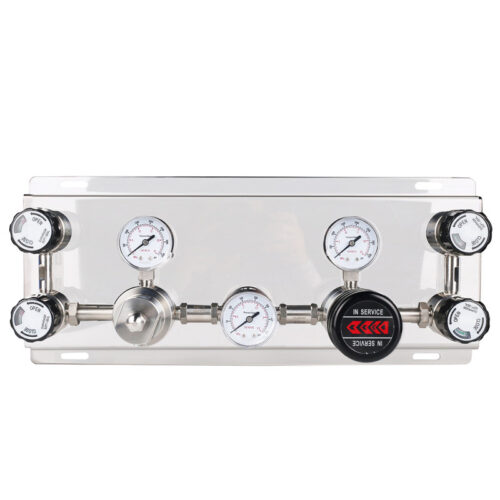
Semi Automatic And Automatic Switching Speicialty Gas Changeover Manifold Panel With Semiconductor Valve Manifold Box Gas Pressure Regulators
-
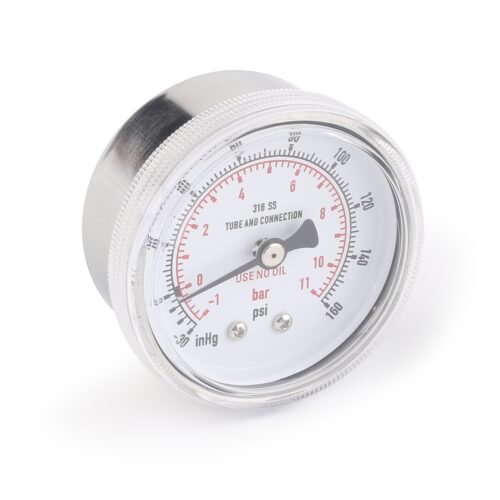
Ultra High Purity Pressure Gauge For Laboratory And Semiconductor JR Series
-
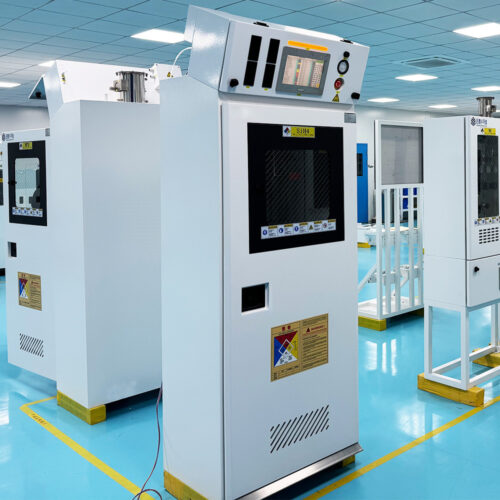
Advanced Exhaust Gas Scrubber System Design for 99% Removal Efficiency of Industrial Toxic Gases
-
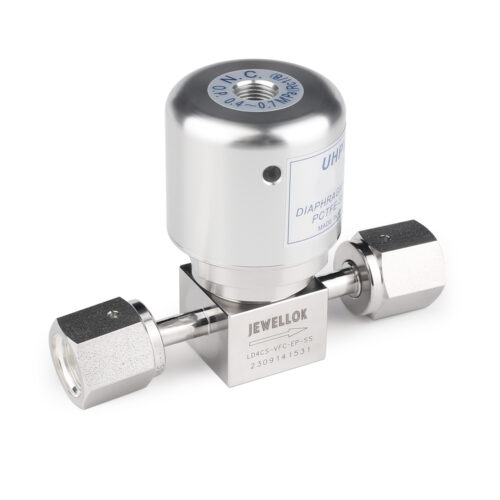
Stainless Steel Low Pressure Seal Pneumatic Diaphragm Control Valve For For HP & UHP Gases
-
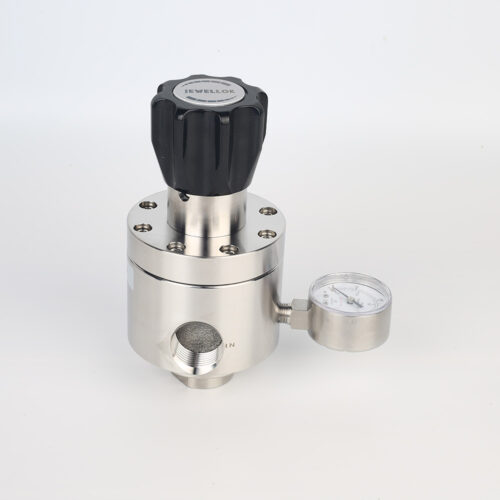
Low Pressure High Flow Line Pressure Regulators And Control Valves JSR-4L Series For Laboratory Pressure Control
-
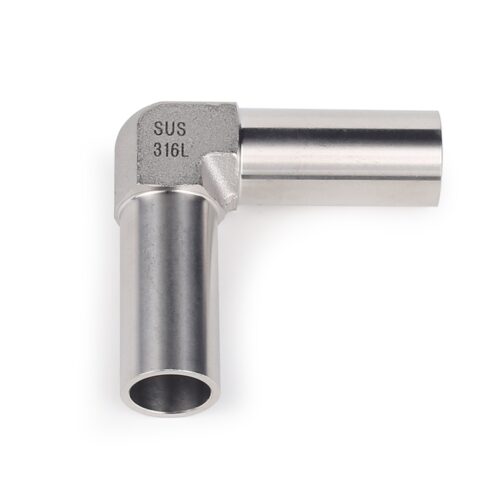
High Purity Stainless Steel Mini Tube Butt Weld Fittings For Semiconductor
-
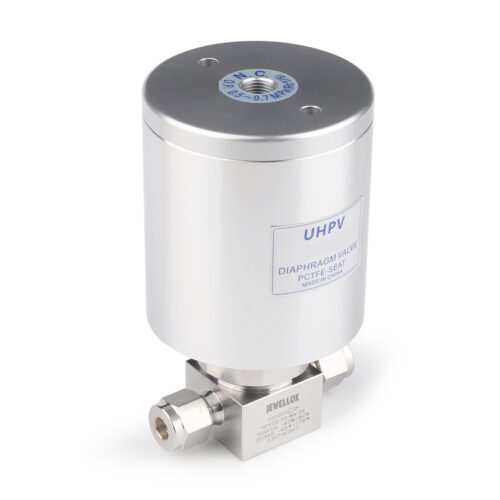
High Pressure High Temperature Pneumatic Ultrahigh Purity Stainless Steel Diaphragm Valves
-
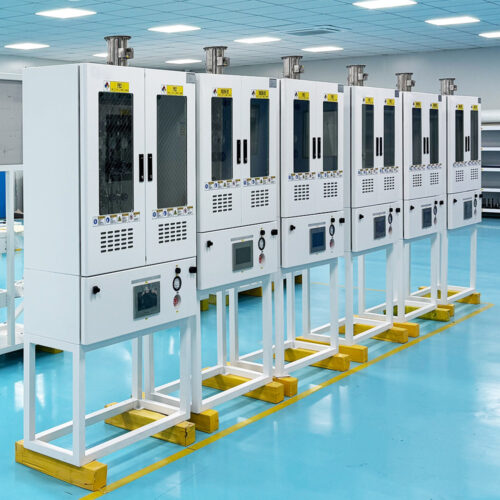
Ultra High Purity Diaphragm Valves and Pressure Regulators for Reliable Ultra High Purity Liquid Chemical Handling Systems