
Regulator Manufacturer Tel: +86 13380377051
Regulator Manufacturer Tel: +86 13380377051
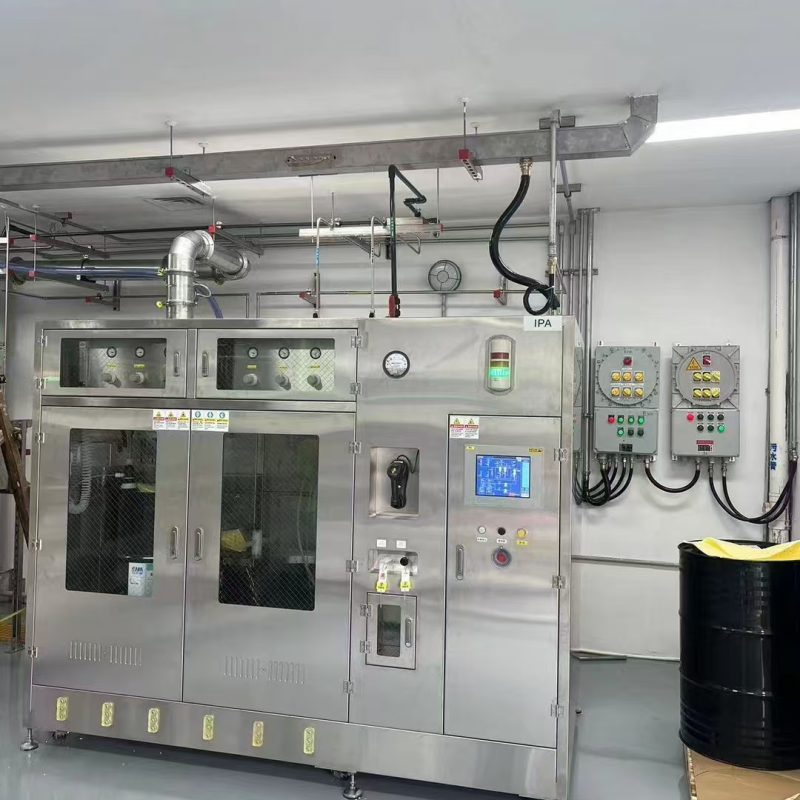
What Is the Removal Efficiency of an Acid Gas Neutralization Scrubber?
1. Introduction
An acid gas neutralization scrubber is an essential pollution control system used to remove acidic contaminants from industrial exhaust gas before it is released into the atmosphere. These systems are widely applied in chemical manufacturing, semiconductor fabrication, pharmaceutical production, metal processing, wastewater treatment, and laboratory ventilation systems.
Acidic gases such as hydrogen chloride (HCl), hydrogen fluoride (HF), sulfur dioxide (SO₂), and certain nitrogen-containing compounds can cause equipment corrosion, respiratory irritation, and environmental pollution. A properly designed acid gas scrubber helps reduce these risks by transferring pollutants from the gas stream into a liquid absorbent and neutralizing them through suitable chemical reactions.
One of the most important performance indicators of this equipment is removal efficiency. It measures the proportion of a target pollutant removed from the exhaust gas during treatment. Understanding removal efficiency helps engineers select suitable scrubber equipment, evaluate operating performance, estimate compliance with emission limits, and identify opportunities for optimization.
However, acid gas scrubber efficiency is not a universal fixed value. It depends on the chemical properties of the pollutant, exhaust concentration, gas flow rate, liquid circulation, neutralizing agent, gas-liquid contact conditions, and equipment configuration.
This article explains how acid gas neutralization scrubber removal efficiency is calculated, what performance levels may be achievable, which factors affect treatment results, and how to maintain reliable long-term operation.
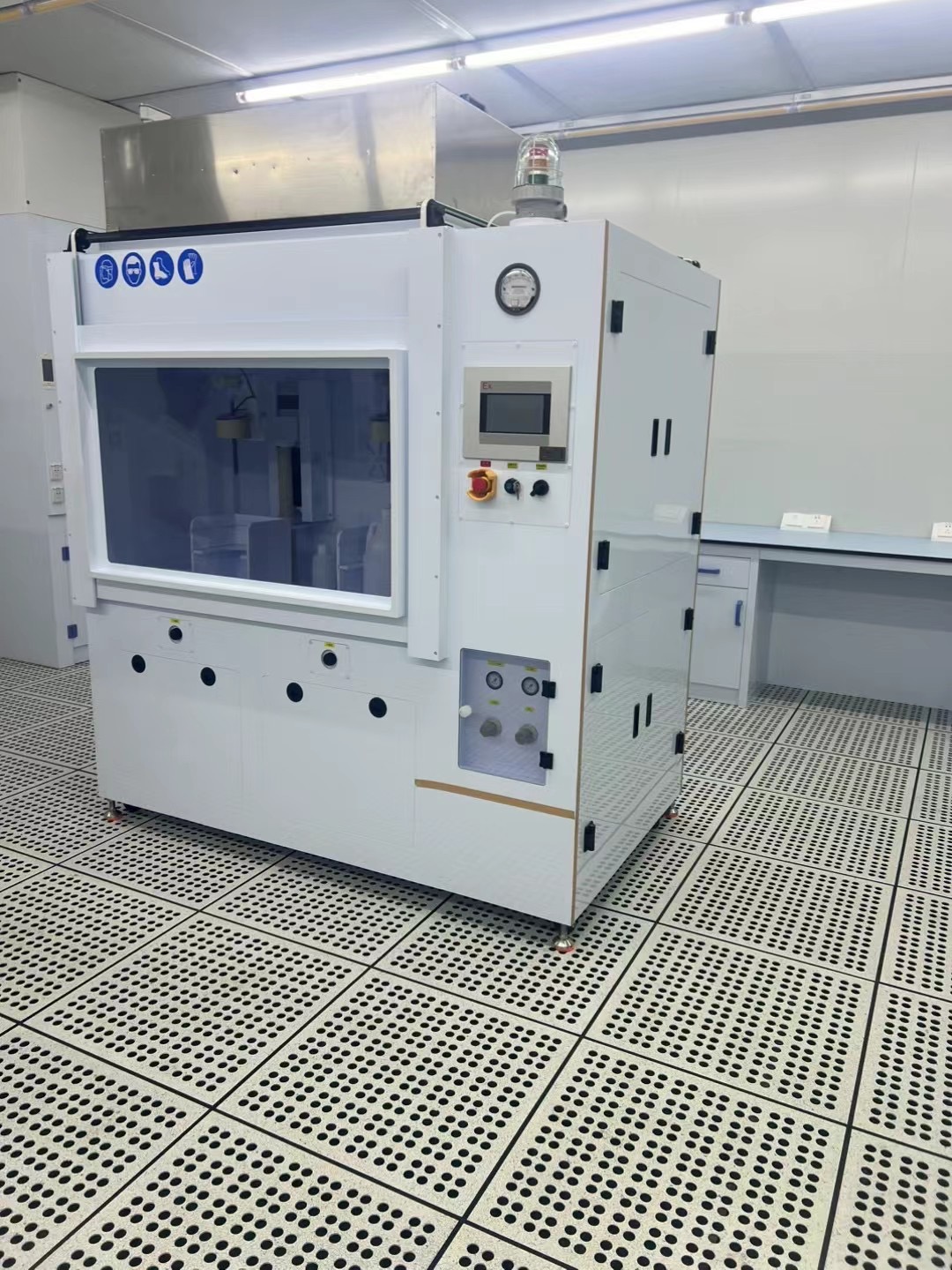
2. What Is Acid Gas Scrubber Removal Efficiency?
Removal efficiency is the percentage of a target pollutant eliminated from the gas stream as it passes through the scrubber.
The basic calculation is:
Removal Efficiency (%) = [(Inlet Concentration − Outlet Concentration) / Inlet Concentration] × 100
For example, suppose the inlet hydrogen chloride concentration is 500 mg/m³ and the outlet concentration is 5 mg/m³.
Removal efficiency = [(500 − 5) / 500] × 100
Removal efficiency = 99%
This result indicates that the scrubber reduces the measured HCl concentration by 99% under the tested conditions.
Removal efficiency is useful for evaluating equipment performance, but it should not be considered the only measure of treatment effectiveness. Engineers should also examine the outlet concentration, exhaust flow rate, total pollutant mass emissions, pressure drop, chemical consumption, and operating stability.
When inlet and outlet gas flows differ significantly, or when moisture, temperature, and pressure conditions change during treatment, concentration measurements may require correction to comparable reference conditions. Where applicable, mass-based removal efficiency should be calculated using pollutant mass flow rates rather than concentration alone.
Furthermore, a high percentage removal does not automatically mean that an installation meets regulatory requirements. The final outlet concentration must also comply with the applicable emission limits and testing methods.
3. Typical Removal Efficiency of Acid Gas Neutralization Scrubbers
The achievable efficiency depends on the pollutant, scrubber design, chemical reaction, and operating conditions. The following ranges are illustrative engineering estimates rather than guaranteed performance values.
| Acid gas or pollutant | Indicative removal performance | Important considerations |
|---|---|---|
| Hydrogen chloride (HCl) | Often 95%–99% or higher | High solubility and effective alkaline neutralization |
| Hydrogen fluoride (HF) | Often 95%–99% or higher | Material compatibility and fluoride management |
| Sulfur dioxide (SO₂) | Can range from approximately 90% to over 99% | Absorbent chemistry, gas loading, and reaction conditions |
| Nitrogen oxides (NOx) | Highly variable; conventional wet scrubbing may be insufficient | Different nitrogen oxides have different solubilities and reaction behavior |
These ranges should be used only for preliminary discussion. Actual performance must be established through engineering calculations, supplier data applicable to the specified conditions, and appropriate testing.
3.1 Hydrogen Chloride (HCl)
Hydrogen chloride is highly soluble in water and reacts readily with alkaline solutions. Sodium hydroxide (NaOH) is commonly used to neutralize HCl in industrial and laboratory exhaust streams.
The simplified neutralization reaction is:
HCl + NaOH → NaCl + H₂O
Because HCl transfers readily into the liquid phase, a properly designed packed-bed or spray scrubber can achieve high removal efficiency when liquid distribution, chemical dosing, and gas flow are correctly controlled.
Performance may decline when the neutralizing solution becomes depleted, the exhaust flow exceeds design capacity, or the packing becomes blocked.
3.2 Hydrogen Fluoride (HF)
Hydrogen fluoride is highly hazardous and corrosive, requiring careful selection of materials and treatment chemistry.
Wet scrubbing can provide high removal efficiency for suitable HF-containing exhaust streams. However, the design must account for fluoride accumulation, possible precipitation, corrosion risks, and the handling of spent treatment liquid.
Materials such as polypropylene (PP), polyvinylidene fluoride (PVDF), or other compatible materials may be considered after evaluating concentration, temperature, and actual chemical exposure conditions.
3.3 Sulfur Dioxide (SO₂)
Sulfur dioxide can be absorbed and neutralized using suitable alkaline solutions. Its removal performance depends on the absorbent, liquid pH, gas temperature, contact area, and chemical reaction conditions.
Some applications require additional treatment stages or enhanced chemical processes to achieve demanding outlet limits.
3.4 Nitrogen Oxides (NOx)
Nitrogen oxides require special consideration because nitric oxide (NO) has relatively low water solubility, while nitrogen dioxide (NO₂) behaves differently.
Consequently, a conventional alkaline scrubber may not provide sufficient removal for exhaust streams dominated by NO. Oxidation before absorption, specialized chemical treatment, or alternative technologies may be necessary.
The appropriate process must be selected according to the actual composition of the exhaust rather than treating all nitrogen oxides as a single, easily neutralized pollutant.
4. How Does an Acid Gas Neutralization Scrubber Work?
A typical wet acid gas scrubber uses gas-liquid contact and chemical neutralization to remove pollutants.
First, contaminated exhaust enters the scrubber tower through an inlet designed to distribute the gas appropriately. Inside the tower, the gas contacts a circulating scrubbing liquid through spray nozzles, packing materials, or other contact devices.
The acidic contaminants transfer from the gas phase into the liquid phase. A suitable alkaline reagent then reacts with the absorbed acid and converts it into dissolved salts or other reaction products.
The treated gas passes through a mist eliminator to remove entrained liquid droplets before moving to the exhaust outlet.
Meanwhile, the scrubbing solution circulates through a tank and pump system. Chemical dosing equipment replenishes the neutralizing agent as required, while monitoring instruments help maintain suitable operating conditions.
The process can be summarized in four stages:
- Gas collection: Contaminated exhaust is directed into the scrubber.
- Gas-liquid contact: Pollutants transfer into the circulating liquid.
- Chemical neutralization: The absorbed acidic compounds react with the treatment chemicals.
- Mist separation: Liquid droplets are removed before the treated gas is discharged.
A scrubber’s effectiveness depends on all four stages operating correctly. Effective neutralization cannot compensate for poor gas-liquid contact, and excellent mass transfer cannot maintain high efficiency if the scrubbing liquid lacks sufficient chemical capacity.
5. Key Factors Affecting Removal Efficiency
5.1 Gas-Liquid Contact Area
The contact area between exhaust gas and scrubbing liquid directly influences mass transfer.
Packed-bed scrubbers use specially designed packing to provide a large wetted surface area. Spray scrubbers rely on liquid droplets to create contact between the two phases.
Poor liquid distribution, damaged packing, blocked nozzles, or gas channeling can reduce effective contact and allow pollutants to pass through without adequate treatment.
Selecting the correct tower configuration and maintaining uniform gas and liquid distribution are essential for high removal efficiency.
5.2 Liquid-to-Gas Ratio
The liquid-to-gas ratio (L/G ratio) describes the quantity of circulating scrubbing liquid relative to the exhaust gas flow.
An insufficient liquid flow may limit absorption capacity and reduce contact efficiency. Increasing liquid circulation can improve performance up to an appropriate operating range.
However, excessive circulation increases pump energy consumption and may cause additional pressure or entrainment problems. The optimum L/G ratio should be determined through process calculations and validated during commissioning.
5.3 Scrubbing Solution pH
For alkaline scrubbing systems, pH is an important indicator of the liquid’s neutralization condition.
As acidic pollutants enter the solution, they consume alkaline chemicals and may lower the pH. If the pH falls outside the design range, the scrubber may no longer maintain its expected performance.
Automatic pH monitoring and chemical dosing can help maintain stable conditions. Nevertheless, pH alone does not fully represent the remaining chemical capacity because dissolved salts, buffering effects, and other reactions may influence treatment performance.
5.4 Gas Flow Rate and Residence Time
The gas flow rate determines how quickly the exhaust passes through the treatment equipment.
If the flow rate exceeds the design capacity, gas velocity may increase and reduce effective contact time. Excessive velocity can also increase pressure drop and liquid carryover.
The tower diameter, packing height, and internal configuration should therefore be designed for the expected maximum operating flow, not merely the average consumption.
5.5 Temperature and Pollutant Concentration
Temperature influences gas solubility, reaction rates, and the properties of the scrubbing liquid. For many soluble gases, lower temperatures favor absorption, although the optimum conditions depend on the particular gas-liquid system.
High inlet concentrations can increase the chemical demand and heat released by neutralization. The scrubber must have sufficient mass-transfer capacity and chemical supply to handle the expected pollutant loading.
Where inlet conditions fluctuate significantly, monitoring and control strategies should be designed to accommodate the anticipated operating range.
6. How to Design a High-Efficiency Acid Gas Scrubber
High removal efficiency begins with accurate process information and appropriate equipment sizing.
6.1 Characterize the Exhaust Gas
Before selecting a scrubber, engineers should identify the target pollutants, inlet concentrations, gas temperature, humidity, flow rate, and expected variations in operating conditions.
Mixed exhaust streams may contain contaminants that require different treatment methods. In such cases, a multistage system may be more appropriate than a single general-purpose scrubber.
6.2 Calculate Scrubber Capacity
The tower must provide sufficient gas-liquid contact for the specified pollutant loading.
Design calculations should evaluate gas velocity, packing characteristics, liquid circulation, pressure drop, and required outlet concentration.
For difficult applications, pilot testing or validated process modeling may be necessary to establish a reliable design.
6.3 Select Compatible Materials
Corrosive exhaust and alkaline treatment chemicals can attack equipment components if incompatible materials are used.
Common scrubber construction materials include PP, PVC, CPVC, and PVDF, depending on temperature, chemical composition, and mechanical requirements.
Pumps, valves, seals, piping, instruments, and tank linings must also be compatible with the process. Material selection should be based on actual operating conditions rather than a general material-resistance chart alone.
6.4 Integrate Automatic Monitoring
Modern scrubbers may include pH sensors, liquid-level switches, flow meters, differential-pressure transmitters, and automated dosing controls.
These instruments help operators detect chemical depletion, circulation failure, abnormal pressure drop, and other conditions that can reduce removal efficiency.
Alarm limits and automatic responses should be defined according to the risk assessment and the consequences of treatment failure.
7. How to Calculate Chemical Consumption and Treatment Capacity
Removal efficiency is closely related to the quantity of pollutant entering the scrubber and the amount of neutralizing chemical required.
For example, the ideal stoichiometric reaction between HCl and NaOH has a molar ratio of 1:1. One mole of HCl reacts with one mole of NaOH.
However, actual chemical consumption depends on inlet loading, competing reactions, solution concentration, dosing control, and operational losses.
Engineers should calculate the expected pollutant mass flow using the gas concentration and flow rate, with appropriate unit conversions and reference conditions. The required neutralizing capacity can then be estimated from the chemical reaction stoichiometry.
A practical design should include a suitable operating margin without excessive chemical dosing. Overdosing can increase operating costs, dissolved salt concentrations, wastewater treatment requirements, and potential scaling or maintenance problems.
The spent scrubbing solution must be managed according to its composition and applicable wastewater and waste-disposal regulations.
8. Testing and Verifying Scrubber Removal Efficiency
Performance testing confirms whether the scrubber operates as intended.
The most direct approach is to measure the pollutant concentration at the inlet and outlet under representative operating conditions. Sampling locations should provide representative measurements, and the selected analytical method must be suitable for the pollutant being tested.
The test report should document relevant operating conditions, including gas flow, temperature, pressure, liquid circulation, and scrubbing solution pH.
For example, if the inlet HCl concentration is 200 mg/m³ and the outlet concentration is 2 mg/m³, the calculated concentration-based removal efficiency is 99%.
Repeated measurements can help identify performance variation and determine whether the system remains stable as operating conditions change.
Where required, testing should follow applicable regulatory methods. A high calculated removal percentage does not replace verification of the actual outlet emission concentration or compliance with the relevant permit conditions.
9. Common Causes of Low Removal Efficiency
Several operating problems can reduce scrubber performance:
- Insufficient chemical dosing: The solution loses its ability to neutralize incoming acidic pollutants.
- Poor liquid distribution: Parts of the packing remain inadequately wetted.
- Excessive gas velocity: The exhaust passes through the tower too quickly or causes liquid entrainment.
- Blocked packing or spray nozzles: Deposits reduce contact efficiency and increase pressure drop.
- Pump or fan malfunction: Gas flow or liquid circulation deviates from the design condition.
- Incorrect material selection: Corrosion or deterioration damages internal components.
- Inadequate maintenance: Sensors, valves, and dosing equipment no longer operate reliably.
Troubleshooting should begin by comparing actual operating data with the design specifications. Checking pH, liquid flow, differential pressure, gas flow, and inlet loading often helps identify the cause more effectively than simply increasing chemical dosage.
10. Choosing a Reliable Acid Gas Neutralization Scrubber Supplier
A qualified supplier should understand the relationship between exhaust composition, chemical reaction, gas-liquid contact, and required outlet performance.
Before purchasing equipment, customers should request information on design flow rate, inlet pollutant concentration, expected outlet concentration, pressure drop, material compatibility, chemical consumption, and maintenance requirements.
Performance guarantees should specify the applicable gas composition and operating conditions. Buyers should also clarify how removal efficiency will be verified, which testing methods will be used, and what conditions are required for any performance guarantee to remain valid.
Jewellok may be considered for inquiries involving gas handling equipment, pressure control components, and customized industrial gas system solutions, subject to confirmation of the required product scope and project specifications.
For complete exhaust treatment projects, purchasers should verify the supplier’s experience with the target pollutants, engineering calculations, commissioning support, and documentation of demonstrated performance.
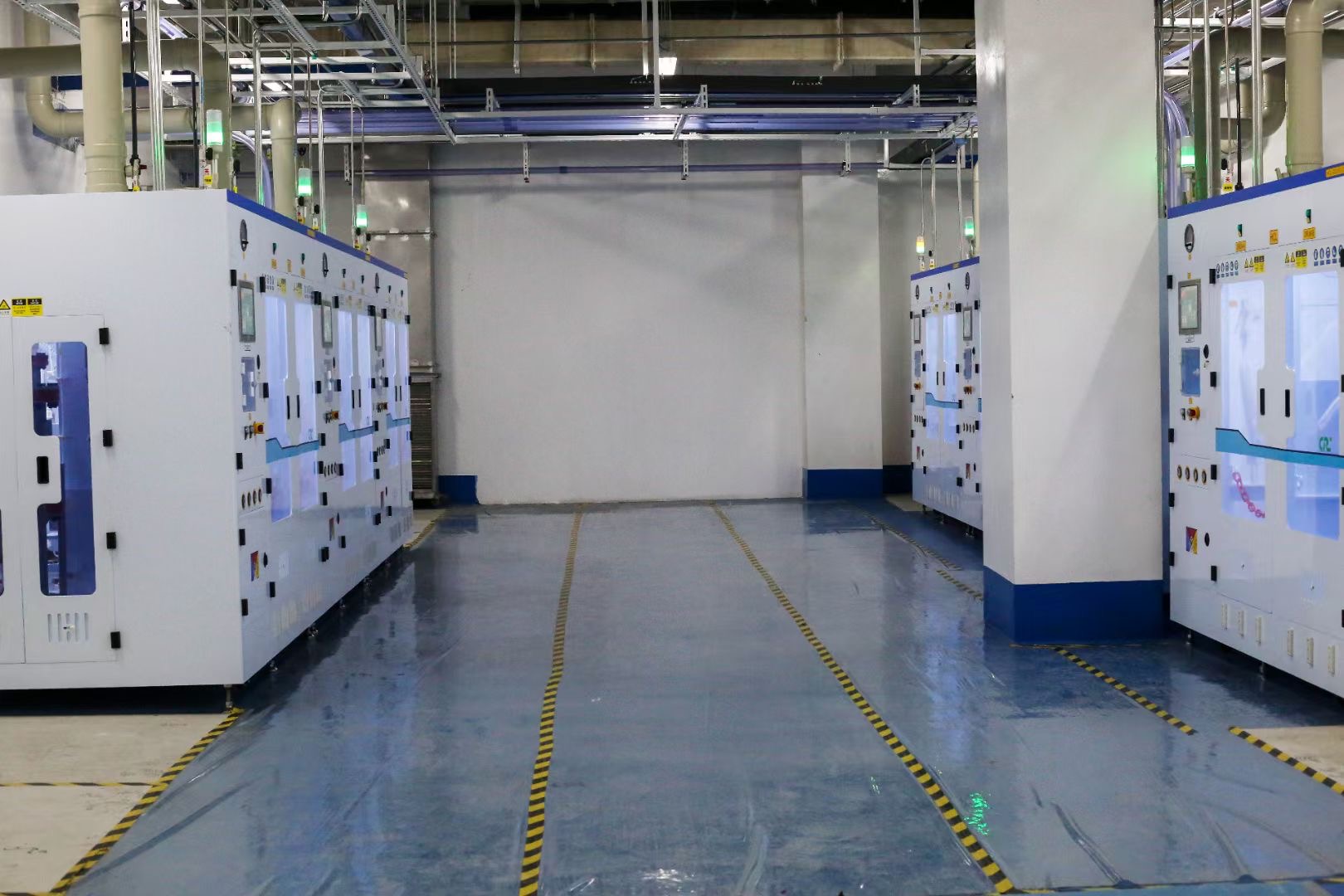
11. Conclusion
The removal efficiency of an acid gas neutralization scrubber measures how effectively the system reduces acidic contaminants in an exhaust stream. Properly designed wet scrubbers can achieve high removal efficiencies for many soluble acid gases, but actual performance depends on pollutant chemistry, equipment design, chemical capacity, gas-liquid contact, and operating conditions.
A reliable solution begins with accurate exhaust characterization and appropriate scrubber sizing. Suitable materials, stable chemical dosing, effective liquid distribution, automated monitoring, and preventive maintenance help preserve performance over time.
Ultimately, the best acid gas scrubber is not simply the one with the highest advertised removal percentage. It is the system that consistently achieves the required outlet concentration under defined operating conditions, manages secondary waste responsibly, and meets the facility’s environmental and safety requirements.
For more about what is the removal efficiency of an acid gas neutralization scrubber, you can pay a visit to Jewellok at https://www.specialtygasregulator.com/product-category/specialty-gas-cabinet/ for more info.
-
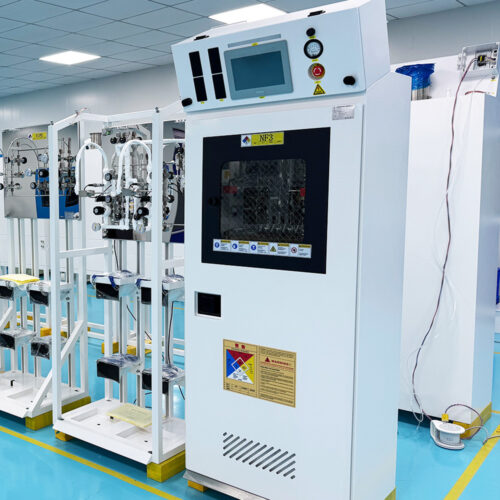
Semi Automatic Gas Cabinet Gas Panels High Purity Gas Delivery Systems JW-200-GC
-
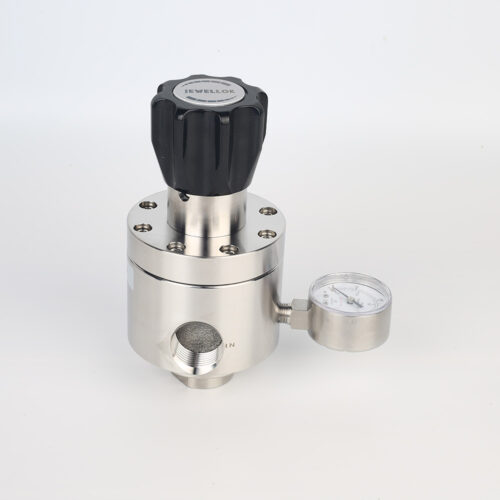
Low Pressure High Flow Line Pressure Regulators And Control Valves JSR-4L Series For Laboratory Pressure Control
-
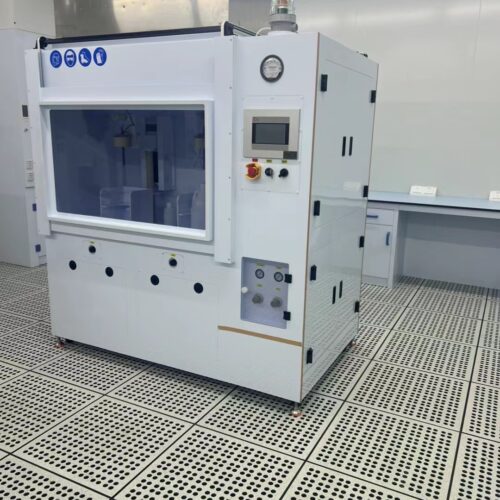
Custom VMB Valve Manifold Boxes for Enhanced Tool Isolation and Maximum Uptime in Complex Chemical Distribution Networks
-
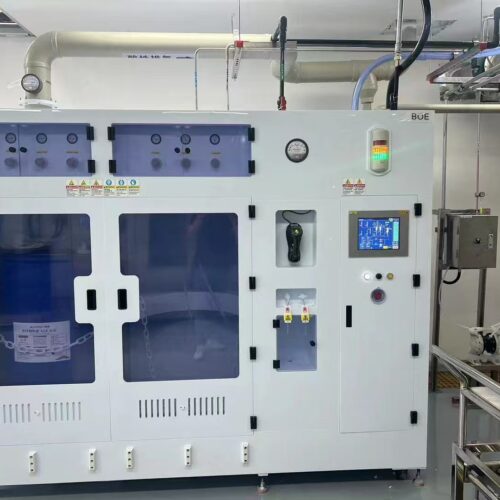
High Purity Bulk Chemical Delivery System and Automatic CDU for Advanced Semiconductor Manufacturing and Fabrication
-
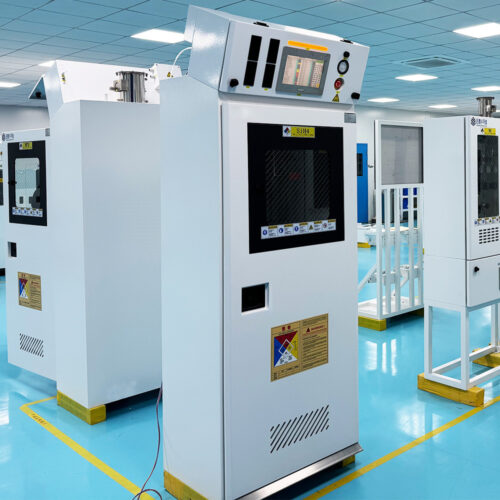
Advanced Exhaust Gas Scrubber System Design for 99% Removal Efficiency of Industrial Toxic Gases
-
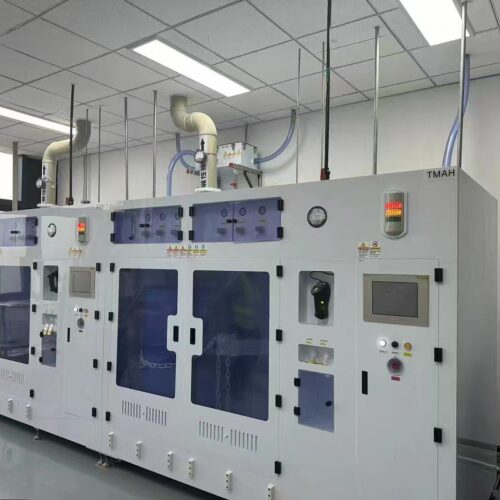
Liquid Bulk Chemical Delivery System with Automatic Chemical Dispense Unit (CDU) Featuring 316L Electropolished Stainless Steel Piping Components
-
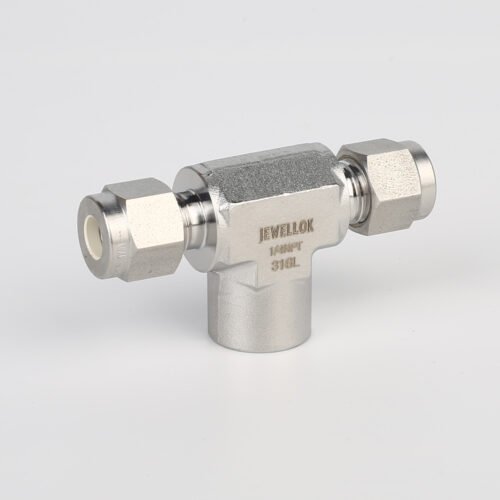
772 LF Female Branch Tee | Stainless Steel Tube Fitting Female Branch Tee 1/2 in. Tube OD x 1/2 in. Tube OD x 3/8 in. Female NPT
-
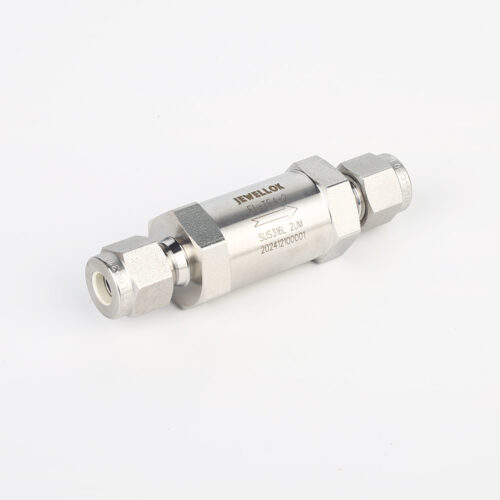
JF Series In-Line Gas Filters | High Purity High Precision High Flow Semiconductor Gas Filter Gas Filtration & Purification