
Regulator Manufacturer Tel: +86 13380377051
Regulator Manufacturer Tel: +86 13380377051
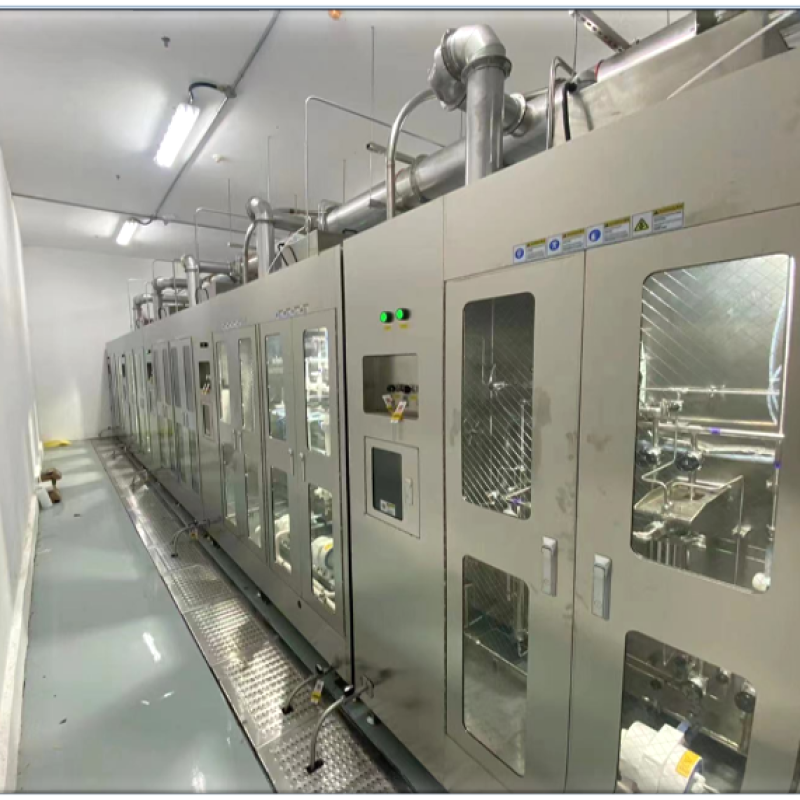
How Does Catalytic Oxidation Improve the Energy Efficiency of Silane Gas Abatement Scrubbers?
Introduction
In modern semiconductor manufacturing, photovoltaics (PV) production, and flat-panel display (FPD) fabrication, silane (
SiH4) is a primary precursor gas used for depositing thin films of silicon dioxide (SiO2), silicon nitride (Si3N4), and polysilicon via Chemical Vapor Deposition (CVD). Despite its indispensability, silane presents significant industrial safety and environmental hazards. It is pyrophoric—spontaneously igniting upon contact with air at ambient or slightly elevated temperatures—and poses explosive risks when diluted in exhaust lines.
Historically, sub-fab abatement systems have relied on high-temperature thermal combustion (burn-wash scrubbers) or electrical thermal oxidation to process silane-rich effluent streams. While effective at converting hazardous gases into benign or manageable byproducts (primarily solid SiO2 silica powder and water vapor), conventional thermal systems consume massive quantities of electricity, natural gas, or hydrogen to sustain operating temperatures between 800℃ and $1200℃.
As the semiconductor industry commits to stringent sustainability goals and carbon reduction targets, optimizing the energy efficiency of point-of-use (POU) abatement systems has become a critical engineering objective. Catalytic oxidation has emerged as a key technological solution, enabling the oxidation of silane and associated process gases at significantly reduced operating temperatures (200℃to 400℃).
This article examines the thermodynamic principles, kinetic mechanisms, structural reactor design, and energy balance dynamics that allow catalytic oxidation to dramatically improve the energy efficiency of silane gas abatement scrubbers.
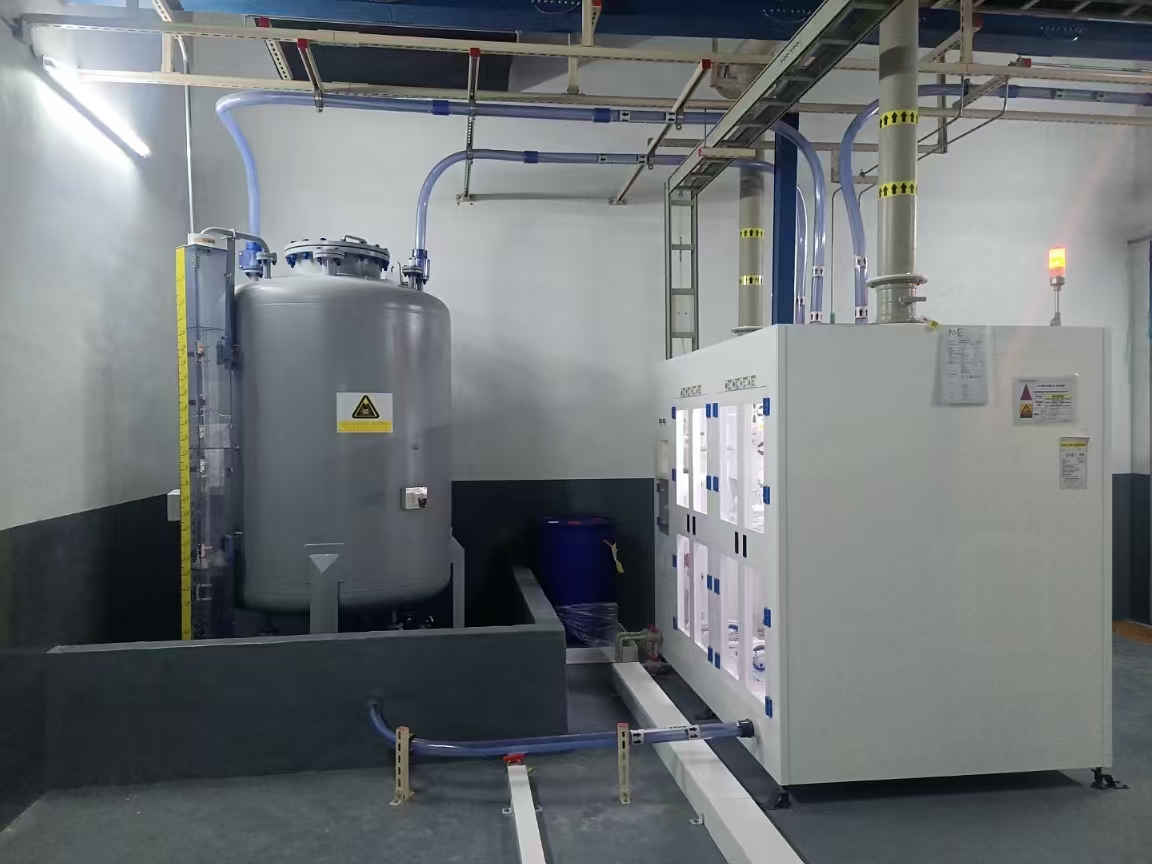
1. Silane Abatement Fundamentals & Chemical Thermodynamics
1.1 Chemical Reaction Mechanisms
The complete oxidation of silane proceeds according to the following exothermically favorable reaction:
In conventional thermal oxidation (direct flame ignition or electric thermal heating), the reaction requires sufficient thermal energy activation to sustain a homogenous flame front or bulk reaction zone. Although the overall reaction is highly exothermic, conventional scrubbers must continuously input high thermal energy to offset radiative heat losses, process gas dilution (often using high flows of nitrogen purging gas from vacuum pumps), and cold air entrainment.
1.2 Thermal Oxidation vs. Catalytic Oxidation
In direct thermal oxidation, high temperatures (800℃ – 1200℃) are required to overcome homogenous gas-phase kinetic barriers, especially when dealing with low-concentration silane streams diluted by carrier gases like N2, Ar, or H2.
Conversely, catalytic oxidation introduces a heterogeneous solid-state catalyst (typically precious metals such as platinum, palladium, or transition metal oxides such as copper, manganese, or cobalt oxides supported on ceramic honeycomb or alumina extrudates). The catalyst provides an alternative heterogeneous reaction pathway with a substantially lower activation energy .
| Parameter | Conventional Thermal Oxidation | Catalytic Oxidation |
| Operating Temperature | 800℃- 1200℃ | 200℃ – 400℃ |
| Primary Energy Source | Natural gas, H2, or high-kw electric heaters | Low-wattage preheaters / reaction enthalpy |
| Reaction Mechanism | Homogeneous gas-phase free-radical chain reaction | Heterogeneous surface reaction |
| Thermal Energy Loss | High radiative and convective exhaust loss | Minimal surface thermal dissipation |
| CO2 / Carbon Footprint | High (fuel-burning thermal scrubbers) | Extremely low (electrically boosted / self-sustaining) |
2. Key Drivers of Energy Efficiency in Catalytic Silane Scrubbers
2.1 Lower Operating Temperature Thresholds
The primary mechanism driving energy savings in catalytic scrubbers is the reduction of the baseline thermal operating setpoint. Maintaining a continuous gas bed at 1000℃ requires substantial power input continuously—even during pump idle or chamber standby modes in semiconductor tools.
Lowering the thermal threshold to 250℃ – 350℃ decreases sensible heat input requirements proportionally to the enthalpy change of the carrier gas stream:
Where:
-
Q is the continuous heating power required.
-
m is the mass flow rate of the total exhaust gas stream (including vacuum pump N2 purge).
-
Cp is the specific heat capacity of the gas mixture.
-
Treaction is the operating temperature of the abatement zone.
Because vacuum pump purge nitrogen accounts for up to 90–95% of the total exhaust volume in sub-fab lines (often 50–200 SLM per tool line), heating this inert mass flow to 1000℃ represents the single largest parasitic energy load in direct thermal abatement. Operating at 300℃ reduces the sensible heat demand (Delta T) by approximately 70%, yielding direct, linear power savings.
2.2 Exploitation of Exothermic Reaction Enthalpy (Autothermal Operation)
Because the oxidation of silane releases 1512 kJ per mole of gas converted, catalytic reactors can achieve autothermal operation (self-sustaining reaction mode) at lower gas concentrations than non-catalytic burners.
Once the catalyst bed reaches its light-off temperature (Tlight-off, typically between 180℃ and 230℃, the exothermic energy released from silane catalytic surface reactions heats the incoming gas stream. In conventional systems, high heat dissipation into large combustion chambers dissipates this heat quickly. In compact catalytic beds, the concentrated reaction zone efficiently transfers thermal energy directly back into the catalyst matrix and gas phase, allowing supplementary electric heaters to power down or throttle back into dynamic standby modes during active deposition cycles.
2.3 Elimination of Supplementary Fuel Streams
Thermal combustion scrubbers frequently consume secondary fossil fuel gas (e.g., methane/natural gas, liquefied petroleum gas, or hydrogen) to sustain a stable flame front in oxygen-deficient or nitrogen-heavy exhaust streams. Burner fuel consumption directly increases operating expenditures (OpEx) and generates scope 1 greenhouse gas emissions (CO2 and NOx).
Catalytic scrubbers do not require continuous flame-sustaining fuel. They utilize low-power electric heating elements solely for initial startup and temperature trimming, combined with controlled ambient air injection for stoichiometric oxygen supply. This eliminates fuel supply infrastructure, lowers auxiliary gas utility costs, and eliminates direct combustion carbon emissions.
3. Engineering Innovations Mitigating Catalytic Challenges
While catalytic oxidation offers profound energy benefits, adapting it for silane abatement requires specific engineering solutions to overcome silica powder fouling and catalyst deactivation.
3.1 Managing Silica Powder Formation (SiO2Dusting)
A major technical challenge in silane oxidation is the formation of solid silicon dioxide (SiO2) nanoparticles:
In standard packed-bed catalysts, amorphous silica particulates quickly coat the catalyst surface (pore plugging and active site masking), causing rapid deactivation and severe pressure drop buildup across the abatement system.
To preserve energy efficiency while avoiding fouling, modern catalytic silane scrubbers incorporate targeted design strategies:
-
Monolithic Open-Channel Structures: Utilizing high-cell-density metallic or cordierite ceramic monoliths with straight, parallel channels rather than standard packed beads. The high-velocity laminar flow carries micro-particulates through the channels without physical impaction or entrapment.
-
Upstream Aerodynamic Pre-separation & Downstream Sonic Clearing: Implementing mechanical cyclonic traps or inline ultrasonic vibration modules that continuously dislodge loose SiO2 dust from the catalyst channel walls, ensuring channel pressure drop remains static and blower/fan energy consumption does not escalate over operating lifecycles.
Exhaust Inflow ──> [ Pre-Heating Zone ] ──> [ Monolithic Catalytic Matrix ] ──> [ Solid Particulate / Scrubbing Unit ]
 (SiH4 + N2)        (200°C - 300°C)         (Heterogeneous Oxidation)            (SiO2 Removal & Heat Recovery)
3.2 Dual-Stage Regenerative Heat Integration
To further maximize overall energy efficiency, advanced catalytic systems incorporate Regenerative Heat Exchangers (RHE) or recuperative gas-to-gas heat exchangers.
Because catalytic abatement operates at manageable temperatures (250℃ – 350℃), standard stainless steel (e.g., 316L) or high-efficiency compact plate heat exchangers can pre-heat incoming cold exhaust gases using the clean, hot post-catalyst stream.
In conventional thermal combustion (>1000℃), extreme thermal stress, corrosive byproduct gases (such as HF or F2 from chamber cleans), and rapid silica scaling cause high failure rates in recuperative heat exchangers. At catalytic temperatures, heat exchanger material degradation is minimized, enabling continuous thermal energy recovery rates exceeding 70–80%.
4. Quantitative Energy Balance Comparison
To evaluate the thermal efficiency gains, consider a representative sub-fab process line running continuous deposition with the following baseline parameters:
- otal Exhaust Gas Flow (𝑉˙V˙): 100 SLM (N2 purge balance)
- Inlet Temperature (𝑇inTin): 25∘C (298 K)
- Silane Concentration: 1.0% SiH4 in N2 volume (1 SLM SiH4)
- Specific Heat Capacity of N2(𝐶𝑝):≈1.04 kJ/kg⋅K
4.1 Thermal Burner Abatement System
-
Operating Temperature (𝑇out):900∘C (1173 K)
-
Temperature Rise (Δ𝑇):875 K
-
Sensible Heat Power Required(𝑃thermal):
For nitrogen at (≈0.00208 kg/s):
Accounting for system thermal dissipation, wall losses, air entrainment, and burner stabilization efficiency (typically 30–40% thermal efficiency), the actual power draw ranges from 4.5 kW to 6.0 kW per line.
4.2 Catalytic Abatement System (With Recuperative Pre-heating)
- Operating Temperature (𝑇cat):300∘C (573 K)
- Temperature Rise without Heat Exchange (Δ𝑇1ΔT1):275 K275 K
- Sensible Heat Base Demand (𝑃base):
𝑃base=0.00208 kg/s×1.04 kJ/kg⋅K×275 K≈0.59 kW
- Exothermic Reaction Credit (𝑃exothermic):
For1 SLMofSiH4(0.000744 mol/s):𝑃exothermic=0.000744 mol/s×1512 kJ/mol≈1.12 kW
-
Recuperative Heat Exchanger Efficiency (𝜂HEX):70%
With heat integration, the incoming gas is preheated to:
Tpreheat=25∘C+0.70×(300∘C−25∘C)=217.5∘C
Net required external heating power (𝑃net):
4.3 Summary Energy Savings
This comparative thermodynamic analysis reveals a net baseline energy reduction of 70% to 90% when transitioning from conventional high-temperature thermal burn scrubbers to heat-integrated catalytic oxidation systems.
5. Secondary Operational and Environmental Benefits
Beyond direct baseline power reduction, catalytic silane abatement yields secondary operational advantages that indirectly improve overall fab energy efficiency and cost efficiency:
-
Reduced HVAC and Chilled Water Load: High-temperature thermal scrubbers radiate substantial heat into the sub-fab environment and require high chilled-water flow rates in wet-scrubbing stages to cool the gas before discharge. Low-temperature catalytic oxidation reduces localized thermal dissipation and lowers facilities cooling water consumption.
-
Elimination of Thermal NOx Generation: High thermal oxidation temperatures (>1000℃) induce atmospheric nitrogen fixation, creating thermal nitrogen oxides (NOx). Catalytic oxidation operates far below the thermal $\text{NO}_x$ threshold (>750℃), eliminating the need for energy-intensive downstream secondary NOx abatement systems.
-
Optimized Standby Modes: Modern semiconductor tools spend significant time in idle or standby states. Catalytic systems, having lower thermal mass, can rapidly ramp between low-energy idle baseline temperatures (150℃) and full operational temperatures (300℃) in minutes, compared to thermal burn systems that must stay continuously heated to prevent structural thermal shock.
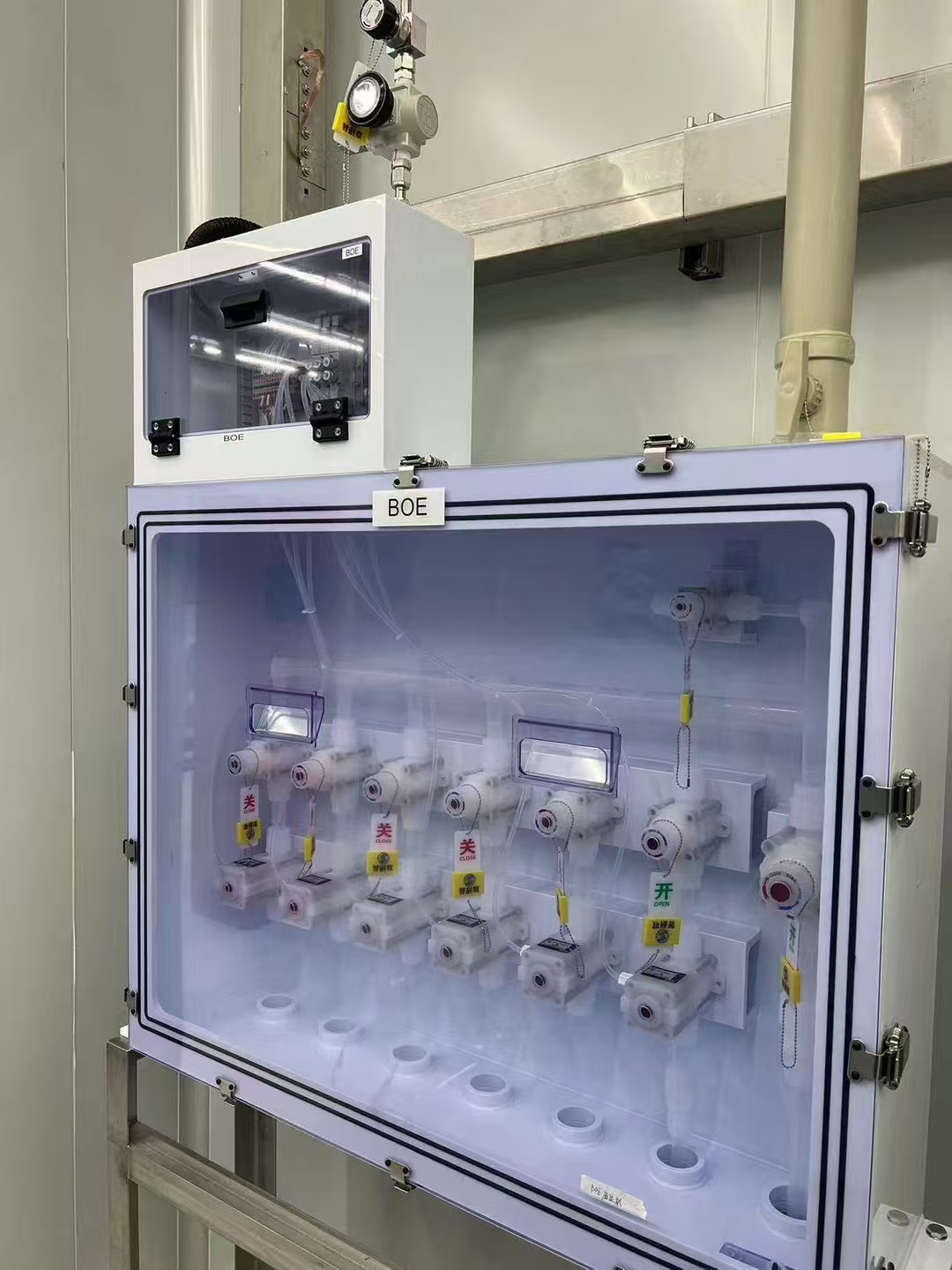
Conclusion
Catalytic oxidation represents a fundamental shift in abatement engineering for silane gas streams in semiconductor and solar cell manufacturing. By lowering the required reaction activation energy, catalytic scrubbers drop baseline operating temperatures from over 1000℃ down to 200℃- 400℃.
This operational temperature reduction yields substantial benefits:
-
Directly reduces sensible heating requirements for heavy nitrogen carrier gas purges.
-
Enables autothermal operation by fully harnessing silane’s high exothermic enthalpy.
-
Allows effective heat integration via recuperative heat exchangers without extreme thermal stress or degradation.
-
Eliminates fossil fuel usage and thermal formation.
Through monolithic reactor designs and engineered particle-handling mechanisms that overcome historical silica fouling issues, catalytic oxidation provides semiconductor facilities with a high-efficiency, reliable, and lower-carbon solution for hazardous silane gas abatement.
For more about how does catalytic oxidation improve the energy efficiency of silane gas abatement scrubbers, you can pay a visit to Jewellok at https://www.specialtygasregulator.com/product-category/specialty-gas-cabinet/ for more info.
-
High Purity High Pressure 316 Stainless Steel Ball Valves JBV1 Series From High Pressure Ball Valve Manufacturer And Supplier In China
-
775L Bulkhead Reducing Union | Stainless Steel High Purity Double Ferrule Bulkhead Reducing Unions
-
764LR Stainless Steel 316 Reducing Tee UHP Fitting Automatic Buttweld Reducing Tee
-
774L Stainless Steel UHP Fittings Butt Weld Bulkhead Union For High Flow Special Gas Fluid
-
High Purity Semi-Auto Stainless Steel Changeover Manifold System, Nitrogen High Pressure Control Panel With Semiconductor Valve Manifold Box Diaphragm Valves
-
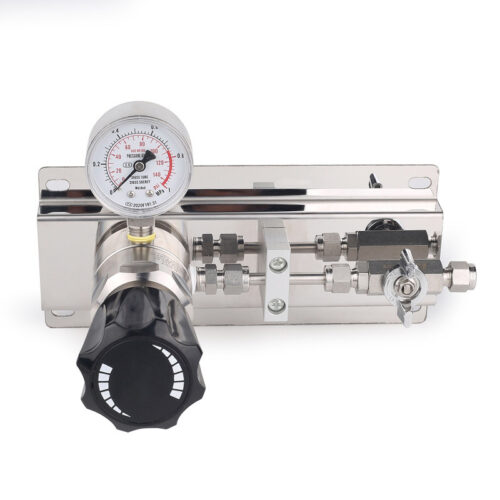
High Purity Gas Cylinder Semi Automatic Changeover Manifold Regulator Panel 3000psig Stainless Steel Gas Control Panel 1/8 Npt With Gauge
-
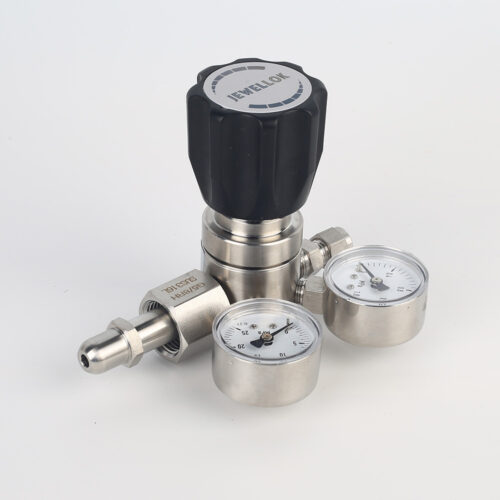
High Purity High Pressure Gas Cylinder Pressure Regulators Pressure Reducing Valve JSR-1E Series
-
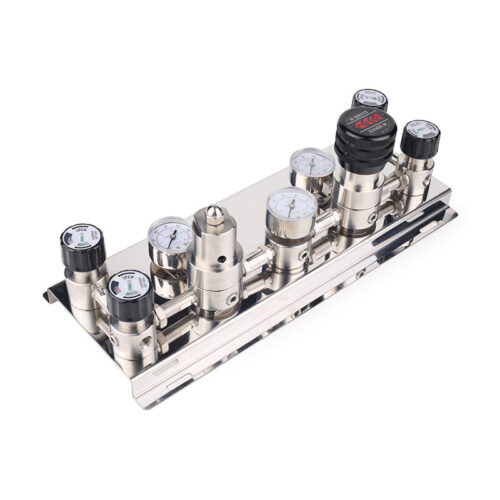
Stainless Steel High Pressure Specialty Gas Changeover Manifold For High Purity Oxygen Nitrogen Argon Helium Hydrogen Co2