
Regulator Manufacturer Tel: +86 13380377051
Regulator Manufacturer Tel: +86 13380377051
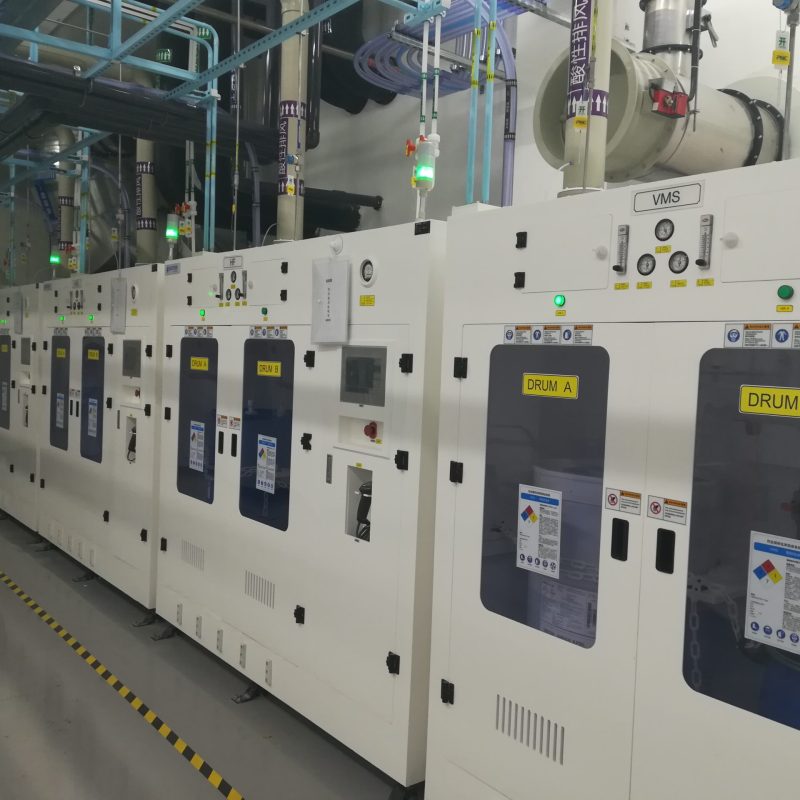
Exhaust Gas Scrubber That Efficiently Handles Complex VOCs Components
The treatment of industrial volatile organic compounds (VOCs) has become increasingly challenging as manufacturing processes diversify. Streams characterized by complex components, fluctuating concentrations, halogenated hydrocarbons, and high-boiling-point substances pose significant operational risks to conventional Regenerative Thermal Oxidizers (RTO) and Catalytic Oxidizers (CO). The primary failure modes for these exhaust gas systems include the secondary formation of dioxins/furans and the irreversible fouling of ceramic media and catalyst beds. This article explores advanced pretreatment methodologies and dynamic control strategies designed to mitigate these risks. It delves into the mechanisms of dioxin precursor formation, the rheology of polymerizable organics, and presents a technical framework combining quenching, dry scrubbing, adaptive combustion logic, and intelligent switching valve management to ensure long-term compliance and operational stability.

Regenerative Thermal Oxidizers (RTO) and Catalytic Oxidizers (CO) are the industry standard for high-destruction-efficiency (DRE) VOC abatement. However, their efficacy is challenged by “complex” waste gas streams. In the context of chemical synthesis, pharmaceutical manufacturing, and coating industries, waste gas often contains a cocktail of chlorinated hydrocarbons (e.g., dichloromethane, chlorobenzene), siloxanes, long-chain alkanes, and tarry aerosols.
When such streams are fed directly into an RTO, two critical failure mechanisms are triggered:
-
Dioxin Reformation: The combustion of chlorinated organics in the presence of copper or iron compounds (catalysts) and oxygen within the temperature “window” of 250–400°C—specifically during the cooling phase of flue gas—leads to the de novo synthesis of polychlorinated dibenzo-p-dioxins (PCDD) and furans (PCDF).
-
Media Fouling: High-boiling-point (HBP) compounds, or “glue-like” substances, condense upon contact with cold ceramic media at the inlet of the RTO valve system or within the cold section of the bed. This results in polymerization, leading to rapid pressure drop increases, channeling, and ultimately, catastrophic failure of the ceramic heat exchange matrix.
To address these issues, a paradigm shift from simple “end-of-pipe” combustion to integrated “source-management-reaction” control is required. This article outlines the technical strategies necessary to protect oxidation assets when handling challenging waste gas matrices.
2. Pretreatment Strategies: The First Line of Defense
Before the VOCs enter the high-temperature zone, pretreatment must neutralize the agents responsible for downstream fouling and dioxin precursor formation.
2.1 Quenching and Particulate Removal for High-Boiling Point Fractions
The primary cause of ceramic bed clogging is the condensation of high molecular weight (HMW) compounds. When a hot, saturated gas stream containing HMW components enters the RTO’s inlet manifold or the lower section of the cold ceramic bed, the temperature drop below the dew point of these compounds results in condensation.
Strategy:
A venturi scrubber or wet electrostatic precipitator (WESP) placed upstream is often the most effective solution.
-
Mechanism: By saturating the gas stream with water and cooling it to a specific temperature (typically 40–60°C), the gas is brought below the condensation point of the problematic HMW VOCs before it enters the RTO. This allows the sticky tars or oligomers to be captured in a liquid medium where they can be separated via coalescing filters or chemical precipitation.
-
Application: For streams containing diisocyanates (TDI/MDI) or phthalic anhydride, a high-energy venturi scrubber with a caustic pH adjustment ensures that polymerizable monomers are quenched and hydrolyzed before they can solidify on ceramic saddles.
2.2 Dry Scrubbers and Halogen Management
The presence of halogens (Cl, F, Br) is the primary precursor for dioxin formation. While RTOs are efficient at breaking carbon-halogen bonds (forming HCl and HF), these acids released in the flue gas can catalyze dioxin formation in the downstream heat recovery section or stack.
Strategy:
To prevent “dioxin memory effect” (where dioxins form in the cooling zone), a dry or semi-dry scrubber using sodium bicarbonate (NaHCO₃) or hydrated lime (Ca(OH)₂) is essential.
-
Dynamic Dosing: Rather than constant dosing, advanced pretreatment systems utilize real-time halogen analysis (FTIR or ion-selective electrodes) to modulate the injection rate of alkali sorbents.
-
Activated Carbon Injection (ACI): For streams with chlorinated aromatics, injecting powdered activated carbon (PAC) upstream of a baghouse filter creates a fixed bed of adsorption on the filter cake. This serves a dual purpose: it adsorbs any trace dioxins formed in the gas phase and captures heavy metals (like Cu or Fe) which act as catalysts for de novo synthesis. By removing these catalysts before the gas cools, the reformation risk is drastically reduced.
2.3 Adsorption Concentration with Buffering
For streams with extreme concentration volatility (e.g., from batch chemical reactors), direct introduction to an RTO poses safety risks (explosion hazards) and thermal shock risks.
Strategy:
A Rotary Concentrator (Zeolite Wheel) combined with a smaller RTO (or CO) acts as a buffer.
-
Function: The zeolite wheel selectively adsorbs VOCs while allowing clean air and moisture to pass through. For streams containing halogens or HBP compounds, the wheel acts as a “gatekeeper.” HBP compounds that are too heavy to desorb efficiently are often retained and destroyed via a separate high-temperature regeneration loop.
-
Impact on RTO: By decoupling the production source from the oxidizer, the concentration is stabilized to a pre-determined setpoint (e.g., 1.5–2.5 g/Nm³). This eliminates the low-concentration periods where the RTO requires auxiliary fuel to sustain combustion, and the high-concentration spikes that cause thermal runaway or incomplete combustion, which are often the root cause of incomplete halogen destruction.
3. Dynamic Control Strategies: Intelligent Operation of RTO/CO
Even with rigorous pretreatment, fluctuations occur. The RTO and CO must be operated as “smart reactors” rather than static incinerators.
3.1 Adaptive Combustion Temperature Control
The oxidation of chlorinated VOCs requires a higher temperature than standard hydrocarbons. While a standard RTO might operate at 760–820°C, halogenated streams require sustained temperatures above 900–950°C to ensure complete dissociation of C-Cl bonds and prevent the formation of chlorinated byproducts.
Strategy:
Implement cascade PID control based on exhaust gas scrubber composition.
-
Mechanism: Using an online Gas Chromatograph (GC) or Fourier-transform infrared (FTIR) spectroscopy calibrated for halogenated species, the system adjusts the combustion chamber setpoint dynamically.
-
Example: If the FTIR detects a spike in dichloromethane, the system automatically increases the burner output to raise the combustion chamber temperature from 820°C to 950°C for the duration of the spike. Simultaneously, it adjusts the residence time (by modulating the damper position) to maintain the required 1.0–1.5 seconds of retention at the elevated temperature. Once the halogen load decreases, the temperature returns to energy-saving mode.
3.2 Smart Switching Valve Management
In RTOs, the ceramic media beds cycle between “inlet” (cold side) and “outlet” (hot side) via switching valves. In streams containing HBP and halogens, the interface zone where the hot bed is purged to cold inlet is critical.
Strategy:
Cyclic Purge Optimization and Flushing.
-
Hot Purging: Traditional RTOs use a small purge stream to recover un-oxidized VOCs during valve switching. For complex streams, this purge volume should be increased and heated. By ensuring that the purge air is pre-heated to 150–200°C, the condensation of HBP compounds on the cold face of the ceramic is avoided.
-
Valve Timing: Dynamic control algorithms can shorten the cycle time when high concentrations of sticky compounds are detected. Faster switching reduces the time that the “cold” ceramic face is exposed to the raw gas, minimizing the depth of penetration of aerosols into the media.
3.3 Pre-Filter Bypass and Burn-Off Cycles
Even with perfect pretreatment, some aerosol penetration is inevitable. Rather than allowing this to build up until the RTO shuts down due to high pressure drop, modern systems incorporate “active cleaning” cycles.
Strategy:
In-situ Thermal Regeneration.
-
Bake-Out Cycles: By temporarily increasing the combustion chamber temperature and directing the flow pattern to isolate a specific bed, the system can “bake out” polymerized organics. The bed is heated to 600–700°C without the presence of the raw gas stream (using recirculated clean air). This pyrolyzes the high-boiling-point residues into carbon dioxide and water vapor, restoring the pressure drop to baseline.
-
Corrosion Management: When dealing with halogenated residues, these bake-out cycles are coordinated with the injection of alkali sorbents into the flush air to neutralize any acidic byproducts generated during the cleaning process.
4. Catalytic Oxidation (CO) Specific Considerations
Catalytic Oxidizers are more susceptible to poisoning and masking than thermal oxidizers. For complex streams, the catalyst is the most vulnerable asset.
4.1 Guard Beds
For CO units treating complex VOCs, a guard bed is non-negotiable.
-
Construction: A sacrificial layer of high-surface-area material (e.g., zeolite or activated alumina) placed upstream of the precious metal catalyst.
-
Function: This bed captures silicon (siloxanes), phosphorus, and heavy metals that would irreversibly poison the platinum/palladium catalyst. For halogenated streams, guard beds often incorporate alkaline earth metals to neutralize the HCl gas before it contacts the catalyst, preventing dealumination of the catalyst substrate.
4.2 Sulfur and Halogen Tolerant Catalysts
Standard noble metal catalysts are susceptible to halogen poisoning. Advanced CO designs utilize sulfur-tolerant and halogen-resistant catalysts.
-
Mechanism: These often use vanadium oxide (V₂O₅) or titanium dioxide (TiO₂) substrates with specific promoters that allow for reversible halogen adsorption. While these catalysts typically operate at higher temperatures (350–450°C) compared to standard noble metal COs (250–350°C), they offer the durability required for “dirty” complex streams. Dynamic control systems monitor the catalyst bed temperature gradient to detect early signs of fouling or poisoning, alerting operators to initiate a high-temperature regeneration cycle before irreversible damage occurs.
5. Integrated Monitoring and Safety
The complexity of the waste gas necessitates a robust monitoring architecture that bridges pretreatment and oxidation.
-
LFL Monitoring with Dilution: Standard Lower Flammable Limit (LFL) monitors often fail in the presence of halogens or siloxanes due to sensor fouling. For complex streams, a heated flame ionization detector (FID) or a dual-channel infrared sensor is required to accurately measure the total hydrocarbon load, ensuring the system stays below 25% LFL without false trips.
-
Dioxin Precursor Monitoring: While continuous dioxin monitoring is expensive and complex, continuous monitoring of surrogate parameters—such as CO (carbon monoxide) and HCl—is critical. A sudden drop in HCl concentration coupled with a rise in CO indicates incomplete combustion and the potential formation of dioxin precursors in the combustion chamber. Dynamic control systems use this surrogate data to automatically increase combustion temperature and turbulence.
6. Conclusion
The treatment of complex VOCs—characterized by fluctuating loads, halogens, and high-boiling-point substances—requires a holistic exhaust gas system design that extends far beyond the oxidizer itself. The RTO or CO should not be viewed as the treatment device, but rather as the final stage in a multi-stage remediation train.
To prevent the secondary formation of dioxins, pretreatment must focus on the removal of catalyst poisons (Cu, Fe) and acid gases via dry scrubbers and activated carbon injection, combined with combustion control that ensures complete dissociation at elevated temperatures. To avoid the catastrophic clogging of RTO ceramic media by high-boiling-point residues, advanced quenching systems must be employed to condense and remove tars upstream, supported by dynamic switching logic and scheduled in-situ bake-out cycles.
As environmental regulations tighten—particularly regarding dioxin emissions (often regulated in the picogram TEQ/Nm³ range) and operational reliability—the adoption of these adaptive pretreatment and dynamic control strategies is no longer optional but a requisite for sustainable operations. By integrating real-time analytical instrumentation with intelligent process control, facilities can transform an RTO or CO from a passive disposal unit into an active, resilient component of their chemical manufacturing infrastructure.
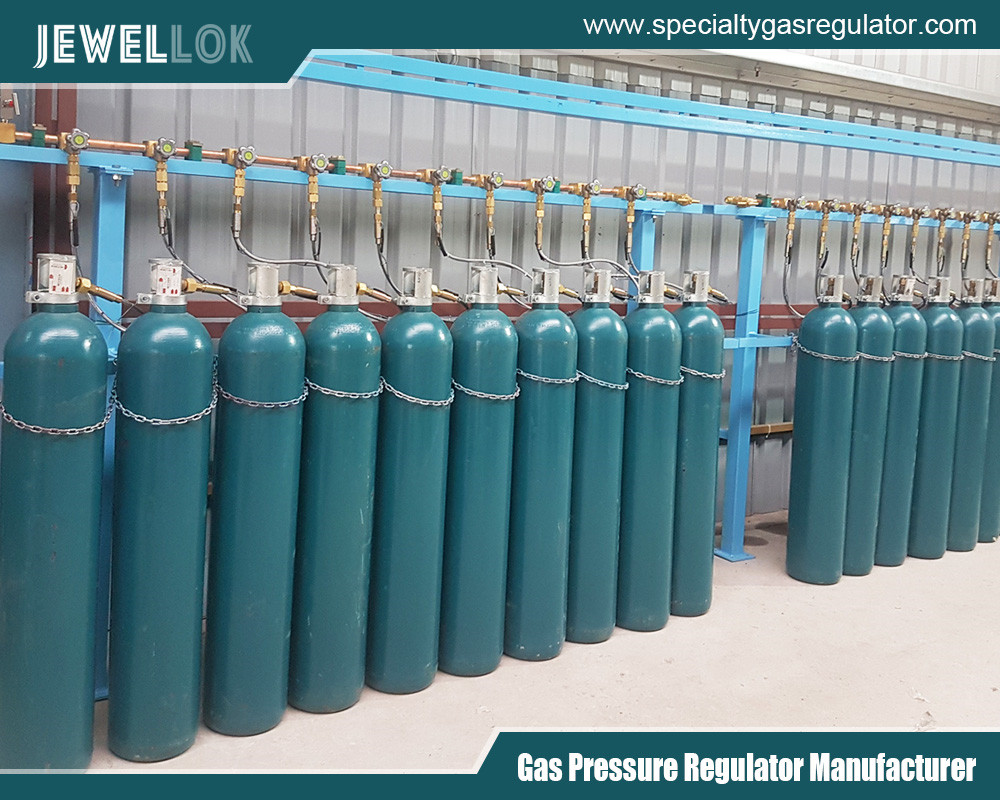
For more about exhaust gas scrubber that efficiently handles complex VOCs components, you can pay a visit to Jewellok at https://www.specialtygasregulator.com/product-category/specialty-gas-cabinet/ for more info.
-
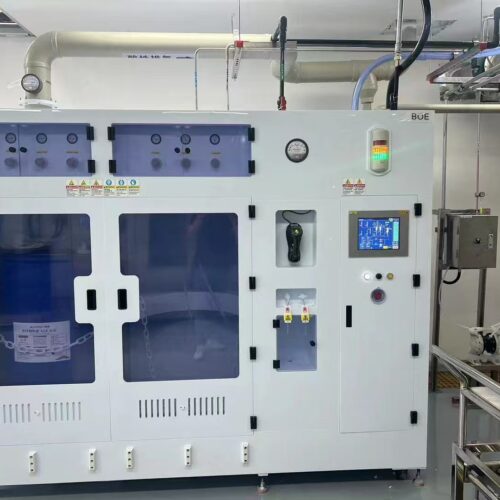
UHP Liquid Chemical Delivery Systems for Semiconductor Fabrication and Photovoltaic Manufacturing Processes
-
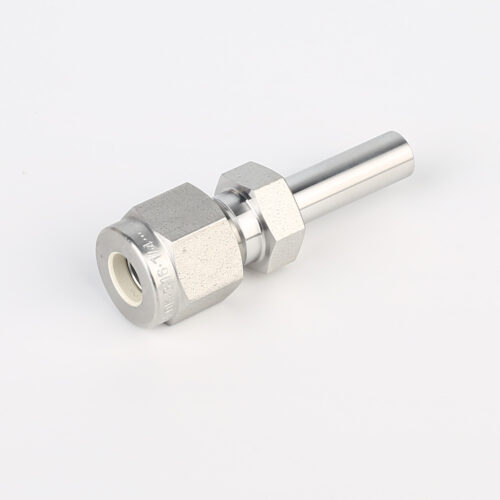
767LT Reducer Pressure Reducing Valve Adjustment High purity Pressure Reducing Union Fittings And Tubing
-
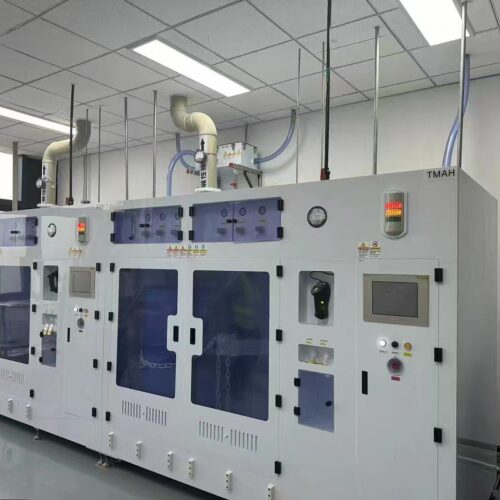
Vertical Laminar Flow Workstation (VLF) With Chemical Concentration Monitor
-
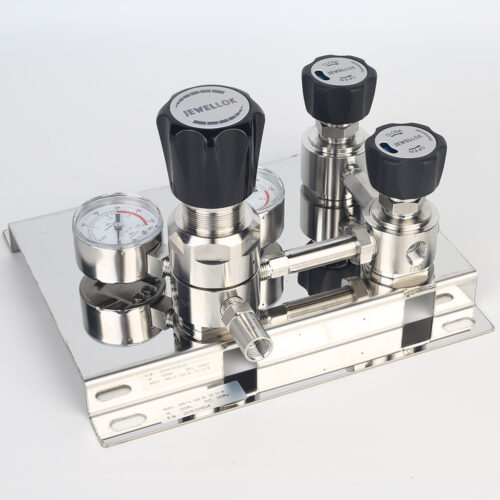
Stainless Steel 316L Single Stage Regulator Pressure Control Panels JSP-1E Series For Semiconductor Fluid Control
-
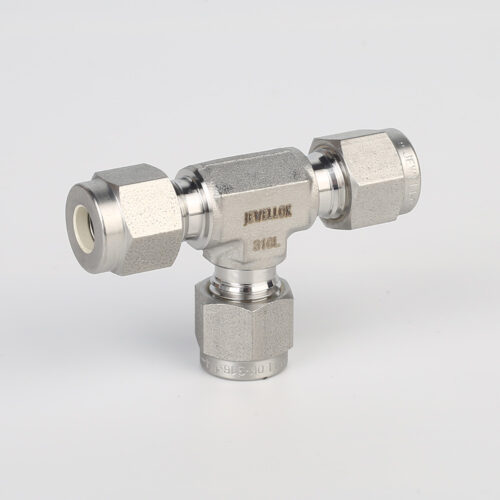
764L Stainless Steel Union Tee High Purity Fitting Union Tee Reducing Tubing Connection
-
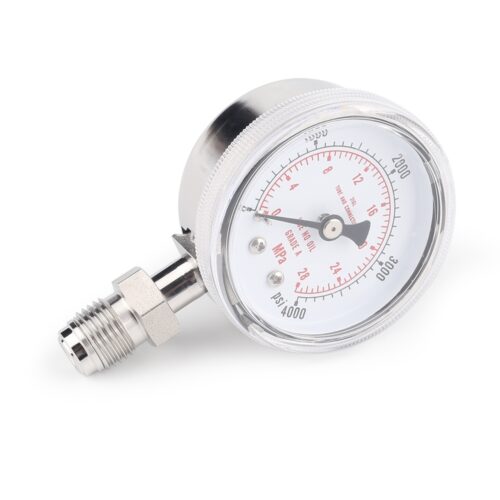
Ultra High Purity Oxygen Pressure Gauge For Semiconductor Gases JG Series Pressure Instruments For Semiconductor Manufacturing
-
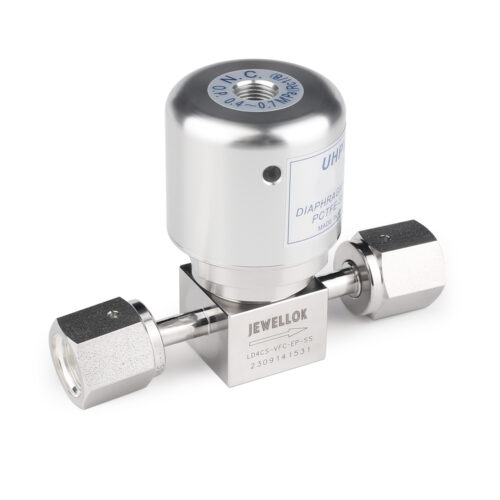
Stainless Steel Low Pressure Seal Pneumatic Diaphragm Control Valve For For HP & UHP Gases
-
Liquid Bulk Chemical Delivery System with Automatic Chemical Dispense Unit (CDU) Featuring 316L Electropolished Stainless Steel Piping Components