
Regulator Manufacturer Tel: +86 13380377051
Regulator Manufacturer Tel: +86 13380377051
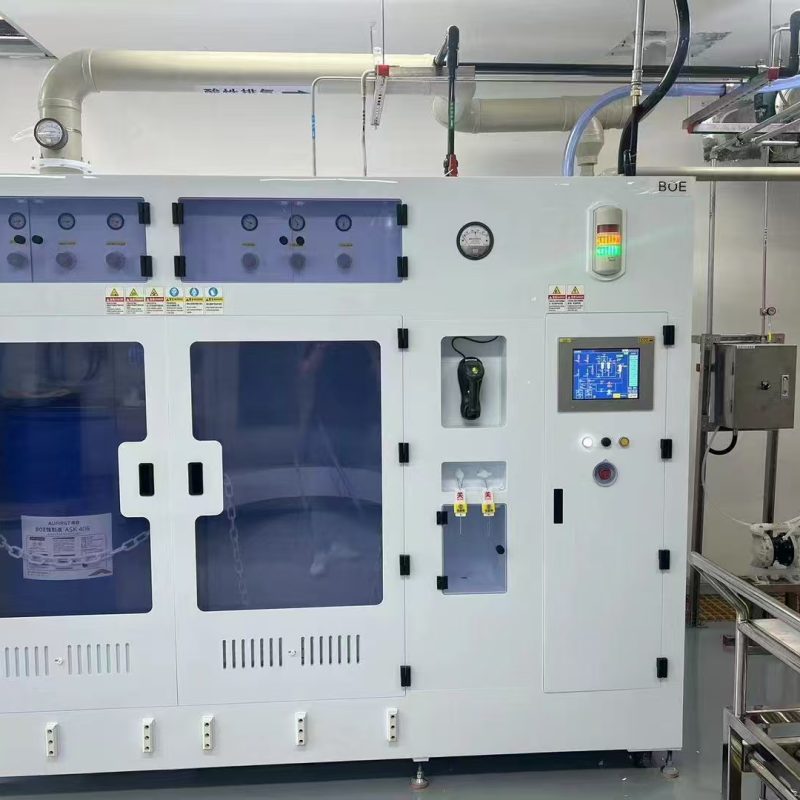
How to Troubleshoot Low Gas Removal Efficiency in a Laboratory Fume Hood Gas Scrubber Tower?
Introduction
A laboratory fume hood gas scrubber tower is an essential air pollution control system designed to remove hazardous gases, acidic vapors, and chemical contaminants generated during laboratory experiments, chemical processing, and research activities. It protects laboratory personnel, surrounding environments, and exhaust systems by treating contaminated air before it is discharged into the atmosphere.
Common applications include university laboratories, pharmaceutical facilities, chemical research centers, semiconductor laboratories, and industrial testing environments. Depending on the chemicals involved, a laboratory gas scrubber may be designed to remove hydrogen chloride (HCl), sulfur dioxide (SO₂), ammonia (NH₃), hydrogen fluoride (HF), chlorine (Cl₂), and other hazardous gases.
However, one of the most common operational challenges is low gas removal efficiency. Even when the scrubber fan, circulation pump, and chemical dosing system appear to operate normally, the outlet gas concentration may remain higher than expected.
Low removal efficiency can result from insufficient gas-liquid contact, incorrect chemical concentration, poor liquid distribution, unsuitable packing materials, excessive gas flow, chemical saturation, or mechanical equipment failures.
Identifying the actual cause is essential for restoring treatment performance and maintaining environmental compliance.
This article explains how to troubleshoot low gas removal efficiency in a laboratory fume hood gas scrubber tower, covering common causes, diagnostic procedures, corrective actions, and preventive maintenance strategies.

1. Understand How a Laboratory Fume Hood Gas Scrubber Works
Before troubleshooting, it is important to understand the basic operating principles of a laboratory fume hood gas scrubber tower.
Most laboratory wet scrubbers use gas-liquid absorption combined with chemical neutralization.
The contaminated exhaust air is collected from laboratory fume hoods and transported through exhaust ductwork into the scrubber tower. Inside the tower, the gas contacts a circulating scrubbing liquid, usually through spray nozzles or packed-bed materials.
The acidic or alkaline contaminants transfer from the gas phase into the liquid phase. Depending on the chemical composition, the absorbed contaminants may then react with neutralizing chemicals.
For example, sodium hydroxide (NaOH) is commonly used to neutralize acidic gases.
A simplified neutralization reaction involving hydrochloric acid is:
HCl + NaOH → NaCl + H₂O
For sulfur dioxide, the reaction may be represented as:
SO₂ + 2NaOH → Na₂SO₃ + H₂O
The treated gas passes through a mist eliminator before entering the exhaust duct or discharge stack.
The overall removal efficiency can be calculated using the following formula:
Removal Efficiency (%) = [(C_in – C_out) / C_in] × 100
Where:
- C_in = Contaminant concentration at the scrubber inlet.
- C_out = Contaminant concentration at the scrubber outlet.
For example, if the inlet concentration of a target contaminant is 100 ppm and the outlet concentration is 10 ppm, the removal efficiency is 90%.
However, removal efficiency should always be evaluated against the specific contaminant, design conditions, and applicable emission requirements. Different gases have different absorption characteristics and chemical reaction rates.
2. Common Causes of Low Gas Removal Efficiency
Low scrubber efficiency is rarely caused by only one factor. Several operating conditions may contribute simultaneously.
2.1 Insufficient Scrubbing Liquid Circulation
Insufficient liquid circulation is one of the most common causes of poor gas removal performance.
The scrubbing liquid must flow evenly through the packed bed or spray contact section to provide sufficient gas-liquid contact.
If the circulation rate is too low, parts of the packing may become poorly wetted or completely dry. This reduces the effective contact area and limits the transfer of contaminants from the gas phase into the liquid.
Common causes include:
- Circulation pump wear or failure.
- Blocked suction strainers.
- Low liquid level in the circulation tank.
- Incorrect valve positions.
- Leakage in circulation pipelines.
- Insufficient pump capacity.
- Excessive resistance in the distribution system.
Troubleshooting methods:
Measure the actual liquid circulation flow rate and compare it with the original design specifications.
Check pump discharge pressure, suction conditions, motor operation, and piping connections.
Inspect strainers and filters for accumulated particles or chemical deposits.
If the circulation rate is below the required operating range, clean blocked components, repair leakage, or replace damaged pump parts.
Do not increase pump output beyond the design limits without checking the hydraulic capacity of the packing and distribution system.
2.2 Incorrect Scrubbing Solution pH
The pH of the circulating liquid directly affects chemical neutralization performance.
For acidic gases such as HCl, HF, and SO₂, an alkaline solution is commonly used. If the solution pH becomes too low, the available neutralization capacity may be insufficient to absorb additional acidic contaminants effectively.
For alkaline gases such as ammonia, an acidic scrubbing solution may be more appropriate, depending on the process chemistry.
Common pH control problems include:
- Insufficient chemical dosing.
- Incorrect chemical concentration.
- Faulty pH sensors.
- Inaccurate dosing pump calibration.
- Poor mixing in the circulation tank.
- Excessive chemical consumption.
- Delayed response from the automatic dosing system.
Troubleshooting methods:
Check the actual pH of the circulating solution using a calibrated portable meter.
Compare the measured value with the control panel reading to determine whether the pH sensor is functioning correctly.
Inspect chemical storage tanks, dosing pumps, injection lines, and control valves.
Verify that the neutralizing chemical is suitable for the target gas.
The optimal pH range must be established according to the contaminant chemistry and scrubber design. There is no universal pH setting suitable for every laboratory gas scrubber.
2.3 Poor Gas-Liquid Contact Inside the Packing Bed
Packed-bed scrubbers rely on a large wetted surface area to promote gas-liquid mass transfer.
If the gas and liquid are not distributed evenly, some sections of the packing may become underutilized.
This condition is commonly associated with channeling.
Possible causes include:
- Uneven liquid distribution.
- Blocked spray nozzles.
- Incorrect packing installation.
- Damaged packing support grids.
- Packing deformation.
- Excessive gas velocity.
- Fouling and chemical scaling.
When channeling occurs, gas may pass through preferential pathways without sufficient contact with the alkaline scrubbing solution.
Troubleshooting methods:
Inspect liquid distribution headers and spray nozzles during a controlled shutdown.
Check whether the packing is uniformly wetted.
Examine the packing bed for blocked passages, damaged elements, or uneven installation.
Clean or replace damaged packing and restore the original liquid distribution arrangement.
For large laboratory scrubber towers, verify whether intermediate liquid redistributors are required.
2.4 Excessive Exhaust Gas Flow Rate
The exhaust gas flow rate has a direct impact on scrubber performance.
If the gas velocity exceeds the designed operating range, the residence time inside the tower decreases.
This reduces the time available for gas-liquid mass transfer.
Excessive gas loading may also cause liquid entrainment, increased pressure drop, and flooding inside the packed bed.
In laboratory environments, changes in the number of operating fume hoods can significantly affect total exhaust flow.
Troubleshooting methods:
Measure the actual exhaust gas flow rate and compare it with the scrubber’s rated capacity.
Check fan speed, inverter settings, dampers, duct resistance, and fume hood operating conditions.
Verify that the scrubber is correctly sized for the number of connected fume hoods and their simultaneous operating requirements.
If the actual gas flow consistently exceeds the design capacity, consider adjusting the exhaust system or upgrading the scrubber.
Reducing exhaust flow must never compromise the required fume hood face velocity or laboratory containment performance.
2.5 Chemical Concentration and Neutralization Capacity Problems
Even when the pH appears acceptable, the scrubbing solution may have insufficient chemical capacity.
For example, a highly concentrated solution containing accumulated reaction products may not provide the same effective treatment performance as a properly maintained solution.
The accumulation of dissolved salts can increase conductivity and total dissolved solids (TDS).
Depending on the process chemistry, excessive salt concentration may contribute to precipitation, scaling, and reduced mass-transfer performance.
Troubleshooting methods:
Measure pH, conductivity, and TDS.
Check the chemical concentration and dosing system.
Review the blowdown and makeup-water arrangements.
Replace or partially refresh the scrubbing solution when dissolved contaminants or salts exceed the recommended operating limits.
Maintain appropriate chemical concentration according to the actual gas composition and treatment requirements.
2.6 Blocked or Fouled Packing Materials
Chemical deposits, dust, suspended particles, and reaction products may accumulate on packing surfaces.
Over time, fouling can reduce the effective contact area and restrict gas or liquid movement.
Common warning signs include:
- Increasing differential pressure.
- Uneven liquid flow.
- Visible deposits.
- Reduced circulation performance.
- Unstable scrubber operation.
- Increasing outlet contaminant concentration.
Troubleshooting methods:
Monitor differential pressure across the packing bed and compare it with historical operating data.
During scheduled maintenance, inspect the packing for scaling, discoloration, deformation, and blocked passages.
Clean suitable packing using manufacturer-approved procedures.
Replace packing that is heavily contaminated, chemically damaged, or physically deformed.
The cleaning chemical must be compatible with the packing material and accumulated deposits.
2.7 Mist Eliminator Problems
A mist eliminator removes liquid droplets carried by the gas before the treated exhaust leaves the scrubber.
Although it is not the primary gas absorption component, a damaged or blocked mist eliminator can affect overall system performance.
A fouled mist eliminator may increase pressure drop and restrict exhaust flow.
A damaged mist eliminator may allow excessive liquid carryover into downstream ductwork.
Troubleshooting methods:
Inspect the mist eliminator for deposits, blocked passages, damaged components, and incorrect installation.
Check pressure drop across the mist eliminator separately where measurement points are available.
Clean or replace the component according to the manufacturer’s recommendations.
3. Step-by-Step Troubleshooting Procedures
A systematic troubleshooting process helps operators identify the actual cause instead of replacing components unnecessarily.
Step 1: Verify Inlet and Outlet Gas Concentrations
The first step is to confirm whether the scrubber is genuinely experiencing low removal efficiency.
Measure the target contaminant concentration at both the inlet and outlet.
Use appropriate gas analyzers and sampling methods for the specific chemical.
For reliable comparison:
- Use suitable sampling locations.
- Confirm that instruments are calibrated.
- Check sampling-line integrity.
- Record gas temperature, humidity, and flow conditions.
- Compare measurements under similar operating conditions.
If the outlet concentration is unexpectedly high, investigate both the scrubber and the measurement system.
Step 2: Check Exhaust Fan and Gas Flow Conditions
Inspect the exhaust fan, motor, inverter, dampers, and connecting ductwork.
Measure the actual gas flow rate and compare it with the design value.
Check for air leakage, duct blockages, abnormal fan vibration, and unexpected changes in the laboratory exhaust system.
Ensure that the required fume hood containment performance is maintained throughout troubleshooting.
Step 3: Inspect Liquid Circulation and Distribution
Measure the circulation pump flow rate and discharge pressure.
Check the liquid level in the tank and inspect suction strainers, pipelines, valves, and spray nozzles.
Verify that the liquid distributor provides uniform coverage across the packing bed.
If the system uses a packed tower, inspect the packing condition during a safe shutdown.
Step 4: Verify pH and Chemical Dosing
Measure the actual solution pH and compare it with the automatic control system.
Check the dosing pump, chemical storage tank, injection lines, and control valves.
Confirm that the neutralizing chemical is suitable for the target contaminant and that the solution has sufficient neutralization capacity.
Step 5: Check Differential Pressure
Measure the differential pressure across the packing and mist eliminator.
Compare the readings with the original design values and previous operating records.
High differential pressure may indicate fouling, liquid accumulation, or flooding.
Unusually low differential pressure may indicate gas bypass, channeling, missing packing, or incorrect gas loading.
Differential pressure must always be interpreted alongside other operating indicators.
Step 6: Inspect Internal Components
If operational checks do not identify the cause, schedule a controlled shutdown and inspect the internal components.
Examine:
- Packing materials.
- Liquid distributors.
- Spray nozzles.
- Packing support grids.
- Mist eliminators.
- Internal piping.
- Tower walls and connections.
Repair damaged components and replace parts that cannot be restored to their original condition.
Step 7: Restart and Verify Performance
After maintenance, restart the scrubber according to the approved operating procedure.
Monitor gas flow, liquid circulation, pH, differential pressure, and outlet contaminant concentration.
Confirm that the system operates consistently under representative laboratory conditions.
The repair is successful only when the scrubber meets its specified treatment performance and applicable emission requirements.
4. Preventive Maintenance to Maintain High Scrubber Efficiency
Preventive maintenance is essential for avoiding repeated performance problems.
A practical maintenance schedule should include the following activities:
| Inspection item | Suggested frequency |
|---|---|
| Circulation pump operation | Daily |
| Scrubbing solution pH | Continuous or daily verification |
| Chemical dosing system | Daily |
| Liquid level and flow rate | Daily |
| Packing differential pressure | Continuous or daily |
| Spray nozzle inspection | Monthly or as required |
| Strainer cleaning | Based on fouling conditions |
| Mist eliminator inspection | Monthly or as required |
| Packing inspection | During planned shutdowns |
| Complete internal inspection | According to operating conditions |
Actual inspection intervals should be adjusted based on gas composition, contaminant loading, operating hours, and manufacturer recommendations.
4.1 Maintain Proper Chemical Management
Use the correct neutralizing chemical and maintain its concentration within the recommended operating range.
Monitor pH, conductivity, and dissolved solids to prevent chemical depletion and excessive salt accumulation.
Establish appropriate blowdown and makeup-water procedures.
4.2 Select Appropriate Packing Materials
Packing material selection influences corrosion resistance, pressure drop, and mass-transfer efficiency.
Common materials include:
- Polypropylene (PP): Suitable for many general laboratory acid gas scrubbing applications under compatible temperature and chemical conditions.
- PVDF: Offers enhanced chemical and temperature resistance for selected demanding applications.
- Ceramic: Can be used in certain corrosive or high-temperature environments, depending on mechanical and chemical requirements.
The correct material should be selected according to gas composition, operating temperature, chemical concentration, and mechanical conditions.
4.3 Optimize Scrubber Design and Operating Parameters
The scrubber should be designed according to the actual exhaust gas flow, contaminant concentration, chemical properties, and required removal efficiency.
Important design parameters include:
- Tower diameter and height.
- Packing type and bed depth.
- Gas residence time.
- Liquid-to-gas ratio.
- Liquid distribution density.
- Pressure drop.
- Chemical reaction requirements.
- Mist eliminator capacity.
An undersized scrubber may struggle to maintain adequate removal efficiency when laboratory exhaust demand increases.
5. When Should a Laboratory Gas Scrubber Be Upgraded?
Sometimes low removal efficiency cannot be resolved through routine maintenance.
An equipment upgrade or redesign may be necessary when:
- Actual exhaust flow consistently exceeds the rated capacity.
- The target contaminant concentration is significantly higher than the original design basis.
- The existing packing provides insufficient mass-transfer performance.
- Chemical consumption is consistently excessive.
- The scrubber cannot meet required emission limits.
- Corrosion or structural damage is extensive.
- Repeated maintenance fails to restore stable operation.
Possible improvements include installing a more effective liquid distribution system, increasing packing height, replacing unsuitable packing, upgrading circulation pumps, improving automatic chemical dosing, or adding another treatment stage.
However, these modifications require engineering evaluation. Increasing tower height, changing packing, or modifying airflow can affect pressure drop, flooding limits, fan performance, and overall system stability.
6. Safety Considerations During Troubleshooting
Laboratory exhaust gas scrubbers may handle highly corrosive, toxic, or reactive chemicals.
Examples include HF, HCl, chlorine, ammonia, and other hazardous process gases.
Maintenance personnel should follow site-specific risk assessments, chemical handling procedures, lockout/tagout requirements, and confined-space entry regulations.
Before opening the scrubber:
- Isolate the relevant gas and chemical supply systems.
- Shut down and isolate electrical equipment.
- Purge the system using an approved procedure.
- Verify that residual hazardous gases have been removed.
- Confirm safe atmospheric conditions.
- Use appropriate chemical-resistant PPE.
Never enter a scrubber tower or open an operating system without confirming that the equipment is safely isolated and decontaminated.
Conclusion
Low gas removal efficiency in a laboratory fume hood gas scrubber tower can result from several factors, including insufficient liquid circulation, incorrect solution pH, poor gas-liquid contact, excessive exhaust flow, chemical depletion, packing fouling, and mist eliminator problems.
Effective troubleshooting requires a systematic evaluation of gas concentration, exhaust flow, circulation rate, chemical conditions, differential pressure, and internal equipment condition.
Rather than simply increasing chemical dosing or replacing packing, operators should identify the underlying cause and implement targeted corrective actions.
Regular preventive maintenance, accurate chemical control, appropriate packing selection, and proper scrubber design are essential for maintaining stable treatment performance.
For laboratories, pharmaceutical facilities, semiconductor research centers, and chemical processing plants, a properly maintained laboratory fume hood gas scrubber tower helps protect personnel, reduce hazardous emissions, and maintain reliable exhaust gas treatment.
By combining routine monitoring with professional inspection and timely maintenance, facility operators can improve gas removal efficiency, reduce operating costs, minimize unexpected downtime, and extend the service life of their laboratory exhaust gas treatment systems.
For more about how to troubleshoot low gas removal efficiency in a laboratory fume hood gas scrubber tower, you can pay a visit to Jewellok at https://www.specialtygasregulator.com/product-category/specialty-gas-cabinet/ for more info.
-
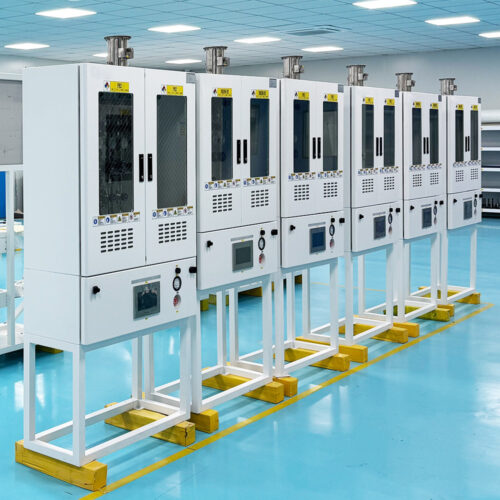
High Purity VMB Valve Manifold Box for Semiconductor Gas Distribution and Specialty Chemical Delivery Systems
-
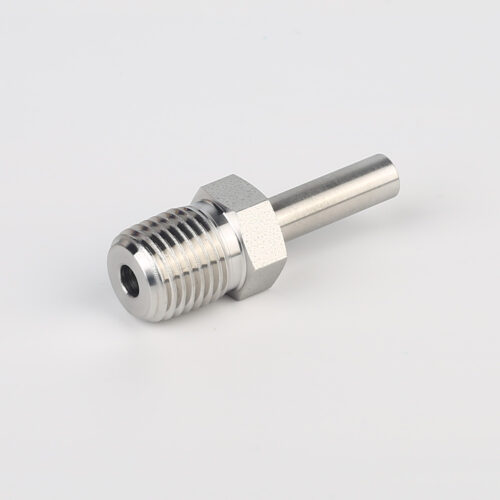
739 High Purity LMR Male Adapter Tube To Pipe Fittings And Adapters
-
JF Series In-Line Gas Filters | High Purity High Precision High Flow Semiconductor Gas Filter Gas Filtration & Purification
-
UHP Liquid Chemical Delivery Systems with Nitrogen Blanketing and Secondary Containment for Hazardous Industrial Chemical Processing
-
High Purity High Pressure Gas Cylinder Pressure Regulators Pressure Reducing Valve JSR-1E Series
-
Custom VMB Valve Manifold Boxes for Enhanced Tool Isolation and Maximum Uptime in Complex Chemical Distribution Networks
-
Custom Bulk Chemical Delivery System and Automatic Chemical Dispense Unit (CDU) for Solar Cell and EV Battery Production
-
VMB Valve Manifold Panels And Boxes High Purity Configurable Systems JW-200-VMB & JW-100-VMB