
Regulator Manufacturer Tel: +86 13380377051
Regulator Manufacturer Tel: +86 13380377051
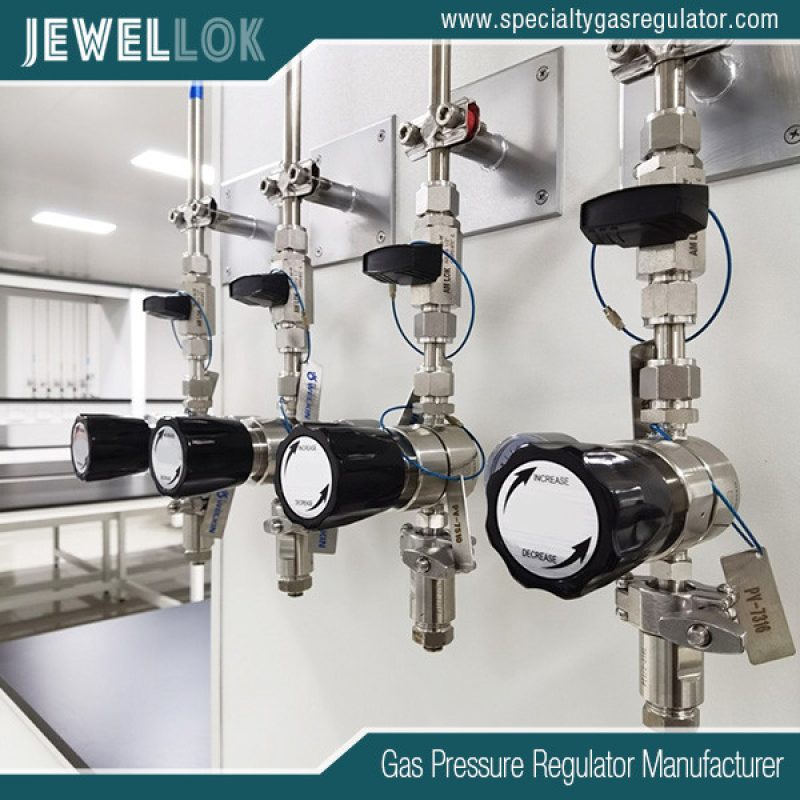
Ultra High Purity HF Gas Regulators: Engineering for Maximum Safety and Purity
The handling of anhydrous hydrogen fluoride (HF) gas presents one of the most formidable challenges in semiconductor fabrication, chemical synthesis, and specialty glass manufacturing. As a highly toxic, corrosive, and reactive compound, HF demands not just caution but a paradigm of engineering excellence in fluid handling components. At the heart of any safe and effective HF delivery system lies the pressure regulator, a device that must perform the dual, and often conflicting, mandates of precise pressure control and absolute preservation of gas purity, all while containing a relentless chemical threat. This article delves into the specialized engineering, material science, and design philosophies behind Ultra High Purity (UHP) HF gas regulators, outlining the critical features that ensure maximum safety for personnel and processes, and guarantee the uncompromised purity essential for cutting-edge technologies.
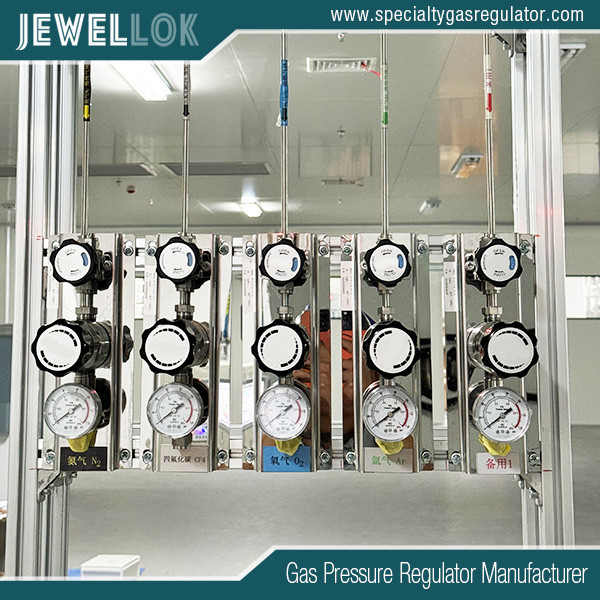
The Unforgiving Nature of Anhydrous HF
Anhydrous hydrogen fluoride is indispensable in modern industry. In semiconductor manufacturing, it is a primary etchant for silicon dioxide and a cleaning agent for wafer surfaces. Its reactivity is precisely what makes it valuable, but this same property renders it exceptionally hazardous. HF penetrates tissue rapidly, causing deep, painful burns and systemic fluoride poisoning that can be fatal. Furthermore, it attacks most metals and many elastomers, forming gaseous byproducts that can contaminate process streams and degrade equipment.
A gas regulator in this service is not merely a pressure-reducing valve; it is the first and most critical line of defense. Its failure modes—internal corrosion leading to leaks, particulate generation, or the introduction of metallic impurities—can have catastrophic consequences. Therefore, UHP HF regulators are engineered from first principles to address three non-negotiable objectives: Containment, Purity, and Reliability.
Material Science: The Foundation of Compatibility
The selection of materials is the cornerstone of any HF-compatible component. The goal is to achieve perfect passivation—the formation of a stable, impervious fluoride layer that halts further corrosion.
- Metallurgy: The Reign of Nickel Alloys
- Monel® (Ni-Cu): A traditional and proven choice. Its nickel content provides excellent corrosion resistance, as nickel forms a stable NiF₂ layer. Monel is widely used for bodies, diaphragms, and internal components. Its durability is well-established for many HF applications.
- Inconel® / Hastelloy® C-276 (Ni-Cr-Mo): For the most stringent UHP applications, these nickel-based superalloys are preferred. The addition of chromium and molybdenum enhances resistance to both oxidizing and reducing environments, offering superior performance over a wider range of conditions and impurities. They are often specified for the most critical wetted parts, such as the seat and diaphragm.
- Electroless Nickel (EN) Plating: Sometimes employed on steel regulator bodies to provide a cost-effective barrier. The plating must be thick, pore-free, and perfectly applied. Any flaw becomes a site for galvanic corrosion and rapid failure. Its use is more common in lower-consequence applications.
- Elastomers: The Critical Sealing Challenge
- Perfluoroelastomers (FFKM, e.g., Kalrez®, Chemraz®): These are the gold standard. With a fully fluorinated polymer structure, they offer near-universal chemical resistance, extremely low outgassing, and minimal permeation to HF. Their thermal stability maintains sealing integrity across a wide temperature range.
- Polytetrafluoroethylene (PTFE): Used for stem tips, valve seats, and gaskets. PTFE is virtually inert to HF and offers excellent purity. However, it is prone to cold flow (creep), so designs must compensate to maintain a seal over time.
- Conventional fluoropolymers like Viton® (FKM) are generally unsuitable for anhydrous HF, as they can degrade, swell, or embrittle.
Ultra-High Purity Design Architecture
Beyond materials, the physical design of the regulator must eliminate all potential sources of contamination and trap points.
- Diaphragm-Sensing vs. Piston-Sensing: UHP regulators exclusively use diaphragm-sensing designs. A piston design has tighter tolerances that can rub and generate metallic particulates. A well-designed diaphragm isolates the sensing element (the diaphragm) from the flow path and sliding parts.
- Welded Diaphragm Assemblies: The most advanced regulators feature a welded metal diaphragm assembly. Here, a Monel or Hastelloy diaphragm is hermetically welded to the regulator body, eliminating any elastomeric secondary seal on the process side. This represents the ultimate in purity and leak integrity, with zero risk of permeation or seal degradation.
- Passivated, Electropolished Flow Paths: All internal wetted surfaces undergo rigorous passivation treatments (e.g., pickling in acid solutions) to enhance the natural fluoride layer. Following this, electropolishing removes micro-surface imperfections, smoothing the surface to a mirror-like finish (often specified at Ra < 10 µin). This minimizes surface area, prevents particulate adhesion, and ensures laminar gas flow.
- Dead-Leg-Free Design: The internal volume is designed to be as small and streamlined as possible. Deep recesses, threads in the wetted path, and unnecessary cavities are eliminated to prevent gas entrapment and facilitate complete purging.
- High-Efficiency Purge Ports: Strategically placed dual purge ports (typically 1/4″ or larger VCJ®/VCO® fittings) allow for effective counter-flow or cross-purge of the regulator cavity. This is critical for removing any trace contaminants or moisture during system commissioning and maintenance.
Integrated Safety Features
Safety is engineered into every aspect, from primary containment to emergency response.
- Contained Ventilation (CV) / Bonnet Vent Port: This is a mandatory safety feature. The regulator’s spring chamber (bonnet) is sealed from the atmosphere but fitted with a vent port. This port is plumbed via tubing to an exhaust scrubber or ventilation system. In the event of a primary diaphragm failure, HF gas is safely routed away from personnel, providing critical secondary containment.
- High-Flow Relief Valves: An integrated, corrosion-resistant relief valve protects downstream equipment from over-pressurization due to regulator failure or thermal expansion. It must be sized for the maximum potential gas flow.
- Robust Construction & Shielding: Regulator bodies are designed with substantial metal sections for mechanical strength. External protective caps or shields may be provided for vulnerable components like the pressure adjustment knob.
- Clear, Durable Marking: Regulators are permanently marked with material certifications, serial numbers, and HF service warnings to prevent accidental misuse.
Selection Criteria and System Integration
Selecting the correct UHP HF regulator requires a systematic approach:
- Material Certification: Demand full traceability and Mill Test Reports (MTRs) for all wetted materials, verifying alloy composition.
- Surface Finish Specification: Ensure electropolishing and passivation procedures are documented and meet industry standards (e.g., SEMI F19).
- Leak Integrity: Specify exceptionally low leak rates, both external (e.g., < 1 x 10⁻⁹ atm cc/sec He) and across the diaphragm (internal leak).
- Flow Capacity (Cv): Size the regulator appropriately for the required flow rates. Oversizing can lead to poor pressure control at low flows; undersizing creates a system bottleneck.
- Connection Type: Ultra-high purity face-seal fittings (VCJ®, VCO®, CPC) are standard. They provide a metal-to-metal seal with a captured gasket, superior to threaded connections which can generate particulates.
- System Compatibility: Ensure the regulator is compatible with the cabinet design, purge panel, and gas detection systems. The CV vent port connection must be properly integrated.
Operational Best Practices
Even the best equipment can fail if mishandled. Key practices include:
- Proper Installation & Torquing: Follow manufacturer torque specifications precisely for all connections to avoid damaging seals or fittings.
- Leak Testing: Perform a full helium mass spectrometer leak test on the installed system before introducing HF.
- Controlled Purging: Use a dedicated, validated purge procedure with dry, inert gas (e.g., nitrogen) to remove air and moisture from the new or serviced system.
- Slow, Controlled Pressurization: Avoid pressure shocks (“water hammer”) which can damage the diaphragm or seat.
- Comprehensive Training: Personnel must be trained not only on system operation but also on HF hazard properties, emergency response, and the use of personal protective equipment (PPE) and calcium gluconate gel.

Conclusion
Ultra High Purity HF gas regulators represent the pinnacle of specialized fluid handling technology. They are not commodity items but rather precision-engineered safety devices born from an understanding of severe chemical hazards and the exquisite sensitivity of advanced manufacturing processes. The investment in a regulator constructed from certified nickel alloys, featuring a welded metal diaphragm, electropolished surfaces, and integrated secondary containment, is ultimately an investment in three paramount objectives: the safety of personnel, the protection of capital equipment, and the preservation of process purity.
As industries continue to push the boundaries of miniaturization and material science, the demands on supporting technologies like HF handling will only intensify. The ongoing evolution in regulator design—toward even more inert materials, smarter monitoring capabilities, and fail-safe architectures—will continue to play a silent yet absolutely vital role in enabling the technologies of tomorrow, safely and reliably. The meticulous engineering embodied in a UHP HF regulator stands as a testament to the principle that in high-hazard, high-purity environments, there is no substitute for excellence in design and execution.
For more about ultra high purity HF gas regulators: engineering for maximum safety and purity, you can pay a visit to Jewellok at https://www.specialtygasregulator.com/product-category/ultra-high-purity-gas-regulators/single-stage-pressure-regulators/ for more info.
-
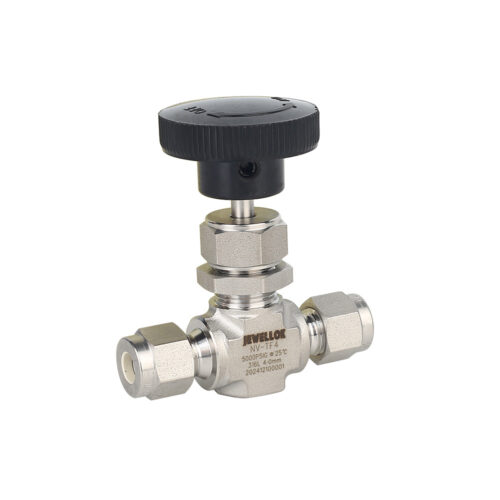
High Purity High Pressure Stainless Steel Needle Valve Natural Gas Flow Control Valve JNV Series
-
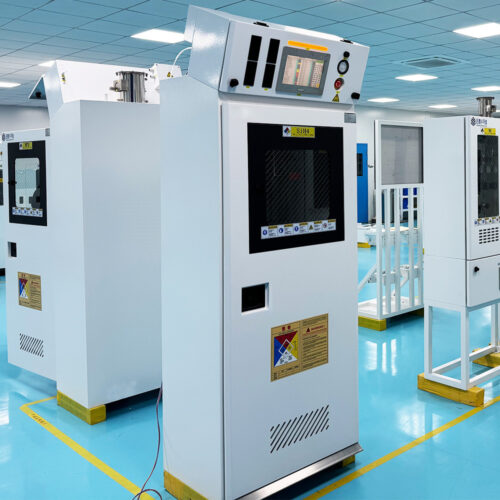
Fully Automated Gas Cabinet For Precise UHP Gas Delivery And High Purity Gas Delivery Systems JW-300-GC
-
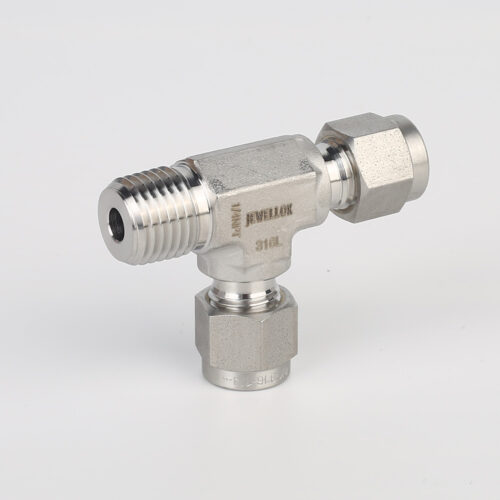
771L Male Run Tee | Stainless Steel High Quality High Purity Male Run Tee Branch Tee Pipe Fittings
-
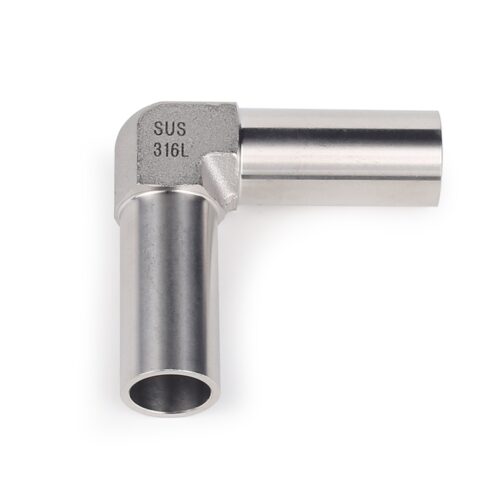
High Purity Stainless Steel Mini Tube Butt Weld Fittings For Semiconductor
-
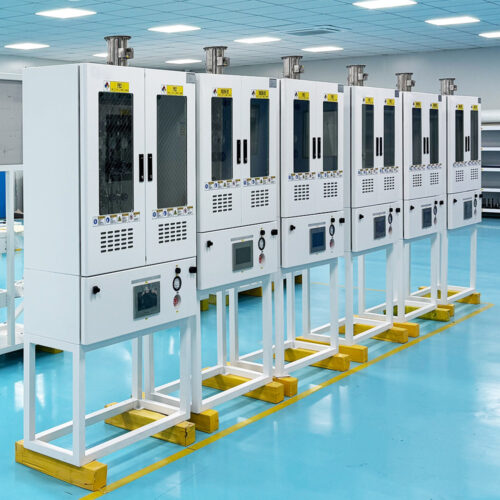
Corrosion Resistant 316L Stainless Steel Exhaust Gas Scrubber System for Harsh Chemical Process Environments
-
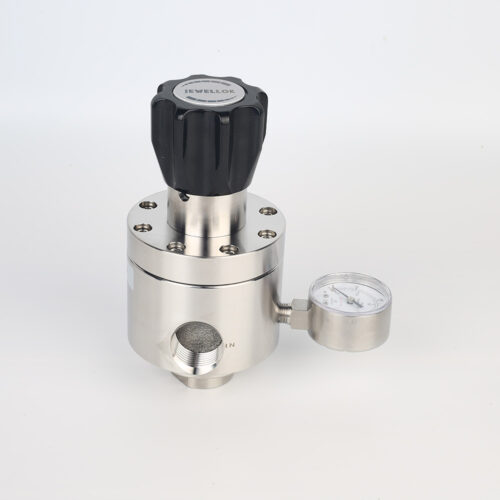
Low Pressure High Flow Line Pressure Regulators And Control Valves JSR-4L Series For Laboratory Pressure Control
-
Custom Wet and Dry Exhaust Gas Scrubber System Technology for Effective Acid Gas Neutralization
-
Automated Valve Manifold Box with Leak Detection for Toxic and Flammable Semiconductor Process Gases