
Regulator Manufacturer Tel: +86 13380377051
Regulator Manufacturer Tel: +86 13380377051
How Do You Prevent Moisture and Particle Contamination in Laboratory Gas Pipelines?
Introduction
Laboratory gas pipelines play a critical role in delivering high-purity gases to analytical instruments, research equipment, semiconductor manufacturing processes, and other precision applications. Gases such as nitrogen, argon, helium, hydrogen, oxygen, and specialty gases must often be supplied at carefully controlled purity levels to ensure reliable process performance.
However, even when high-purity gas cylinders or bulk gas sources are used, contamination can still occur during transportation through the pipeline system. Moisture and particles are two of the most common contaminants that affect laboratory gas distribution systems. They can enter through unsuitable piping materials, poor installation practices, inadequate cleaning, leaking connections, contaminated components, or improper maintenance.
Moisture can cause corrosion, chemical reactions, unstable analytical results, and damage to sensitive equipment. Particles can block small passages, damage regulators and valves, interfere with instrument operation, and reduce the reliability of gas delivery.
Preventing these problems requires a comprehensive approach that covers pipeline design, material selection, installation, cleaning, purging, filtration, monitoring, and routine maintenance.
This article explains how to prevent moisture and particle contamination in laboratory gas pipelines system and how to maintain stable gas purity throughout the distribution system.
1. Understand the Main Sources of Moisture and Particle Contamination
Before implementing contamination-control measures, engineers must identify where contaminants may enter the gas pipeline.
Sources of Moisture Contamination
Moisture can enter a laboratory gas pipeline system from several sources:
- Gas cylinders or bulk gas supplies containing excessive moisture.
- Residual water left inside pipelines after cleaning.
- Atmospheric humidity entering through open pipe ends during installation.
- Leakage at fittings, valves, and mechanical connections.
- Inadequate purging after maintenance or component replacement.
- Moisture trapped in regulators, filters, and other equipment.
- Improper storage of tubing and pipeline components.
Even a small amount of water can become a problem in systems delivering gases to moisture-sensitive instruments or semiconductor processes.
For example, moisture in a specialty gas line may react with certain process chemicals or cause unwanted corrosion inside downstream components.
Sources of Particle Contamination
Particles can originate from both the gas supply and the pipeline infrastructure.
Common sources include:
- Metal particles generated during cutting, drilling, or machining.
- Welding debris and oxide scale.
- Dust entering through unprotected pipe openings.
- Corrosion products from unsuitable piping materials.
- Seal fragments and damaged polymer components.
- Particles released from poorly cleaned valves and regulators.
- Contaminated filters or improperly installed fittings.
Particles are particularly problematic in systems with small internal passages, precision control valves, and sensitive analytical instruments.
Identifying these contamination sources helps engineers develop an effective prevention strategy rather than relying only on downstream filtration.
2. Select High-Purity Pipeline Materials
Material selection is one of the most important factors in preventing contamination.
Laboratory gas pipelines should be constructed from materials that provide suitable chemical compatibility, corrosion resistance, mechanical strength, and internal surface quality.
Use High-Quality 316L Stainless Steel Tubing
316L stainless steel is widely used in high-purity gas distribution systems because of its corrosion resistance and suitability for precision surface finishing.
For demanding ultra-high-purity applications, manufacturers may supply specially processed 316L tubing with controlled surface roughness and cleanliness.
Important selection criteria include:
- Material composition and traceability.
- Internal surface finish.
- Corrosion resistance under actual operating conditions.
- Dimensional accuracy.
- Cleanliness and packaging.
- Compatibility with the gas and operating pressure.
Electropolished 316L tubing is commonly considered for critical gas distribution applications. Electropolishing can improve surface smoothness and reduce microscopic irregularities that may retain contaminants.
However, electropolishing alone does not guarantee pipeline cleanliness. Proper cleaning, drying, handling, and installation are still necessary.
Avoid Unsuitable Materials
Ordinary carbon steel, improperly treated stainless steel, and unsuitable plastic tubing may introduce corrosion products, particles, or chemical contamination.
The choice of tubing material should be based on the specific gas chemistry, pressure, temperature, and required purity level.
For corrosive or reactive specialty gases, engineers should consult material compatibility data and the gas supplier’s recommendations before selecting pipeline materials.
3. Use Proper Pipeline Cleaning Procedures
Even high-quality tubing can contain contamination from manufacturing and transportation.
Machining oils, polishing compounds, metal particles, dust, and moisture may remain inside the pipeline if components are not properly cleaned before installation.
A controlled cleaning procedure is therefore essential.
Degreasing and Precision Cleaning
Depending on the material and application, cleaning may involve:
- Removing visible dirt and manufacturing residues.
- Degreasing with an approved cleaning agent.
- Rinsing with suitable high-purity water or another specified cleaning medium.
- Removing remaining particles and residues.
- Drying with clean, filtered gas or an approved drying process.
- Inspecting the internal surface and documenting the cleaning result.
The cleaning chemistry must be compatible with the pipeline material and the intended gas service.
For example, cleaning procedures for oxygen service require strict control of hydrocarbon residues. Procedures for specialty gases may need additional restrictions to avoid chemical residues that could react with the process gas.
Maintain Clean Handling Conditions
After cleaning, tubing should not be left exposed to ordinary workshop air for extended periods.
Use clean gloves, protected work surfaces, and suitable handling tools. Keep all pipe ends sealed with clean caps until the components are ready for assembly.
If cleaned components become contaminated during handling, they should be re-evaluated and cleaned again as necessary.
4. Apply Proper Welding and Installation Techniques
Poor installation is a major source of particle contamination in laboratory gas pipelines.
Cutting, grinding, welding, and mechanical assembly can introduce metal fragments, dust, and oxide scale into the system.
Use Orbital Welding for Critical UHP Pipelines
Orbital welding is commonly used for high-purity stainless steel gas tubing because it can provide consistent, repeatable weld quality when properly controlled.
Compared with manual welding, automated orbital welding can improve process consistency and reduce operator-dependent variation.
Important welding considerations include:
- Proper tube preparation and cutting.
- Clean, square tube ends.
- Correct alignment and fit-up.
- Suitable welding parameters.
- Appropriate shielding gas purity.
- Controlled internal purge conditions.
- Inspection of completed welds.
For critical UHP applications, internal oxidation must be controlled because weld discoloration and oxide scale can become sources of particles and contamination.
The welding procedure should be qualified for the selected tubing, dimensions, and operating conditions.
Prevent Contamination During Mechanical Assembly
For systems using high-purity compression fittings or metal gasket face-seal connections, installation procedures must be carefully followed.
Use components designed for the required gas purity level. Inspect connection surfaces before assembly and avoid touching cleaned internal sealing areas.
Do not reuse damaged gaskets or fittings beyond the manufacturer’s specified service conditions.
Incorrect assembly can create leakage paths, particle traps, or areas where moisture accumulates.
5. Perform Effective Pipeline Purging and Drying
Purging is one of the most important procedures for removing residual moisture and contaminants from laboratory gas pipelines.
Even after cleaning and installation, small amounts of moisture and air may remain inside the pipeline.
An appropriate purge process helps displace these contaminants before the system is placed into service.
Select a Suitable Purge Gas
Common purge gases include high-purity nitrogen and argon, depending on the system design and process requirements.
The purge gas must be compatible with the pipeline materials, downstream equipment, and intended service.
It should also have sufficiently low moisture and particle levels. Using contaminated purge gas can introduce the very contaminants that the procedure is intended to remove.
Establish an Appropriate Purging Procedure
A typical commissioning procedure may include:
- Confirming that the pipeline has been assembled and inspected.
- Isolating sensitive downstream instruments where required.
- Connecting a qualified high-purity purge gas source.
- Purging the pipeline according to an approved flow and pressure procedure.
- Monitoring moisture or other relevant contamination indicators.
- Repeating the purge cycle if the acceptance criteria have not been achieved.
- Confirming stable results before introducing the process gas.
The required purge duration depends on pipeline volume, geometry, flow rate, pressure, dead legs, and the initial contamination level.
Simply purging for a fixed number of minutes does not prove that a pipeline is dry. Where moisture specifications are critical, use a suitable analyzer to verify the actual condition.
Use Vacuum-Assisted Drying When Appropriate
For some applications, vacuum evacuation followed by high-purity gas backfilling can help remove residual moisture and trapped gases.
This method may be useful during commissioning or after certain maintenance activities.
However, vacuum procedures must be compatible with the pipeline design, component pressure ratings, and equipment limitations. They should be performed according to an approved engineering procedure.
6. Install High-Purity Gas Filters
Filtration is an effective method for controlling particles in laboratory gas pipelines.
High-purity gas filters are designed to remove particles from the gas stream before they reach sensitive equipment.
Select the Correct Filter Rating
Filter selection should be based on the required particle-control level, gas flow rate, operating pressure, and pressure-drop limitations.
Different applications may require different filtration ratings. Semiconductor and advanced analytical applications may require submicron filtration, while less demanding laboratory services may use other specifications.
Engineers should verify:
- Particle retention rating.
- Filter efficiency and test method.
- Gas compatibility of the filter media.
- Maximum operating pressure.
- Temperature limits.
- Flow capacity.
- Pressure drop.
- Filter housing cleanliness.
A nominal micron rating should not be treated as proof of absolute particle removal. The manufacturer’s stated efficiency and test conditions should be reviewed.
Choose Suitable Filter Materials
High-purity gas filters may use sintered metal, specialized stainless steel, or other gas-compatible filtration media.
The selected material must not release particles, moisture, or chemical contaminants into the gas stream.
For demanding UHP applications, filters should be supplied with appropriate cleaning, testing, and packaging documentation.
Install Filters at Appropriate Locations
Filters may be installed at the gas source, gas panel, or point of use depending on system design.
A source filter can protect downstream distribution components, while a point-of-use filter provides additional protection for sensitive equipment.
However, filters should not be used as a substitute for proper pipeline cleaning. Installing a filter in a heavily contaminated system may cause rapid blockage and unstable pressure.
7. Use High-Purity Regulators and Valves
Regulators and valves are essential components in laboratory gas distribution systems, but they can also become sources of moisture and particle contamination.
Poorly manufactured or contaminated components may introduce unwanted residues into the gas stream.
Select UHP Pressure Regulators
High-purity pressure regulators should be selected according to gas compatibility, pressure range, flow requirements, internal cleanliness, and leakage performance.
Important features may include:
- High-quality 316L stainless steel wetted components.
- Controlled internal surface finish.
- Low internal dead volume.
- Suitable diaphragm or sealing materials.
- Documented cleaning procedures.
- Reliable pressure control.
- Application-appropriate leakage performance.
The regulator should be designed for the specific gas service rather than selected solely based on its nominal pressure rating.
Choose Appropriate UHP Valves
UHP diaphragm valves are widely used for isolation in high-purity gas systems because their design can reduce contamination risks associated with external moving components.
Bellows-sealed valves, UHP ball valves, and check valves may also be appropriate for specific functions.
Regardless of valve type, confirm that the wetted materials, internal surfaces, cleaning procedures, and sealing components are suitable for the intended gas.
Maintain Component Cleanliness
Keep protective caps installed until components are ready for assembly.
Do not expose cleaned regulators and valves to dirty air, moisture, or unapproved lubricants.
When replacing components, follow the system’s approved isolation, purging, and requalification procedures.
8. Prevent Moisture from Entering Through Leakage and Poor Connections
Air leakage is a potential source of moisture contamination.
When a pipeline operates below atmospheric pressure, leaks may draw humid ambient air into the system. Even in positive-pressure systems, leakage can compromise safety and gas containment.
Common leakage points include:
- Tube connections.
- Valve stems and body joints.
- Regulator connections.
- Damaged seals.
- Improperly installed fittings.
- Weld defects.
Use suitable leak-testing methods during commissioning and after maintenance.
Depending on the application, testing may involve pressure decay, approved tracer-gas methods, or other qualified procedures.
The test method must be compatible with the gas service and system design.
For toxic, flammable, corrosive, or reactive gases, use the approved safety procedure and never introduce an unsuitable test gas into the system.
9. Monitor Moisture and Particle Levels
A contamination-prevention program should include measurement and verification.
Visual inspection alone cannot confirm that a pipeline meets high-purity gas requirements.
Monitor Moisture Levels
Moisture analyzers can measure water vapor concentration in a gas stream.
Depending on the application, measurement may be expressed in parts per million (ppm), parts per billion (ppb), or dew point temperature.
A suitable analyzer should have an appropriate measurement range, accuracy, response time, and gas compatibility.
Install sampling points where representative measurements can be obtained without introducing additional contamination.
Moisture monitoring can help identify:
- Contaminated gas sources.
- Inadequate purging.
- Moisture introduced during maintenance.
- Leakage or air ingress.
- Degradation of drying equipment.
Monitor Particle Contamination
Particle monitoring methods depend on the gas system and required cleanliness level.
Specialized particle counters or qualified sampling systems may be used to evaluate particulate contamination.
Sampling lines and instruments must themselves be clean and suitable for the gas. Poor sampling practices can produce misleading results.
Establish acceptance criteria based on the laboratory process and equipment manufacturer’s requirements.
Record test results during commissioning and routine inspections to identify changes over time.
10. Establish a Preventive Maintenance Program
Even a properly designed and commissioned gas pipeline requires regular inspection.
Over time, filters can become blocked, seals can deteriorate, and components may be contaminated during maintenance.
A preventive maintenance program helps identify these problems before they affect laboratory operations.
Recommended maintenance activities include:
| Maintenance item | Recommended inspection |
|---|---|
| Pipeline connections | Check for leakage, mechanical damage, and loose fittings |
| Gas filters | Monitor pressure drop and replace according to specifications |
| Regulators | Verify outlet pressure stability and operating condition |
| Valves | Check shutoff performance and external leakage |
| Moisture analyzers | Verify calibration and measurement performance |
| Particle monitoring | Review contamination trends |
| Pipeline supports | Check for vibration, stress, and mechanical damage |
| Gas source | Verify gas certificates and supply quality |
| Protective caps | Ensure replacement components remain properly sealed |
Maintenance frequency should be determined by gas type, operating conditions, manufacturer recommendations, and process criticality.
After any maintenance that opens the gas boundary, perform the required cleaning, purging, leak testing, and gas-purity verification before returning the system to service.
11. Common Mistakes That Lead to Pipeline Contamination
Several practices can undermine an otherwise well-designed laboratory gas system.
Using ordinary compressed air for purging: Compressed air may contain moisture, oil, and particles. Use a qualified purge gas that meets the system requirements.
Leaving tubing ends uncovered: Open pipe ends can collect dust and atmospheric moisture during storage and installation.
Ignoring internal weld quality: Poorly controlled welding can produce oxide scale and particles inside the pipeline.
Installing standard industrial components: Components not designed for high-purity service may introduce contaminants through unsuitable materials, seals, or internal surface conditions.
Replacing filters without cleaning the system: A new filter cannot compensate for contamination already present throughout the pipeline.
Failing to verify moisture levels: A pipeline may appear clean while still containing residual water vapor.
Using unsuitable cleaning chemicals: Cleaning agents can leave residues or damage pipeline materials if they are not compatible with the system.
Avoiding these mistakes requires documented procedures, trained personnel, and measurable acceptance criteria.
Conclusion
Preventing moisture and particle contamination in laboratory gas pipelines requires a complete contamination-control strategy covering every stage of the system’s lifecycle.
Engineers should begin by selecting suitable high-purity materials, such as properly specified 316L stainless steel tubing, and ensuring that all components undergo appropriate cleaning and controlled packaging. Qualified orbital welding, clean mechanical assembly, and effective purging procedures help prevent contamination during installation.
High-purity filters, regulators, and valves provide additional protection, while moisture analyzers and particle-monitoring methods help verify system performance. Regular inspection, leak testing, and preventive maintenance are equally important for maintaining gas purity over time.
Most importantly, contamination prevention should not depend on a single filter or cleaning procedure. It requires coordinated control of gas sources, pipeline materials, installation practices, component quality, and operating conditions.
By implementing these measures, laboratory operators and gas system engineers can reduce contamination risks, protect sensitive instruments, improve analytical reliability, and maintain stable gas delivery for demanding laboratory and semiconductor applications.
For more about how do you prevent moisture and particle contamination in laboratory gas pipelines, you can pay a visit to Jewellok at https://www.specialtygasregulator.com/product-category/specialty-gas-cabinet/ for more info.
-
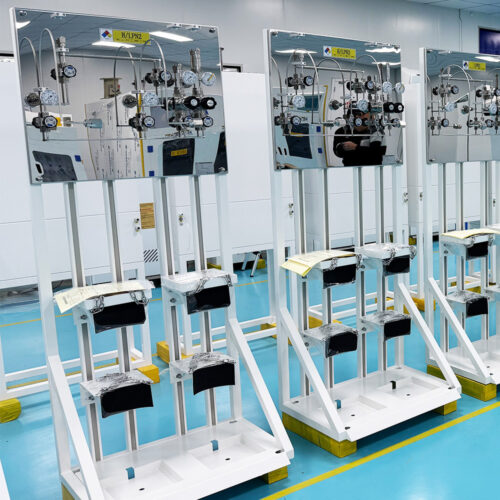
Fully Automated Gas Cabinet for Safe Ultra High Purity Specialty Gas Delivery in Semiconductor Manufacturing
-
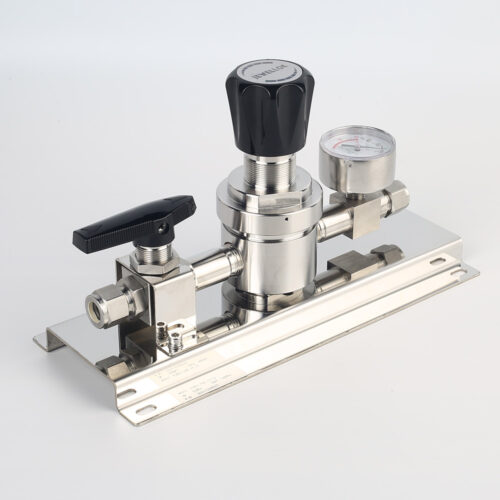
High Purity And Industria Gas Stick Assemblies Precise Pressure Control Gas Systems JSR-1ETG-BV Series
-
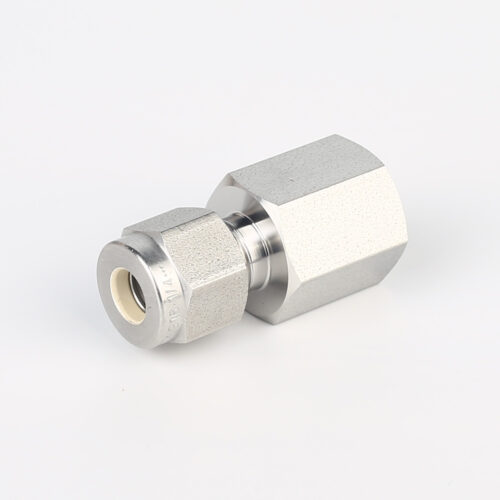
766L High Purity Female Connector UHP Fitting Female Connector
-
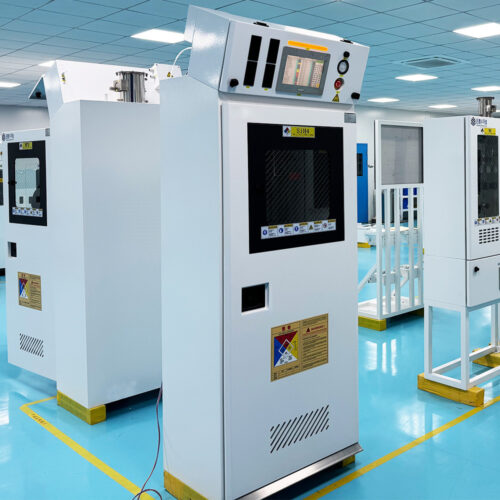
High Purity Bulk Gas Delivery Systems for Semiconductor Manufacturing and Advanced Chemical Distribution Infrastructure
-
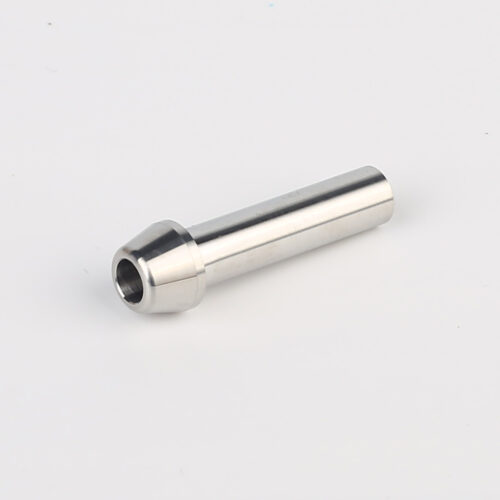
767LP Port Connector Ultra High Purity VCJ Metal Gasket Face Seal Tube Fittings
-
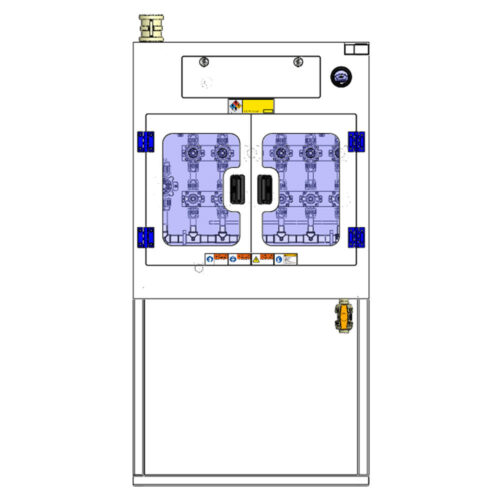
High Purity Configurable Systems VMB Valve Manifold Box JW-200-VMB-C & JW-100-VMB-C
-
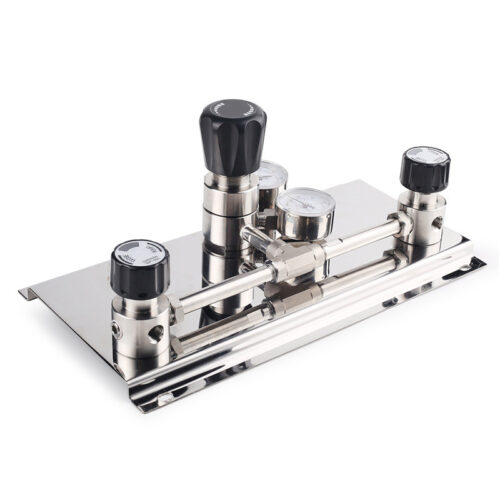
High Purity Semi-Auto Stainless Steel Changeover Manifold System, Nitrogen High Pressure Control Panel With Semiconductor Valve Manifold Box Diaphragm Valves
-
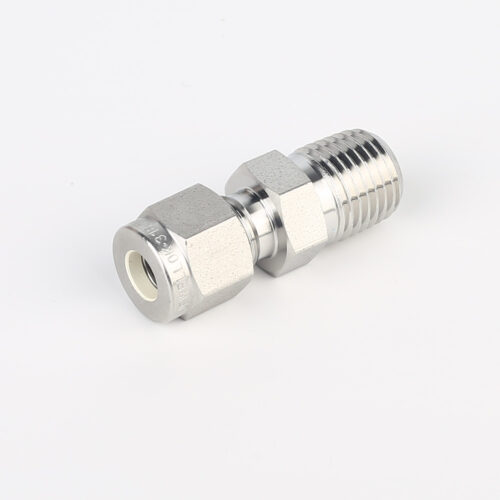
768L Stainless Steel Male Tube Butt Weld Connector | Clean Weld Fittings And Ultra-High Purity Fittings