
Regulator Manufacturer Tel: +86 13380377051
Regulator Manufacturer Tel: +86 13380377051
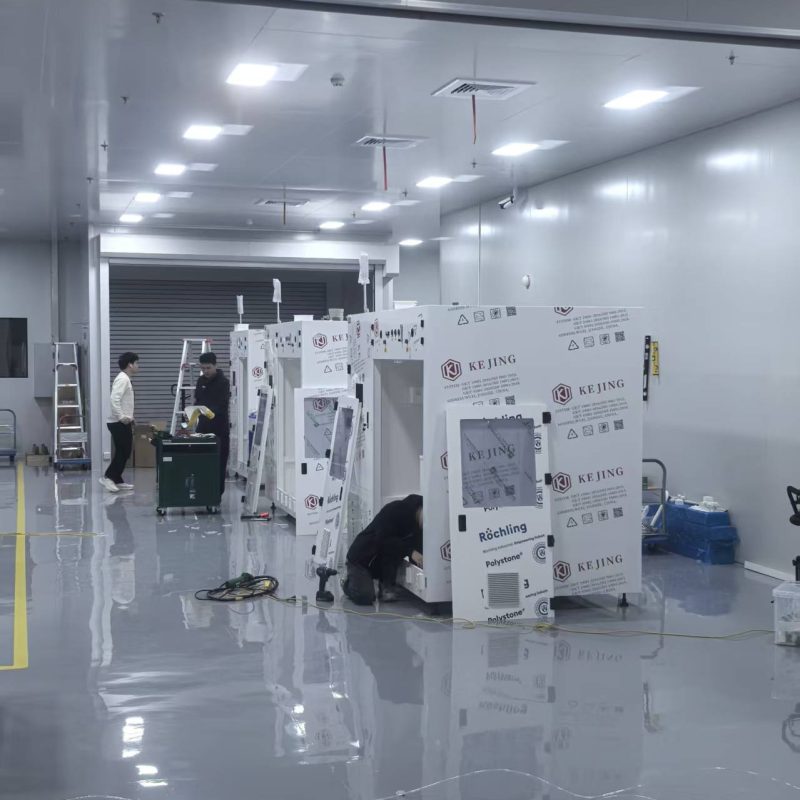
What Is the Difference Between Dry and Wet Silane Gas Abatement Systems?
Introduction
Silane (SiH₄) is widely used in semiconductor manufacturing, photovoltaic production, thin-film deposition, chemical vapor deposition (CVD), and other advanced industrial processes. It plays an important role in depositing silicon-containing films, producing solar cells, and manufacturing electronic components.
However, silane is also a highly reactive and pyrophoric gas. It can ignite spontaneously when exposed to air under certain conditions, creating serious fire and explosion hazards. Unreacted silane discharged from semiconductor process equipment must therefore be properly treated before entering the facility exhaust system.
Silane gas abatement systems are designed to remove or convert hazardous process gases into safer products before discharge. Two commonly used technologies are dry and wet silane gas abatement systems.
Although both technologies aim to reduce silane emissions and improve exhaust safety, they operate using different treatment mechanisms. Dry systems generally rely on solid reaction media, filtration, or controlled oxidation technologies, while wet systems use liquid-based treatment processes to capture and neutralize suitable reaction products.
Choosing the right technology requires evaluating silane concentration, exhaust flow rate, process chemistry, byproduct characteristics, safety requirements, maintenance costs, and environmental regulations.
This article explains how dry and wet silane gas abatement systems work, their technical differences, advantages, limitations, and the key factors semiconductor manufacturers should consider when selecting an appropriate exhaust gas treatment solution.
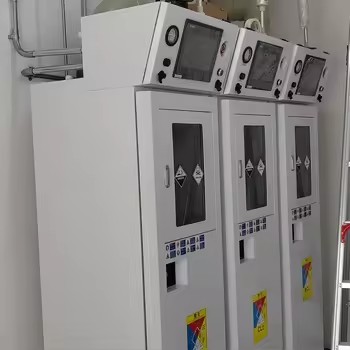
1. Why Is Silane Gas Abatement Necessary?
Silane is a colorless, highly flammable gas with the chemical formula SiH₄. It is commonly used as a silicon precursor in semiconductor and photovoltaic manufacturing.
Typical applications include:
- Chemical vapor deposition (CVD).
- Plasma-enhanced chemical vapor deposition (PECVD).
- Amorphous silicon thin-film production.
- Photovoltaic solar cell manufacturing.
- Semiconductor device fabrication.
- Silicon-based coating processes.
During these processes, only part of the supplied silane may be consumed inside the reaction chamber. The remaining unreacted gas can enter the exhaust pipeline together with hydrogen, nitrogen, carrier gases, and other process byproducts.
Uncontrolled silane discharge creates several hazards.
Fire and explosion risks: Silane can ignite spontaneously in contact with air, potentially causing fires inside exhaust ducts and treatment equipment.
Particle generation: Silane oxidation and decomposition can generate silicon-containing particles, which may accumulate inside pipelines and equipment.
Equipment contamination: Silicon deposits can obstruct exhaust passages, damage valves, and increase maintenance requirements.
Environmental and operational risks: Uncontrolled emissions may create compliance problems and affect facility safety.
A properly engineered silane abatement system helps convert or remove hazardous silane before the exhaust stream reaches downstream treatment equipment.
It should be noted that silane treatment is not simply a conventional acid gas neutralization process. Because of its pyrophoric properties and potential for particle formation, the abatement system must be specifically designed for silane service.
2. What Is a Dry Silane Gas Abatement System?
A dry silane gas abatement system uses solid-phase treatment technology or controlled oxidation processes to convert hazardous silane into more stable products.
Depending on the design, dry abatement technologies may include heated reaction chambers, catalytic or non-catalytic oxidation, and replaceable solid treatment media.
The exact process configuration varies according to the silane concentration, exhaust flow rate, process gas composition, and equipment manufacturer’s design.
2.1 Working Principle of Dry Silane Abatement
In a typical thermal oxidation-based dry system, process exhaust enters a controlled reaction chamber where silane is exposed to carefully managed oxidation conditions.
The general oxidation reaction is:
SiH₄ + 2O₂ → SiO₂ + 2H₂O
This reaction converts silane into silicon dioxide and water.
The silicon dioxide may form fine particles or solid deposits that must be captured by an appropriate downstream filtration system.
Some dry systems use specially designed solid media to promote chemical reaction or capture specific contaminants. Such systems have different operating principles and should not be treated as identical to thermal oxidation units.
A typical dry abatement configuration may include:
- Exhaust gas inlet and isolation components.
- Controlled reaction or treatment chamber.
- Heating or reaction-control system, where required.
- Solid-particle collection equipment.
- Temperature and pressure monitoring instruments.
- Exhaust outlet and safety interlocks.
The system must be engineered to prevent uncontrolled silane-air mixing, ignition propagation, and hazardous accumulation of silicon-containing deposits.
2.2 Advantages of Dry Silane Abatement Systems
No continuous scrubbing-water consumption
Many dry systems do not require a continuously circulating scrubbing liquid. This can reduce water consumption and eliminate the need for a large liquid treatment infrastructure.
Compact equipment configuration
Depending on treatment capacity and technology, dry abatement units can have a relatively compact footprint, making them suitable for semiconductor facilities with limited installation space.
Reduced wastewater generation
Because the process does not rely on continuous liquid scrubbing, wastewater generation may be lower than in comparable wet systems.
Suitable for controlled oxidation applications
Thermal oxidation systems can achieve high silane conversion when properly designed and operated within their specified process conditions.
Simplified liquid chemical management
Dry systems generally avoid the need for continuous alkaline solution dosing, pH control, and liquid blowdown management.
2.3 Limitations of Dry Silane Abatement Systems
Despite their advantages, dry systems also have several technical limitations.
High-temperature operating requirements
Thermal oxidation systems require energy to maintain the reaction chamber at the specified operating temperature.
Particle accumulation
The oxidation of silane produces solid silicon dioxide. Particle accumulation can increase pressure drop, obstruct internal passages, and require regular cleaning or filter replacement.
Maintenance requirements
Reaction chambers, filters, and solid treatment media may require scheduled maintenance depending on process loading.
Potentially higher energy consumption
Systems that rely on continuous heating may consume significant electrical energy, particularly under high-flow operating conditions.
Sensitivity to process conditions
Changes in silane concentration, carrier gas composition, moisture content, and exhaust flow may affect treatment performance.
Therefore, proper process characterization is essential before selecting a dry abatement technology.
3. What Is a Wet Silane Gas Abatement System?
A wet silane gas abatement system uses a liquid-based treatment process to capture suitable contaminants or remove reaction products from an exhaust stream.
However, there is an important engineering distinction: a conventional wet scrubber should not automatically be considered suitable for direct treatment of untreated, pyrophoric silane.
In many industrial configurations, silane is first subjected to a controlled reaction, oxidation, or other validated conversion process. A downstream wet scrubber then removes soluble or reactive byproducts from the treated gas.
Some specialized systems use proprietary wet chemical reaction technologies, but their suitability must be established through process-specific engineering validation and safety testing.
3.1 Working Principle of Wet Abatement
A typical wet treatment arrangement may consist of the following stages:
- Controlled upstream silane conversion or pretreatment.
- Gas cooling or conditioning, where required.
- Gas-liquid contact inside a scrubber tower.
- Chemical absorption or neutralization of suitable contaminants.
- Mist elimination to remove entrained liquid droplets.
- Treated gas discharge through the exhaust system.
In the wet scrubber section, exhaust gas comes into direct contact with a circulating liquid.
Depending on the target contaminants, the liquid may contain water, alkaline chemicals, or other specifically selected treatment solutions.
For example, if the treated exhaust contains acidic contaminants, an alkaline solution such as sodium hydroxide (NaOH) may be used for neutralization.
The actual chemistry must be determined according to the exhaust composition. Silicon dioxide is not removed by ordinary alkaline acid-gas neutralization in the same way as soluble acidic gases; it generally requires appropriate particulate collection or solids-management arrangements.
3.2 Advantages of Wet Silane Abatement Systems
Effective treatment of suitable soluble contaminants
Wet scrubbers can provide effective removal of soluble gases and certain reactive contaminants through gas-liquid mass transfer.
Heat absorption and gas cooling
The circulating liquid can absorb heat from compatible exhaust streams, helping control downstream gas temperature.
Suitable for multi-component exhaust treatment
When properly configured, wet treatment stages can handle multiple soluble contaminants in a combined exhaust stream.
Flexible chemical treatment
Different scrubbing solutions can be selected for different contaminants, subject to chemical compatibility and process validation.
Continuous operation
Industrial wet scrubbers can operate continuously with suitable circulation pumps, chemical dosing systems, filtration, and automatic controls.
3.3 Limitations of Wet Silane Abatement Systems
Water and wastewater management
Wet systems require makeup water, liquid circulation, and often blowdown treatment. Wastewater may contain dissolved salts, suspended solids, and process-derived contaminants.
Scaling and clogging
Silicon-containing particles and reaction byproducts may accumulate inside spray nozzles, packing materials, pipelines, and circulation tanks.
Chemical consumption
Alkaline solutions and other treatment chemicals may need continuous replenishment.
Corrosion considerations
The combination of acidic contaminants, alkaline solutions, temperature, and dissolved salts can create demanding corrosion conditions.
Complex liquid management
Operators must monitor pH, conductivity, suspended solids, circulation flow, and other relevant parameters.
For these reasons, wet abatement systems require carefully designed hydraulic distribution, filtration, blowdown, and maintenance arrangements.
4. Key Differences Between Dry and Wet Silane Gas Abatement Systems
The two technologies differ in treatment mechanisms, utility requirements, maintenance methods, and suitable applications.
| Comparison | Dry Silane Abatement | Wet Silane Abatement |
|---|---|---|
| Main treatment mechanism | Solid-phase treatment or controlled oxidation | Liquid-based absorption or treatment of suitable contaminants |
| Treatment medium | Solid media or controlled reaction environment | Water or chemical scrubbing solution |
| Silane treatment | Depends on the specific validated dry technology | Direct treatment requires specialized validated technology; conventional wet scrubbing is generally downstream of silane conversion |
| Water consumption | Usually low | Generally higher |
| Wastewater generation | Usually lower | Requires wastewater management |
| Energy consumption | May be high for thermal oxidation | Mainly pumps and associated equipment, although additional energy may be needed for cooling or pretreatment |
| Particle management | Filtration and solid residue removal | Filtration, sludge removal, and solids management |
| Chemical dosing | Depends on technology | Often required |
| Maintenance focus | Reaction chamber, solid media, filters | Pumps, nozzles, packing, liquid distribution, and tanks |
| Typical concerns | Temperature control and particle accumulation | Scaling, clogging, corrosion, and wastewater |
The most important distinction is that dry and wet technologies do not necessarily perform the same treatment function.
A dry thermal oxidation unit may directly convert silane under controlled conditions, whereas a conventional wet scrubber is often used to treat compatible downstream contaminants rather than serving as an independent solution for untreated silane.
5. How Do Dry and Wet Systems Differ in Safety Performance?
Safety is the most important consideration when selecting silane abatement equipment.
5.1 Silane Ignition Risk
Silane can ignite spontaneously when exposed to air. Therefore, uncontrolled mixing of silane and oxygen must be prevented.
Dry oxidation systems must carefully control reaction conditions, gas flow, temperature, and ignition-related hazards.
Wet systems must also address the risk of residual unreacted silane entering liquid-containing equipment.
A conventional water scrubber cannot be assumed to safely neutralize untreated silane.
The system should include suitable isolation, purge, gas detection, pressure protection, and automatic shutdown arrangements based on the process hazard analysis.
5.2 Particle and Powder Management
Silane oxidation can produce fine silicon dioxide particles.
If these particles accumulate inside exhaust ducts, filters, or treatment equipment, they may increase pressure drop and create maintenance hazards.
Dry systems generally rely on appropriate solid-particle collection and filter maintenance.
Wet systems may capture some particles in the circulating liquid, but this can lead to sludge formation, packing fouling, nozzle blockage, and increased wastewater treatment requirements.
5.3 Temperature and Pressure Monitoring
Both systems require appropriate instrumentation.
Important monitoring parameters may include:
- Inlet and outlet gas temperature.
- Chamber operating temperature.
- Exhaust gas pressure.
- Differential pressure across filters or packing.
- Gas flow rate.
- Scrubbing liquid flow rate.
- Circulating solution pH and conductivity, where applicable.
- Critical equipment operating status.
Safety interlocks should respond to abnormal conditions such as loss of exhaust flow, excessive temperature, high differential pressure, or failure of critical treatment components.
The exact interlock logic must be established through equipment engineering and site-specific hazard analysis.
6. Maintenance Differences Between Dry and Wet Systems
Maintenance requirements can significantly influence the total cost of ownership.
6.1 Dry System Maintenance
Maintenance activities commonly include:
- Inspecting the reaction chamber.
- Checking heating elements and temperature sensors.
- Monitoring filter differential pressure.
- Replacing or cleaning particle filters.
- Removing accumulated silicon-containing deposits.
- Inspecting gas inlet and outlet connections.
- Verifying alarms and safety interlocks.
Filter replacement intervals depend on particle loading, exhaust composition, and operating hours.
If the exhaust contains a high concentration of silane or generates substantial silicon dioxide, filter maintenance may become a major operating consideration.
6.2 Wet System Maintenance
Wet system maintenance generally focuses on:
- Checking circulation pump operation.
- Inspecting spray nozzles and distribution headers.
- Monitoring liquid flow and pressure.
- Maintaining the required chemical concentration.
- Cleaning packing materials.
- Removing accumulated sludge.
- Monitoring pH and conductivity.
- Inspecting tanks, pipelines, and mist eliminators.
Scaling and clogging are particularly important concerns when silicon-containing particles enter the wet treatment stage.
Proper filtration, blowdown control, and periodic cleaning help maintain stable scrubber performance.
7. How to Choose the Right Silane Gas Abatement System
Selecting between dry and wet technologies requires a comprehensive evaluation of the manufacturing process and exhaust characteristics.
7.1 Evaluate Silane Concentration and Exhaust Flow
The first step is to determine the actual silane concentration and total exhaust flow rate.
Consider:
- Maximum silane concentration.
- Average operating concentration.
- Exhaust flow rate.
- Carrier gas composition.
- Process operating cycles.
- Potential abnormal discharge conditions.
A system designed for low and stable silane loading may not be suitable for a process with high or fluctuating concentrations.
7.2 Analyze the Complete Exhaust Composition
Silane is often mixed with other gases, including hydrogen, nitrogen, ammonia, and additional process chemicals.
These components may influence reaction behavior, particle formation, and downstream treatment requirements.
Conduct a complete exhaust characterization before selecting the treatment technology.
7.3 Consider Utility Consumption
Compare the total energy, water, compressed air, and chemical requirements of each proposed configuration.
Dry thermal oxidation systems may require significant heating energy, while wet systems require circulation pumps, water, chemical dosing, and wastewater treatment.
The comparison should use actual operating conditions rather than equipment nameplate ratings alone.
7.4 Evaluate Maintenance and Operating Costs
The initial purchase price does not represent the total ownership cost.
A comprehensive evaluation should include:
- Equipment investment.
- Installation and exhaust ductwork.
- Electricity consumption.
- Water and chemical consumption.
- Filter or solid media replacement.
- Wastewater treatment.
- Maintenance labor.
- Spare parts availability.
- Equipment downtime.
For semiconductor factories operating continuously, maintenance accessibility and system availability are particularly important.
7.5 Verify Safety Standards and Supplier Experience
Choose a manufacturer with demonstrated experience in semiconductor silane abatement applications.
Ask for technical documentation covering:
- Design gas composition and flow range.
- Silane treatment efficiency.
- Validated operating conditions.
- Reaction and particle-management design.
- Pressure and temperature protection.
- Gas detection and safety interlocks.
- Maintenance procedures.
- Applicable certifications and compliance documentation.
Do not select equipment based solely on advertised removal efficiency. The supplier should demonstrate that the complete treatment configuration is suitable for the actual silane process and associated hazards.
8. Can Dry and Wet Silane Abatement Technologies Be Combined?
Yes. In many semiconductor exhaust treatment applications, combining dry and wet technologies can provide a more comprehensive treatment solution.
A typical arrangement may include:
Stage 1: Silane conversion
A dedicated dry or otherwise validated silane abatement unit converts hazardous silane under controlled conditions.
Stage 2: Particle removal
A suitable filtration or separation stage captures silicon-containing particles generated during the reaction.
Stage 3: Wet scrubbing
A downstream wet scrubber removes compatible soluble gases and other contaminants remaining in the exhaust stream.
Stage 4: Mist elimination and exhaust discharge
A mist eliminator removes entrained liquid droplets before the treated gas enters the facility exhaust system.
This combined configuration can provide multiple treatment functions within one exhaust management system.
However, the sequence and equipment selection must be based on the actual exhaust composition, reaction products, temperature, particle loading, and process hazard analysis.
Not every silane exhaust requires both technologies. In some applications, a properly engineered dry system may be sufficient, while other processes may require additional downstream treatment.
Conclusion
Dry and wet silane gas abatement systems play important roles in semiconductor manufacturing, photovoltaic production, and other industries that use silane-containing process gases.
The main difference lies in their treatment mechanisms. Dry systems generally rely on controlled oxidation or solid-phase treatment technologies, while wet systems use liquid-based processes to remove suitable contaminants and reaction products.
Dry thermal oxidation systems can directly convert silane under controlled conditions, but they require careful temperature management and effective collection of silicon dioxide particles. Wet scrubbers offer flexible gas-liquid treatment and cooling capabilities but require continuous liquid management, chemical control, and protection against scaling and clogging.
Most importantly, conventional wet scrubbers should not be assumed to safely treat untreated pyrophoric silane without a specifically validated process design.
For semiconductor manufacturers, the best solution depends on silane concentration, exhaust flow, gas composition, particle loading, safety requirements, utility availability, and long-term operating costs.
By evaluating these factors and working with an experienced silane abatement equipment manufacturer, facilities can select a reliable treatment configuration that improves exhaust safety, supports environmental compliance, reduces maintenance risks, and ensures stable long-term operation.
For more about what is the difference between dry and wet silane gas abatement systems, you can pay a visit to Jewellok at https://www.specialtygasregulator.com/product-category/specialty-gas-cabinet/ for more info.
-
High Purity High Pressure Gas Cylinder Pressure Regulators Pressure Reducing Valve JSR-1E Series
-
763L Stainless Steel High Purity Pressure Reducing Union Fittings And Tubing Pressure Reducing Valve Adjustment
-
High Purity High Flow Pressure Control Regulators & Valves Gas Stick Assemblies JSR-2TG Series
-
Advanced Bulk Specialty Gas Systems BSGS Gas Cabinet for Safe Handling of Toxic and Flammable Process Gases
-
Chemical Delivery Modules for Automated Blending and Precise Dilution in Modern Wafer Cleaning Applications
-
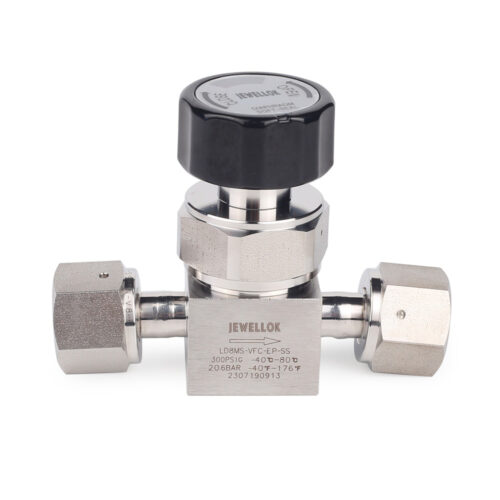
Flow Control Stainless Steel Low Pressure Manual Diaphragm Valve For High Purity And Ultra High Purity Gases
-
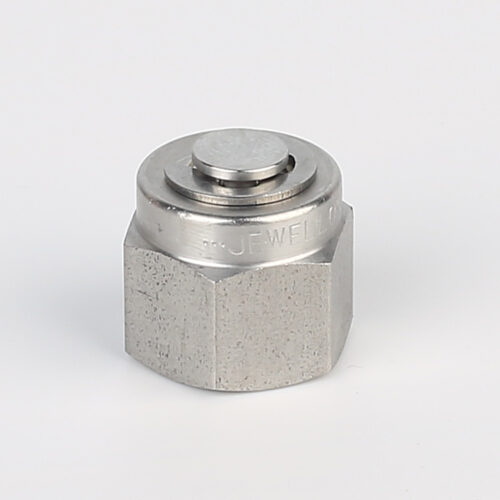
7121L Plug High Purity Plug Fitting And Blanking Plug
-
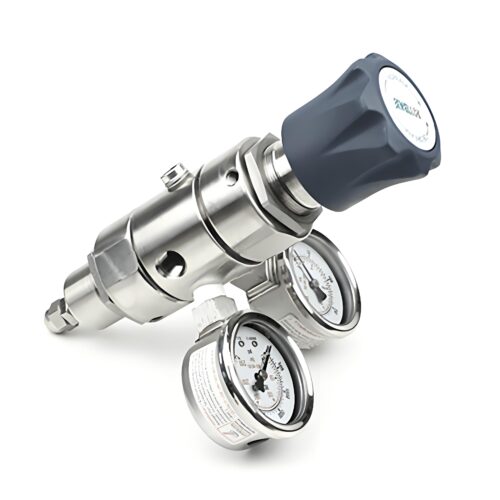
DPR1 Ultra High Purity Two Stage Dual Stage Pressure Reducing Regulator Semiconductor Grade Regulators