
Regulator Manufacturer Tel: +86 13380377051
Regulator Manufacturer Tel: +86 13380377051
Lab Exhaust Gas Treatment Scrubber System for Chemical Fume Hoods
Introduction
Laboratories in universities, research institutions, pharmaceutical companies, chemical manufacturing facilities, and semiconductor industries frequently handle hazardous chemicals that generate toxic, corrosive, irritating, or environmentally harmful exhaust gases. During chemical experiments, sample preparation, acid digestion, solvent processing, and other laboratory operations, these contaminants may be released into chemical fume hoods and ventilation systems.
Although chemical fume hoods are designed to capture hazardous vapors and protect laboratory personnel from direct exposure, capturing contaminated air does not necessarily eliminate the pollutants. Exhaust gases must be properly collected, treated, and discharged to prevent environmental pollution and potential health risks.
A laboratory exhaust gas treatment scrubber system for chemical fume hoods provides an effective solution for removing selected gaseous contaminants before the exhaust air is released into the atmosphere. Depending on the chemical composition of the exhaust stream, the treatment system may use wet scrubbing, chemical neutralization, adsorption, or a combination of treatment technologies.
For laboratories handling hydrochloric acid (HCl), sulfuric acid (H₂SO₄), hydrofluoric acid (HF), nitric acid (HNO₃), ammonia (NH₃), and other hazardous chemicals, selecting the appropriate scrubber system is essential for achieving reliable contaminant removal.
This article explains how laboratory exhaust gas scrubber systems work, their major components, suitable treatment technologies, design considerations, installation requirements, and maintenance strategies.
1. What Is a Laboratory Exhaust Gas Treatment Scrubber System?
A laboratory exhaust gas treatment scrubber system is an air pollution control device designed to remove chemical contaminants from exhaust air generated by laboratory equipment and chemical fume hoods.
During laboratory activities, volatile chemicals and reaction products may enter the exhaust ductwork through the fume hood ventilation system. These contaminants are transported to a centralized or dedicated exhaust treatment unit.
Inside the scrubber, contaminated gas comes into contact with a treatment medium, such as water, an alkaline solution, an acidic solution, or a specialized chemical absorbent.
Depending on the treatment process, pollutants are removed through physical absorption, chemical neutralization, or other mass-transfer mechanisms.
Common laboratory exhaust contaminants include:
- Hydrogen chloride (HCl).
- Sulfur dioxide (SO₂).
- Hydrogen fluoride (HF).
- Nitrogen oxides (NOx).
- Ammonia (NH₃).
- Chlorine (Cl₂).
- Acidic vapors and aerosols.
- Selected water-soluble organic compounds.
Not all contaminants can be effectively treated using a conventional wet scrubber. For example, many volatile organic compounds require activated carbon adsorption, oxidation, or other specialized treatment methods.
Therefore, the scrubber configuration must be selected according to the actual laboratory chemical inventory and exhaust composition.
2. How Does a Chemical Fume Hood Scrubber System Work?
A typical laboratory exhaust gas treatment system consists of several interconnected components that collect, transport, treat, and discharge contaminated air.
The basic treatment process can be divided into five stages.
2.1 Exhaust Gas Collection
Chemical fume hoods capture hazardous vapors generated during laboratory operations.
The contaminated air enters the hood through its working opening and is transported through exhaust ducts by an exhaust fan.
Depending on the laboratory design, several fume hoods may connect to a centralized exhaust duct system.
The exhaust airflow must be properly balanced to maintain the required fume hood containment performance.
2.2 Gas Conveyance
After collection, contaminated air travels through chemical-resistant exhaust ductwork toward the scrubber.
Common duct materials include PP, PVC, FRP, and other materials selected according to chemical compatibility, temperature, and mechanical requirements.
Duct design should minimize leakage, excessive pressure losses, and liquid accumulation.
Drainage provisions may be necessary where condensation or entrained liquid is expected.
2.3 Gas-Liquid Contact
The exhaust gas enters the scrubber tower, where it comes into contact with a circulating treatment liquid.
In a packed-bed scrubber, contaminated gas generally flows upward through packing materials while the scrubbing liquid flows downward.
The packing creates a large wetted surface area, improving contact between the gas and liquid phases.
Acidic contaminants dissolve into the liquid and may undergo chemical reactions with the neutralizing agent.
For example, hydrogen chloride can react with sodium hydroxide:
HCl + NaOH → NaCl + H₂O
This reaction converts hydrogen chloride into dissolved sodium chloride, reducing the concentration of HCl in the treated gas.
2.4 Mist Removal
After passing through the absorption section, the treated gas may contain entrained liquid droplets.
A mist eliminator is installed to capture these droplets before the gas leaves the scrubber.
Common mist eliminator designs include mesh pads and chevron-type demisters.
Effective mist removal helps prevent chemical liquid carryover, downstream duct corrosion, and unwanted liquid emissions.
2.5 Treated Gas Discharge
The treated exhaust gas is discharged through the outlet duct and exhaust stack.
The exhaust fan provides the airflow needed to overcome resistance from the fume hoods, ductwork, scrubber packing, and mist eliminator.
Where required, monitoring equipment measures outlet contaminant concentrations to verify treatment performance and support environmental compliance.
3. Main Types of Laboratory Exhaust Gas Scrubbers
Different laboratory processes generate different chemical contaminants. Selecting the correct scrubber technology is therefore essential.
3.1 Wet Packed-Bed Scrubber
<AsyncImage query=”industrial vertical packed bed wet chemical exhaust gas scrubber tower PP laboratory” aspectRatio=”16:9″ width=”100%”/>
Wet packed-bed scrubbers are widely used for treating water-soluble acidic and alkaline gases.
The system typically includes a vertical tower, packing materials, liquid distributors, circulation pumps, a chemical dosing system, and a mist eliminator.
The packing may be manufactured from polypropylene (PP), polyvinylidene fluoride (PVDF), or other chemically compatible materials.
Advantages include:
- High gas-liquid contact efficiency.
- Relatively compact equipment design.
- Continuous operation.
- Suitable for many corrosive gas applications.
- Flexible chemical neutralization configurations.
Typical applications include HCl, HF, SO₂, and selected other soluble acid gas treatment processes.
However, removal efficiency depends on gas solubility, chemical reaction rates, liquid-to-gas ratio, packing characteristics, and operating conditions.
3.2 Acid Gas Neutralization Scrubber
<AsyncImage query=”industrial chemical acid gas neutralization wet scrubber system chemical dosing tank” aspectRatio=”16:9″ width=”100%”/>
An acid gas neutralization scrubber uses an alkaline solution to remove acidic contaminants.
Sodium hydroxide is commonly used because it reacts with many acidic gases and can be accurately dosed through an automated chemical control system.
For example, the neutralization reaction between sulfur dioxide and sodium hydroxide can be represented as:
SO₂ + 2NaOH → Na₂SO₃ + H₂O
The actual reaction products and operating conditions depend on oxygen availability and solution chemistry.
Acid gas neutralization scrubbers are suitable for laboratories conducting acid digestion, chemical synthesis, surface treatment, and other processes that release acidic exhaust.
3.3 Alkaline Scrubber for Ammonia Exhaust
Ammonia is an alkaline gas and requires a different chemical treatment approach from acidic gases.
Water absorption or an appropriately selected acidic scrubbing solution may be used to capture ammonia, depending on the application.
The treatment system must consider ammonia concentration, gas flow, solution pH, chemical compatibility, and the management of the resulting ammonium-containing wastewater.
A conventional sodium hydroxide-based acid gas scrubber should not automatically be assumed suitable for ammonia removal.
3.4 Activated Carbon Adsorption System
<AsyncImage query=”industrial activated carbon adsorption exhaust gas treatment filter vessel laboratory ventilation” aspectRatio=”16:9″ width=”100%”/>
Activated carbon systems remove certain gaseous organic compounds through adsorption.
They are commonly used for selected solvent vapors, odors, and volatile organic compounds (VOCs).
Specially impregnated activated carbon may also be used for certain inorganic gases, depending on the contaminant and media specification.
However, activated carbon is not universally suitable for every laboratory exhaust stream. High humidity, high contaminant concentrations, incompatible chemicals, and competitive adsorption can reduce performance.
For laboratories producing mixed acidic gases and organic vapors, a combination of wet scrubbing and adsorption may provide a more appropriate treatment arrangement.
4. Key Components of a Laboratory Exhaust Scrubber System
A complete laboratory exhaust gas treatment system requires several mechanical, electrical, and chemical components.
4.1 Scrubber Tower
The scrubber tower provides the main gas-liquid contact space.
It is commonly manufactured from PP, FRP, PVC, or PVDF, depending on the chemical environment.
The tower should be designed to withstand the expected operating temperature, pressure, corrosion exposure, and mechanical loading.
Inspection openings and drainage connections should be provided to facilitate maintenance.
4.2 Packing Materials
Packing materials increase the effective contact area between exhaust gas and scrubbing liquid.
Common packing options include:
- PP Pall rings.
- PP Raschig rings.
- PVDF packing.
- Structured plastic packing.
- Other chemically compatible packing configurations.
Packing selection should consider pressure drop, mass-transfer efficiency, liquid distribution, fouling potential, and chemical resistance.
4.3 Circulation Pump
The circulation pump delivers scrubbing liquid from the tank to the spray distribution system.
It must provide the required flow rate and discharge pressure under actual operating conditions.
For corrosive applications, pump wetted materials, seals, and mechanical components must be compatible with the circulating solution.
4.4 Chemical Dosing System
The chemical dosing system maintains the required scrubbing solution chemistry.
It generally consists of:
- Chemical storage tank.
- Metering pump.
- Chemical injection piping.
- pH sensor.
- Control panel or PLC.
- Low-level and abnormal-condition alarms.
Automatic chemical dosing helps maintain stable neutralization performance and reduce unnecessary chemical consumption.
4.5 Exhaust Fan
The exhaust fan moves contaminated air through the fume hoods, ductwork, and scrubber.
Fan selection must account for the total system pressure drop and required exhaust airflow.
In laboratory applications, the exhaust fan arrangement must also support stable fume hood operation and appropriate containment.
4.6 Mist Eliminator
The mist eliminator removes liquid droplets from the treated gas.
Its design should consider gas velocity, droplet size, liquid loading, and potential fouling.
Regular inspection is important because accumulated deposits can increase pressure drop and reduce separation efficiency.
5. Important Design Considerations for Chemical Fume Hood Scrubbers
A properly designed scrubber must match the laboratory’s actual exhaust conditions.
5.1 Exhaust Airflow and Treatment Capacity
The first design consideration is the total exhaust airflow from all connected fume hoods.
The required airflow depends on hood dimensions, operating sash position, face velocity requirements, simultaneous hood usage, and ventilation control strategy.
The scrubber must be designed to handle the expected maximum operating airflow without excessive pressure drop or reduced absorption efficiency.
For multiple fume hoods, engineers should evaluate simultaneous operation and potential changes in laboratory demand.
5.2 Gas Composition and Contaminant Concentration
Different gases have different solubilities, reaction characteristics, and treatment requirements.
For example:
- HCl is highly water-soluble and can be effectively neutralized using alkaline solutions.
- HF requires careful material selection and compatible chemical treatment.
- SO₂ requires appropriate absorption and alkaline neutralization conditions.
- NH₃ requires an absorption strategy suitable for alkaline gases.
- Many VOCs require adsorption or other specialized technologies.
The system should be designed based on the actual chemical inventory, expected emission concentrations, and possible abnormal process releases.
5.3 Liquid-to-Gas Ratio
The liquid-to-gas ratio is an important parameter in wet scrubber design.
Insufficient liquid circulation may result in poor packing wetting and inadequate gas absorption.
Excessive liquid flow, however, may increase pump energy consumption, pressure drop, liquid entrainment, and flooding risk.
The optimum operating range should be established through engineering calculations and equipment performance data.
5.4 Packing Height and Tower Diameter
Tower diameter is determined by gas loading and hydraulic considerations, while packing height is influenced by the required mass-transfer performance.
Engineers must evaluate gas velocity, flooding limits, pressure drop, packing characteristics, and the required removal efficiency.
An undersized tower may experience excessive pressure drop and liquid entrainment.
An oversized or poorly distributed system may also suffer from inefficient liquid utilization.
5.5 Chemical-Resistant Construction Materials
Material selection is particularly important in laboratories handling highly corrosive chemicals.
PP is widely used for general chemical exhaust scrubbers, while PVDF may be preferred for more demanding chemical and temperature conditions.
FRP can be suitable for larger equipment when the resin system is selected for the specific chemical environment.
Material compatibility should be evaluated for the complete wetted system, including tower walls, packing, nozzles, pumps, valves, seals, and pipelines.
6. How to Improve Scrubber Treatment Efficiency
Maintaining high removal efficiency requires consistent control of hydraulic, chemical, and mechanical operating conditions.
The following practices are particularly important.
Maintain stable pH control: Install reliable pH monitoring and automatic chemical dosing to maintain the appropriate neutralization conditions.
Ensure uniform liquid distribution: Regularly inspect spray nozzles, distribution headers, and packing wetting patterns.
Control gas velocity: Keep exhaust airflow within the scrubber’s design operating range to avoid excessive pressure drop and flooding.
Monitor differential pressure: Install pressure measurement points across the packing and mist eliminator to identify fouling or abnormal operating conditions.
Prevent scaling and clogging: Control water quality, suspended solids, dissolved salts, and blowdown frequency.
Maintain proper liquid circulation: Inspect pumps, strainers, valves, and pipelines to ensure stable circulation.
Verify outlet gas quality: Use appropriate gas monitoring instruments to confirm that the system meets its specified treatment requirements.
For particularly hazardous contaminants, performance verification should include suitable sampling methods and validated analytical procedures.
7. Installation and Maintenance Requirements
Proper installation is essential for the long-term reliability of a laboratory scrubber system.
The equipment should be installed in accordance with the approved engineering layout, manufacturer instructions, and applicable ventilation and environmental requirements.
Important installation considerations include:
- Provide adequate space for equipment operation and maintenance.
- Use chemically compatible exhaust duct materials.
- Ensure that the foundation can support the operating equipment weight.
- Install circulation pumps with suitable maintenance access.
- Provide reliable electrical power and control connections.
- Install drainage and wastewater collection facilities.
- Verify exhaust airflow and system pressure balance.
- Check all piping connections for leakage before operation.
A preventive maintenance program should include regular inspections of the following components:
| Component | Maintenance focus |
|---|---|
| Scrubber tower | Corrosion, leakage, and structural condition |
| Packing | Fouling, scaling, and deformation |
| Spray nozzles | Blockage and spray distribution |
| Circulation pump | Flow, pressure, vibration, and leakage |
| pH sensor | Calibration and measurement accuracy |
| Chemical dosing pump | Injection accuracy and chemical leakage |
| Mist eliminator | Fouling and pressure drop |
| Exhaust fan | Vibration, airflow, and motor condition |
| Ductwork | Leakage, corrosion, and condensation |
Maintenance frequency should be determined by operating conditions, chemical loading, manufacturer recommendations, and actual inspection results.
8. Common Problems and Troubleshooting Methods
Even a properly designed laboratory scrubber may experience operational problems.
Problem 1: High pressure drop
Possible causes include packing fouling, excessive gas velocity, flooding, and mist eliminator blockage.
Solutions include inspecting the packing, checking gas flow, cleaning the mist eliminator, and verifying liquid circulation.
Problem 2: Low acid gas removal efficiency
Possible causes include insufficient alkaline dosing, poor liquid distribution, low circulation flow, incorrect gas loading, or unsuitable treatment chemistry.
Check pH, pump performance, spray coverage, and outlet gas concentration.
Problem 3: Frequent nozzle blockage
Possible causes include suspended solids, mineral scaling, and inadequate filtration.
Improve water treatment, install suitable strainers, and clean or replace blocked nozzles.
Problem 4: Excessive chemical consumption
Possible causes include incorrect pH control, excessive chemical injection, high pollutant loading, and leakage or excessive blowdown.
Calibrate sensors, optimize dosing parameters, and investigate the actual chemical demand.
Problem 5: Corrosion of equipment
Possible causes include unsuitable construction materials, unexpected chemical exposure, or operating conditions outside the material’s compatibility range.
Review the exhaust composition and replace unsuitable materials with properly specified chemical-resistant alternatives.
9. How to Select a Reliable Laboratory Exhaust Gas Scrubber Manufacturer
Choosing an experienced manufacturer is important for achieving reliable system performance.
Before purchasing a laboratory exhaust gas treatment scrubber, buyers should evaluate several factors.
First, confirm whether the manufacturer has experience with the specific chemicals generated by the laboratory.
Second, review its engineering capabilities, including exhaust airflow calculations, scrubber sizing, chemical selection, hydraulic design, and material compatibility assessments.
Third, ask for technical documentation covering:
- Equipment drawings and dimensions.
- Design airflow and operating conditions.
- Expected treatment performance.
- Packing material specifications.
- Pump and fan specifications.
- Chemical dosing and control arrangements.
- Electrical and instrumentation diagrams.
- Installation and maintenance instructions.
It is also important to clarify whether the supplier provides complete system integration, including fume hood duct connections, scrubber equipment, pumps, dosing systems, exhaust fans, and control panels.
A reliable supplier should be able to explain the treatment process, identify design limitations, and provide appropriate technical support throughout installation and operation.
Conclusion
A laboratory exhaust gas treatment scrubber system is an essential component of laboratory environmental protection and chemical exhaust management.
By capturing and treating hazardous gases from chemical fume hoods, a properly designed scrubber can reduce the release of corrosive and harmful contaminants while supporting safer laboratory operations and environmental compliance.
Wet packed-bed scrubbers, acid gas neutralization systems, alkaline scrubbers, and activated carbon adsorption units each have specific applications. The appropriate solution depends on exhaust composition, airflow, contaminant concentration, chemical properties, and required removal performance.
Successful system design requires careful consideration of scrubber capacity, gas-liquid contact efficiency, packing selection, chemical dosing, corrosion resistance, and ventilation pressure balance.
For laboratories handling HCl, HF, H₂SO₄, HNO₃, SO₂, NH₃, and other hazardous chemicals, working with an experienced exhaust treatment equipment manufacturer can help ensure that the system is properly engineered and maintained.
Ultimately, regular inspection, accurate process monitoring, effective chemical control, and preventive maintenance are the keys to achieving stable laboratory exhaust gas treatment performance, reducing operating costs, and extending equipment service life.
For more about lab exhaust gas treatment scrubber system for chemical fume hoods, you can pay a visit to Jewellok at https://www.specialtygasregulator.com/product-category/specialty-gas-cabinet/ for more info.
-
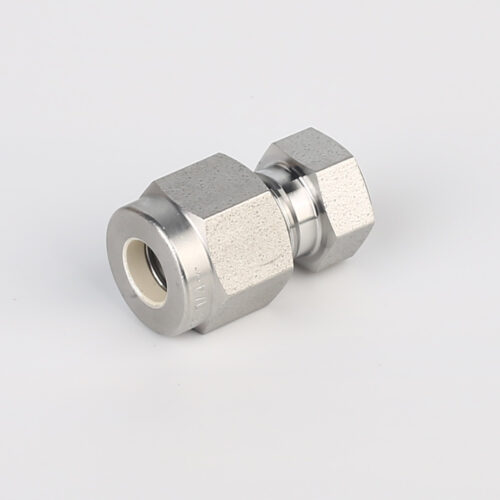
7108L Cylinder Cap Connectors For Ultra High Purity Gases
-
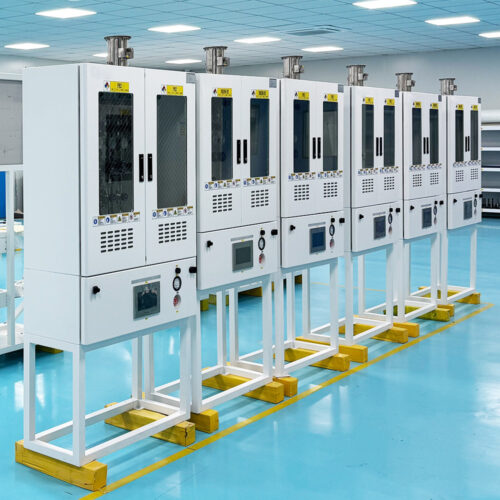
Corrosion Resistant 316L Stainless Steel Exhaust Gas Scrubber System for Harsh Chemical Process Environments
-
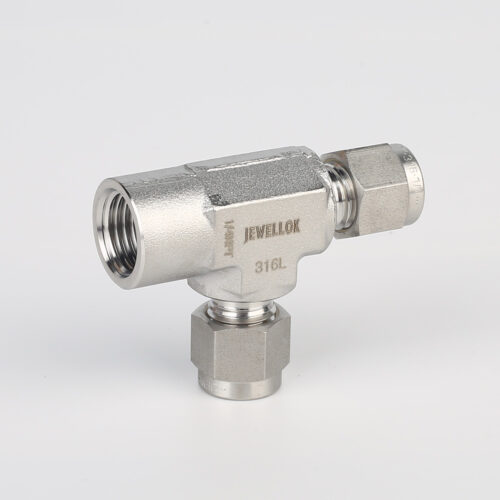
771LF Female Run Tee | Stainless Steel Tube Fitting Compression Fittings 1/4 In 3-Way Tee Female Run Tee
-
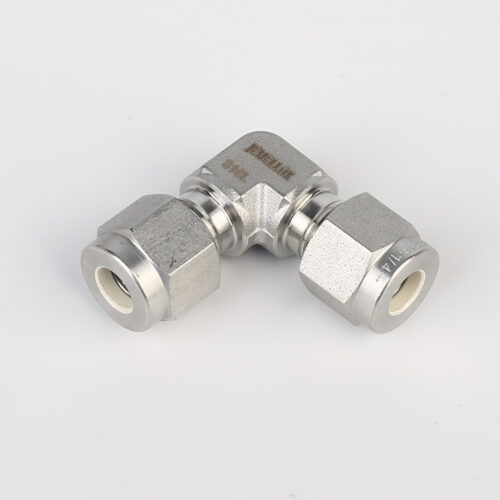
765L Stainless Steel Union Elbow Reducing High Purity Fitting Tubing Extension Tubing Connection
-
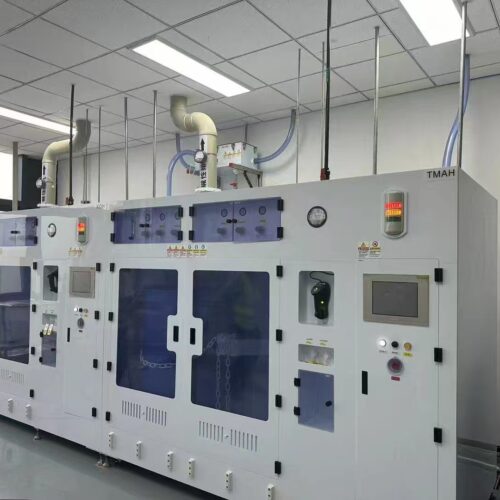
Automated Bulk Chemical Delivery System with Ultra High Purity CDU for Precise Industrial Fluid Control
-
High Purity Semi-Auto Stainless Steel Changeover Manifold System, Nitrogen High Pressure Control Panel With Semiconductor Valve Manifold Box Diaphragm Valves
-
Vertical Laminar Flow Workstation (VLF) With Chemical Concentration Monitor
-
Custom VMB Valve Manifold Boxes for Enhanced Tool Isolation and Maximum Uptime in Complex Chemical Distribution Networks