
Regulator Manufacturer Tel: +86 13380377051
Regulator Manufacturer Tel: +86 13380377051
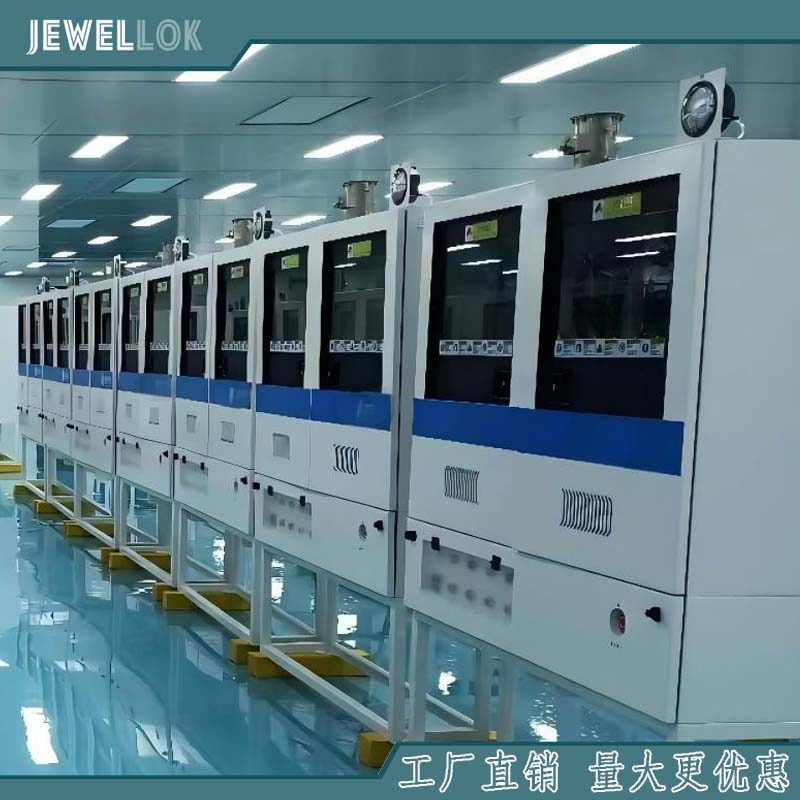
What Is the Difference Between a High-Pressure and Low-Pressure Gas Cabinet Regulator?
Introduction
Gas cabinet regulators are essential components in industrial gas delivery systems, particularly in semiconductor manufacturing, pharmaceutical production, chemical processing, laboratories, and other industries that require precise and reliable gas pressure control.
A gas cabinet regulator controls the pressure of gas supplied from a high-pressure cylinder and reduces it to a suitable level for downstream equipment. It helps maintain stable gas delivery, protects sensitive process equipment, and supports safe operation throughout the gas distribution system.
However, not all gas cabinet regulators operate under the same pressure conditions. Depending on the gas properties, cylinder pressure, process requirements, and downstream equipment specifications, engineers may select either a high-pressure regulator or a low-pressure regulator.
Although both types perform pressure reduction and control, they differ in inlet pressure capacity, outlet pressure range, internal construction, pressure-control characteristics, and application requirements.
Understanding these differences is particularly important when designing semiconductor gas cabinets, specialty gas delivery panels, automatic gas changeover systems, and laboratory gas supply equipment.
This article explains the differences between high-pressure and low-pressure gas cabinet regulators, their working principles, key technical specifications, material requirements, applications, and selection considerations.

1. What Is a Gas Cabinet Regulator?
A gas cabinet regulator is a pressure-control device installed inside a gas cabinet or gas supply panel to reduce and regulate the pressure of gas supplied from a cylinder.
Industrial gas cylinders may contain gases at relatively high pressures. Directly connecting these cylinders to downstream process equipment without appropriate pressure regulation could damage equipment, cause unstable gas flow, or create serious safety hazards.
A regulator reduces the incoming pressure to a controlled outlet pressure suitable for the gas delivery system.
A typical gas cabinet pressure-control assembly may include:
- High-pressure gas cylinder connection.
- Primary pressure regulator.
- Secondary pressure regulator.
- Pressure gauges or pressure transducers.
- Pneumatic or manual isolation valves.
- Gas filters.
- Pressure relief devices.
- Purge valves and vent connections.
- Automatic cylinder changeover components.
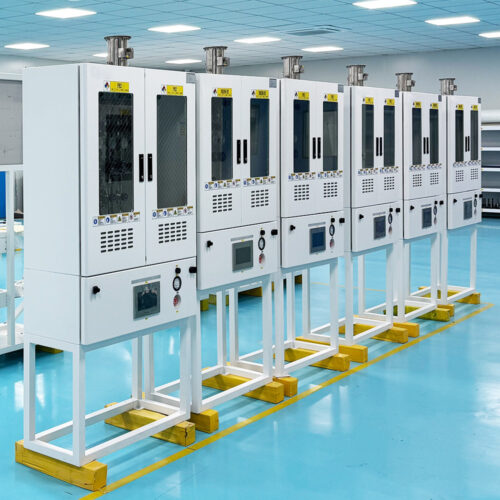
In semiconductor applications, regulators may be installed in single-cylinder gas cabinets, dual-cylinder automatic changeover cabinets, or centralized specialty gas distribution systems.
The regulator must be compatible with the gas chemistry, operating pressure, flow requirements, and cleanliness standards of the application.
2. What Is a High-Pressure Gas Cabinet Regulator?
A high-pressure gas cabinet regulator is designed to handle relatively high inlet pressures from compressed gas cylinders or other high-pressure gas sources.
Its primary function is to reduce high cylinder pressure to an intermediate or controlled downstream pressure.
Depending on the cylinder and gas type, the inlet pressure may reach several hundred bar. However, the actual design pressure must always be determined from the gas supply specifications and applicable equipment standards.
2.1 Working Principle
A high-pressure regulator generally operates through a pressure-balanced mechanical system.
Its main components include:
- Regulator body.
- Diaphragm or piston assembly.
- Pressure-adjusting mechanism.
- Valve seat.
- Internal spring.
- Inlet and outlet connections.
When high-pressure gas enters the regulator, the pressure acts on the internal sensing mechanism.
The diaphragm or piston responds to the difference between the outlet pressure and the regulator’s setpoint.
As downstream pressure decreases, the regulator opens to allow additional gas to enter. As downstream pressure increases toward the setpoint, the regulator restricts the gas flow.
This automatic mechanical response helps maintain a relatively stable outlet pressure.
2.2 Key Characteristics
High-pressure regulators are generally characterized by:
High inlet pressure capacity: Designed to withstand the maximum specified pressure of the connected gas source.
Pressure reduction capability: Reduce high cylinder pressure to a suitable intermediate or downstream pressure.
High-pressure structural design: Require appropriately engineered body materials, wall thickness, valve seats, and connections.
Controlled pressure regulation: Provide stable pressure control within their specified operating range.
Specialized material compatibility: Require materials suitable for the particular gas, including potentially corrosive, toxic, oxidizing, or high-purity gases.
2.3 Typical Applications
High-pressure gas cabinet regulators are commonly used in:
- Semiconductor specialty gas cabinets.
- High-pressure nitrogen and argon supply systems.
- Hydrogen gas delivery equipment.
- Compressed gas cylinder manifolds.
- Industrial gas distribution panels.
- Specialty gas cylinder changeover systems.
For semiconductor manufacturing, high-pressure regulators are particularly important because many specialty gases are supplied in cylinders under elevated pressure conditions.
3. What Is a Low-Pressure Gas Cabinet Regulator?
A low-pressure gas cabinet regulator is designed to control gas pressure within a relatively low outlet pressure range.
Unlike high-pressure regulators, which are primarily responsible for reducing high cylinder pressure, low-pressure regulators are often used for downstream pressure control or applications where the gas supply pressure is already relatively low.
Their primary purpose is to provide a stable and accurately controlled gas pressure for sensitive process equipment.
3.1 Working Principle
Low-pressure regulators generally use a diaphragm-based pressure-control mechanism.
The regulator compares the downstream pressure with the selected setpoint.
When downstream pressure decreases, the diaphragm moves to open the valve and allow more gas to pass.
When downstream pressure reaches the required setpoint, the diaphragm moves in the opposite direction, restricting gas flow.
The regulator continuously adjusts its valve opening to compensate for changes in gas demand and upstream pressure.
Some low-pressure regulators use specialized diaphragm designs to improve sensitivity and reduce pressure variation.
3.2 Key Characteristics
Low outlet pressure range: Designed to maintain relatively low downstream pressures.
Fine pressure adjustment: Suitable for applications requiring controlled low-pressure gas delivery.
High sensitivity: Certain designs offer improved response to small changes in downstream pressure.
Stable downstream pressure: Help protect sensitive process equipment against pressure fluctuations.
Compact construction: Often suitable for integration into laboratory gas panels and secondary distribution systems.
3.3 Typical Applications
Low-pressure gas regulators are commonly used in:
- Laboratory gas supply systems.
- Semiconductor process gas distribution panels.
- Analytical instruments.
- Gas chromatography equipment.
- Low-pressure nitrogen supply lines.
- Specialty gas secondary distribution systems.
- Industrial equipment requiring regulated low-pressure gas.
It is important to understand that low-pressure regulation does not necessarily mean the regulator has a low inlet-pressure rating. Some low-pressure outlet regulators are specifically designed to accept relatively high inlet pressures.
The inlet and outlet pressure ratings must therefore be evaluated separately.
4. High-Pressure vs. Low-Pressure Gas Cabinet Regulators: Key Differences
Although both regulator types control gas pressure, their engineering requirements and operating characteristics are different.
4.1 Inlet Pressure Range
The inlet pressure rating determines the maximum pressure the regulator can safely accept.
High-pressure regulators are specifically designed for high-pressure gas sources.
Low-pressure regulators may be designed for low-pressure supply lines or may accept higher inlet pressures while delivering low outlet pressure.
Therefore, the term high-pressure or low-pressure should not be used as the only selection criterion.
Buyers should verify the maximum allowable inlet pressure, outlet pressure range, and pressure rating of every regulator.
4.2 Outlet Pressure Range
The outlet pressure range is one of the most important selection parameters.
High-pressure regulators may deliver intermediate or relatively high downstream pressures, depending on the model.
Low-pressure regulators are designed to provide controlled pressure at lower downstream levels.
For example, a gas cabinet may use a primary regulator to reduce cylinder pressure to an intermediate pressure, followed by a secondary regulator to provide the final process supply pressure.
The actual pressure ranges depend on the manufacturer’s specifications and the process design.
4.3 Pressure Regulation Accuracy
Pressure regulation accuracy refers to how closely the regulator maintains the required outlet pressure under changing operating conditions.
Low-pressure regulators designed for precision applications may offer sensitive adjustment and relatively low pressure variation.
High-pressure regulators must also provide reliable pressure control, particularly when the cylinder pressure changes significantly during operation.
Important performance characteristics include:
- Setpoint accuracy.
- Pressure droop.
- Lock-up pressure.
- Supply pressure effect.
- Repeatability.
- Flow capacity.
A regulator should be evaluated using its published performance curves rather than relying only on its nominal pressure range.
4.4 Internal Construction
High-pressure regulators generally require robust pressure-containing components capable of handling the specified inlet pressure.
Low-pressure precision regulators may prioritize diaphragm sensitivity, fine adjustment, and low outlet pressure stability.
However, both types may use diaphragm or piston sensing mechanisms.
Common construction components include:
| Component | Function |
|---|---|
| Regulator body | Contains and directs gas flow |
| Diaphragm or piston | Senses pressure changes |
| Valve seat | Controls gas passage |
| Spring assembly | Establishes the pressure setpoint |
| Adjustment mechanism | Allows outlet pressure adjustment |
| Inlet filter | Helps prevent particle contamination |
| Outlet connection | Connects to downstream piping |
The exact design varies according to the regulator manufacturer and application.
4.5 Material Selection
Material compatibility is critical in semiconductor and specialty gas applications.
Common regulator body materials include:
- 316L stainless steel.
- 316L VIM-VAR stainless steel.
- Nickel-based alloys for selected corrosive applications.
- Other specialized materials for specific gas chemistries.
316L stainless steel is widely used in high-purity gas delivery systems because of its corrosion resistance and suitability for precision-machined components.
For highly corrosive specialty gases, additional considerations may include alloy compatibility, surface finish, passivation, and diaphragm material.
Common diaphragm materials include stainless steel and specialized corrosion-resistant alloys.
Material selection must be based on the actual gas chemistry, pressure, temperature, and purity requirements.
4.6 Flow Capacity
A regulator must provide sufficient gas flow to meet downstream equipment requirements.
Flow capacity is influenced by:
- Valve orifice size.
- Internal flow-path design.
- Inlet pressure.
- Outlet pressure.
- Gas molecular properties.
- Temperature.
- Required flow rate.
A regulator with an appropriate pressure range may still be unsuitable if its flow capacity is insufficient.
For semiconductor applications, engineers should review the regulator’s flow curves and confirm performance under actual operating conditions.
5. Comparison Table: High-Pressure vs. Low-Pressure Regulators
| Technical parameter | High-pressure regulator | Low-pressure regulator |
|---|---|---|
| Main function | Reduce high source pressure | Control relatively low downstream pressure |
| Inlet pressure | Designed for specified high-pressure sources | May be low or high, depending on design |
| Outlet pressure | Intermediate or specified higher range | Relatively low pressure range |
| Pressure control | Stable pressure reduction | Fine low-pressure regulation |
| Construction | Pressure-rated body and internal components | Often optimized for sensitive low-pressure control |
| Common materials | 316L SS, specialized alloys | 316L SS, specialized alloys |
| Typical applications | Gas cylinders and primary gas panels | Laboratory and secondary gas distribution |
| Main selection factor | Maximum inlet pressure and reduction range | Outlet range, accuracy, and flow requirements |
The table provides a general comparison. Actual regulator performance depends on the manufacturer’s model specifications.
6. Why Are Two-Stage Regulators Used in Gas Cabinet Systems?
In many semiconductor and industrial gas delivery applications, a single regulator may not provide the required combination of pressure reduction, stability, and control.
A two-stage pressure regulation arrangement can provide better control across a wide range of cylinder pressures.
6.1 First-Stage Pressure Reduction
The first-stage regulator reduces the high pressure from the cylinder to an intermediate pressure.
Its main responsibilities include:
- Handling the maximum cylinder pressure.
- Providing controlled intermediate pressure.
- Reducing the pressure variation entering the downstream system.
- Supporting stable operation as cylinder pressure changes.
6.2 Second-Stage Pressure Regulation
The second-stage regulator further reduces the intermediate pressure to the required process supply pressure.
It provides more precise control for downstream equipment.
This configuration can help reduce the influence of changing cylinder pressure on the final supply pressure.
However, two-stage regulation does not automatically guarantee constant pressure. Correct regulator sizing, pressure settings, flow capacity, and installation design remain essential.
7. How to Select the Right Gas Cabinet Regulator
Selecting the correct regulator requires a detailed understanding of the gas supply system.
The following factors should be evaluated before purchasing.
7.1 Identify the Gas Type
Different gases have different chemical properties.
For example:
- Nitrogen and argon are commonly supplied using compatible stainless steel regulators.
- Hydrogen requires careful material and sealing considerations.
- Oxygen requires oxygen-compatible components and cleanliness.
- Ammonia requires suitable material compatibility.
- Highly corrosive specialty gases may require specialized alloy and diaphragm selections.
Never assume that a regulator suitable for one gas is automatically suitable for another.
7.2 Confirm Maximum Inlet Pressure
Check the maximum cylinder pressure and the regulator’s rated maximum inlet pressure.
The regulator must be suitable for the maximum possible pressure under the specified operating and temperature conditions.
Do not select a regulator based only on the normal cylinder operating pressure.
7.3 Determine the Required Outlet Pressure
Confirm the downstream equipment’s operating pressure requirements.
The selected regulator should provide the required setpoint within its specified control range.
Also consider minimum and maximum operating flow rates.
7.4 Calculate Required Flow Capacity
The regulator must supply enough gas to support the connected process equipment.
Undersized regulators may cause excessive pressure droop and unstable gas delivery.
Oversized regulators may make low-flow control more difficult, depending on their design.
7.5 Evaluate Gas Purity Requirements
High-purity and ultra-high-purity gas systems require special attention to contamination control.
Important factors include:
- Internal surface finish.
- Cleaning and passivation procedures.
- Particle generation.
- Moisture and oxygen contamination.
- Diaphragm and sealing materials.
- Connection design.
For semiconductor applications, electropolished 316L stainless steel components are commonly considered where high-purity requirements justify their use.
7.6 Check Connections and Installation Requirements
Confirm the required inlet and outlet connection standards.
Depending on the system, connections may include VCR metal gasket face seal fittings, NPT connections, or other specified configurations.
The regulator must also be installed according to the manufacturer’s orientation, torque, and operating instructions.
8. Common Problems with High-Pressure and Low-Pressure Regulators
Even high-quality gas cabinet regulators may experience performance problems if improperly selected, installed, or maintained.
8.1 Outlet Pressure Fluctuation
Possible causes include:
- Incorrect regulator sizing.
- Unstable inlet pressure.
- Excessive downstream demand.
- Contaminated valve seats.
- Improper regulator adjustment.
Check the regulator’s flow capacity and compare actual operating conditions with its performance curves.
8.2 Pressure Creep
Pressure creep occurs when downstream pressure gradually increases even though gas demand is low or absent.
It may indicate leakage across the regulator valve seat or contamination inside the regulator.
The regulator should be inspected and serviced according to the manufacturer’s procedures.
8.3 External Gas Leakage
Leaks may develop at connections, seals, diaphragm assemblies, or damaged components.
Use approved leak detection procedures and suitable equipment for the specific gas.
For toxic, flammable, or corrosive gases, leakage investigations must be performed by qualified personnel under appropriate safety controls.
8.4 Unstable Low-Flow Performance
Low-flow instability may result from an incorrectly sized regulator, unsuitable valve characteristics, contamination, or inadequate upstream pressure conditions.
Selecting a regulator with an appropriate flow range is essential.
9. Maintenance and Safety Considerations
Gas cabinet regulators are critical safety components and should be maintained according to the manufacturer’s recommendations and applicable gas-system standards.
A suitable maintenance program should include:
- Regular inspection of external connections and fittings.
- Verification of inlet and outlet pressure readings.
- Approved leak testing.
- Inspection of pressure gauges and transducers.
- Monitoring of pressure stability.
- Replacement of damaged seals and components.
- Periodic functional testing.
- Verification of regulator compatibility after any gas service change.
For toxic, pyrophoric, flammable, and highly corrosive gases, maintenance must follow specific safety procedures, including isolation, controlled purging, gas monitoring, and appropriate personal protective equipment.
Regulators should not be disassembled or repaired by unqualified personnel.

Conclusion
High-pressure and low-pressure gas cabinet regulators perform different but complementary functions in industrial gas delivery systems.
High-pressure regulators are designed to handle elevated gas supply pressures and reduce them to suitable intermediate or downstream levels. Low-pressure regulators focus on controlling relatively low outlet pressures and providing stable gas delivery to sensitive process equipment.
However, the distinction is not determined by outlet pressure alone. Some low-pressure regulators are designed to accept high inlet pressures, making maximum inlet pressure, outlet range, flow capacity, and gas compatibility essential selection criteria.
For semiconductor manufacturing, specialty gas delivery systems, laboratory gas panels, and industrial gas cabinets, selecting the correct regulator requires careful evaluation of gas properties, cylinder pressure, downstream requirements, material compatibility, and purity specifications.
A properly selected and maintained regulator helps improve pressure stability, protect downstream equipment, reduce contamination risks, and support the safe and reliable operation of the entire gas delivery system.
For more about what is the difference between a high-pressure and low-pressure gas cabinet regulator, you can pay a visit to Jewellok at https://www.specialtygasregulator.com/product-category/specialty-gas-cabinet/ for more info.
-
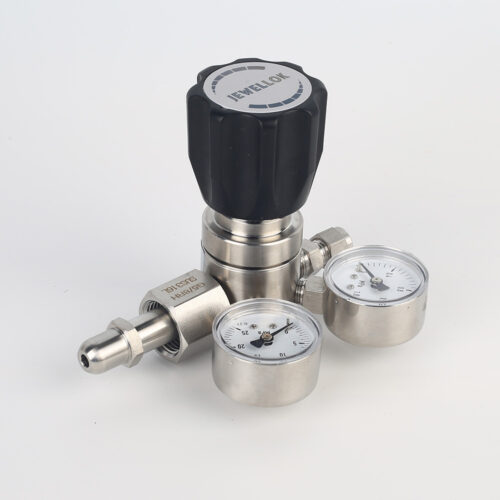
High Purity High Pressure Gas Cylinder Pressure Regulators Pressure Reducing Valve JSR-1E Series
-
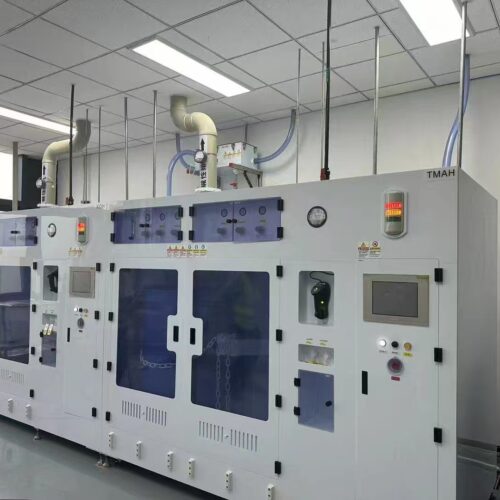
Liquid Bulk Chemical Delivery System with Automatic Chemical Dispense Unit (CDU) Featuring 316L Electropolished Stainless Steel Piping Components
-
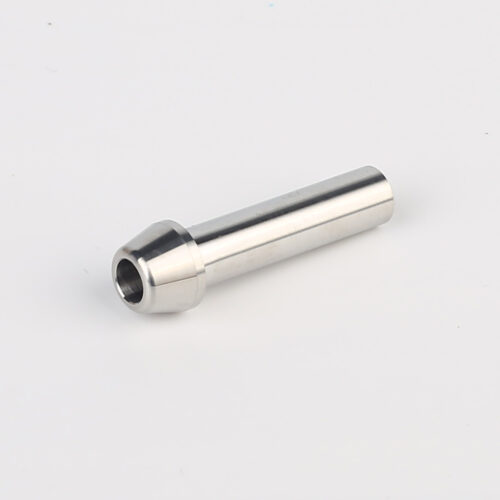
767LP Port Connector Ultra High Purity VCJ Metal Gasket Face Seal Tube Fittings
-
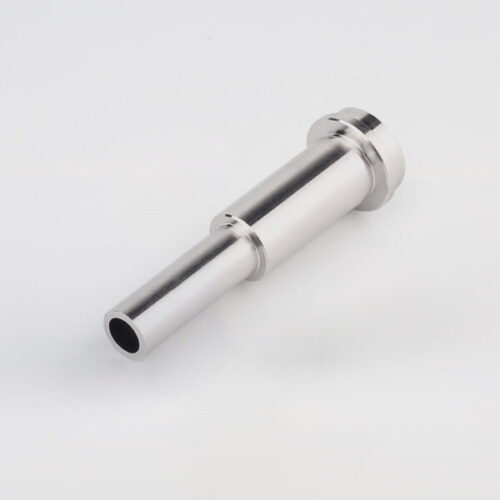
Long Gland LG Series For Ultra High Purity Gas And Chemical Delivery Systems
-
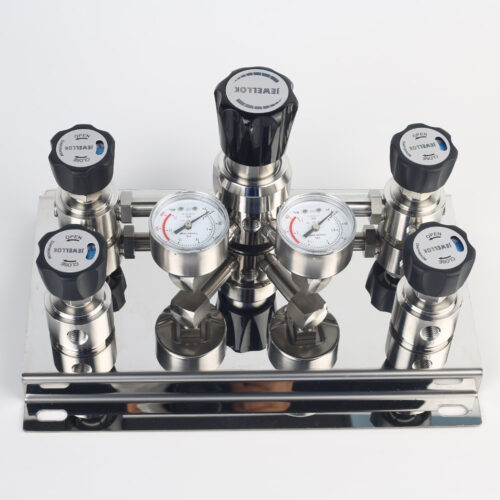
Single Stage Wall And Cabinet Mounting Pressure Control Panels JSP-2E Series For High Purity Gases
-
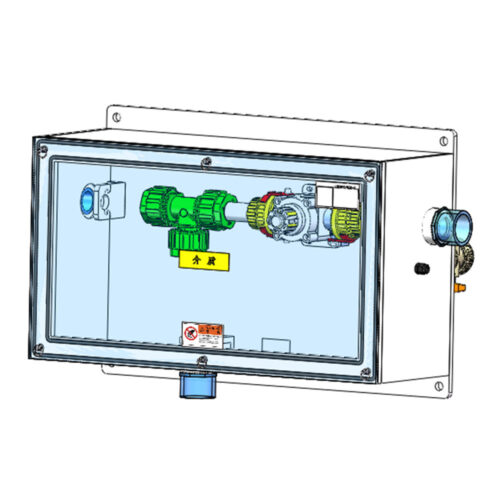
FT-BOX JW-FTB-C Valve Manifold Panels And Boxes With High Purity Configurable Systems
-
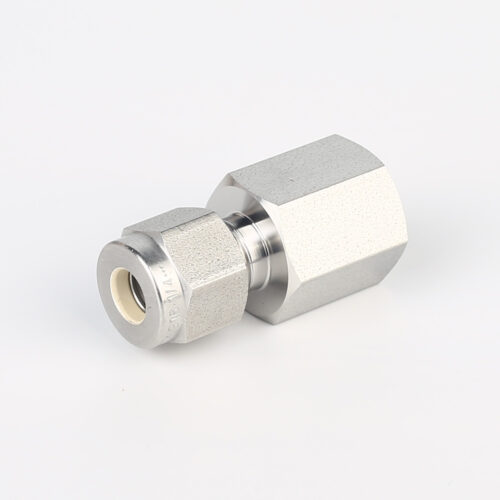
766L High Purity Female Connector UHP Fitting Female Connector
-
Custom Wet and Dry Exhaust Gas Scrubber System Technology for Effective Acid Gas Neutralization