
Regulator Manufacturer Tel: +86 13380377051
Regulator Manufacturer Tel: +86 13380377051
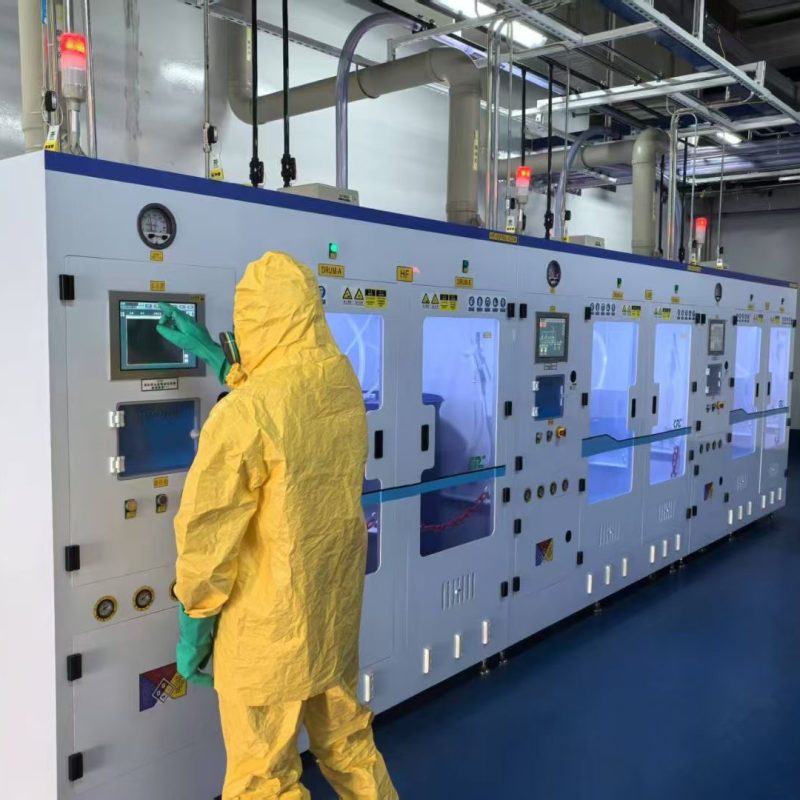
Laboratory Gas Scrubber System for Fume Hood Exhaust and Chemical Gas Treatment
Introduction
Laboratories frequently generate hazardous chemical gases, acidic fumes, alkaline vapors, and other airborne contaminants during chemical experiments, sample preparation, analytical testing, and research activities. These emissions may contain substances such as hydrogen chloride (HCl), sulfur dioxide (SO₂), hydrogen fluoride (HF), ammonia (NH₃), chlorine (Cl₂), and various volatile chemical compounds.
If these contaminants are not properly treated, they may create serious occupational health risks, damage laboratory ventilation equipment, and contribute to environmental pollution. A laboratory gas scrubber system provides an effective solution for treating contaminated exhaust before it is released into the atmosphere.
Unlike conventional ventilation systems that primarily capture and transport contaminated air, a gas scrubber actively removes selected pollutants through physical absorption, chemical neutralization, or other treatment mechanisms.
Laboratory gas scrubber systems are commonly integrated with fume hoods, chemical storage cabinets, laboratory exhaust ducts, and centralized ventilation networks. Their design must consider the types of chemicals being handled, exhaust airflow, contaminant concentration, required removal efficiency, and available installation space.
This article explains how laboratory gas scrubber systems work, their main components, common treatment technologies, material selection considerations, and practical engineering requirements for fume hood exhaust and chemical gas treatment.
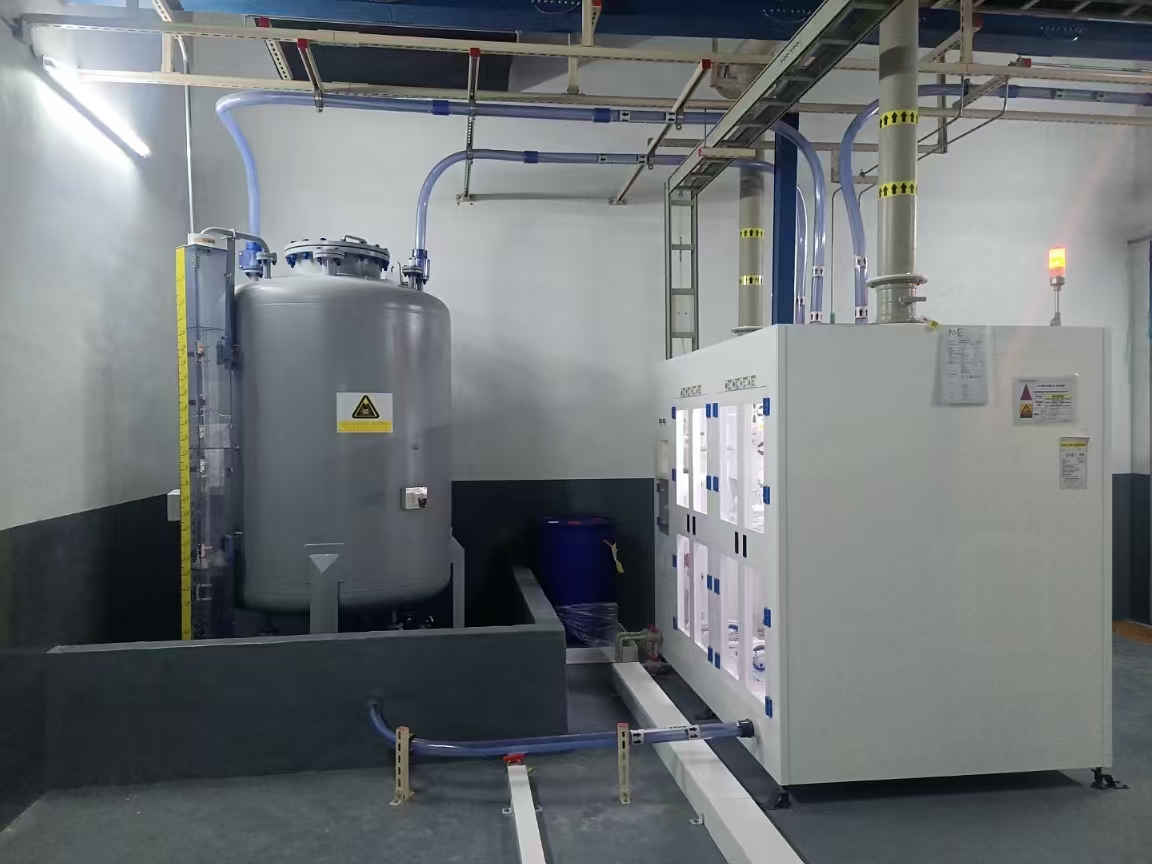
1. What Is a Laboratory Gas Scrubber System?
A laboratory gas scrubber system is an air pollution control device designed to remove hazardous gases and chemical contaminants from laboratory exhaust streams.
It is generally installed downstream of fume hoods or other laboratory exhaust collection equipment.
During laboratory operations, chemical reactions, heating, evaporation, and sample processing may release harmful gases into the surrounding air. Fume hoods capture these emissions and transport them through an exhaust duct system to a treatment unit.
The scrubber then removes targeted contaminants before the treated gas is discharged through an exhaust stack.
Depending on the application, a laboratory gas scrubber may use:
- Water absorption.
- Alkaline chemical neutralization.
- Acidic chemical absorption.
- Packed-bed gas-liquid contact.
- Multi-stage chemical treatment.
- Specialized treatment technologies for particular contaminants.
For example, an alkaline wet scrubber can remove hydrogen chloride fumes by bringing the contaminated exhaust into contact with a sodium hydroxide solution.
The neutralization reaction is:
HCl + NaOH → NaCl + H₂O
The resulting treated gas contains a significantly reduced concentration of hydrogen chloride, provided the system is correctly designed and operated.
2. Why Do Laboratories Need Gas Scrubber Systems?
Laboratory exhaust gases may contain a wide range of hazardous chemicals. The appropriate treatment system depends on the actual chemical processes and emission characteristics.
2.1 Protection of Laboratory Personnel
Fume hoods are designed to capture hazardous airborne contaminants and prevent their accumulation in occupied laboratory spaces.
However, capturing exhaust gases does not eliminate their environmental impact. The contaminants must still be treated or otherwise managed appropriately before discharge.
A properly designed gas scrubber provides an additional pollution-control barrier by removing targeted chemical contaminants from the exhaust stream.
2.2 Environmental Emission Control
Laboratory emissions may contain acidic gases, alkaline compounds, toxic chemicals, and other pollutants.
Depending on the location and application, laboratories may need to comply with local environmental emission requirements and applicable air pollution control standards.
A suitable scrubber helps reduce pollutant concentrations and supports environmental compliance.
Actual compliance must be verified through appropriate emission testing and monitoring.
2.3 Protection of Exhaust Ducts and Equipment
Corrosive gases can damage metal exhaust ducts, fans, dampers, and other ventilation components.
For example, hydrochloric acid fumes and hydrogen fluoride can cause severe corrosion when materials are not properly selected.
A properly positioned and designed scrubber can reduce the concentration of corrosive contaminants before the treated gas reaches downstream equipment.
2.4 Support for Different Laboratory Applications
Gas scrubbers are used in various laboratory environments, including:
- Chemical research laboratories.
- Pharmaceutical laboratories.
- University and educational laboratories.
- Semiconductor research facilities.
- Environmental testing laboratories.
- Biotechnology and materials research laboratories.
- Industrial quality-control laboratories.
Each application requires a different treatment configuration depending on the chemicals involved.
3. How Does a Laboratory Gas Scrubber Work?
A typical laboratory wet scrubber uses gas-liquid contact to transfer pollutants from the exhaust stream into a circulating liquid.
A packed-bed absorption scrubber is a common configuration for treating soluble acid and alkaline gases.
Its operating process generally involves five stages.
Stage 1: Exhaust Gas Collection
Chemical fumes are captured by laboratory fume hoods and transported through corrosion-resistant exhaust ducts.
The exhaust fan provides the pressure required to maintain airflow through the system.
The airflow rate must be sufficient to maintain the required fume hood containment performance.
Stage 2: Gas Inlet and Distribution
The contaminated exhaust enters the scrubber through a specially designed inlet.
The inlet configuration helps distribute gas through the treatment section while minimizing localized high-velocity areas.
Depending on the equipment design, the gas may pass through a spray section or directly into a packed-bed contact zone.
Stage 3: Gas-Liquid Contact
A circulation pump delivers scrubbing liquid to the spray distribution system.
The liquid flows downward through the packing while exhaust gas moves upward.
The packing increases the available contact surface area, improving the transfer of soluble pollutants from the gas phase into the liquid phase.
Common packing materials include polypropylene (PP), polyvinylidene fluoride (PVDF), and other chemically compatible materials.
Stage 4: Chemical Absorption and Neutralization
After entering the liquid phase, absorbed pollutants may react with the scrubbing chemicals.
For acidic gases, alkaline solutions such as sodium hydroxide are commonly used.
For example, sulfur dioxide can react with sodium hydroxide:
SO₂ + 2NaOH → Na₂SO₃ + H₂O
The actual reaction products depend on operating conditions, oxygen availability, and solution chemistry.
The circulation liquid is continuously monitored and adjusted to maintain suitable chemical conditions.
Stage 5: Mist Elimination and Exhaust Discharge
Before leaving the scrubber, treated gas passes through a mist eliminator.
This component removes entrained liquid droplets, helping prevent chemical carryover into downstream ducts and the exhaust stack.
The treated gas is then discharged through the exhaust system.
4. Main Components of a Laboratory Gas Scrubber System
A complete laboratory gas scrubber system consists of several interconnected components.
4.1 Scrubber Tower
The scrubber tower provides the main gas-liquid contact space.
It may contain spray nozzles, packing materials, liquid distributors, support grids, and mist eliminators.
Tower dimensions depend on exhaust airflow, pollutant concentration, gas-liquid contact requirements, and the desired removal efficiency.
4.2 Circulation Pump
The circulation pump continuously delivers scrubbing liquid from the tank to the distribution system.
Pump selection should consider:
- Required liquid flow rate.
- Total dynamic head.
- Chemical compatibility.
- Operating temperature.
- Suspended solids concentration.
- Continuous operating requirements.
For corrosive applications, suitable chemical-resistant pump materials are essential.
4.3 Spray Nozzles and Liquid Distribution System
Spray nozzles distribute the circulating solution over the packing or contact section.
Uniform liquid distribution is critical because uneven wetting can reduce absorption efficiency and create channeling inside the packing bed.
Nozzle selection should consider spray angle, flow rate, pressure, particle tolerance, and chemical compatibility.
4.4 Packing Materials
Packing increases the contact area between exhaust gas and scrubbing liquid.
Common options include:
- PP random packing.
- PVDF random packing.
- Structured plastic packing.
- Ceramic packing for suitable applications.
The correct packing type depends on chemical resistance, temperature, pressure drop, mass-transfer requirements, and fouling potential.
4.5 Mist Eliminator
A mist eliminator removes liquid droplets carried by the upward-moving exhaust gas.
Common designs include mesh-type and vane-type mist eliminators.
Regular inspection is necessary because accumulated deposits can increase pressure drop and restrict exhaust airflow.
4.6 Chemical Storage and Dosing System
The chemical dosing system stores and supplies neutralizing chemicals to maintain the required scrubbing solution concentration.
A typical system includes chemical storage tanks, dosing pumps, injection points, pH sensors, and automatic control equipment.
4.7 Control and Monitoring System
A modern laboratory scrubber may include a PLC-based control system with real-time monitoring of critical operating parameters.
Typical monitoring points include:
- Circulation pump operating status.
- Scrubbing solution pH.
- Liquid tank level.
- Differential pressure.
- Exhaust airflow.
- Chemical dosing status.
- Abnormal operating alarms.
These functions help operators identify problems before they develop into serious equipment failures.
5. Choosing the Right Scrubbing Technology for Different Chemical Gases
Not all laboratory exhaust gases can be treated effectively using the same scrubbing solution.
The chemical properties of the target contaminants determine the required treatment technology.
5.1 Acid Gas Scrubbing
Acidic gases such as HCl, HF, and SO₂ are commonly treated using alkaline wet scrubbers.
Sodium hydroxide is frequently used because it reacts with many acidic pollutants and can be dosed automatically.
However, the required pH range and chemical concentration must be determined according to the target gas, inlet concentration, and system design.
5.2 Alkaline Gas Treatment
Alkaline contaminants such as ammonia may require an acidic scrubbing solution.
Sulfuric acid is one possible absorbent for ammonia treatment:
2NH₃ + H₂SO₄ → (NH₄)₂SO₄
The resulting ammonium sulfate remains in the circulating liquid, subject to the system’s operating and wastewater management requirements.
Chemical selection must consider the possibility of unwanted reactions and secondary waste generation.
5.3 Chlorine Gas Treatment
Chlorine is a highly reactive and toxic gas.
Its treatment requires careful consideration of gas concentration, solution chemistry, reaction products, and emergency operating conditions.
Suitable alkaline treatment systems may be used, but the design must account for the relevant chlorine chemistry and avoid unsuitable chemical combinations.
A specialist engineering assessment is essential for chlorine-containing exhaust streams.
5.4 Mixed Chemical Exhaust Treatment
Some laboratories generate exhaust streams containing multiple chemical contaminants.
A single-stage scrubber may not provide adequate removal when the gases have different chemical properties or competing absorption requirements.
In such cases, a multi-stage treatment system may be necessary.
For example, one stage may be designed for acidic gas neutralization, while another provides additional treatment for a different contaminant group.
The treatment sequence must be established through chemical compatibility analysis and engineering calculations.
6. How to Select the Right Material for a Laboratory Gas Scrubber
Material selection directly affects equipment reliability, corrosion resistance, and maintenance costs.
6.1 Polypropylene (PP)
PP is widely used in laboratory wet scrubbers because it offers good resistance to many acids and alkaline solutions.
Its advantages include:
- Lightweight construction.
- Good chemical resistance for compatible applications.
- Relatively economical fabrication.
- Easy thermoplastic welding.
- Smooth internal surfaces.
However, PP has temperature and mechanical limitations. Its suitability must be verified against actual operating conditions.
6.2 Polyvinylidene Fluoride (PVDF)
PVDF provides stronger chemical and temperature resistance than standard PP in many applications.
It is commonly considered for demanding chemical exhaust environments where more specialized material performance is required.
Its higher material cost should be evaluated against the expected service conditions and maintenance requirements.
6.3 Fiber-Reinforced Plastic (FRP)
FRP is manufactured using reinforcing fibers combined with a resin matrix.
It is often suitable for larger industrial scrubber towers requiring structural strength and customized dimensions.
Its chemical resistance depends on resin selection, reinforcement, laminate construction, and the internal corrosion barrier.
For laboratory installations, PP and PVDF may be preferred where compact thermoplastic construction is appropriate, while FRP may be advantageous for larger systems.
7. Key Design Parameters for a Laboratory Gas Scrubber
Proper engineering design is essential to achieve reliable contaminant removal.
7.1 Exhaust Airflow Rate
The scrubber must be sized according to the actual exhaust airflow from connected fume hoods and other collection points.
Undersized equipment may result in excessive gas velocity and insufficient contact time.
Oversized equipment may increase initial investment and operating costs.
The design should consider simultaneous fume hood operation, future expansion, and variations in laboratory activities.
7.2 Inlet Gas Concentration
The concentration of each contaminant affects the required chemical consumption, liquid circulation rate, and treatment configuration.
Design calculations should consider normal and maximum expected pollutant loading.
7.3 Gas-Liquid Contact Time
The packing height and tower diameter influence gas-liquid contact conditions.
The scrubber should provide sufficient contact area and residence time to achieve the required removal performance.
7.4 Pressure Drop
Pressure drop across the scrubber affects exhaust fan selection and energy consumption.
Packing selection, gas velocity, liquid loading, and mist eliminator design all influence system resistance.
7.5 Chemical Consumption
Chemical dosing requirements depend on inlet pollutant loading, reaction stoichiometry, neutralization efficiency, and operating conditions.
Accurate chemical consumption estimates help laboratories plan operating budgets and wastewater treatment capacity.
8. Common Operating Problems and Preventive Maintenance
Even a properly designed laboratory gas scrubber requires regular inspection and maintenance.
The following problems are particularly common.
Low absorption efficiency: May result from insufficient liquid circulation, incorrect pH, inadequate packing contact, or unsuitable chemical selection.
Spray nozzle blockage: Often caused by suspended solids, chemical precipitation, or inadequate filtration.
Packing scaling: May result from high dissolved solids, poor blowdown control, or chemical precipitation.
Excessive pressure drop: Can indicate packing fouling, mist eliminator blockage, or excessive gas and liquid loading.
Pump failure: May be associated with corrosion, dry running, mechanical wear, or unsuitable pump materials.
Unstable pH: Can result from incorrect dosing, sensor contamination, or rapidly changing pollutant concentrations.
A preventive maintenance program should include:
| Inspection item | Recommended monitoring |
|---|---|
| Circulation pump | Daily operating checks |
| Solution pH | Continuous monitoring or daily verification |
| Liquid level | Continuous or daily checks |
| Differential pressure | Continuous or daily monitoring |
| Spray nozzles | Monthly or condition-based inspection |
| Packing condition | Planned shutdown inspections |
| Mist eliminator | Periodic inspection and cleaning |
| Chemical dosing system | Regular calibration and functional testing |
| Exhaust emissions | According to regulatory and process requirements |
Inspection intervals should be adjusted according to chemical loading, operating hours, and manufacturer recommendations.
9. How to Choose a Reliable Laboratory Gas Scrubber Manufacturer
Selecting an experienced manufacturer is essential because laboratory exhaust treatment involves both chemical engineering and ventilation system design.
Before purchasing, consider the following factors:
1. Chemical treatment experience: Confirm that the manufacturer has experience treating the specific gases generated by your laboratory.
2. Customized engineering capability: The supplier should be able to design the scrubber according to actual exhaust airflow, pollutant concentration, and installation conditions.
3. Material selection expertise: Ask for recommendations on PP, PVDF, or FRP based on chemical compatibility and operating temperature.
4. Complete system integration: Check whether the supplier can provide the scrubber tower, pumps, chemical dosing system, mist eliminator, control panel, and related accessories.
5. Performance verification: Request design calculations, expected removal performance, pressure-drop information, and commissioning procedures.
6. After-sales support: Confirm spare-part availability, maintenance guidance, technical documentation, and troubleshooting support.
A professional manufacturer should not recommend equipment based solely on the number of fume hoods. The design must be based on the actual exhaust and chemical treatment requirements.
Conclusion
A laboratory gas scrubber system is an important part of modern laboratory ventilation and environmental protection infrastructure. It helps remove hazardous chemical gases, acidic fumes, and other contaminants from fume hood exhaust before discharge.
The effectiveness of the system depends on several factors, including gas composition, exhaust airflow, chemical absorption efficiency, packing selection, liquid circulation, and material compatibility.
For many laboratory applications, PP wet scrubbers provide an economical and corrosion-resistant solution. PVDF may be more suitable for demanding chemical environments, while FRP can offer advantages for larger customized industrial installations.
The most important consideration is selecting a treatment technology and construction material that match the actual chemical and operating conditions.
By combining proper engineering design, automatic chemical dosing, reliable monitoring, and preventive maintenance, laboratories can achieve stable exhaust treatment performance, protect ventilation equipment, reduce operational risks, and support long-term environmental compliance.
For more about laboratory gas scrubber system for fume hood exhaust and chemical gas treatment, you can pay a visit to Jewellok at https://www.specialtygasregulator.com/product-category/specialty-gas-cabinet/ for more info.
-
High Purity Chemical Dispense System & Packing System For Semiconductors JW-200L-CDM & JW-1000L-CDM
-
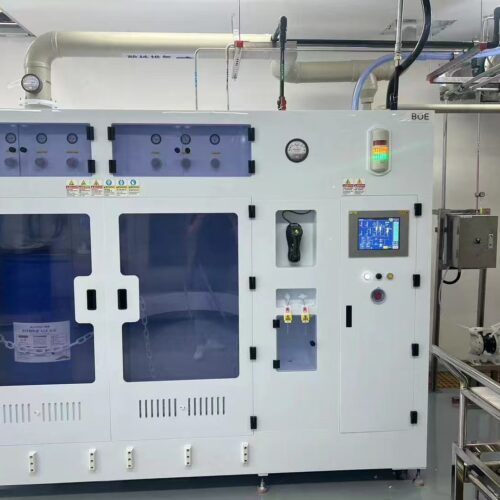
UHP Liquid Chemical Delivery Systems for Semiconductor Fabrication and Photovoltaic Manufacturing Processes
-
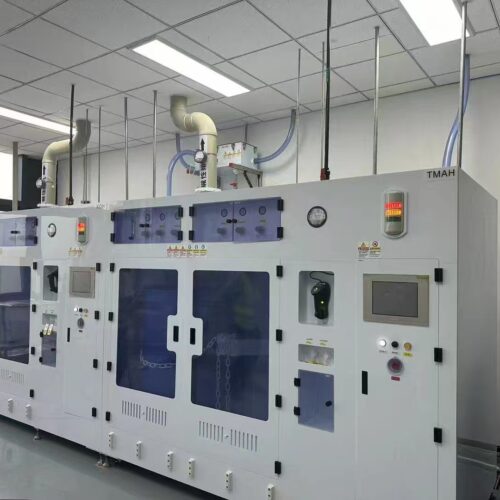
Liquid Bulk Chemical Delivery System with Automatic Chemical Dispense Unit (CDU) Featuring 316L Electropolished Stainless Steel Piping Components
-
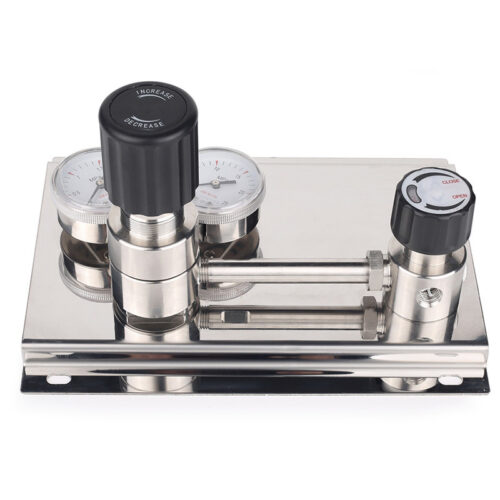
Stainless Steel Fully Automatic Gas Switchover Manifold System Automatic Gas Cylinder Switchover Co2 Cylinder Auto Changeover Controller
-
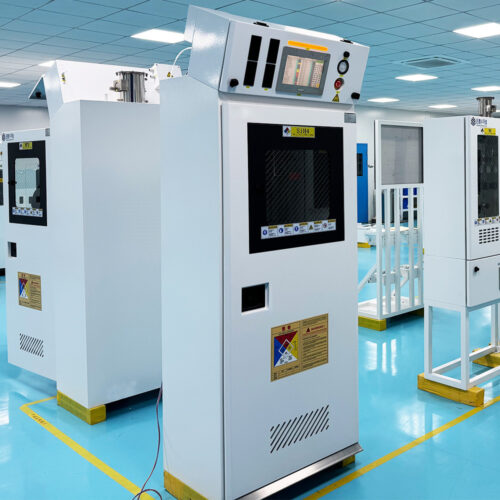
Advanced Bulk Specialty Gas Systems BSGS Gas Cabinet for Safe Handling of Toxic and Flammable Process Gases
-
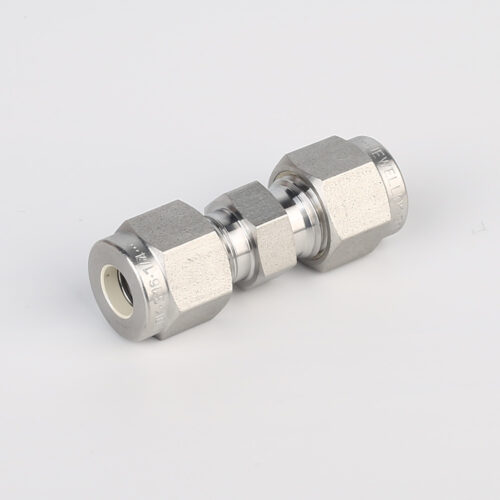
762L Stainless Steel High Purity Union High-Purity Gas System Fittings
-
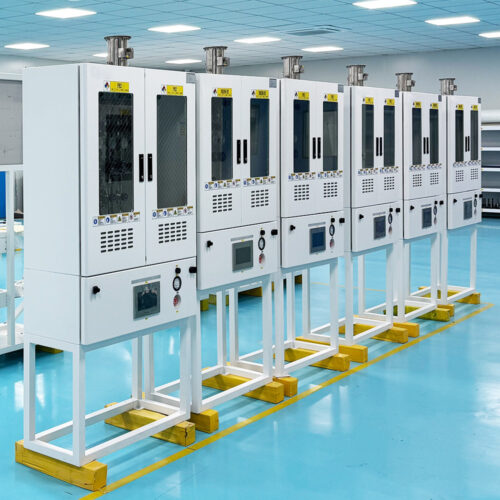
Integrated Gas Delivery Solutions with VMB Valve Manifold Box and Automatic Gas Switchover Systems for Industrial
-
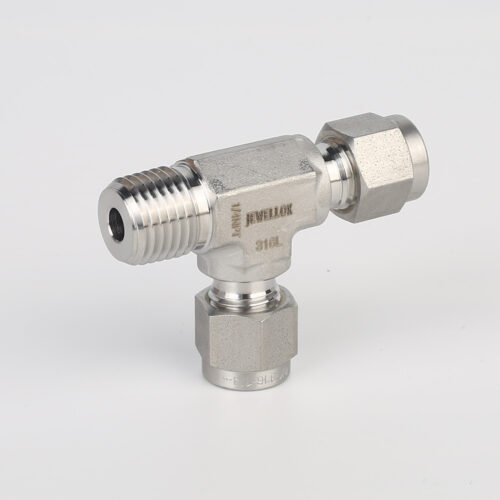
771L Male Run Tee | Stainless Steel High Quality High Purity Male Run Tee Branch Tee Pipe Fittings