
Regulator Manufacturer Tel: +86 13380377051
Regulator Manufacturer Tel: +86 13380377051
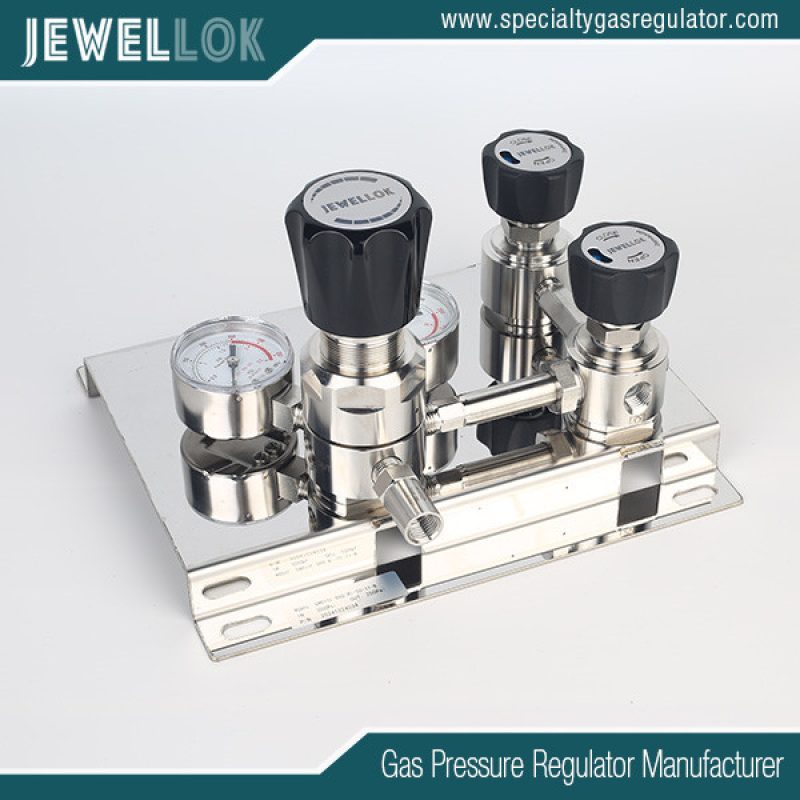
How Does Inlet Pressure Affect Gas Distribution Regulator Performance?
1. Introduction
Gas distribution regulators play a critical role in industrial gas delivery systems, semiconductor manufacturing facilities, laboratories, pharmaceutical production, and other applications requiring controlled gas pressure. Their primary function is to reduce upstream gas pressure to a stable downstream pressure suitable for connected equipment and processes.
However, a gas distribution regulator does not operate independently of its inlet conditions. Inlet pressure directly influences pressure regulation, flow capacity, outlet pressure stability, gas consumption, and overall system reliability. If inlet pressure fluctuates significantly or falls outside the regulator’s specified operating range, the regulator may experience unstable performance, reduced flow capacity, or an inability to maintain the required outlet pressure.
Understanding the relationship between inlet pressure and regulator performance is therefore essential when designing gas distribution systems and selecting pressure-control equipment.
This article explains how inlet pressure affects gas distribution regulator performance, examines the key technical factors involved, identifies common operating problems, and provides practical recommendations for selecting and maintaining regulators in industrial and high-purity gas applications.
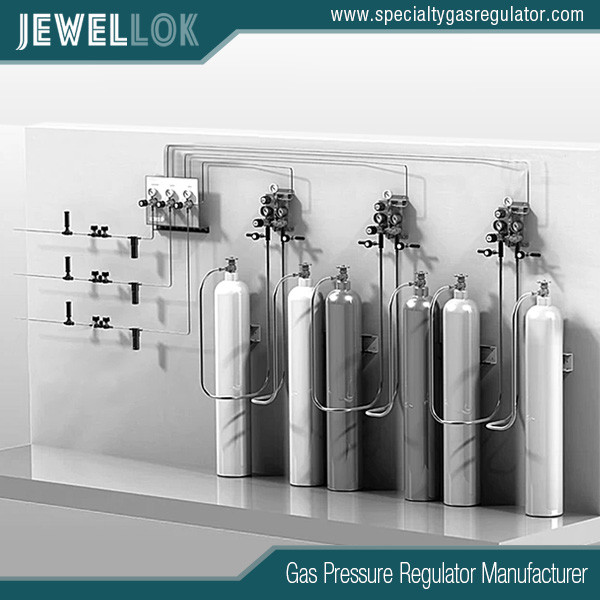
2. What Is Inlet Pressure in a Gas Distribution Regulator?
Inlet pressure is the pressure of the gas entering a regulator from an upstream supply source. Depending on the application, this source may be a compressed gas cylinder, gas cabinet, bulk gas storage tank, gas manifold, or centralized gas supply pipeline.
A typical gas distribution regulator has two main pressure zones:
- Inlet pressure (P1): The upstream pressure supplied to the regulator.
- Outlet pressure (P2): The controlled downstream pressure delivered to the gas distribution system.
The regulator reduces P1 to the required P2 by adjusting the opening of an internal valve assembly.
For example, a gas cylinder may contain nitrogen at a pressure of 150 bar, while the downstream process requires a regulated supply of 5 bar. The regulator reduces the high cylinder pressure to the required operating level.
Actual pressure values depend on the gas, cylinder filling conditions, temperature, regulator rating, and application requirements.
The difference between inlet and outlet pressure is called the pressure differential:
P=P1-P2
This pressure differential provides the driving force for gas flow through the regulator. Changes in inlet pressure can therefore affect the regulator’s ability to maintain a stable outlet pressure, especially when downstream demand changes.
3. How Does Inlet Pressure Affect Regulator Performance?
3.1 Outlet Pressure Stability
One of the most important effects of inlet pressure is its influence on outlet pressure stability.
A pressure regulator is designed to maintain a relatively constant downstream pressure despite changes in upstream pressure and gas demand. However, its ability to do this depends on its internal design and operating range.
When inlet pressure decreases, the pressure force available to drive gas through the regulator also decreases. If the regulator approaches its minimum required inlet pressure, the valve may need to open further to maintain the same outlet pressure.
If the available pressure differential becomes insufficient, the outlet pressure may begin to fall.
Conversely, when inlet pressure increases, the regulator must compensate for the additional upstream pressure acting on the valve assembly. Depending on the regulator design, this may affect outlet pressure through a phenomenon known as supply pressure effect or inlet pressure sensitivity.
A high-quality regulator should minimize unwanted outlet pressure changes within its specified operating conditions.
For applications requiring highly stable pressure, engineers should review the manufacturer’s supply pressure effect specifications and test conditions rather than assuming that all regulators maintain identical performance.
3.2 Flow Capacity
Inlet pressure also affects the maximum gas flow that a regulator can deliver.
Gas flows through the regulator because of the pressure difference between the inlet and outlet. Under otherwise comparable conditions, a higher inlet pressure generally provides a greater driving pressure differential and may allow more gas to pass through the valve.
When inlet pressure decreases, the available pressure differential becomes smaller. The regulator may reach its maximum valve opening before the required downstream flow is achieved.
This can result in:
- Reduced downstream flow rate
- Lower outlet pressure during peak demand
- Slow pressure recovery
- Insufficient gas supply to connected equipment
- Process interruptions caused by low gas pressure
For example, a semiconductor process may require a consistent nitrogen supply during equipment purging. If several machines operate simultaneously, total gas demand increases. When the cylinder or upstream pipeline pressure becomes too low, the regulator may no longer deliver the required flow at the specified outlet pressure.
Therefore, regulator selection should consider both the required outlet pressure and the maximum expected gas flow rate.
3.3 Pressure Drop Across the Regulator
Pressure drop is the reduction in pressure as gas passes through the regulator and associated components.
The pressure drop across a regulator is influenced by several factors, including:
- Inlet pressure
- Outlet pressure
- Gas type and physical properties
- Valve orifice size
- Regulator flow coefficient
- Gas temperature
- Required flow rate
- Internal passage geometry
As gas demand increases, the regulator valve must open further to provide sufficient flow. Depending on the regulator design, this may cause a greater pressure reduction across the internal flow path.
If inlet pressure is too low, the regulator may not have enough pressure differential to overcome the resistance of downstream piping, filters, valves, and other equipment.
It is important to distinguish between the pressure drop across the regulator itself and the total pressure loss throughout the gas distribution system. Both should be evaluated when designing a stable gas supply network.
3.4 Regulator Lock-Up Pressure
Lock-up pressure is the outlet pressure at which a regulator closes or nearly closes its internal valve after downstream demand stops.
When gas consumption decreases, downstream pressure tends to rise toward the regulator’s closing point. The regulator then reduces or stops gas flow to prevent further pressure increase.
Inlet pressure can influence lock-up characteristics, depending on the regulator’s internal design.
For example, changes in inlet pressure may alter the forces acting on the valve assembly. This can affect the outlet pressure at which the regulator closes.
If the regulator has excessive lock-up pressure, downstream equipment may be exposed to pressure levels higher than expected.
For sensitive applications, engineers should check the regulator’s lock-up pressure specifications and verify that downstream components are protected against possible pressure increases.
4. What Happens When Inlet Pressure Is Too High?
A regulator must be designed to handle the maximum possible upstream pressure. Operating above its rated inlet pressure can create serious mechanical and safety risks.
4.1 Increased Stress on Internal Components
High inlet pressure places additional mechanical loads on the regulator body, valve seat, diaphragm, seals, and other pressure-containing components.
If the pressure exceeds the manufacturer’s maximum allowable rating, internal components may deform, fail, or lose their sealing performance.
Metal diaphragm regulators used in high-purity gas systems must be designed for their specified pressure range. The diaphragm material, thickness, geometry, and joining method all contribute to pressure resistance and fatigue performance.
4.2 Increased Risk of Leakage
Excessive inlet pressure can increase the stress applied to sealing interfaces and pressure-containing connections.
If the regulator is incorrectly selected, improperly installed, or operated beyond its rating, leakage may occur around body joints, connections, or internal sealing surfaces.
This is particularly dangerous when handling toxic, corrosive, flammable, or pyrophoric gases.
A regulator’s maximum inlet pressure must therefore be confirmed before installation. The pressure rating of connected tubing, fittings, valves, filters, and other components must also be considered.
4.3 Greater Pressure-Control Challenges
A large difference between inlet and outlet pressure can create challenging operating conditions for some regulator designs.
The internal valve must control gas flow across a wide pressure range. Depending on the valve geometry and regulator design, high pressure differentials may contribute to unstable control, increased flow sensitivity, or greater erosion and wear.
For high-pressure gas systems, selecting a regulator specifically designed for the intended inlet pressure and gas service is essential.
4.4 Potential for Excessive Downstream Pressure
A regulator is a pressure-control device, not an absolute guarantee against downstream overpressure.
Internal contamination, valve-seat damage, incorrect adjustment, or mechanical failure can cause pressure creep or other abnormal conditions.
Where downstream equipment cannot tolerate excessive pressure, an appropriately sized pressure relief device or other independent overpressure protection may be required.
The protection system should be designed according to the applicable codes, standards, and process risk assessment.
5. What Happens When Inlet Pressure Is Too Low?
Low inlet pressure is another common cause of poor regulator performance.
5.1 Reduced Outlet Pressure
When the upstream supply pressure approaches the required outlet pressure, the regulator loses the pressure differential needed to maintain normal gas flow.
The outlet pressure may gradually decrease, especially when downstream demand increases.
For example, a laboratory instrument requiring 4 bar of nitrogen may operate normally while the upstream supply pressure is sufficiently high. As the gas cylinder becomes depleted, inlet pressure decreases. Eventually, the regulator may be unable to maintain the required 4 bar under operating flow conditions.
5.2 Insufficient Gas Flow
Low inlet pressure can prevent the regulator from delivering the required flow rate.
Even if the static outlet pressure appears normal when no gas is being consumed, the pressure may drop significantly once downstream equipment begins operating.
This is why regulator performance should be evaluated under realistic flow conditions rather than only under static pressure conditions.
5.3 Increased Valve Opening
As inlet pressure decreases, the regulator may need to open its internal valve further to maintain the target outlet pressure.
When the valve reaches its maximum opening, the regulator has no remaining adjustment capacity to compensate for additional pressure loss or increased demand.
The result may be a sudden or gradual decline in downstream pressure.
5.4 Unreliable Equipment Operation
Insufficient inlet pressure can affect connected equipment in different ways.
Examples include:
- Incomplete pneumatic actuator movement
- Unstable laboratory instrument operation
- Inconsistent gas flow during semiconductor processing
- Longer equipment purging times
- Failure to maintain the required process pressure
- Production interruptions caused by gas supply alarms
Maintaining adequate upstream pressure is therefore important for both regulator performance and overall process reliability.
6. How Inlet Pressure Affects Different Types of Gas Regulators
Different regulator designs respond differently to changes in inlet pressure.
6.1 Single-Stage Gas Pressure Regulators
A single-stage regulator reduces inlet pressure to the required outlet pressure in one pressure-reduction step.
Its main advantages include a relatively simple structure, compact size, and lower initial cost.
However, outlet pressure may change as inlet pressure decreases, particularly when the gas cylinder is being depleted.
This behavior is often referred to as supply pressure effect. Its magnitude depends on the regulator’s design and operating conditions.
Single-stage regulators are commonly used in applications where moderate outlet pressure stability is acceptable.
6.2 Two-Stage Gas Pressure Regulators
A two-stage regulator reduces pressure through two successive stages.
The first stage reduces the high inlet pressure to an intermediate pressure. The second stage then provides the final outlet pressure.
Because the second stage receives a more stable intermediate pressure, two-stage regulators can generally provide better outlet pressure stability as the upstream supply pressure changes.
They are often used in applications requiring consistent gas delivery, including laboratories, analytical equipment, and selected semiconductor gas systems.
However, a two-stage design does not eliminate all pressure fluctuations. Correct sizing, adequate inlet pressure, and appropriate flow capacity remain essential.
6.3 High-Purity and Ultra-High-Purity Regulators
High-purity and UHP regulators are designed to control gas pressure while minimizing contamination.
Their performance depends on more than inlet pressure alone. Internal materials, diaphragm construction, surface finish, cleaning processes, valve-seat design, and sealing methods all contribute to gas purity and operational reliability.
Inlet pressure must remain within the regulator’s rated range to avoid mechanical damage and maintain predictable control.
For semiconductor gas distribution systems, engineers should evaluate pressure stability, flow capacity, gas compatibility, leak performance, and cleanliness requirements together.
7. How to Select the Correct Inlet Pressure Range
Choosing a regulator based only on its outlet pressure range is a common equipment-selection mistake.
A regulator must be suitable for the complete upstream and downstream operating conditions.
The following factors should be considered.
1. Maximum inlet pressure
Identify the highest possible pressure supplied by the gas cylinder, manifold, storage tank, or pipeline. The regulator’s maximum rated inlet pressure must be equal to or greater than this value.
2. Minimum inlet pressure
Determine the lowest expected upstream pressure during normal operation. This is particularly important for gas cylinders because pressure generally decreases as gas is consumed.
3. Required outlet pressure
Confirm the pressure required by downstream equipment and the process. The regulator’s outlet adjustment range must cover this requirement.
4. Maximum gas flow rate
Calculate the maximum expected gas consumption, including simultaneous equipment demand and possible peak-flow conditions.
5. Gas properties
Different gases have different molecular weights, compressibility characteristics, and flow behavior. Regulator sizing should use the appropriate gas-specific performance data.
6. Pressure stability requirements
Determine how much outlet pressure variation the process can tolerate. Sensitive semiconductor and analytical applications may require more precise regulation than general industrial gas systems.
7. Safety requirements
Confirm that the regulator, connections, piping, and associated protection devices meet the applicable pressure and gas-service requirements.
8. Practical Methods for Improving Regulator Performance
Good regulator performance depends on proper equipment selection and stable upstream supply conditions.
8.1 Maintain Adequate Supply Pressure
Monitor the upstream pressure and replace or switch gas cylinders before the supply reaches the regulator’s minimum operating requirement.
For centralized systems, verify that the gas source and distribution pipeline can maintain sufficient pressure during peak demand.
8.2 Use Automatic Gas Changeover Systems
For applications requiring uninterrupted gas supply, an automatic changeover manifold can switch between primary and reserve gas sources.
This helps reduce interruptions caused by cylinder depletion.
The changeover pressure and regulator settings should be coordinated to maintain adequate inlet pressure for downstream equipment.
8.3 Select the Correct Regulator Flow Capacity
A regulator that is too small may cause excessive pressure drop and inadequate flow.
Choose a model based on the required flow rate at the actual inlet and outlet pressures, rather than relying only on the regulator’s connection size.
8.4 Install Pressure Monitoring Instruments
Pressure gauges or suitable pressure transmitters can be installed upstream and downstream of the regulator.
Monitoring both pressures helps operators identify:
- Declining cylinder pressure
- Abnormal pressure drops
- Regulator malfunction
- Unexpected downstream demand
- Blocked filters or restricted pipelines
For automated gas distribution systems, pressure transmitters can also provide alarm signals when pressure moves outside predefined operating limits.
8.5 Maintain Filters and Gas Lines
Contaminated filters, partially closed valves, and restricted tubing can reduce the effective pressure available at the regulator inlet or downstream equipment.
Regular inspection and appropriate maintenance help prevent unnecessary pressure losses.
For high-purity systems, maintenance procedures must preserve gas cleanliness and avoid introducing particles, moisture, or hydrocarbons.
9. Common Problems Caused by Inlet Pressure Fluctuations
| Problem | Possible cause | Recommended action |
|---|---|---|
| Outlet pressure gradually decreases | Cylinder depletion or low upstream supply pressure | Check inlet pressure and replace or switch the gas source |
| Outlet pressure fluctuates during operation | Variable inlet pressure or changing gas demand | Review regulator sizing and upstream supply stability |
| Insufficient downstream flow | Low pressure differential or undersized regulator | Check flow capacity and operating pressure conditions |
| Pressure rises after gas demand stops | Lock-up characteristics, valve-seat contamination, or damage | Inspect the regulator and verify outlet pressure behavior |
| Unstable pressure at peak demand | Insufficient supply capacity or excessive system pressure loss | Review simultaneous gas demand and pipeline sizing |
| External gas leakage | Damaged seals, connections, or pressure-containing components | Isolate the system and arrange qualified inspection |
Troubleshooting should begin with checking actual inlet and outlet pressures under both static and flowing conditions. Replacing the regulator without identifying the underlying supply problem may not resolve the issue.
10. Conclusion
Inlet pressure has a direct influence on gas distribution regulator performance. It affects outlet pressure stability, flow capacity, pressure differential, valve operation, and the mechanical loads experienced by internal components.
When inlet pressure is too high, the regulator may experience excessive mechanical stress, leakage risks, or operation beyond its rated pressure range. When inlet pressure is too low, the regulator may struggle to maintain the required outlet pressure and gas flow, particularly during periods of high demand.
The most reliable approach is to select a regulator based on the complete operating conditions, including maximum and minimum inlet pressure, required outlet pressure, gas flow rate, gas compatibility, and pressure stability requirements.
For demanding applications such as semiconductor gas delivery, laboratory gas systems, and specialty gas distribution, two-stage regulation, automatic gas changeover, upstream pressure monitoring, and properly sized regulators can help improve supply reliability.
Ultimately, maintaining the correct inlet pressure is essential for achieving stable gas distribution, protecting downstream equipment, and ensuring safe and consistent industrial operation.
For more about how does inlet pressure affect gas distribution regulator performance, you can pay a visit to Jewellok at https://www.specialtygasregulator.com/product-category/specialty-gas-cabinet/ for more info.
-
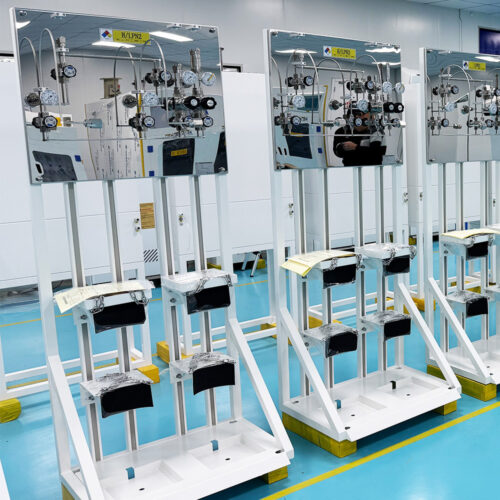
Manual Gas Rack High Purity Gas Delivery Systems JW-100-GR
-
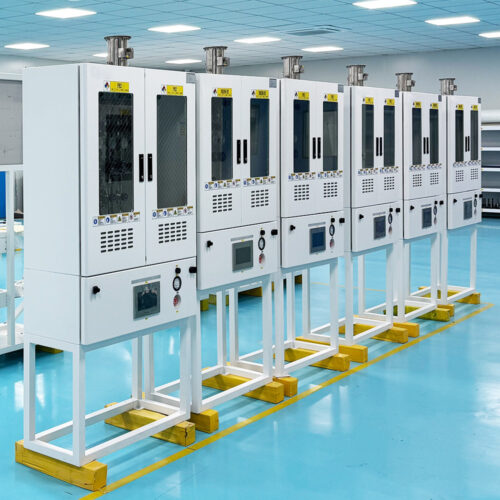
Integrated Gas Cabinets and Exhaust Gas Scrubber System for Ammonia and Hydrogen Chloride Industrial Emission Control
-
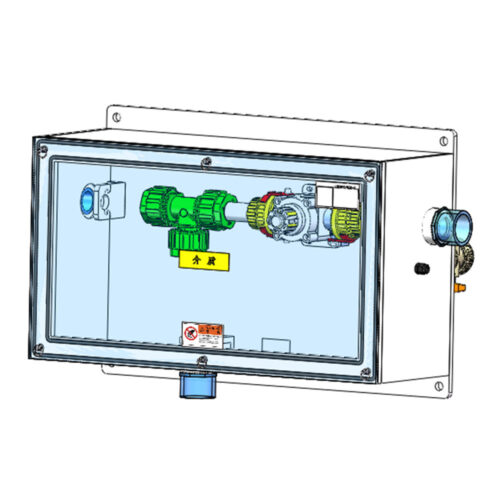
FT-BOX JW-FTB-C Valve Manifold Panels And Boxes With High Purity Configurable Systems
-
Ultra High Purity Gas Delivery Systems And Liquid Chemical Delivery Systems JW-300-LDS
-
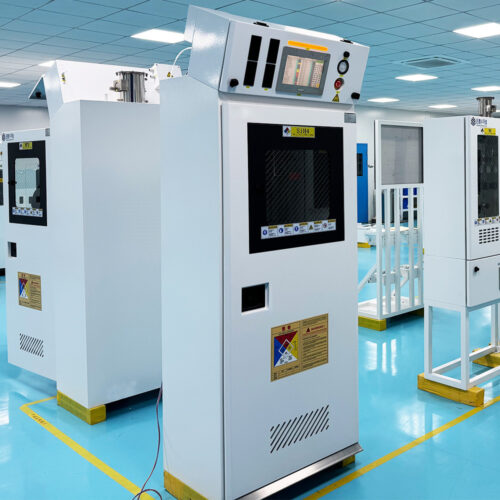
High-Efficiency Exhaust Gas Scrubber System for Semiconductor and Photovoltaic Hazardous Gas Abatement Solutions
-
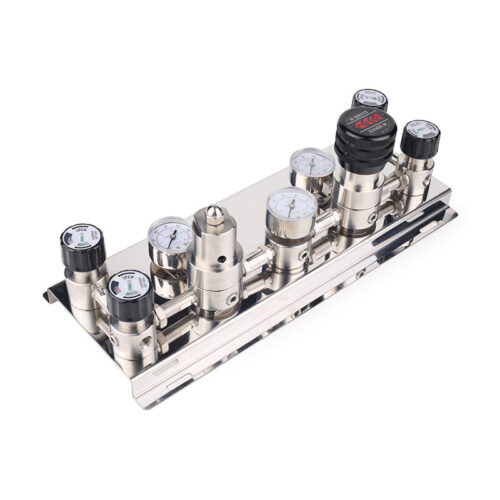
Stainless Steel High Pressure Specialty Gas Changeover Manifold For High Purity Oxygen Nitrogen Argon Helium Hydrogen Co2
-
768LN Stainless Steel Male Pipe Tube Butt Weld Connector And Tube Fittings Supplier
-
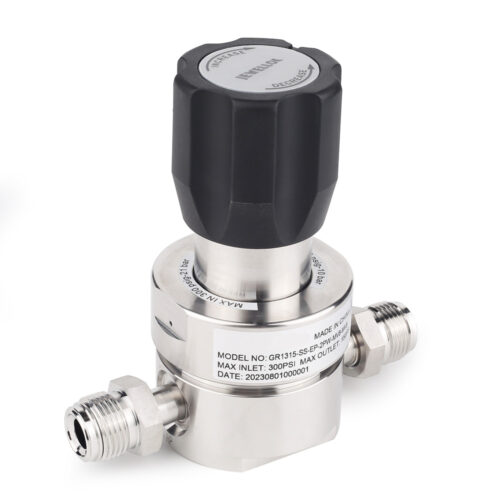
JR1300 Series Ultra High Purity Single Stage Regulator High Flow Line Regulator For Ultra High Purity Intermediate Flow