
Regulator Manufacturer Tel: +86 13380377051
Regulator Manufacturer Tel: +86 13380377051
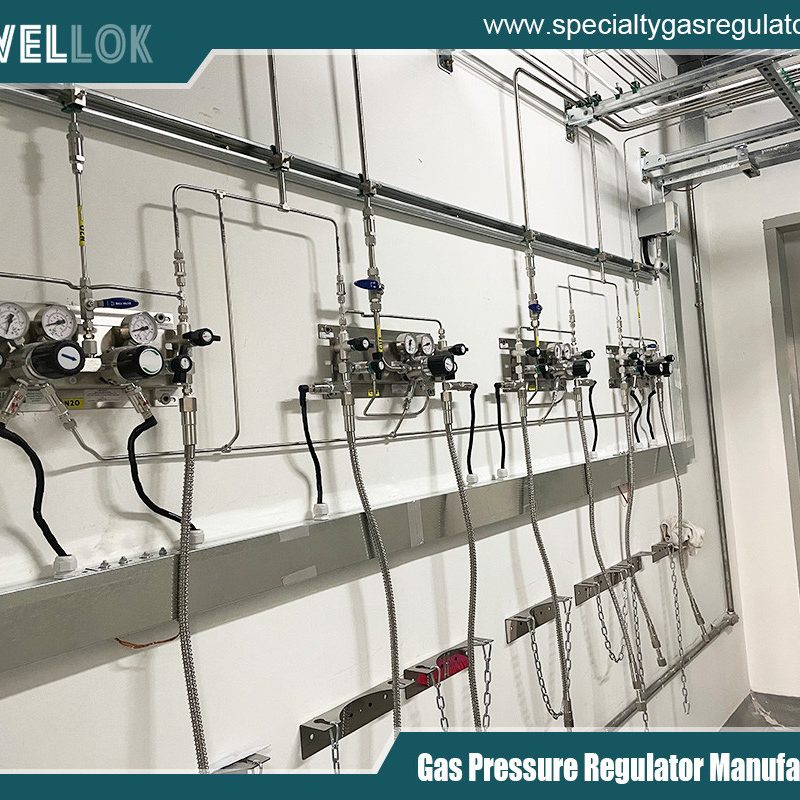
Difference between a Pressure Regulator and Pressure Relief Valve
In fluid systems, managing pressure is critical for ensuring safety, efficiency, and longevity of equipment. Two essential components that play pivotal roles in pressure control are the pressure regulator and the pressure relief valve. While both devices interact with pressure in pipelines, tanks, and machinery, they serve fundamentally different purposes. A pressure regulator maintains a consistent downstream pressure, adapting to fluctuations in upstream conditions to provide stable output. In contrast, a pressure relief valve acts as a safety mechanism, opening only when pressure exceeds a predetermined threshold to prevent system failure or hazards.
Understanding the differences between these devices is vital for engineers, technicians, and system designers in industries such as oil and gas, manufacturing, hydraulics, and pneumatics. Misapplying one for the other can lead to inefficiencies, equipment damage, or even catastrophic failures. This article delves into the operational principles, types, applications, and key distinctions between pressure regulators and pressure relief valves, highlighting their unique contributions to fluid system management.
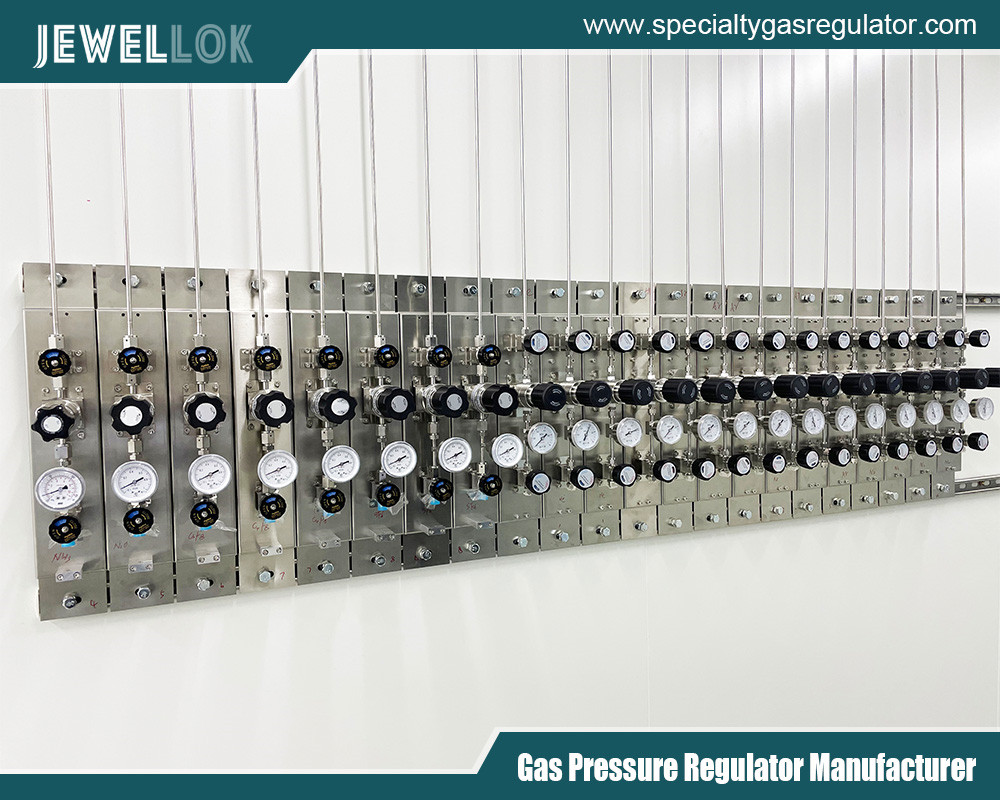
Understanding Pressure Regulators
A pressure regulator is a control valve designed to reduce and stabilize the pressure of a fluid or gas from a high-pressure source to a lower, consistent level suitable for downstream use. It operates on the principle of feedback control, where the device senses the output pressure and adjusts the flow accordingly to maintain the set point.
The basic components of a pressure regulator include an inlet port, outlet port, sensing element (such as a diaphragm or piston), a reference spring, and a restricting element (like a poppet or seat). When the inlet pressure is higher than the desired outlet pressure, the regulator throttles the flow by partially closing the restricting element. If the downstream pressure drops due to increased demand, the sensing element detects this change, compressing the spring and opening the valve wider to allow more flow. Conversely, if pressure rises, the valve closes slightly to restrict flow.
There are several types of pressure regulators, each suited to specific applications. Single-stage regulators provide basic pressure reduction but may not handle wide inlet pressure variations effectively. Multi-stage regulators, often used in high-precision scenarios like laboratory gas supplies, offer better stability by cascading multiple reduction stages. Pilot-operated regulators use a smaller pilot valve to control a larger main valve, ideal for high-flow or high-pressure systems. Additionally, dome-loaded regulators employ gas pressure in a dome chamber instead of a spring, allowing remote adjustment.
Applications of pressure regulators are widespread. In residential settings, they control natural gas pressure from utility lines to appliances like stoves and heaters. In industrial hydraulics, they ensure consistent pressure for actuators and motors, preventing erratic operation. In pneumatic systems, regulators maintain air pressure for tools and automation equipment. They are also crucial in medical oxygen delivery systems, where precise pressure control is necessary for patient safety.
One key advantage of pressure regulators is their ability to handle variable loads without manual intervention, making them essential for energy efficiency and process consistency. However, they require regular maintenance to prevent issues like diaphragm wear or contamination, which could lead to pressure creep or instability.
Understanding Pressure Relief Valves
A pressure relief valve (PRV), also known as a safety relief valve, is a protective device that automatically releases excess pressure from a system to prevent overpressurization. Unlike regulators, PRVs do not control ongoing pressure; they remain closed during normal operation and activate only in emergency conditions.
The working principle of a PRV involves a spring-loaded disc or poppet held against a seat by a calibrated spring. The spring force determines the set pressure, which is the point at which the valve begins to open. When system pressure exceeds this set point, it overcomes the spring force, lifting the disc and allowing fluid or gas to escape through a discharge port. Once pressure drops below the reseating pressure (typically 5-10% below the set point), the valve closes to reseal the system.
Types of PRVs vary based on design and application. Conventional spring-loaded valves are common in general industrial use. Balanced bellows valves compensate for backpressure in the discharge line, making them suitable for variable exhaust conditions. Pilot-operated PRVs use system pressure to assist in sealing and opening, offering tight shut-off and high capacity for large systems. Thermal relief valves, a subset, protect against pressure buildup due to thermal expansion in closed systems.
PRVs find applications in boilers, pressure vessels, compressors, and pipelines where overpressure could cause explosions or ruptures. For instance, in steam boilers, they prevent excessive buildup that might lead to structural failure. In hydraulic circuits, they safeguard pumps and cylinders from overload. Chemical processing plants use them to vent hazardous gases safely. Compliance with standards like ASME Section VIII for pressure vessels ensures PRVs are sized correctly, with capacity based on worst-case scenarios such as fire exposure or blocked outlets.
Maintenance of PRVs is crucial, involving periodic testing, calibration, and inspection to ensure they operate within specified tolerances. Failure to do so can result in “stuck” valves that fail to open or “chattering” that causes premature wear.
Key Differences Between Pressure Regulators and Pressure Relief Valves
While both devices deal with pressure, their functions, operations, and installations differ significantly.
Functionally, a pressure regulator actively controls and maintains a constant output pressure, making it a regulatory component in normal system operation. It adjusts continuously to input variations and demand changes. A PRV, however, is passive during routine use and serves solely as a safety device, intervening only when pressure becomes dangerously high to protect the system.
In terms of operation, regulators use feedback mechanisms to modulate flow proportionally, ensuring stability. They can handle a range of pressures without fully opening or closing. PRVs operate in a binary fashion: fully closed or popped open to full capacity, often with a rapid “blowdown” to quickly reduce pressure. This difference means regulators are designed for steady-state control, while PRVs are for transient overpressure events.
Installation positions also vary. Regulators are typically placed inline in the main flow path, downstream of the pressure source but upstream of the equipment they supply. PRVs are installed on vessels or lines where pressure buildup is possible, with discharge piped to a safe location like a flare or drain. Sizing for regulators focuses on flow rate and pressure drop, whereas PRV sizing emphasizes relief capacity to handle maximum anticipated overpressure.
Cost and complexity differ too. Basic regulators are often simpler and less expensive, integrated into everyday systems. PRVs, especially certified ones, may be more robust and costly due to safety-critical roles, requiring features like tamper-proof settings.
Despite these differences, the two devices can complement each other. In a compressed air system, a regulator might maintain tool pressure, while a PRV on the tank prevents overfilling. Selecting the right device depends on whether the goal is control or protection.
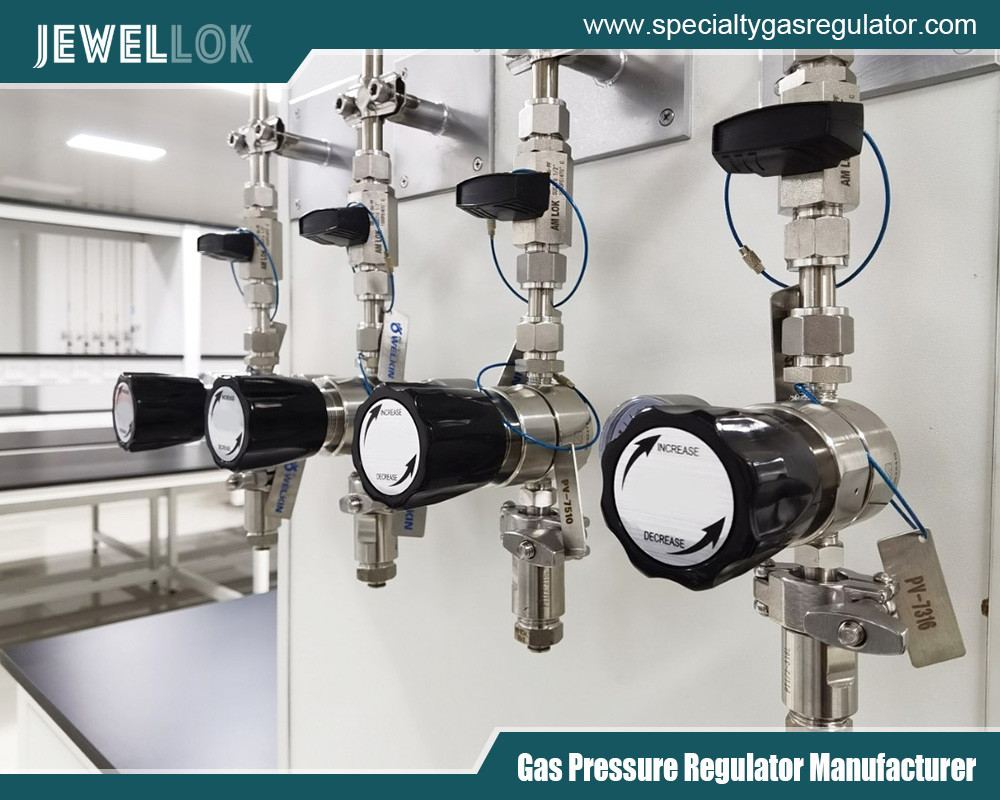
Conclusion
In summary, pressure regulators and pressure relief valves are indispensable in fluid systems but address distinct needs. Regulators ensure operational consistency by stabilizing pressure, whereas relief valves provide critical overpressure protection to avert disasters. Engineers must evaluate system requirements—such as flow dynamics, safety margins, and environmental factors—when choosing between them. Proper selection, installation, and maintenance enhance system reliability and safety. As industries evolve with advanced materials and automation, these devices continue to adapt, underscoring their enduring importance in engineering.
For more about the difference between a pressure regulator and pressure relief valve, you can pay a visit to Jewellok at https://www.specialtygasregulator.com/product/ for more info.
-
Long Gland LG Series For Ultra High Purity Gas And Chemical Delivery Systems
-
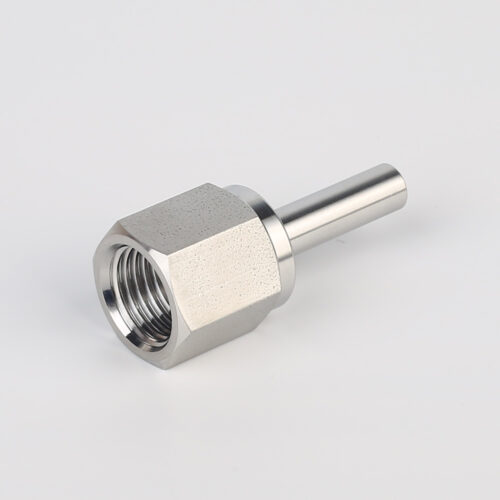
739LF High Purity Female Adapter Tube To Pipe Fittings And Connectors
-
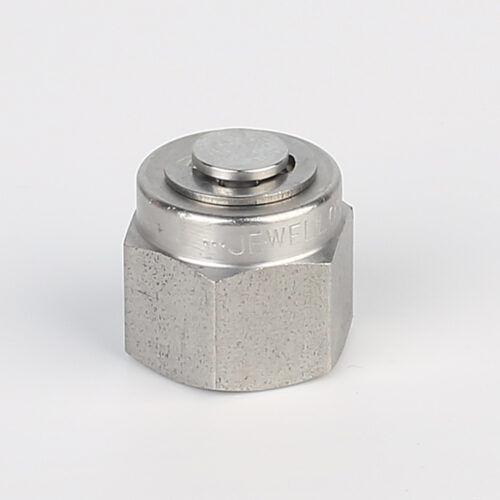
7121L Plug High Purity Plug Fitting And Blanking Plug
-
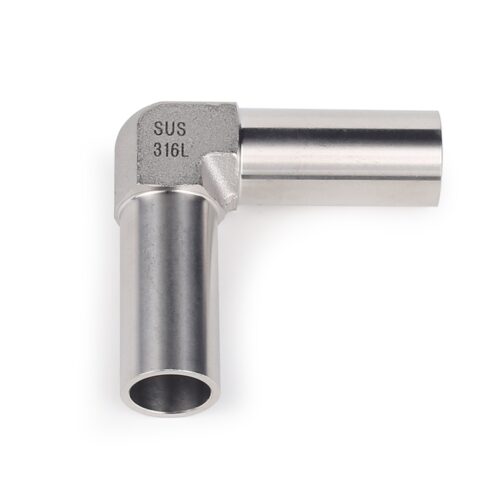
High Purity Stainless Steel Mini Tube Butt Weld Fittings For Semiconductor
-
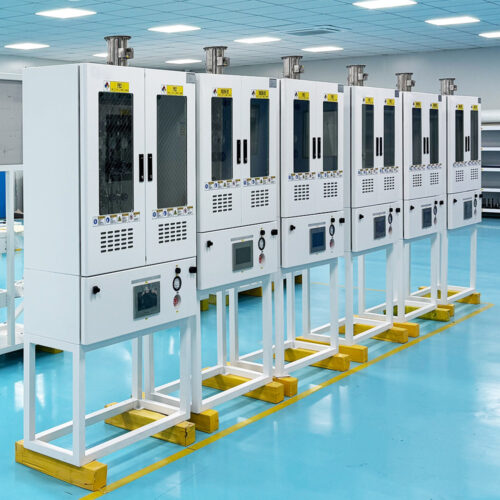
Custom Wet and Dry Exhaust Gas Scrubber System Technology for Effective Acid Gas Neutralization
-
VMB Valve Manifold Panels And Boxes High Purity Configurable Systems JW-200-VMB & JW-100-VMB
-
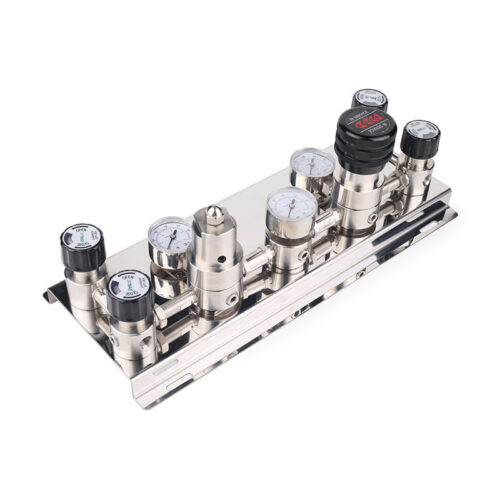
Stainless Steel High Pressure Specialty Gas Changeover Manifold For High Purity Oxygen Nitrogen Argon Helium Hydrogen Co2
-
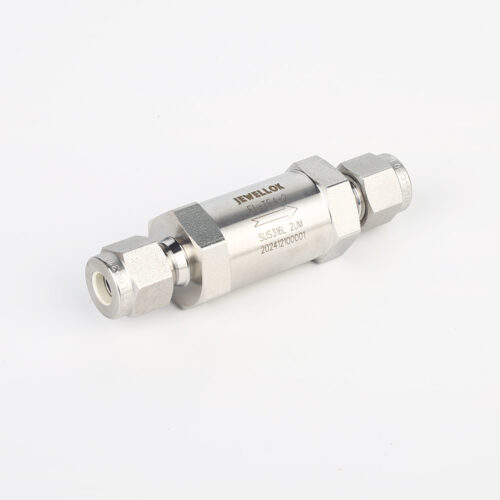
JF Series In-Line Gas Filters | High Purity High Precision High Flow Semiconductor Gas Filter Gas Filtration & Purification