
Regulator Manufacturer Tel: +86 13380377051
Regulator Manufacturer Tel: +86 13380377051

Types and Applications of Vacuum and Compressed Air Medical Gas Valves: A Complete Guide for Hospital Engineers & Procurement Managers
Medical gas systems – particularly vacuum and compressed air – are the silent lifelines of any modern healthcare facility. From operating theatres to ICUs, dental clinics to emergency rooms, these systems must operate with absolute reliability, zero contamination, and fail-safe precision. At the heart of these systems lie valves. Choosing the wrong valve type or material can lead to catastrophic pressure drops, cross-contamination, or even patient harm.
In this comprehensive guide, we break down the key types of vacuum and compressed air medical gas valves, their specific applications, compliance standards (NFPA 99, ISO 7396-1, HTM 02-01), and how to select the right valve for each zone. Plus, we’ll show you how to source certified, high-performance valves for your next project.
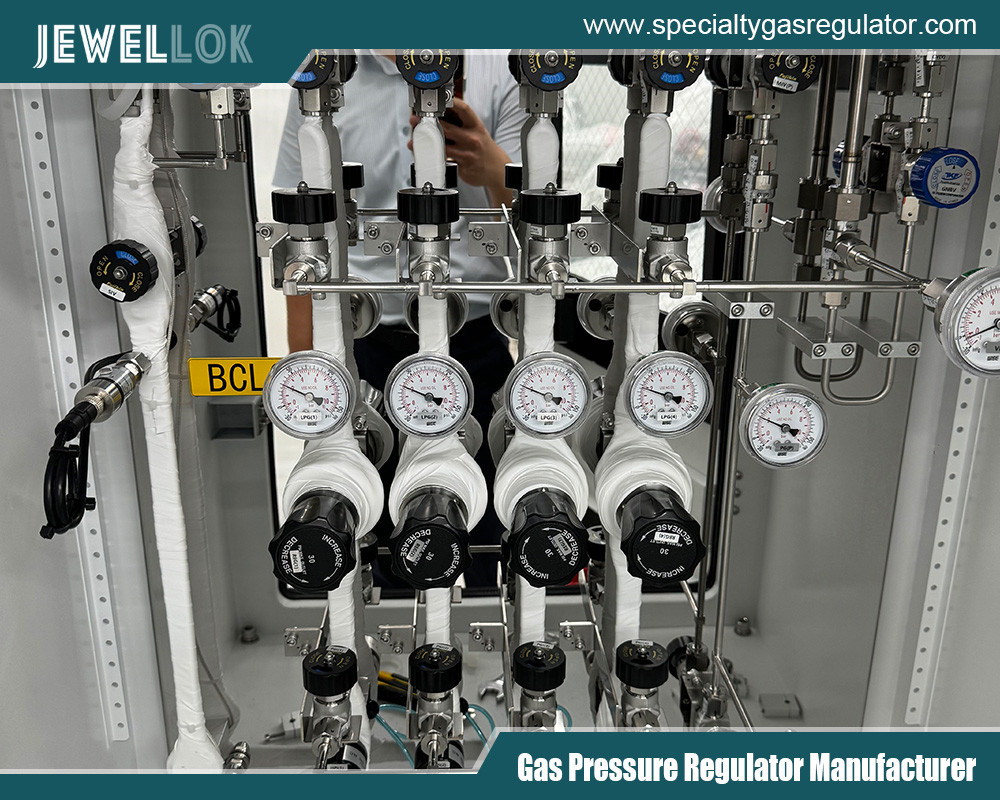
Why Medical Gas Valves Are Not “Ordinary” Valves
Unlike industrial pneumatics or plumbing systems, medical gas valves must meet stringent requirements:
-
Zero leakage (both internal and external) – typically less than 1 x 10⁻⁶ mbar·l/s for helium.
-
Oil-free & particulate-free operation – especially for compressed air (medical air) that comes into contact with patients.
-
Biocompatible materials – no copper, zinc, or cadmium that could corrode or release toxic compounds.
-
Color-coded & indexed – quick identification (e.g., white for medical air, yellow for vacuum).
-
Rigorous cleaning – degreased and packaged for oxygen service.
Both medical vacuum (used for surgical suction, waste gas removal) and medical compressed air (for ventilators, incubators, surgical tools) rely on valves that can handle continuous cycling, sterilization chemicals, and often 24/7 operation.
Let’s explore the valve types that dominate these systems.
1. Ball Valves – The Workhorse for Isolation & Shut-Off
Ball valves are the most common shut-off valves in medical gas distribution. A perforated ball rotates 90° to start or stop flow. For medical vacuum and compressed air, full-port, two-piece or three-piece ball valves are preferred.
Key Features for Medical Use:
-
Stem blowout-proof design – prevents accidental dislodgement under pressure.
-
PTFE seats & seals – low friction, compatible with medical gases, and resistant to vacuum collapse.
-
Stainless steel 316 or brass (with nickel-chrome plating for oxygen service).
-
Lockable handle – mandatory for zone shut-off valves (NFPA 99 requires lockable or captive-key designs).
Applications:
-
Zone isolation valves – at each floor or ward to shut down gas supply for maintenance without affecting the whole hospital.
-
Source equipment shut-off – at vacuum pumps and air compressors.
-
Manifold changeover valves – switching between primary and reserve cylinder banks.
Vacuum-specific note: Ball valves for vacuum must avoid “virtual leaks” – trapped spaces that can outgas and degrade ultimate vacuum level. Use two-piece design with smooth bore.
Best for: Branch isolation, emergency shut-down, and maintenance access points.
2. Diaphragm Valves – For Sterile & High-Purity Applications
Diaphragm valves use a flexible diaphragm (PTFE, EPDM, or FKM) pressed against a weir to seal flow. They are inherently leak-tight to atmosphere and have no packing gland, making them ideal for contamination-sensitive medical air.
Why Choose Diaphragm Valves:
-
No stem seals – eliminates a common leak path.
-
Smooth flow path – no stagnant zones where bacteria or moisture can accumulate.
-
Excellent for both vacuum and pressure – from full vacuum to 200+ psi.
-
Easy to clean and sterilize – often used in dental vacuum lines.
Applications:
-
Medical air outlets – downstream of filters to ensure final air purity.
-
Vacuum regulator isolation – in surgical suction units.
-
Laboratory gas panels – where multiple gases are connected to analyzers.
Pro tip: For vacuum service, choose a weir-type diaphragm valve rather than straight-through – it provides better sealing under negative pressure.
Best for: High-purity medical air (NFPA 99 Type I) and laboratory vacuum systems.
3. Check Valves (One-Way Valves) – Preventing Backflow
Backflow in a medical gas system is a nightmare. Vacuum lines can draw contaminants from one patient room to another. Compressed air lines, if depressurized, could siphon fluids. Check valves solve this by allowing flow in only one direction.
Common Types:
-
Spring-loaded poppet check – quick response, low cracking pressure (0.5–2 psi). Suitable for both air and vacuum.
-
Swing check – not recommended for vacuum because disc may not seat properly under low pressure.
-
Dual-plate check – compact, low pressure drop, good for vacuum.
Medical-Specific Features:
-
Silicon-free elastomers – to avoid contamination of respiratory gases.
-
Cracking pressure as low as 0.2 psi – critical for vacuum systems where pressure differential is minimal.
-
In-line or cartridge style – easy replacement without cutting pipes.
Applications:
-
At vacuum pump inlets – prevent backflow of oil or water if pump stops.
-
At air compressor outlets – stop compressed air from bleeding back into unloaded compressor.
-
Between zone supply risers – isolate sections while maintaining one-way flow.
-
Suction canister connections – protect hospital vacuum system from patient effluents.
Compliance note: NFPA 99 (2021 edition) requires a check valve at each medical vacuum pump discharge and at each outlet of a medical air compressor that feeds a common header.
Best for: Backflow prevention, patient safety, and multi-source manifolds.
4. Solenoid Valves – Automated Control for Alarms & Sequencing
When medical gas systems need remote or automatic operation, solenoid valves (electrically actuated) come into play. They are typically normally closed (NC) or normally open (NO) , actuated by a 24V DC or 120V AC signal.
Critical Requirements:
-
Duty cycle – continuous-duty rated for alarm systems.
-
Low wattage (under 10W) – to run on backup batteries.
-
Manual override – essential for testing and emergency manual operation.
-
Silent operation – no loud clicking in patient areas.
Applications in Medical Gas:
-
Alarm trigger valves – shut off gas to a zone when pressure drops below a setpoint.
-
Sequencing valves – for alternating lead/lag vacuum pumps or compressors.
-
Remote shut-off from nurse call systems.
-
Medical air dryer drain valves – automatically purging condensate.
Vacuum special case: Use direct-acting solenoid valves (not pilot-operated) for vacuum – they work without differential pressure. Pilot-operated valves may fail to open under deep vacuum.
Best for: Automation, SCADA integration, and emergency shutdown systems.
5. Needle Valves – Fine Flow Control for Calibration
Needle valves provide precise, adjustable flow restriction – essential for calibration points, bypass lines, and reference gas connections.
Key Features:
-
Fine-thread stem – gradual adjustment (up to 10 turns from closed to full open).
-
Metal-to-metal or soft seat – metal seats are vacuum-compatible but may leak slightly; soft seats (PTFE) give bubble-tight shutoff.
-
Panel-mount available – for gas testing panels.
Applications:
-
Vacuum gauge isolation – slowly admit vacuum to avoid shocking the gauge.
-
Bypass lines around regulators – for controlled pressure rise.
-
Medical air sampling ports – to bleed a small flow to a gas analyzer.
-
Adjusting suction level at surgical vacuum regulators (though most use orifice-based regulators now).
Note: Needle valves should never be used as shut-off valves because they can be inadvertently closed completely, and their orifices are too small for high flow.
Best for: Laboratory test points, calibration panels, and fine adjustment of vacuum levels.
6. Angle Valves – Space-Saving Wall Outlet Shut-Offs
In many older hospital designs, individual room outlets (for medical air or vacuum) have an angle valve just behind the wall plate. These are compact valves that change flow direction by 90°.
Advantages:
-
Low profile – fits into 2″x4″ wall boxes.
-
Integral check valve – often combined with a spring-loaded poppet.
-
Easy to operate with a quarter-turn handle or push-pull knob.
Applications:
-
Behind medical gas outlets (DISS or Ohmeda style) – to isolate a single bed space.
-
Dental chair vacuum connections – compact and corrosion-resistant.
Modern trend: Many new hospitals are replacing individual angle valves with a single zone ball valve outside the room, plus a non-serviceable outlet. Reason: less maintenance, fewer leak points.
Best for: Renovations, tight spaces, and individual room isolation where code allows.
Materials & Compatibility – What You Must Know
| Valve Component | Recommended Material | Avoid |
|---|---|---|
| Body | 316L stainless steel, brass (nickel-plated for O2) | Cast iron, unplated brass |
| Seals | PTFE, EPDM, FKM (Viton®) | Natural rubber, Buna-N (outgasses) |
| Ball/disc | 316 SS, chrome-plated brass | Aluminum, copper alloys |
| Stem | 17-4 PH SS, 316 SS | Carbon steel |
| Lubricant | Perfluoropolyether (PFPE) – Krytox® type | Hydrocarbon greases |
Critical for vacuum: Avoid any elastomers with high outgassing rates (e.g., silicone rubber). PTFE and FKM are preferred.
Standards & Codes That Dictate Valve Selection
Any valve installed in a medical gas system (in the US, UK, EU, or Middle East) must meet:
-
NFPA 99 (Health Care Facilities Code) – governs zone valves, alarms, and materials.
-
ISO 7396-1 – Medical gas pipeline systems – Part 1: Pipelines for medical gases and vacuum.
-
HTM 02-01 (UK) – Detailed requirements for valve labeling, testing, and installation.
-
AS 2896 (Australia) – Medical gas systems – Valves.
-
CSA Z7396.1 (Canada) – Similar to ISO.
Key mandatory valve features:
-
All shut-off valves must be lockable in the open or closed position.
-
Zone valves must be accessible, identified with permanent signage, and located outside the zone they control (except in ICU/OR where inside is allowed with special precautions).
-
Each outlet station must have a check valve integrated (either in the outlet or immediately downstream).
Common Installation Mistakes & How to Avoid Them
Even with the right valve type, poor installation leads to failures:
| Mistake | Consequence | Solution |
|---|---|---|
| Using oil-lubricated valves | Contaminates medical air – can cause lipoid pneumonia | Specify “oxygen cleaned” and “oil-free assembly” |
| Over-tightening ball valve stems | Deforms PTFE seats – causes leaks | Use torque wrench; follow manufacturer spec |
| Installing swing check in vacuum | Disc never seats; vacuum fails | Use spring-loaded poppet check |
| Mixing brass and stainless steel in wet vacuum | Galvanic corrosion | Use dielectric unions or same material |
| No bypass around pressure reducing valves | Impossible to service without shutdown | Install parallel ball valve with blind flange |
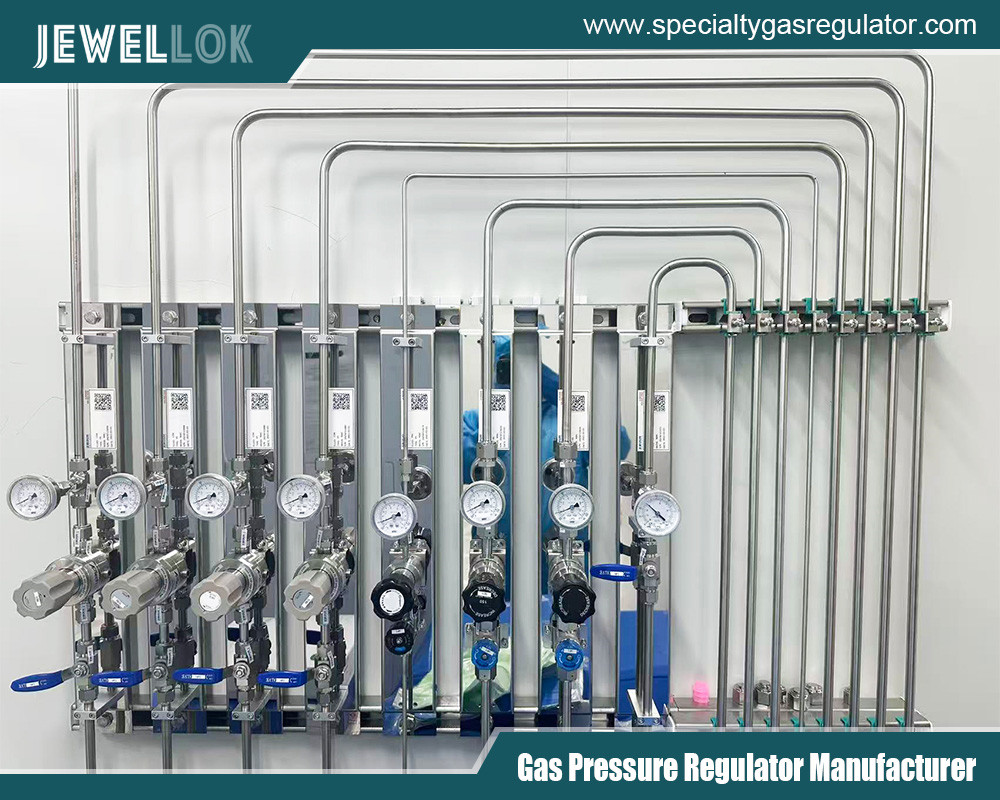
How to Source the Right Medical Gas Valves – And Get a Quote Fast
Choosing the correct vacuum and compressed air medical gas valves is only half the battle. You need a supplier who offers:
-
Full certification packages – material test reports (MTRs), cleaning certificates, pressure test reports.
-
Short lead times – emergency hospital upgrades cannot wait 12 weeks.
-
Technical support – sizing assistance for Cv (flow coefficient) and vacuum conductance.
-
Global compliance – valves stamped with CE, ISO, or UL for NFPA.
At MedGas Valve Solutions, we stock over 500 configurations of medical-grade ball, diaphragm, check, solenoid, needle, and angle valves – all assembled in ISO 7 cleanrooms, individually pressure-tested and vacuum-baked.
Our Most Requested Valves:
-
3-piece 316SS ball valve, 1/2” to 2”, lockable handle, PTFE seats – Model MGV-BV300
-
Sanitary diaphragm valve, weir-type, EPDM diaphragm – Model MGV-DV200 (for medical air)
-
Ultra-low cracking pressure check valve (0.2 psi), spring-loaded, O2 clean – Model MGV-CV70
-
Direct-acting NC solenoid valve, 24V DC, manual override – Model MGV-SV50
For more about types and applications of vacuum and compressed air medical gas valves: a complete guide for hospital engineers & procurement managers, you can pay a visit to Jewellok at https://www.specialtygasregulator.com/product-category/specialty-gas-cabinet/ for more info.
-
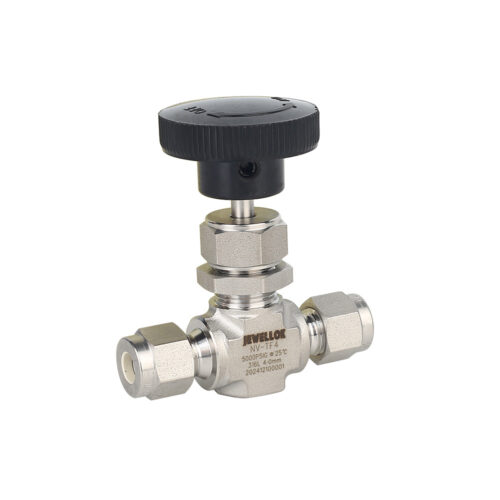
High Purity High Pressure Stainless Steel Needle Valve Natural Gas Flow Control Valve JNV Series
-
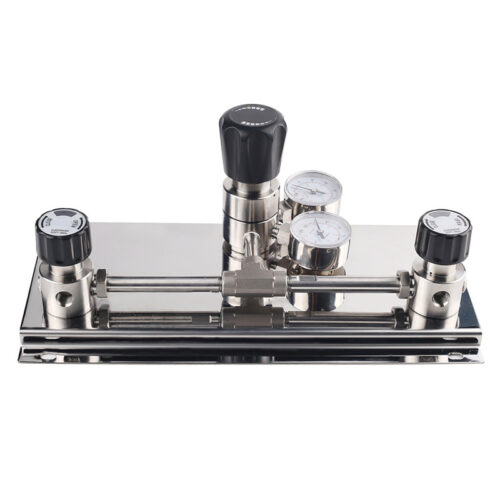
Semi Automatic Oxygen Nitrogen Helium Argon Gas Changeover Manifold Manual Gas Changeover Manifold Panel For Gas Cylinders
-
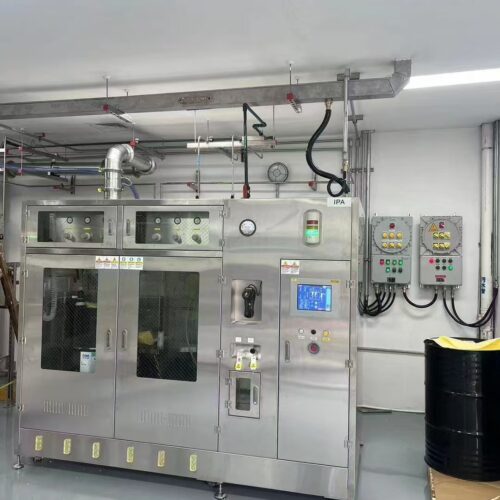
Ultra High Purity CDS Solutions Featuring 316L Electropolished Stainless Steel for Superior Chemical Integrity and Safety
-
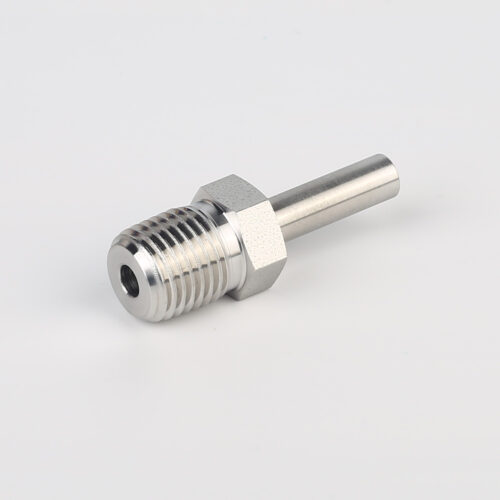
739 High Purity LMR Male Adapter Tube To Pipe Fittings And Adapters
-
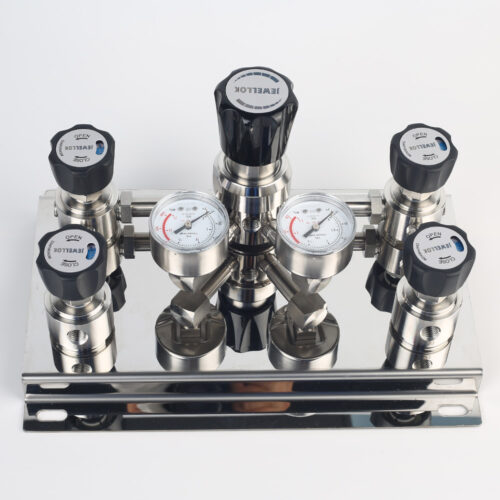
Single Stage Wall And Cabinet Mounting Pressure Control Panels JSP-2E Series For High Purity Gases
-
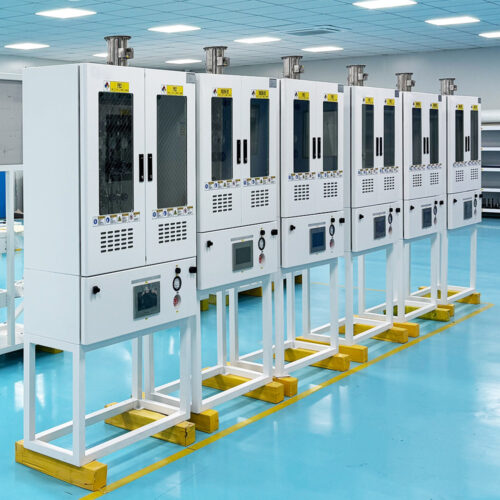
Ultra High Purity Diaphragm Valves and Pressure Regulators for Reliable Ultra High Purity Liquid Chemical Handling Systems
-
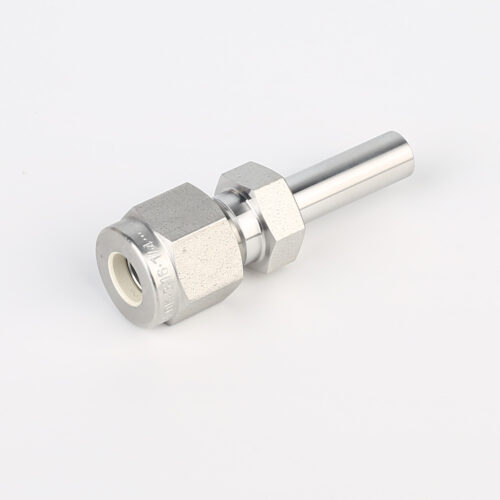
767LT Reducer Pressure Reducing Valve Adjustment High purity Pressure Reducing Union Fittings And Tubing
-
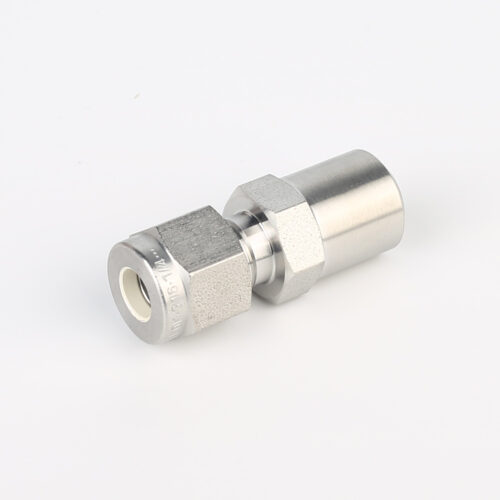
768LN Stainless Steel Male Pipe Tube Butt Weld Connector And Tube Fittings Supplier