
Regulator Manufacturer Tel: +86 13380377051
Regulator Manufacturer Tel: +86 13380377051

Reliable Pressure Control Panels for High Purity Gas Delivery Systems
In advanced semiconductor manufacturing, pharmaceutical production, biotechnology, analytical laboratories, and specialty chemical processing, high purity gas delivery systems are essential infrastructure. Among the most critical components within these systems are pressure control panels, which ensure stable, safe, and contamination-free gas distribution. Reliable pressure control panels are not simply pressure reduction devices; they are engineered assemblies designed to maintain precise gas flow, protect process integrity, and support ultra-clean operational environments.
As industries continue moving toward tighter process tolerances and higher purity standards, the performance requirements for pressure control technology have become increasingly demanding. This article explores the design principles, technical requirements, key components, and application advantages of reliable pressure control panels for high purity gas delivery systems.
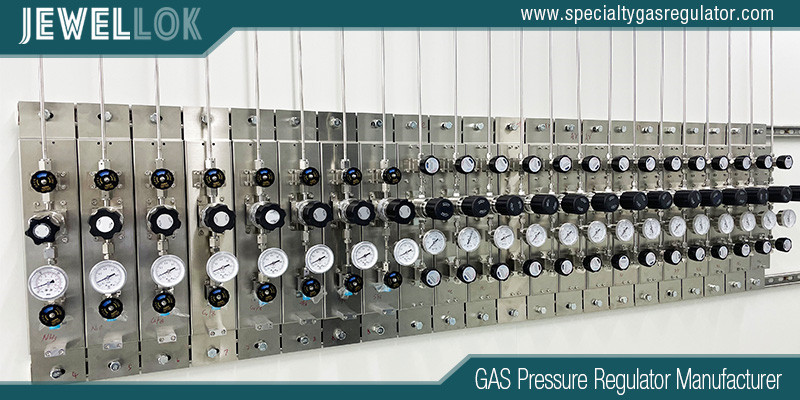
Understanding High Purity Gas Delivery Systems
A high purity gas delivery system is designed to transport process gases from a source cylinder, bulk supply, or gas cabinet to the point of use without introducing contamination, pressure instability, or flow irregularities.
These systems commonly deliver gases such as:
- Nitrogen (N₂)
- Argon (Ar)
- Helium (He)
- Hydrogen (H₂)
- Oxygen (O₂)
- Specialty calibration gases
- Corrosive and toxic process gases
- Ultra-high purity (UHP) semiconductor gases
In industries like semiconductor fabrication, even trace contamination measured in parts per billion (ppb) can significantly impact product yield, device performance, or manufacturing reliability. Therefore, every component inside the gas delivery line must meet strict standards for cleanliness, leak integrity, material compatibility, and pressure control precision.
Pressure control panels serve as the operational core of this system.
What Is a Pressure Control Panel?
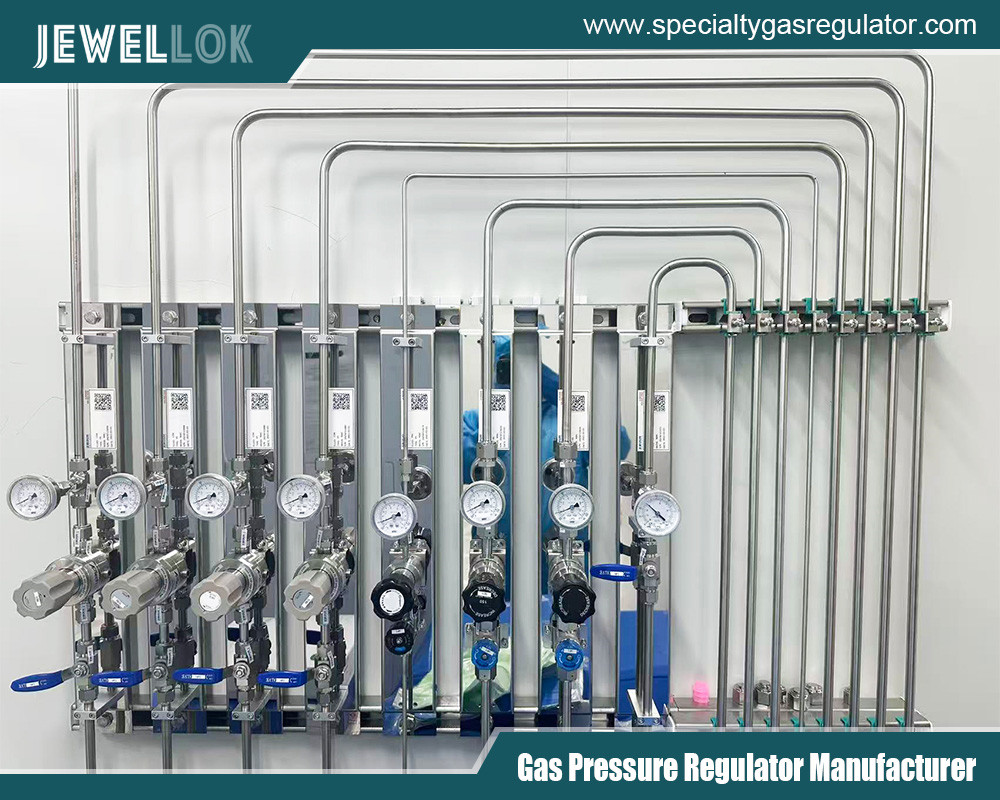
A pressure control panel is an integrated gas management assembly responsible for regulating, monitoring, and controlling gas pressure between the supply source and downstream process equipment.
Unlike a standalone pressure regulator, a fully engineered pressure control panel combines multiple components into a unified, process-ready solution.
Typical components include:
- Pressure regulators
- Isolation valves
- Pressure gauges or transducers
- Relief valves
- Purge valves
- Filters
- Flow control devices
- Tubing manifolds
- Mounting brackets
- Instrumentation interfaces
The primary objective is to provide stable outlet pressure, reliable system isolation, and safe operational control under varying inlet conditions.
For high purity applications, pressure control panels must additionally minimize dead volume, prevent particle generation, and maintain ultra-clean internal surfaces.
Critical Design Requirements for Reliable Pressure Control Panels
Reliable performance in high purity gas applications depends heavily on design quality. Several technical factors determine whether a pressure control panel can consistently meet operational requirements.
1. High Purity Material Selection
Material compatibility is one of the most important engineering considerations.
High purity gas systems commonly use:
- 316L stainless steel
- Electropolished stainless steel
- Hastelloy alloys for corrosive gases
- Nickel-based alloys for specialty applications
Among these materials, 316L stainless steel remains the industry standard because of its excellent corrosion resistance, weldability, and low outgassing characteristics.
For ultra-high purity systems, internal wetted surfaces are often manufactured with:
- Surface roughness below 10 Ra µin
- Electropolished finish
- Controlled passivation treatment
These surface treatments reduce particle shedding, moisture retention, and chemical adsorption.
Material traceability and mill certifications are also important for quality assurance and regulatory compliance.
2. Precision Pressure Regulation Performance
Pressure fluctuations can directly influence process stability.
A reliable pressure control panel must provide:
- Tight pressure control accuracy
- Fast response characteristics
- Minimal pressure droop
- Stable flow performance
- Low hysteresis behavior
Single-stage regulators may be suitable for applications with relatively constant inlet conditions.
However, dual-stage pressure regulation systems are frequently preferred in high purity environments because they provide superior outlet pressure stability even as cylinder pressure decreases during consumption.
Key performance parameters typically evaluated include:
- Maximum inlet pressure rating
- Outlet pressure adjustment range
- Cv flow coefficient
- Pressure sensitivity
- Repeatability
- Lock-up performance
Proper regulator sizing is essential to avoid pressure instability, excessive pressure drop, or inadequate flow delivery.
3. Leak Integrity and Contamination Control
Leak prevention is a fundamental requirement in high purity gas handling.
Even microscopic leakage can create serious problems, including:
- Process contamination
- Hazardous gas release
- Pressure instability
- Reduced operational efficiency
- Safety risks
High purity pressure control panels typically employ:
- Orbital welded connections
- VCR face seal fittings
- Diaphragm-sealed valves
- Helium leak-tested assemblies
Industry-standard leak testing often requires performance better than:
1 × 10⁻⁹ atm·cc/sec helium leak rate
This stringent standard ensures reliable containment of ultra-pure, toxic, flammable, or reactive gases.
Dead-leg reduction is another important contamination control strategy. Minimizing trapped volumes lowers the risk of particle accumulation, moisture retention, and gas stagnation.
4. Compact and Modular Engineering Design
Modern manufacturing environments frequently operate under severe space constraints.
Reliable pressure control panels should therefore feature compact, modular construction.
Advantages of modular engineering include:
- Reduced installation footprint
- Simplified maintenance access
- Faster component replacement
- Flexible process customization
- Easier future system expansion
Modular panel architecture enables manufacturers to configure systems for various operational requirements without redesigning the entire gas distribution platform.
Customization options often include:
- Single-cylinder configurations
- Dual-cylinder switchover systems
- Automatic changeover panels
- Multi-line manifold panels
- Specialty gas control assemblies
Key Components of High Purity Pressure Control Panels
The performance of a pressure control panel depends on the quality and integration of its core components.
Pressure Regulators
Pressure regulators are the heart of the control panel.
Their role is to reduce high source pressure to a controlled, usable downstream pressure.
High purity regulators generally utilize:
- Metal diaphragm construction
- Low internal volume
- High sensitivity design
- Clean-room manufacturing processes
Regulator design directly influences system responsiveness and outlet stability.
Diaphragm Valves
Diaphragm valves are widely used in UHP gas delivery systems due to their superior cleanliness and sealing performance.
Key benefits include:
- Minimal particle generation
- Reduced internal dead space
- Excellent cycle durability
- High leak-tightness performance
These valves are commonly used for:
- Line isolation
- Purging operations
- Emergency shutdown functions
- Flow path switching
Pressure Monitoring Instruments
Reliable monitoring improves process visibility and operational safety.
Pressure control panels often integrate:
- Analog pressure gauges
- Digital pressure transducers
- Remote monitoring sensors
- PLC communication interfaces
Digital instrumentation supports modern smart manufacturing environments by enabling:
- Real-time diagnostics
- Predictive maintenance
- Automated alarm management
- Process data logging
Safety Relief Devices
Pressure overrun conditions can damage equipment and endanger personnel.
Safety relief devices help protect both the system and downstream process tools.
Typical protection components include:
- Relief valves
- Burst disks
- Excess flow shutoff devices
Correct safety device sizing must consider:
- Gas properties
- Operating pressure
- System volume
- Maximum credible failure scenarios
Applications Across High Purity Industries
Reliable pressure control panels support numerous high-performance industrial sectors.
Semiconductor Manufacturing
Semiconductor fabrication facilities rely extensively on high purity gas delivery infrastructure.
Applications include:
- Chemical vapor deposition (CVD)
- Atomic layer deposition (ALD)
- Dry etching
- Ion implantation
- Metrology systems
Precise pressure control is essential for maintaining repeatable process conditions and maximizing wafer yield.
Any contamination event can lead to significant production losses.
Pharmaceutical and Biotechnology Production
Biopharmaceutical facilities use high purity gases for:
- Fermentation systems
- Sterile processing
- Packaging operations
- Analytical instrumentation
- Laboratory environments
Pressure control panels help maintain controlled process conditions while meeting stringent regulatory requirements.
Cleanability and material traceability are especially important in regulated manufacturing environments.
Analytical Laboratories
Analytical instruments require stable gas supplies to ensure accurate measurement performance.
Typical laboratory applications include:
- Gas chromatography
- Mass spectrometry
- ICP analysis
- Environmental monitoring
- Calibration systems
Pressure instability can negatively affect analytical repeatability and instrument sensitivity.
Specialty Chemical Processing
Specialty chemical facilities often handle aggressive, corrosive, or reactive gases.
Reliable pressure control panels provide:
- Safe containment
- Corrosion-resistant operation
- Controlled pressure reduction
- Hazard mitigation
Material compatibility becomes especially important in these demanding process environments.
The Importance of Clean Manufacturing and Quality Assurance
Even a well-designed panel can fail to meet performance requirements if manufacturing quality is inadequate.
Reliable pressure control panel production should include:
- Clean-room assembly
- Precision orbital welding
- Controlled cleaning procedures
- High purity packaging
- Documentation traceability
Standard cleaning methods may involve:
- Degreasing
- Ultrasonic cleaning
- DI water rinsing
- Clean dry nitrogen drying
- Particle inspection
Quality assurance testing typically includes:
- Pressure testing
- Functional validation
- Helium leak testing
- Flow verification
- Dimensional inspection
Manufacturers serving semiconductor and ultra-clean industries often implement rigorous production standards to maintain product consistency.
Automation Trends in Pressure Control Technology
Industrial gas delivery systems are evolving toward greater intelligence and automation.
Advanced pressure control panels increasingly incorporate:
- Electronic pressure controllers
- Digital communication protocols
- Integrated sensors
- Remote diagnostic capabilities
- IoT-enabled monitoring platforms
These technologies support Industry 4.0 manufacturing strategies by improving operational visibility and reducing manual intervention.
Benefits include:
- Reduced downtime
- Improved maintenance planning
- Faster fault detection
- Enhanced process optimization
- Increased production efficiency
Digital integration is expected to play an increasingly important role in future high purity gas management systems.
Choosing the Right Pressure Control Panel Supplier
Selecting an appropriate supplier is a critical procurement decision.
Important evaluation criteria include:
Engineering Expertise
Suppliers should possess strong knowledge of:
- Gas handling technology
- Pressure regulation principles
- Material compatibility
- High purity system design
Manufacturing Capability
Look for providers with capabilities such as:
- Clean assembly environments
- Orbital welding expertise
- Precision fabrication
- Comprehensive testing procedures
Customization Support
Every application has unique process requirements.
An experienced supplier should offer:
- Custom pressure ranges
- Configurable layouts
- Material selection options
- Specialized instrumentation integration
Compliance and Documentation
Technical documentation often required includes:
- Material certificates
- Leak test reports
- Pressure test records
- Cleaning certifications
- Quality inspection documentation
Reliable documentation supports customer validation and regulatory audits.
Conclusion
Reliable pressure control panels are essential building blocks of modern high purity gas delivery systems. Their role extends far beyond simple pressure reduction. They ensure stable gas distribution, contamination control, process safety, and operational consistency across demanding industrial environments.
Successful pressure control panel design requires careful attention to material selection, leak integrity, regulator performance, cleanliness standards, and system integration. As industries such as semiconductors, pharmaceuticals, laboratories, and specialty chemicals continue advancing toward higher precision manufacturing, the demand for dependable, ultra-clean pressure control technology will only increase.
Organizations seeking long-term process reliability should prioritize engineered pressure control panels built with high purity materials, precision regulation technology, and rigorous quality assurance practices. By investing in reliable pressure control solutions, manufacturers can improve productivity, reduce contamination risks, and support the next generation of advanced industrial processing.
For more about reliable pressure control panels for high purity gas delivery systems, you can pay a visit to Jewellok at https://www.specialtygasregulator.com/product-category/specialty-gas-cabinet/ for more info.
-
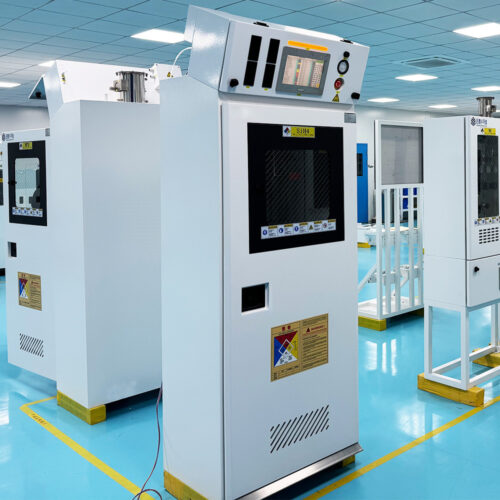
Advanced Exhaust Gas Scrubber System Design for 99% Removal Efficiency of Industrial Toxic Gases
-
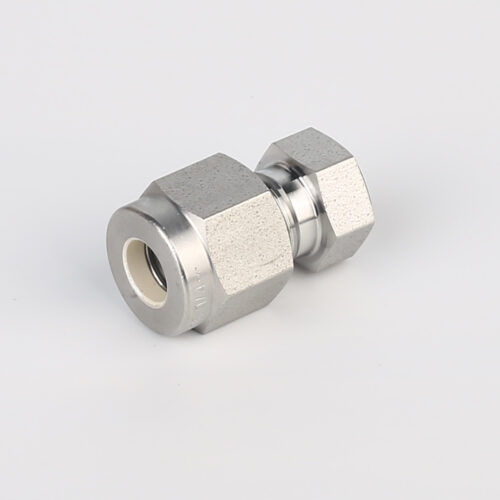
7108L Cylinder Cap Connectors For Ultra High Purity Gases
-
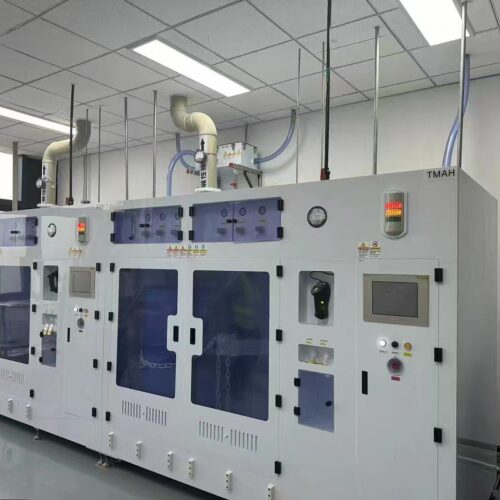
Automated Bulk Chemical Delivery System with Ultra High Purity CDU for Precise Industrial Fluid Control
-
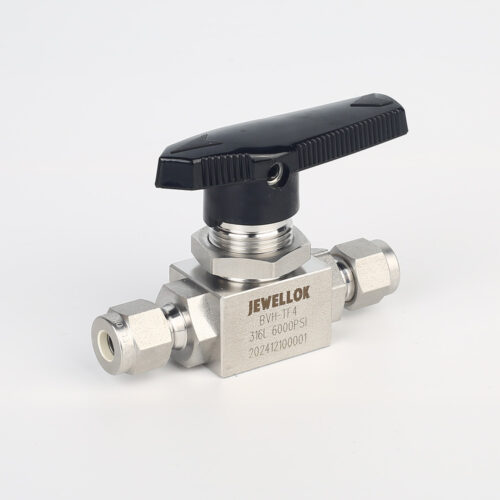
High Purity High Pressure 316 Stainless Steel Ball Valves JBV1 Series From High Pressure Ball Valve Manufacturer And Supplier In China
-
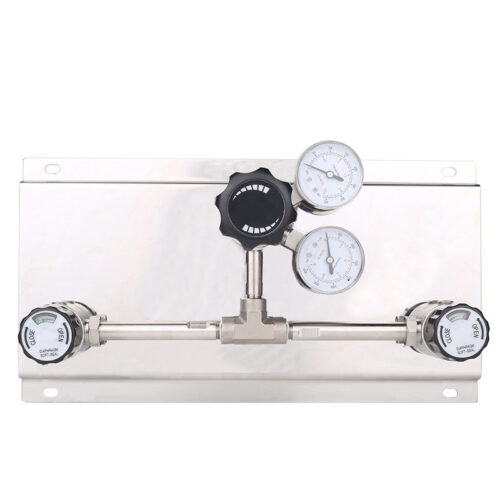
High Pressure High Flow Specialty Gas Control Panel With Diaphragm Valve , 3000Psig Oxygen Control Medical Changeover Manifold Panel
-
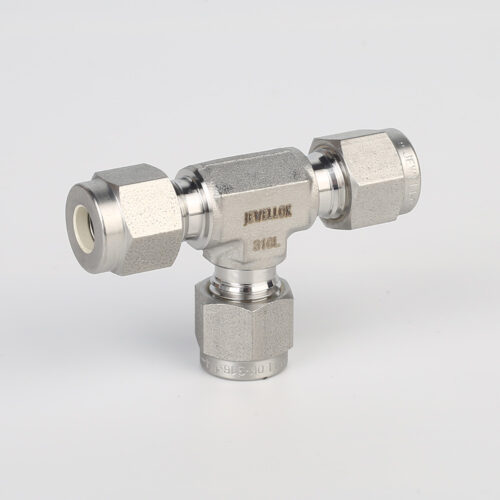
764L Stainless Steel Union Tee High Purity Fitting Union Tee Reducing Tubing Connection
-
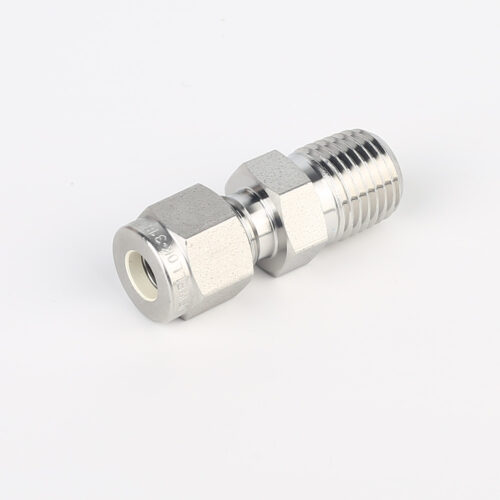
768L Stainless Steel Male Tube Butt Weld Connector | Clean Weld Fittings And Ultra-High Purity Fittings
-
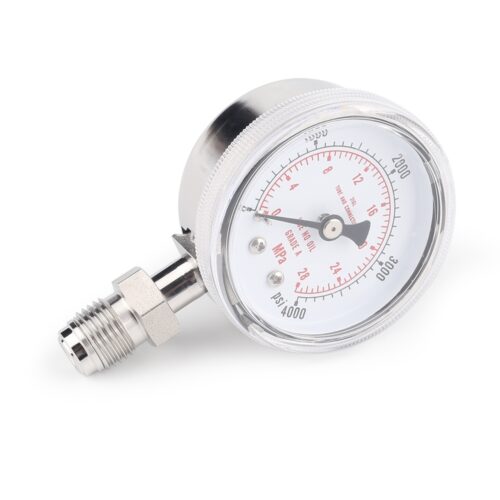
Ultra High Purity Oxygen Pressure Gauge For Semiconductor Gases JG Series Pressure Instruments For Semiconductor Manufacturing