
Regulator Manufacturer Tel: +86 13380377051
Regulator Manufacturer Tel: +86 13380377051
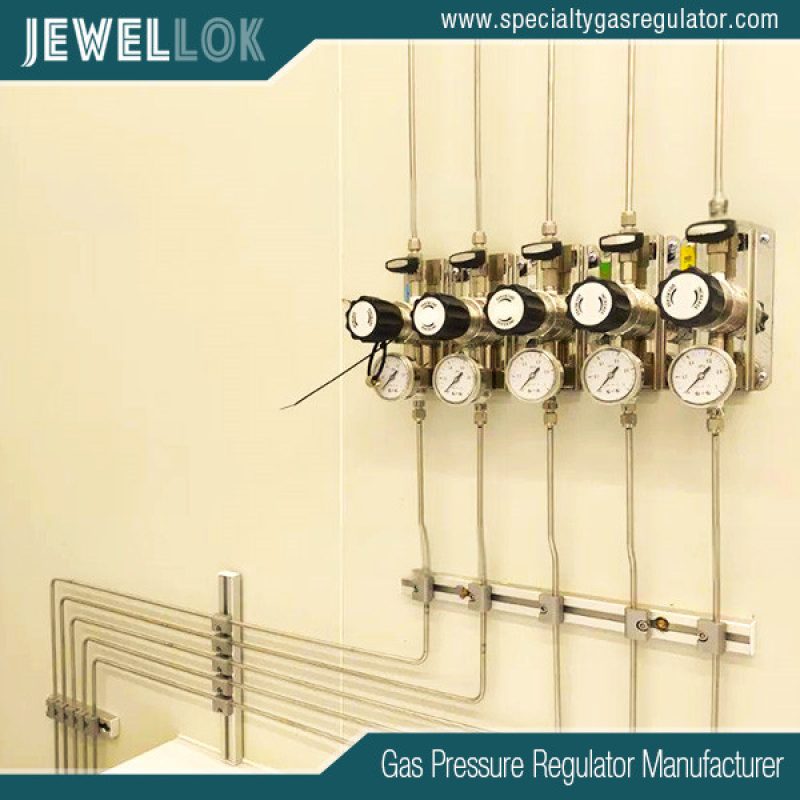
High Pressure Hydrogen Gas Manifold System Valves: Design, Applications, and Advancements
In the rapidly evolving landscape of clean energy, hydrogen stands out as a versatile and sustainable fuel source. As industries transition towards hydrogen-based technologies, the need for reliable infrastructure to handle high-pressure hydrogen gas has become paramount. At the heart of this infrastructure are high-pressure hydrogen gas manifold system valves, which play a critical role in safely distributing, controlling, and regulating hydrogen flow in various applications. These systems are engineered to manage pressures exceeding 350 bar (5,076 psi) and up to 1,000 bar or more, ensuring efficiency and safety in environments like refueling stations, industrial plants, and transportation systems.
A manifold system typically consists of multiple valves, fittings, tubing, and regulators interconnected to distribute gas from a single source to multiple outlets or vice versa. In hydrogen applications, these manifolds must withstand extreme conditions, including high pressures, low temperatures, and the unique properties of hydrogen, such as its small molecular size that can lead to leakage and embrittlement of materials. This article delves into the technical aspects of high-pressure hydrogen gas manifold system valves, exploring their design principles, key components, operational mechanisms, applications, safety features, and future developments. By understanding these elements, engineers and stakeholders can better appreciate the innovations driving hydrogen adoption.

Design Principles and Components
The design of high-pressure hydrogen gas manifold system valves is governed by stringent standards, such as ISO 19880-3 for refueling stations and EC-79 for on-board vehicle components. These valves are built to handle pressures from 5,000 psi up to 60,000 psi, depending on the application. Core components include the valve body, stem, seals, actuators, and manifold blocks.
Valve Body and Materials
The valve body is typically constructed from high-strength materials like forged brass, stainless steel, or specialized alloys to resist hydrogen embrittlement—a phenomenon where hydrogen atoms diffuse into the metal lattice, causing cracking and failure. Stainless steel grades such as 316L are common due to their corrosion resistance and mechanical strength. For ultra-high-pressure applications, advanced composites or titanium alloys may be used to reduce weight while maintaining integrity.
In manifold systems, the body often incorporates multiple ports for inlet and outlet connections. For instance, a simplex manifold allows for an unlimited number of cylinders in a single bank, with staggered configurations (e.g., 5 inches on center) for space efficiency. Custom manifolds can feature connection sizes ranging from 1/4 inch to 1 inch, accommodating various tubing types like cone-and-thread or inverted two-ferrule designs.
Stem and Sealing Mechanisms
The valve stem is a pivotal element, designed for precise control of gas flow. In needle valves, commonly used in instrumentation, the stem tapers to a fine point for accurate throttling. For hydrogen service, stems are often non-rotating to minimize wear and equipped with soft seats (e.g., PCTFE or PEEK) for bubble-tight sealing at high pressures.
Seals are critical to prevent leaks, given hydrogen’s propensity to permeate materials. O-ring seals made from hydrogen-compatible elastomers like EPDM or Viton are standard, while metal-to-metal seals provide reliability in extreme conditions. Double block and bleed (DBB) configurations incorporate two isolation valves and a bleed valve in a single manifold, enhancing safety by allowing pressure relief between seals.
Actuators and Control Systems
Valves in manifold systems can be manual, pneumatic, or solenoid-operated. Solenoid valves, electromechanically actuated, are ideal for automated control in hydrogen circuits. They use an electromagnetic coil to move a plunger, opening or closing the valve port. In high-pressure scenarios, servo-assisted designs amplify force to handle pressures up to 1,000 bar.
Pneumatic actuators are preferred in hazardous areas, using compressed air to operate globe or gate valves. For cryogenic hydrogen (liquid hydrogen at -253°C), specialized actuators ensure reliable performance without freezing.
Manifold Configurations
Manifolds can be manual, semi-automatic, or fully automatic with switch-over capabilities. A typical setup includes header shut-off valves, pressure regulators adjustable from 20 to 160 psig, and safety devices like excess flow shutoff valves. For example, a charging manifold might connect 24 or 48 cylinders, providing economical filling with integrated non-return valves to prevent backflow.
In mobile applications, manifolds incorporate tapping points for quick connections, supporting gases like hydrogen, methane, or ethylene. Stationary systems often feature valve manifold boxes (VMBs) with 4-stick or 8-stick designs, allowing distribution to multiple tools while enabling safe maintenance through vent and purge features.
Operational Mechanisms
High-pressure hydrogen gas manifold system valves operate on principles of fluid dynamics and pressure control. In a basic setup, gas enters the manifold from storage cylinders or compressors, passing through inlet valves into a distribution header. Regulators maintain downstream pressure, while check valves ensure unidirectional flow.
Flow Control and Regulation
Needle valves provide fine flow adjustment, with orifice sizes calibrated for hydrogen’s low density. Ball valves, with their quarter-turn operation, offer quick isolation and are available in hi-pro or HB series for pressures up to 20,000 psi. Proportional relief valves (PRVs) automatically vent excess pressure, protecting the system from over-pressurization.
In automatic switch-over manifolds, sensors monitor pressure levels. When the primary bank depletes, the system seamlessly switches to a reserve bank, ensuring uninterrupted supply. This is crucial in fuel cell applications where downtime can be costly.
Safety Integration
Safety is embedded in the operational design. Pressure relief valves (PRVs) safeguard circuits by opening at set pressures, venting gas to prevent explosions. Non-return valves prevent reverse flow, which could contaminate sources or cause mixing with incompatible gases.
For hydrogen’s flammability, manifolds include flame arrestors and emergency shutoff valves (ESOs) triggered by high pressure, excess flow, or leak detection. In three-valve manifolds for differential pressure transmitters, equalizing valves allow calibration without system shutdown, but proper torque application is essential to avoid leaks from damaged washers.
Performance Under Extreme Conditions
Hydrogen manifolds must perform in diverse environments. In refueling stations, valves handle rapid filling cycles at 700 bar, with cycle-tested components enduring millions of operations. Cryogenic applications use globe or gate valves with extended bonnets to isolate actuators from low temperatures, preventing icing.
Ultra-high-pressure valves (above 350 bar) employ specialized sealing materials like polyimide or reinforced PTFE to maintain integrity. Servo-assisted mechanisms reduce actuation energy, making them efficient for battery-powered systems in vehicles.
Applications
High-pressure hydrogen gas manifold system valves find applications across the hydrogen value chain, from production to end-use.
Hydrogen Refueling Stations
In hydrogen fueling infrastructure, manifolds distribute compressed hydrogen to dispensers. ISO 19880-3 certified valves ensure compatibility with H35 and H70 protocols, supporting fast refueling for fuel cell vehicles (FCVs). Custom manifolds integrate filters, check valves, and rupture discs for safe operation.
Industrial and Manufacturing
In chemical plants, manifolds supply hydrogen for processes like ammonia synthesis or hydrogenation reactions. Master valves on tube trailers enable bulk transfer, with pressures up to 6,000 psi. Valve manifold boxes in semiconductor manufacturing distribute ultra-pure hydrogen, with PLC controllers monitoring for leaks.
Transportation and Mobility
On-board vehicle systems use EC-79 certified manifolds for hydrogen storage tanks. These compact units manage flow to fuel cells, incorporating pressure-reducing valves to step down from 700 bar to operational levels. In marine and aerospace, hydrogen manifolds support propulsion systems, emphasizing lightweight designs.
Energy Storage and Power Generation
In grid-scale energy storage, manifolds connect electrolyzers to storage cylinders, facilitating green hydrogen production. Fuel cell power plants use manifolds for gas mixing and distribution, ensuring stable output.
Safety Considerations
Safety is non-negotiable in hydrogen handling due to its wide flammability range (4-75% in air) and low ignition energy. Manifold valves incorporate redundancies like double seals and fail-safe actuators. Regular maintenance, including torque checks and seal replacements, prevents issues like threading leaks in equalizing valves.
Materials selection mitigates embrittlement; for instance, avoiding high-carbon steels. Compliance with standards like CGA 350 for outlets ensures interoperability. In design, finite element analysis (FEA) simulates stress under pressure, optimizing for longevity.
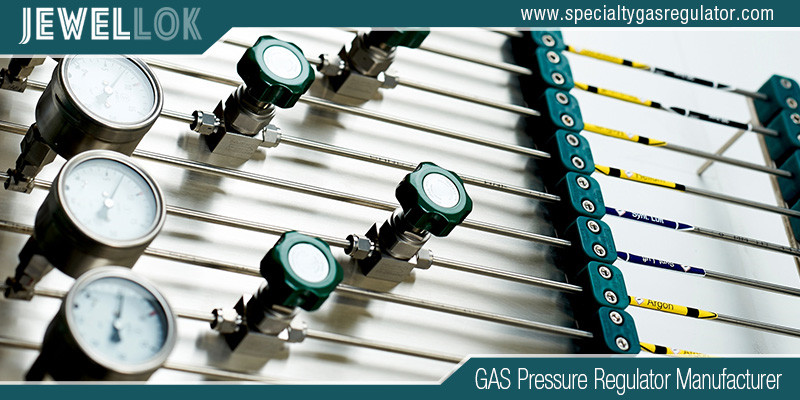
Advancements and Future Trends
Innovation in high-pressure hydrogen valves focuses on efficiency, sustainability, and integration with smart systems. Additive manufacturing enables complex manifold geometries, reducing weight and assembly time. Smart valves with IoT sensors provide real-time monitoring, predicting failures via AI algorithms.
As hydrogen economies scale, modular manifolds will dominate, allowing easy expansion. Research into nanomaterials for seals promises zero-leak performance. Electrification of actuators aligns with net-zero goals, minimizing pneumatic dependencies.
In summary, high-pressure hydrogen gas manifold system valves are foundational to safe and efficient hydrogen utilization. Their evolution will accelerate the transition to a hydrogen-powered future, addressing climate challenges with robust engineering.
For more about high pressure hydrogen gas manifold system valves: design, applications, and advancements, you can pay a visit to Jewellok at https://www.specialtygasregulator.com/product-category/gas-changeover-system/ for more info.
-
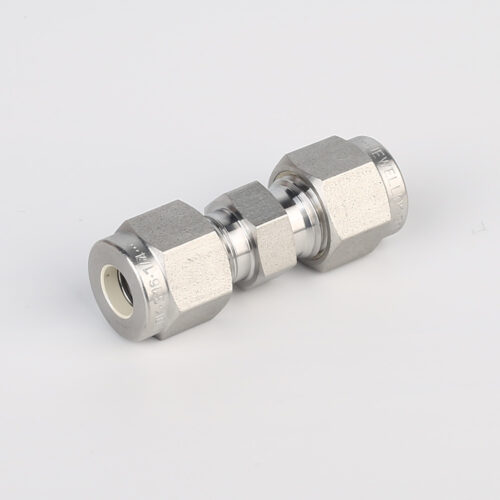
762L Stainless Steel High Purity Union High-Purity Gas System Fittings
-
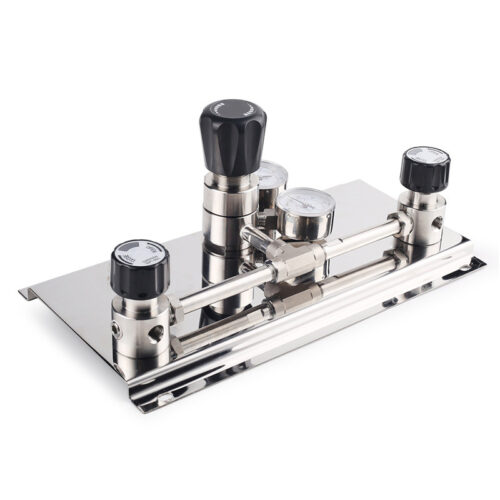
High Purity Semi-Auto Stainless Steel Changeover Manifold System, Nitrogen High Pressure Control Panel With Semiconductor Valve Manifold Box Diaphragm Valves
-
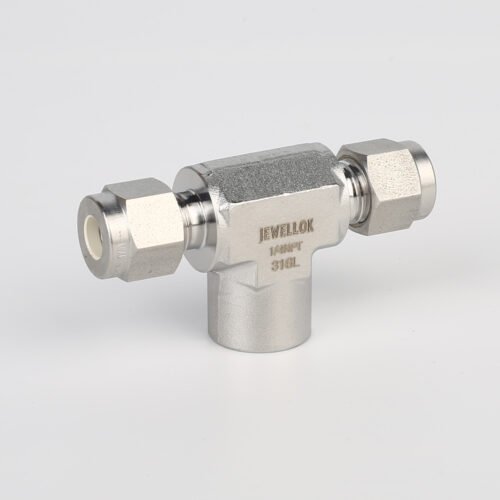
772 LF Female Branch Tee | Stainless Steel Tube Fitting Female Branch Tee 1/2 in. Tube OD x 1/2 in. Tube OD x 3/8 in. Female NPT
-
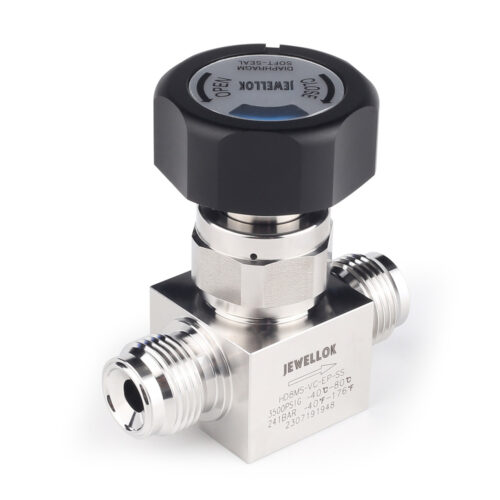
Stainless Steel Ultra High Purity (UHP) High Pressure Manual Diaphragm Valve
-
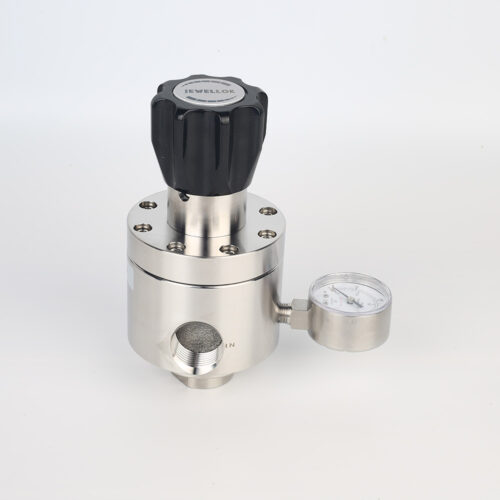
Low Pressure High Flow Line Pressure Regulators And Control Valves JSR-4L Series For Laboratory Pressure Control
-
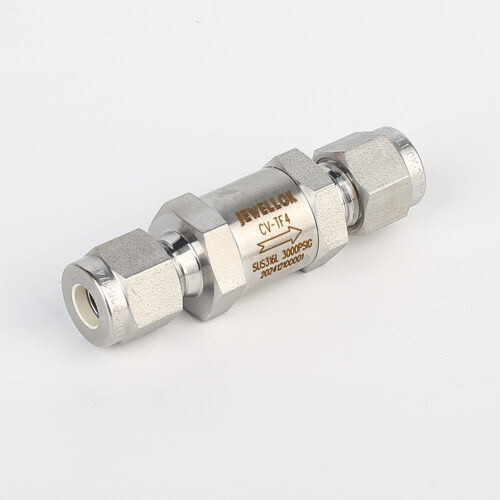
High Pressure High-Purity Welded Check Valves And Low Cracking Pressure Check Valve JCV1 Series
-
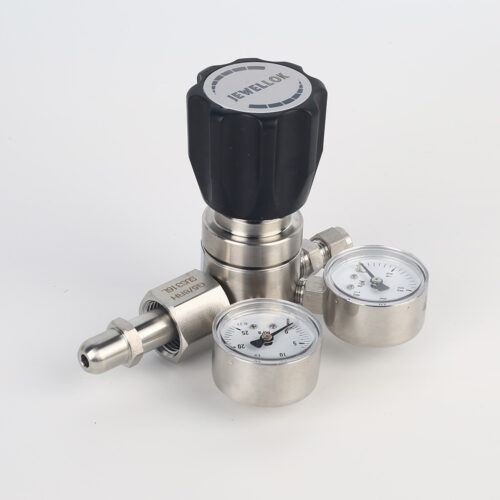
High Purity High Pressure Gas Cylinder Pressure Regulators Pressure Reducing Valve JSR-1E Series
-
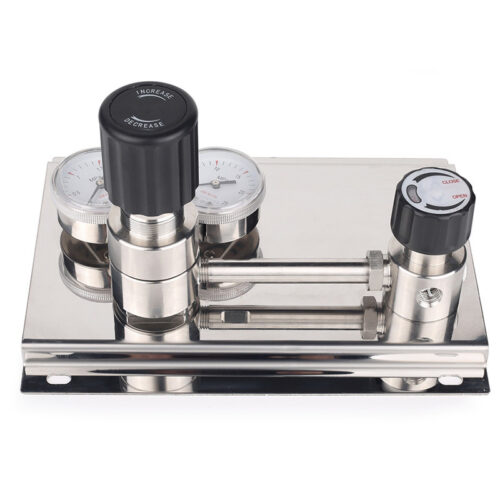
Stainless Steel Fully Automatic Gas Switchover Manifold System Automatic Gas Cylinder Switchover Co2 Cylinder Auto Changeover Controller