
Regulator Manufacturer Tel: +86 13380377051
Regulator Manufacturer Tel: +86 13380377051
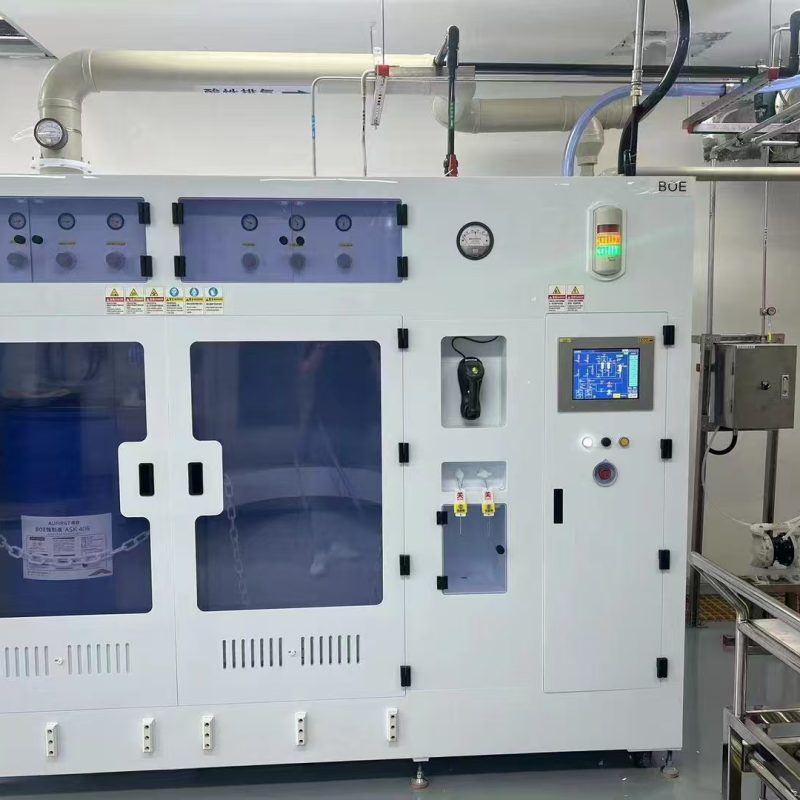
How Does an Exhaust Gas Scrubber System Work for Semiconductor Manufacturing?
In the highly precise world of semiconductor fabrication (“fab”), the chemicals used to create microscopic circuits are as hazardous as they are essential. Process gases like silane (SiH4), arsine (AsH3), and various perfluorocarbons (PFCs) are toxic, pyrophoric, or potent greenhouse gases. An exhaust gas scrubber system—often referred to as an abatement system—serves as the critical safety barrier between these reactive process tools and the environment.
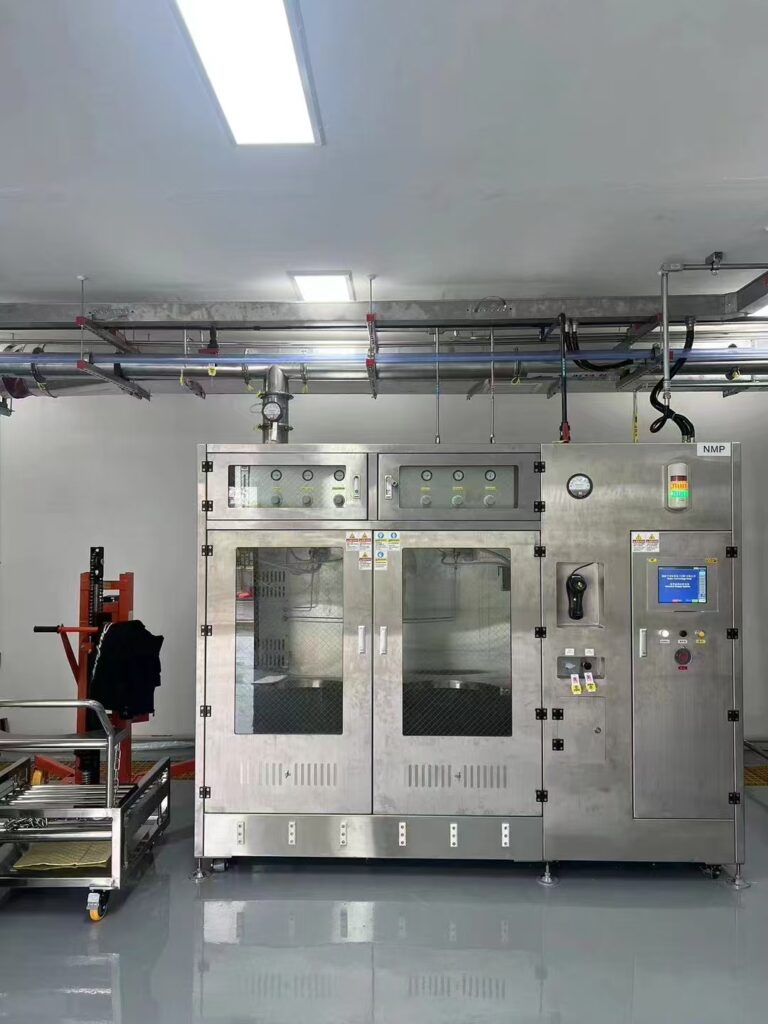
The Strategic Architecture: POU vs. Central Scrubbing
Semiconductor fabs utilize a two-tiered defense strategy for gas management:
- Point-of-Use (POU) Scrubbers: These compact units are located directly adjacent to process tools like CVD (Chemical Vapor Deposition) or Etch chambers. They treat gases immediately at the source to prevent hazardous build-up in the facility’s ductwork.
- Central Scrubbers: Located on the roof or in a utility building, these massive systems treat the combined, diluted exhaust from the entire facility, typically focusing on water-soluble acid mists.
Core Working Principles of Semiconductor Scrubbers
Unlike standard industrial scrubbers, semiconductor abatement must handle a wide variety of chemical “families.” This requires four primary technological approaches:
- Wet Scrubbing (Absorption and Neutralization)
Wet scrubbers are the workhorse for water-soluble gases like ammonia (NH3) or hydrochloric acid (HCl).
- The Process: Contaminated gas enters the bottom of a tower and rises through a packed bed—a section filled with porous plastic rings designed to maximize surface area.
- Chemical Action: A scrubbing liquid (water or an alkaline solution like NaOH) is sprayed from the top. As the gas and liquid meet, the pollutants are absorbed into the liquid phase.
- Polishing: Before exiting, the gas passes through a mist eliminator to remove any liquid droplets, ensuring only cleaned air is released.
- Thermal Abatement (Burn-Wet Systems)
Flammable or highly stable gases like silane or PFCs require energy to break down.
- The Burn Stage: The gas is introduced into a high-temperature chamber (often 400°C to 1200°C) where it is oxidized or pyrolyzed. For example, silane (SiH4) is oxidized into solid silica (SiO2) dust.
- The Wet Stage: The resulting hot gas and dust are immediately cooled and “washed” in a secondary wet scrubber stage to remove the solid particulates and any acidic byproducts.
- Dry Scrubbing (Adsorption)
Dry scrubbers use solid sorbent canisters instead of liquids.
- The Mechanism: Harmful gas molecules stick to the surface of specialized chemical media or react with them to form stable, non-volatile solids.
- Advantages: These systems are “passive” (requiring no water or power) and are ideal for low-flow, highly toxic applications where water waste must be avoided.
- Plasma Abatement
For the most difficult-to-destroy greenhouse gases like CF4, plasma systems are used.
- Operation: A plasma torch (often using nitrogen as a carrier gas) delivers concentrated energy (7–15 kW) to the exhaust stream. This creates a high-energy state that shears apart the strong chemical bonds of PFCs with efficiencies exceeding 99.9%.
Critical Components for Reliable Operation
To maintain the “six-nines” (99.9999%) reliability required by semiconductor fabs, these systems integrate advanced monitoring:
- Inlet Systems: Patented designs prevent “clogging” from solid byproducts like silica dust, which can otherwise shut down an entire production line.
- Smart Sensors: Continuous monitoring of pH, liquid flow, and pressure allows for predictive maintenance, alerting engineers to issues like pump wear or nozzle blockages before they cause a failure.
- Bypass Lines: Essential for maintenance, these allow the process tool to stay ventilated while the scrubber is serviced.
Summary of Key Features
| Technology | Targeted Pollutants | Primary Mechanism |
| Wet | HCl, HF, NH3 | Liquid absorption / Neutralization |
| Thermal | SiH4, H2 | High-heat oxidation |
| Dry | AsH3, PH3, Cl2 | Chemical adsorption on solid media |
| Plasma | CF4, C2F6, NF3 | High-energy bond cleavage |
By combining these technologies, modern semiconductor fabs can handle thousands of liters of hazardous gases every hour, converting them into harmless salts, water, and solid waste while protecting both the local environment and the workers inside the cleanroom.
For more about how does an exhaust gas scrubber system work for semiconductor manufacturing, you can pay a visit to Jewellok at https://www.specialtygasregulator.com/product-category/specialty-gas-cabinet/ for more info.
-
Medical Oxygen Single Stage Manual Gas Changeover Manifold Panel High-Purity Two-Stage Manual Gas Manifold Gas Pressure Control Panels
-
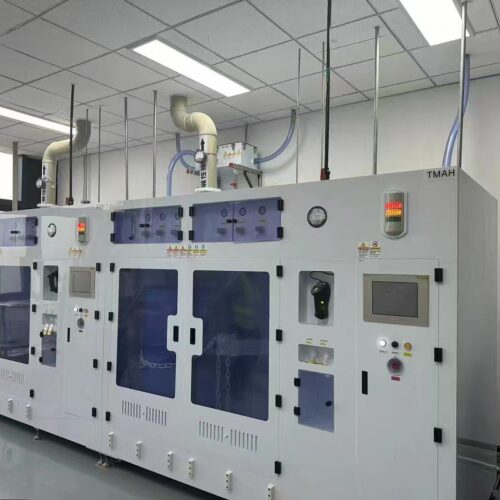
Integrated Bulk Chemical Delivery System and Automatic CDU Solutions for Safe Hazardous Chemical Fluid Handling
-
Semi Automatic Oxygen Nitrogen Helium Argon Gas Changeover Manifold Manual Gas Changeover Manifold Panel For Gas Cylinders
-
Stainless Steel Ultra High Purity (UHP) High Pressure Manual Diaphragm Valve
-
Flow Control Stainless Steel Low Pressure Manual Diaphragm Valve For High Purity And Ultra High Purity Gases
-
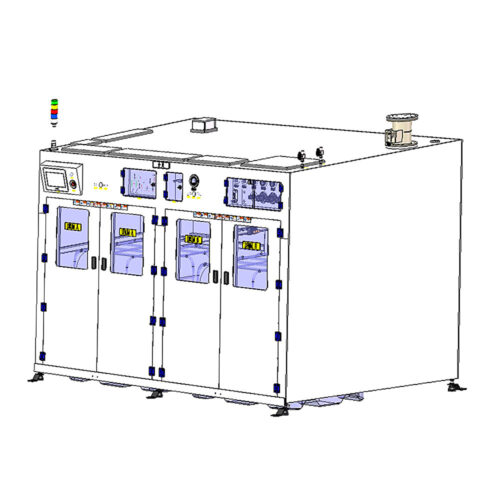
High Purity Chemical Dispense System & Packing System For Semiconductors JW-200L-CDM & JW-1000L-CDM
-
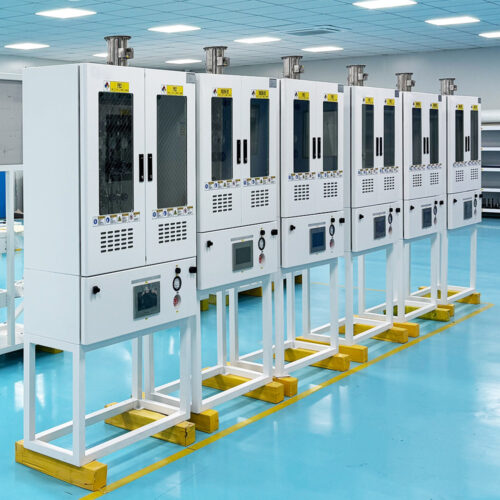
Integrated Gas Cabinets and Exhaust Gas Scrubber System for Ammonia and Hydrogen Chloride Industrial Emission Control
-
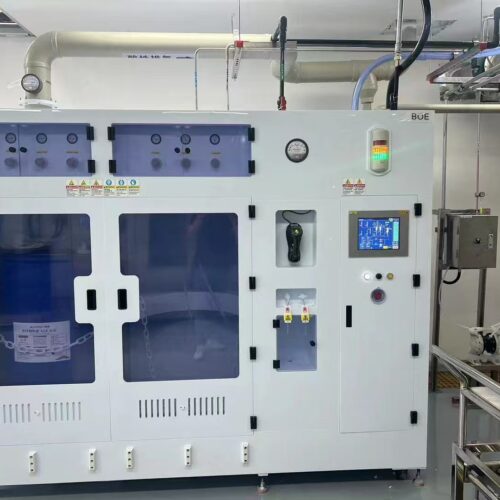
Chemical Delivery Modules for Automated Blending and Precise Dilution in Modern Wafer Cleaning Applications