
Regulator Manufacturer Tel: +86 13380377051
Regulator Manufacturer Tel: +86 13380377051
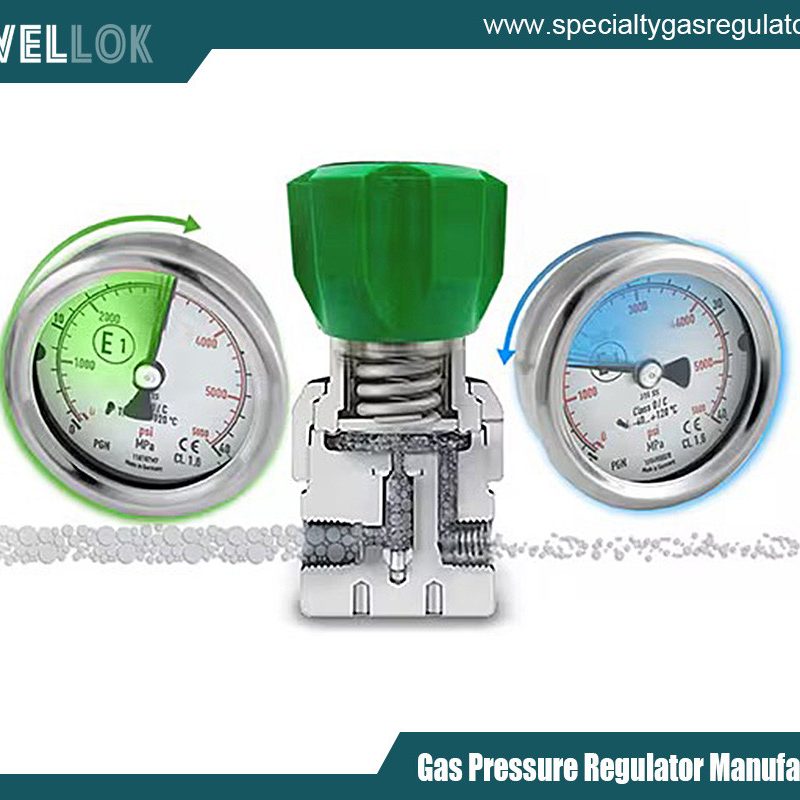
Industry Development Trends and Future Prospects of Gas Pressure Regulators
The Unsung Guardians of the Gas Age
In the intricate tapestry of modern energy infrastructure, gas pressure regulators perform a role of critical, yet often overlooked, importance. These devices, found wherever gaseous fuels are used—from massive liquefied natural gas (LNG) terminals to the humble boiler in a home—are the silent guardians of safety, efficiency, and reliability. Their fundamental task is simple: to reduce a high, variable inlet pressure to a stable, lower outlet pressure suitable for downstream equipment. However, the evolution of this task in the face of global energy transitions, digitalization, and heightened safety demands is anything but simple. The gas pressure regulator industry is undergoing a profound transformation, driven by technological innovation, shifting energy mixes, and smarter infrastructure needs. This article explores the key development trends shaping the industry and outlines its dynamic future prospects.
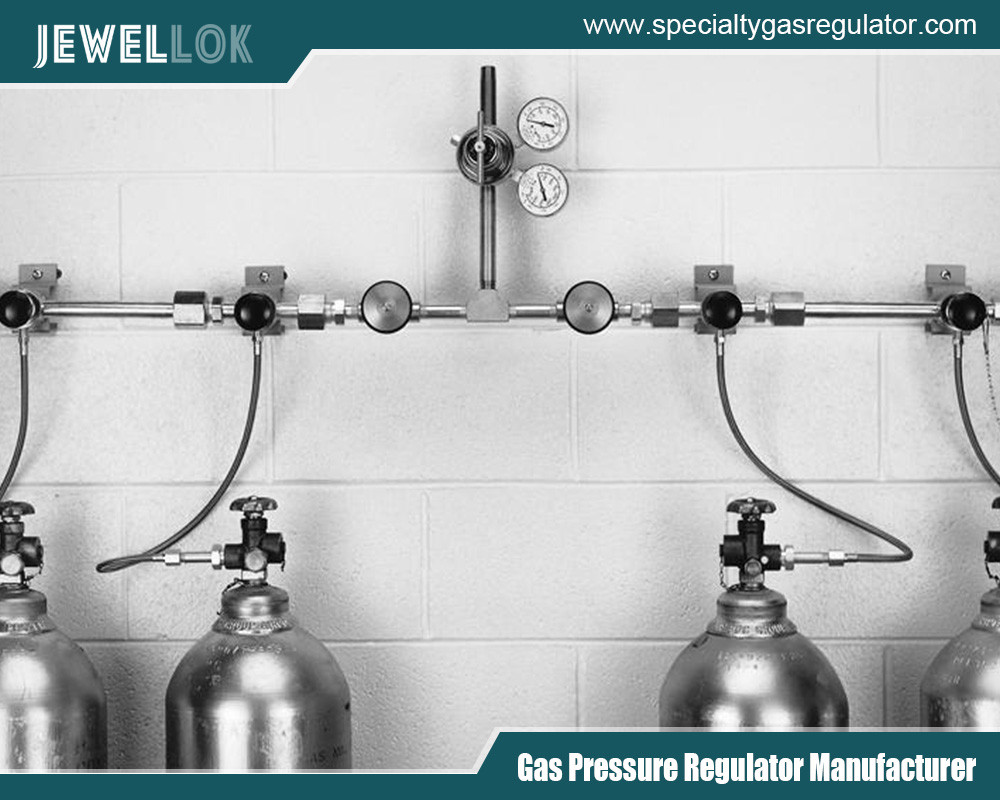
Current Industry Development Trends
- The Rise of Smart and Connected Regulators
The most significant trend is the integration of digital intelligence. The traditional mechanical regulator is being augmented—and in some cases replaced—by smart regulators equipped with sensors, microprocessors, and communication modules.
- IoT Integration: Modern regulators can now transmit real-time data on pressure, flow rate, temperature, valve position, and even self-diagnostic health metrics. This data feeds into Supervisory Control and Data Acquisition (SCADA) systems or cloud platforms, enabling remote monitoring and control across vast distribution networks.
- Predictive Maintenance: By analyzing performance data trends, utilities can move from reactive or schedule-based maintenance to predictive strategies. Anomalies in performance can signal the need for service before a failure occurs, dramatically improving system reliability and reducing operational costs.
- Enhanced Safety and Leak Detection: Advanced algorithms can correlate pressure drops with flow data to infer potential leaks. Some systems integrate directly with external methane sensors, providing an immediate, locatable alert, which is crucial for safety and reducing greenhouse gas emissions.
- Material and Design Innovations for Harsh and Diverse Environments
As gas exploration and distribution push into more challenging environments, regulators must keep pace.
- Corrosion-Resistant Materials: The increased use of composite materials, advanced coatings (like PVD and CVD coatings), and high-grade stainless steels extends product life in corrosive offshore, coastal, or industrial atmospheres.
- Compact and Modular Designs: Urbanization and space constraints in plant design drive demand for smaller, lighter, yet high-capacity regulators. Modular designs allow for easier field servicing and component upgrades without replacing the entire unit.
- Specialized Applications: Development continues for extreme applications, such as cryogenic regulators for LNG, high-pressure regulators for CNG vehicle fueling stations and hydrogen applications, and ultra-precise regulators for laboratory and semiconductor manufacturing.
- Focus on Energy Efficiency and Emissions Reduction
Gas pressure regulators are being scrutinized for their role in the overall energy efficiency of gas systems.
- Zero-Gas or Low-Bleed Designs: Traditional pilot-operated regulators often vent small amounts of gas (“bleed”) to the atmosphere to function. Newer designs utilize balanced valves and electronic controls to eliminate or minimize this bleed, directly reducing fugitive methane emissions—a potent greenhouse gas.
- Improved Turndown Ratios: A higher turndown ratio (the range between maximum and minimum controllable flow) allows a single regulator to perform efficiently across a wider operational band. This eliminates the need for multiple regulators or bypass loops, simplifying systems and minimizing potential leak points.
- Stringent Safety and Regulatory Compliance
Global safety standards (like ISO 23551, EN 161, ASME) are continually evolving. The industry trend is towards designs that not only meet but exceed these standards.
- Redundancy and Fail-Safe Features: Increased use of monitor/active regulator assemblies provides an automatic backup in case the primary regulator fails. Integrated slam-shut valves and over-pressure shut-off devices add extra layers of protection.
- Resilience to Extreme Conditions: Regulators are being tested and certified for resilience against extreme weather events, seismic activity, and wider temperature ranges due to climate change.
Future Prospects and Emerging Drivers
- The Hydrogen Economy: A Transformative Challenge & Opportunity
The global push towards decarbonization positions hydrogen (both green and blue) as a key energy vector. This presents the single largest future prospect and technical challenge for the regulator industry.
- Material Compatibility: Hydrogen can cause embrittlement in certain steels. Future regulators will require specialized materials (certain austenitic stainless steels, alloys, and polymers) and rigorous testing to ensure integrity over decades of service.
- Sealing Technology: Hydrogen’s small molecular size makes it exceptionally prone to leakage. Advanced sealing solutions, including metal diaphragms and specialized elastomers, are critical areas of R&D.
- Dedicated Product Lines: Manufacturers are already developing regulator families specifically engineered and certified for pure hydrogen and hydrogen-natural gas blends (hythane), covering the entire value chain from production to end-use.
- Integration with Renewable Natural Gas (RNG) and Biogas
The growth of RNG—methane captured from landfills, wastewater, and agricultural waste—injects variability into gas stream composition and quality. Future regulators will need to handle gases with higher moisture content, trace siloxanes, and other contaminants without clogging or degrading, requiring robust design and possibly integrated filtration.
- Advanced Automation and the Role of AI
The future gas network will be a fully integrated, automated ecosystem.
- Autonomous Pressure Management: AI and machine learning algorithms will use data from smart regulator networks, combined with demand forecasting models, to autonomously optimize pressure setpoints across a distribution grid. This will minimize losses, extend infrastructure lifespan, and balance loads in real-time.
- Digital Twins: Creating a virtual replica of a physical regulator or an entire pressure control station will allow for advanced simulation, performance optimization, and virtual training without disrupting live operations.
- The Service Model Shift: From Product to Solution
The industry is transitioning from simply selling hardware to providing comprehensive lifecycle solutions.
- Data-as-a-Service (DaaS): Manufacturers and service providers will offer subscription-based monitoring and analytics platforms, delivering insights rather than just data streams.
- Performance-Based Contracts: Agreements where the supplier is responsible for ensuring agreed-upon levels of system availability, efficiency, or emissions reduction, aligning incentives with customer outcomes.
Challenges on the Horizon
Despite the bright prospects, the industry faces hurdles:
- Cybersecurity: As regulators become connected nodes in critical infrastructure, they become potential targets. Robust, built-in cybersecurity from the chip level upward is non-negotiable.
- Skills Gap: The maintenance and management of highly sophisticated digital-mechanical systems require a new breed of technician skilled in both mechatronics and data analytics.
- Cost Sensitivity: While the long-term TCO (Total Cost of Ownership) of smart, efficient regulators is lower, the higher upfront capital cost can be a barrier, especially for smaller utilities or in developing markets.
- Standardization in Emerging Fields: For hydrogen, global standards for testing, certification, and interoperability are still under development, creating a landscape of uncertainty for manufacturers.
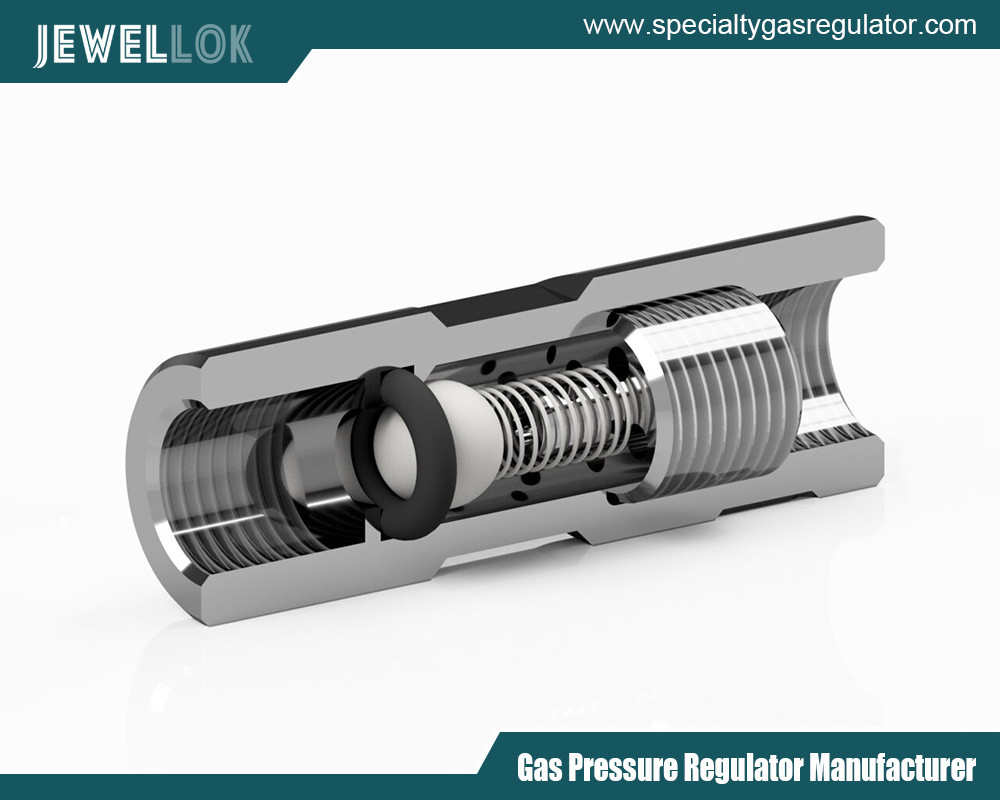
Conclusion
The gas pressure regulator, a cornerstone of industrial and domestic energy for over a century, is at an inflection point. It is evolving from a purely mechanical device into an intelligent, connected, and highly specialized component at the heart of the modern energy ecosystem. The trends of digitalization, material science, and a relentless focus on safety and efficiency are converging to redefine its capabilities.
The industry’s future is inextricably linked to the global energy transition. Success will depend on the ability to innovate rapidly for hydrogen readiness, to provide actionable intelligence through data, and to offer resilient, efficient solutions for an increasingly diverse and dynamic gas landscape. As the world navigates the complex path to a sustainable energy future, the humble gas pressure regulator will continue to be an essential, albeit smarter and more adaptable, guardian of safety and reliability in the flows that power our civilization. The companies that embrace these trends and invest in the technologies of tomorrow will be the ones regulating the future.
For more about industry development trends and future prospects of gas pressure regulators, you can pay a visit to Jewellok at https://www.specialtygasregulator.com/how-does-a-integrated-gas-supply-system-work/ for more info.
-
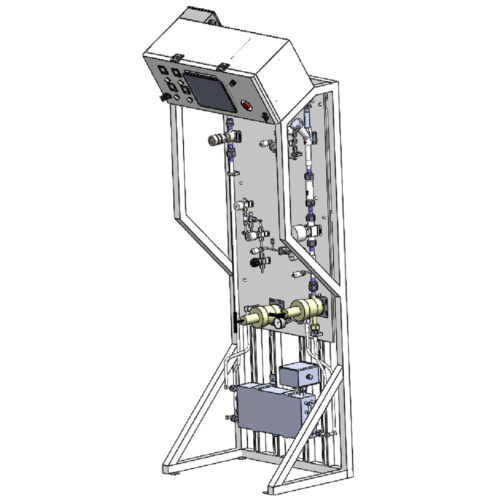
Fully Automated Gas Cabinet Gas Rack Gas Delivery Systems JW-300-GR
-
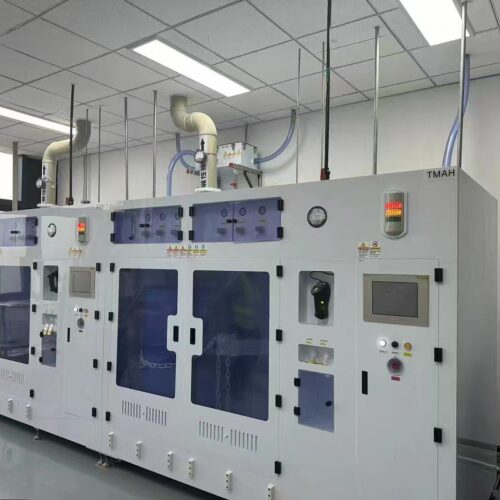
Automated Bulk Chemical Delivery System with Ultra High Purity CDU for Precise Industrial Fluid Control
-
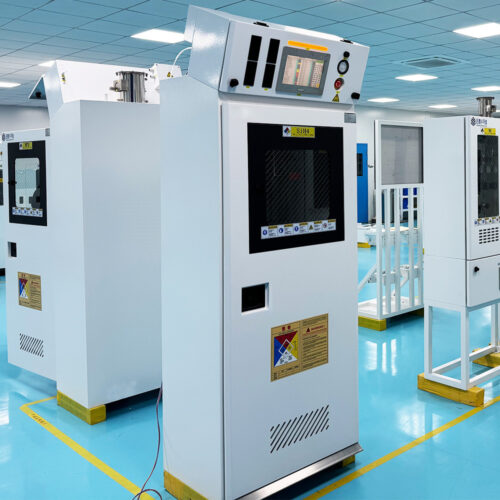
High-Efficiency Exhaust Gas Scrubber System for Semiconductor and Photovoltaic Hazardous Gas Abatement Solutions
-
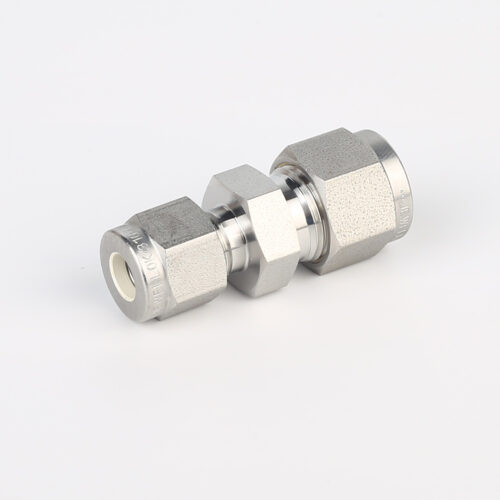
763L Stainless Steel High Purity Pressure Reducing Union Fittings And Tubing Pressure Reducing Valve Adjustment
-
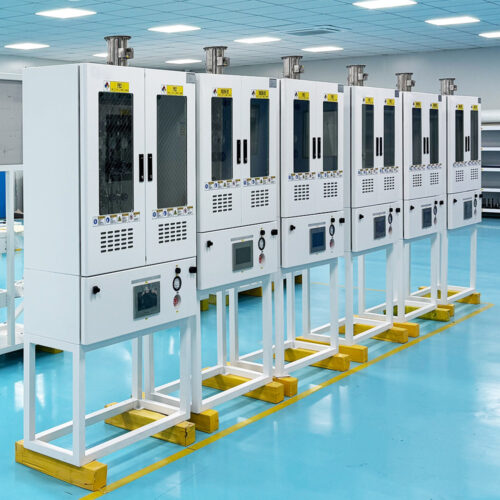
Integrated Gas Cabinets and Exhaust Gas Scrubber System for Ammonia and Hydrogen Chloride Industrial Emission Control
-
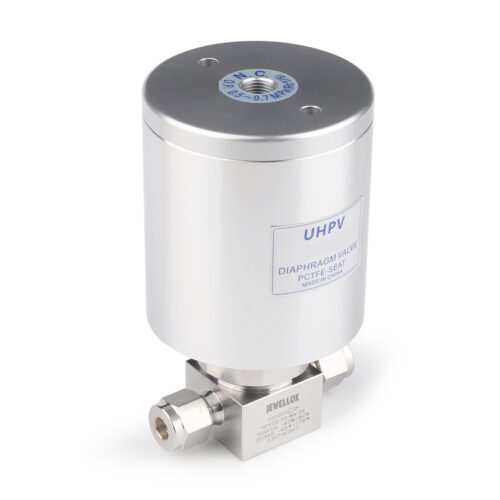
High Pressure High Temperature Pneumatic Ultrahigh Purity Stainless Steel Diaphragm Valves
-
Precision Stainless Steel Valve Manifold Panel for Inert Gas Distribution in Cleanroom Manufacturing Environments
-
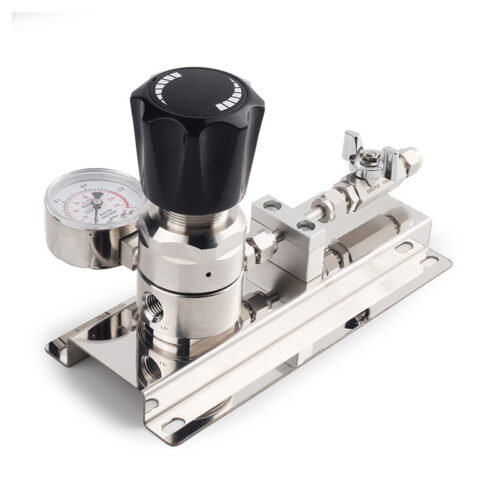
Ultra High Purity 316L Var Stainless Steel Compressed Gas Changeover Manifold Panel System For Integrated Gas Supply System