
Regulator Manufacturer Tel: +86 13380377051
Regulator Manufacturer Tel: +86 13380377051
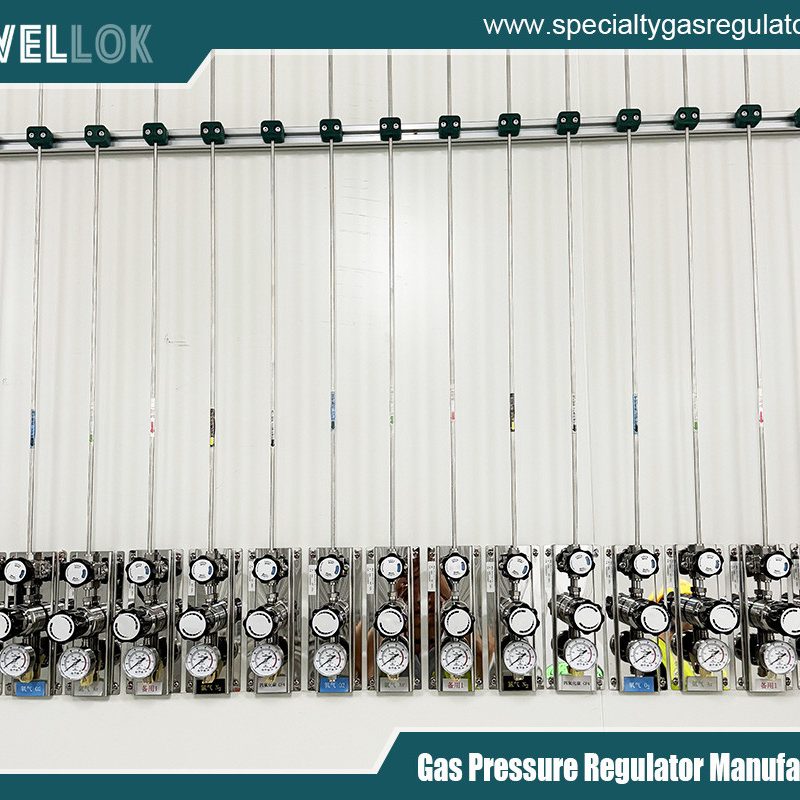
Integrated Gas System in the Semiconductor Market: A Technical Overview
The semiconductor industry stands as a cornerstone of modern technology, powering everything from smartphones to artificial intelligence systems. At the heart of semiconductor manufacturing lies the precise control and delivery of gases, which are essential for various fabrication processes. This is where the Integrated Gas System (IGS) comes into play. An IGS is a sophisticated assembly of technologies designed to manage, purify, and deliver specialty gases with utmost precision and efficiency in semiconductor fabrication facilities, or fabs. These systems ensure that gases like nitrogen, argon, hydrogen, and various precursors are supplied at the right purity levels, flow rates, and pressures to avoid contamination and defects in chip production.
In the semiconductor market, IGS has evolved from basic gas delivery setups to highly automated, intelligent networks that integrate sensors, controls, and software for real-time optimization. As the industry pushes toward smaller node sizes—such as 3nm and beyond—the demand for ultra-high purity gases has intensified, making IGS indispensable. This article delves into the technical aspects of IGS, its applications, market dynamics, and future prospects, highlighting its critical role in sustaining the semiconductor ecosystem.

Components and Functionality of Integrated Gas Systems
An IGS in semiconductors is not a single device but a modular system comprising several interconnected components. At its core is the gas delivery subsystem, which includes manifolds, valves, and regulators that handle the transport of gases from bulk storage tanks or cylinders to the point of use in the fab. Precision flow controllers, often based on mass flow meters or thermal sensors, ensure accurate dosing of gases, typically within tolerances of less than 1% deviation.
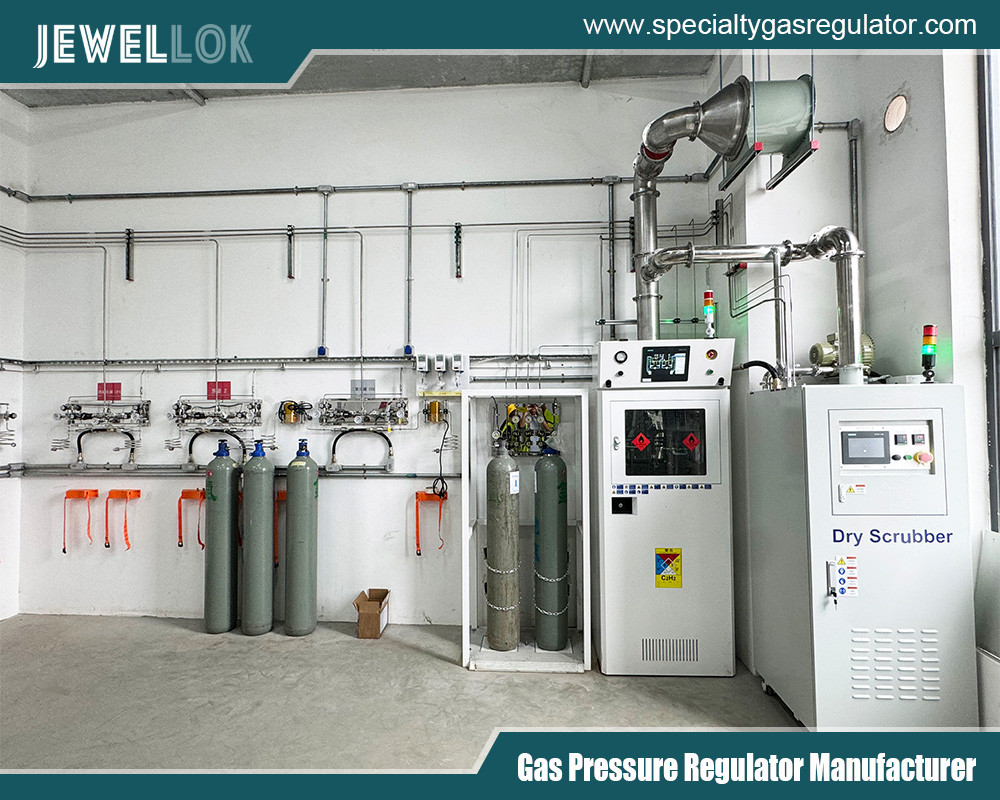
Purification units are another vital element, employing filters, absorbers, and catalytic converters to remove impurities down to parts-per-trillion levels. For instance, moisture, oxygen, and hydrocarbons must be eliminated to prevent oxidation or unwanted reactions on silicon wafers. Monitoring systems integrate sensors for pressure, temperature, and purity, feeding data into automated control software. This software, often powered by programmable logic controllers (PLCs) or advanced AI algorithms, allows for predictive maintenance and fault detection, minimizing downtime.
Safety features are embedded throughout, including leak detectors, emergency shut-off valves, and exhaust systems compliant with standards like SEMI S2. The integration aspect refers to how these components are unified into a single, scalable architecture, often customized for specific fab layouts. For example, in a modern 300mm wafer fab, an IGS might span multiple floors, with centralized control rooms overseeing gas flows across hundreds of process tools.
From a technical standpoint, IGS functionality relies on fluid dynamics principles, where gas flow is modeled using equations like the Hagen-Poiseuille law for laminar flows in tubing. Advanced systems incorporate IoT connectivity for remote monitoring, enabling fabs to optimize gas usage and reduce waste by up to 20-30%.
Applications in Semiconductor Manufacturing Processes
IGS finds its primary applications in key semiconductor processes, each demanding specific gas mixtures and delivery profiles. Chemical Vapor Deposition (CVD) is the most prominent, where gases like silane (SiH4) and ammonia (NH3) are used to deposit thin films of silicon dioxide or nitride on wafers. Here, IGS ensures uniform gas distribution to achieve layer thicknesses as fine as 1-10 nanometers, critical for transistor gate dielectrics.
Etching processes, such as reactive ion etching (RIE), rely on halogen-based gases like chlorine or fluorine compounds to selectively remove material. The fastest-growing application, etching requires IGS to handle corrosive gases safely while maintaining plasma stability. Diffusion and doping steps use gases like phosphine or arsine to introduce impurities into silicon, forming p-n junctions essential for device functionality.
Other applications include cleaning and purging, where inert gases like nitrogen prevent contamination during wafer handling. In advanced nodes, extreme ultraviolet (EUV) lithography demands hydrogen for tin plasma generation, underscoring IGS’s role in emerging technologies. Overall, IGS enhances yield rates by ensuring process repeatability, with studies showing that gas-related defects can account for up to 15% of fab yield losses if not managed properly.
Market Analysis: Size, Growth, and Drivers
The global IGS market in semiconductors is experiencing robust growth, driven by the expanding semiconductor industry. As of 2025, the market is valued at approximately USD 0.56 billion, with projections indicating it will reach USD 1.2 billion by 2035, reflecting a compound annual growth rate (CAGR) of around 8%. This growth is fueled by several factors.
First, the surge in demand for advanced chips in AI, 5G, and Internet of Things (IoT) applications necessitates more sophisticated fabs, increasing IGS adoption. The automotive sector’s shift to electric vehicles (EVs) and autonomous driving further amplifies this, as power semiconductors require precise gas handling for wide-bandgap materials like silicon carbide.
Energy efficiency is a major driver; IGS optimizations can cut energy costs by up to 30%, aligning with global sustainability goals. Regulatory pressures, such as those from the EPA on greenhouse gas emissions, push for eco-friendly systems that minimize fluorinated gas usage. Emerging markets in Asia-Pacific, particularly China and South Korea, are hotspots due to massive fab investments, with the region expected to grow at the highest CAGR.
However, challenges persist. Supply chain disruptions, as seen in recent global events, can affect gas availability, while the high capital cost of IGS—often exceeding millions per fab—poses barriers for smaller players. Infrastructure development in regions like the Middle East and Africa lags, hindering market penetration. Additionally, the complexity of integrating IGS with legacy equipment requires skilled engineers, exacerbating talent shortages in the industry.
Key Players and Competitive Landscape
The IGS market is dominated by a few global giants with expertise in industrial gases and precision engineering. Air Products and Chemicals (US) leads with comprehensive gas supply chains and innovative delivery systems. Linde (Germany) excels in sustainable solutions, offering cryogenic storage and on-site generation. Other notables include Praxair (now part of Linde), Messer Group (Germany), and Taiyo Nippon Sanso Corporation (Japan), which focus on Asia’s booming market.
Specialized firms like Fujikin and Ichor Systems provide valve and fluid delivery components, emphasizing customization for high-purity applications. Competition is fierce, with players investing in R&D for smart IGS featuring AI-driven analytics. Strategic mergers, such as Linde’s acquisition of Praxair, have consolidated the market, while collaborations with fab operators like TSMC and Intel drive innovation.
Future Trends and Outlook
Looking ahead, IGS will increasingly incorporate digital twins—virtual models for simulation and optimization—reducing physical testing needs. Sustainability trends will favor green gases and recycling systems, with hydrogen emerging as a key player in clean energy-aligned fabs. The rise of 2nm nodes and beyond will demand even higher purity levels, spurring advancements in nanotechnology-based purifiers.
Geopolitically, efforts to localize supply chains, as in the US CHIPS Act, will boost domestic IGS manufacturing. By 2030, the market could see integration with quantum computing processes, requiring exotic gases like helium-3. Overall, IGS will remain pivotal in enabling the semiconductor industry’s projected growth to a trillion-dollar valuation.
Conclusion
The Integrated Gas System is a linchpin in the semiconductor market, blending engineering precision with market demands for efficiency and innovation. As technology advances, IGS will evolve to meet new challenges, ensuring the reliable production of chips that power our digital world. With a projected market expansion to over a billion dollars by 2035, investments in IGS underscore its strategic importance in sustaining global technological progress.
For more about integrated gas system in the semiconductor market, you can pay a visit to Jewellok at https://www.specialtygasregulator.com/how-does-a-integrated-gas-supply-system-work/ for more info.
-
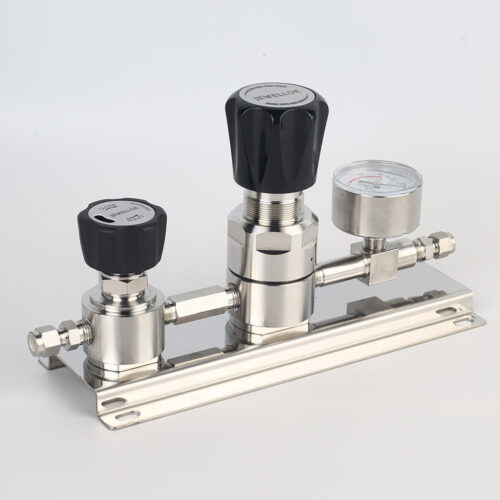
High Purity High Flow Pressure Control Regulators & Valves Gas Stick Assemblies JSR-2TG Series
-

Semi Automatic Oxygen Nitrogen Helium Argon Gas Changeover Manifold Manual Gas Changeover Manifold Panel For Gas Cylinders
-
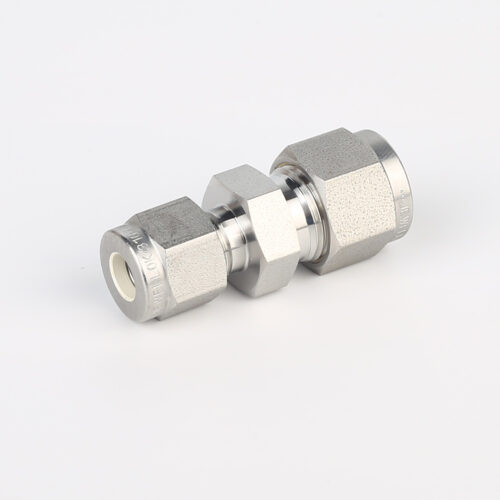
763L Stainless Steel High Purity Pressure Reducing Union Fittings And Tubing Pressure Reducing Valve Adjustment
-
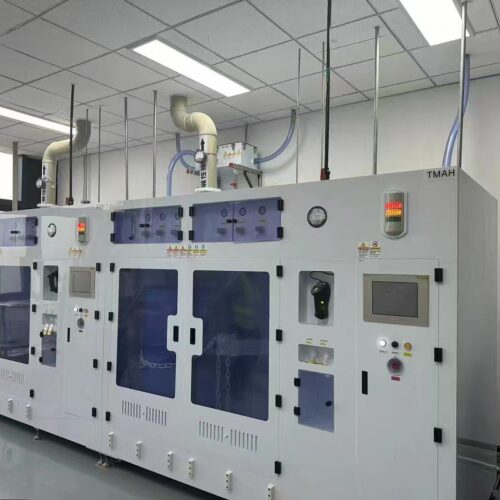
Liquid Bulk Chemical Delivery System with Automatic Chemical Dispense Unit (CDU) Featuring 316L Electropolished Stainless Steel Piping Components
-
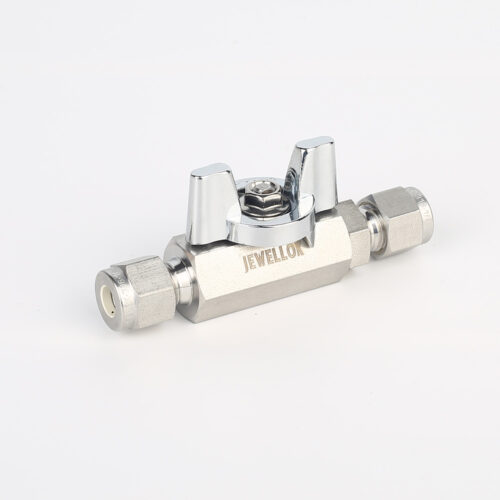
Stainless Steel High-Purity High Temperature Metal Seated Ball Valves JBV3 Series
-
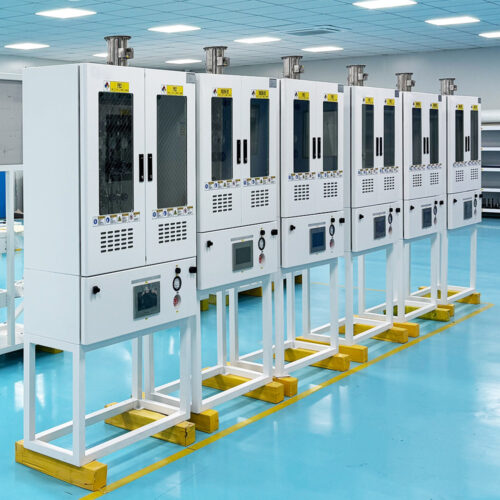
Automated Valve Manifold Box with Leak Detection for Toxic and Flammable Semiconductor Process Gases
-
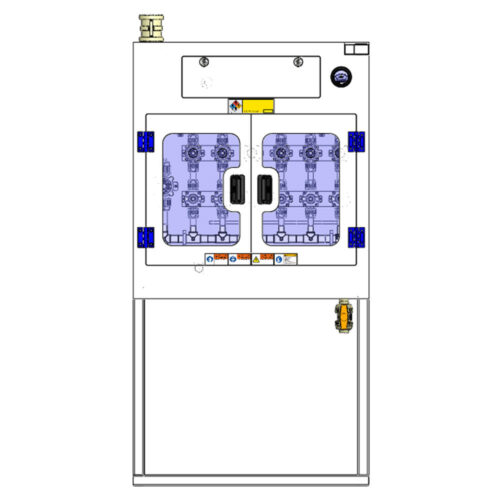
High Purity Configurable Systems VMB Valve Manifold Box JW-200-VMB-C & JW-100-VMB-C
-

Stainless Steel Mini Elbow Mini Tee Mini Cross Mini Tribow Ultrahigh Purity Mini Butt Weld Fittings