
Regulator Manufacturer Tel: +86 13380377051
Regulator Manufacturer Tel: +86 13380377051
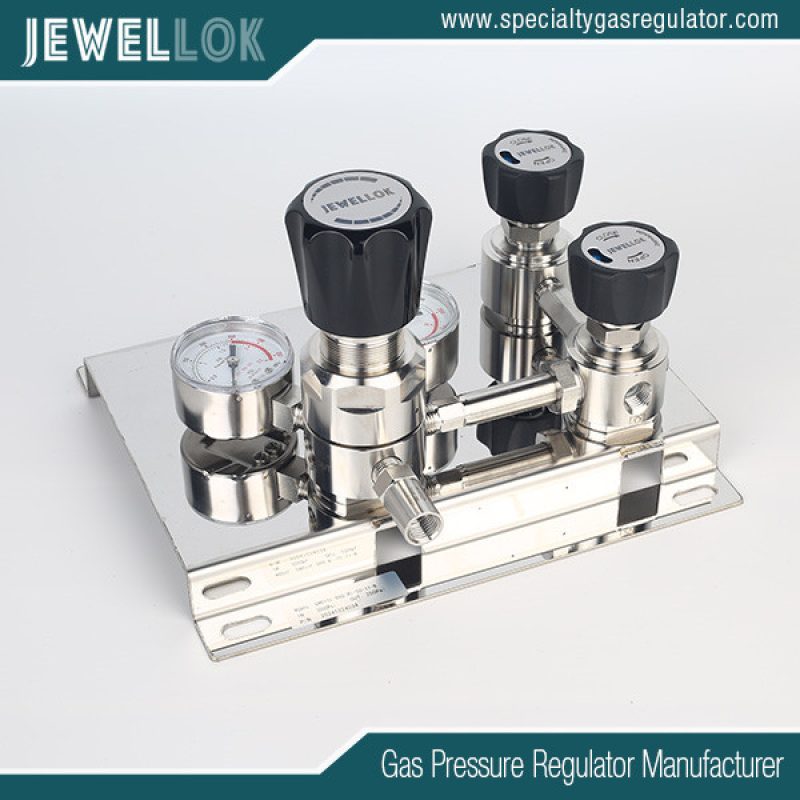
Precision in the Flux: High-Performance Gas Pressure Regulators for Specialty Gases
In the modern industrial landscape, the demand for high-purity and specialty gases has surged, driven by the rapid evolution of semiconductor fabrication, aerospace engineering, biotechnology, and renewable energy sectors. At the heart of these sophisticated gas delivery systems lies a critical component: the gas pressure regulator. When dealing with specialty gases—which are often toxic, corrosive, pyrophoric, or of ultra-high purity (UHP)—the choice of regulator is not merely a matter of operational efficiency, but a fundamental requirement for safety and process integrity.
The Role of Specialty Gas Pressure Regulators
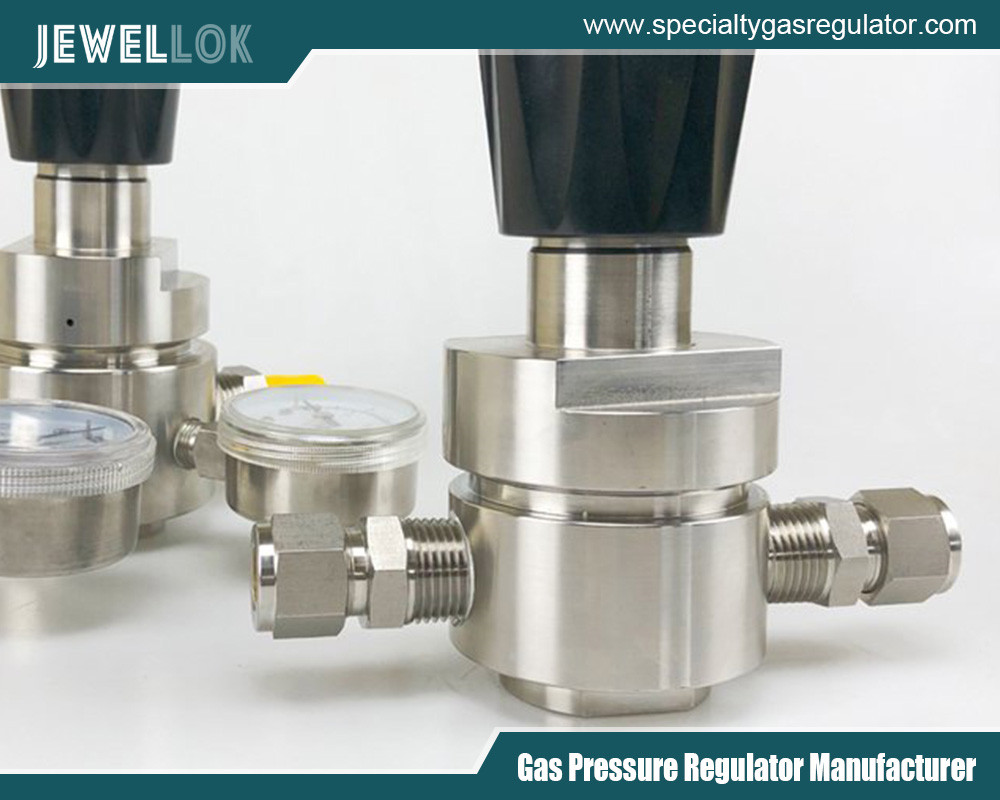
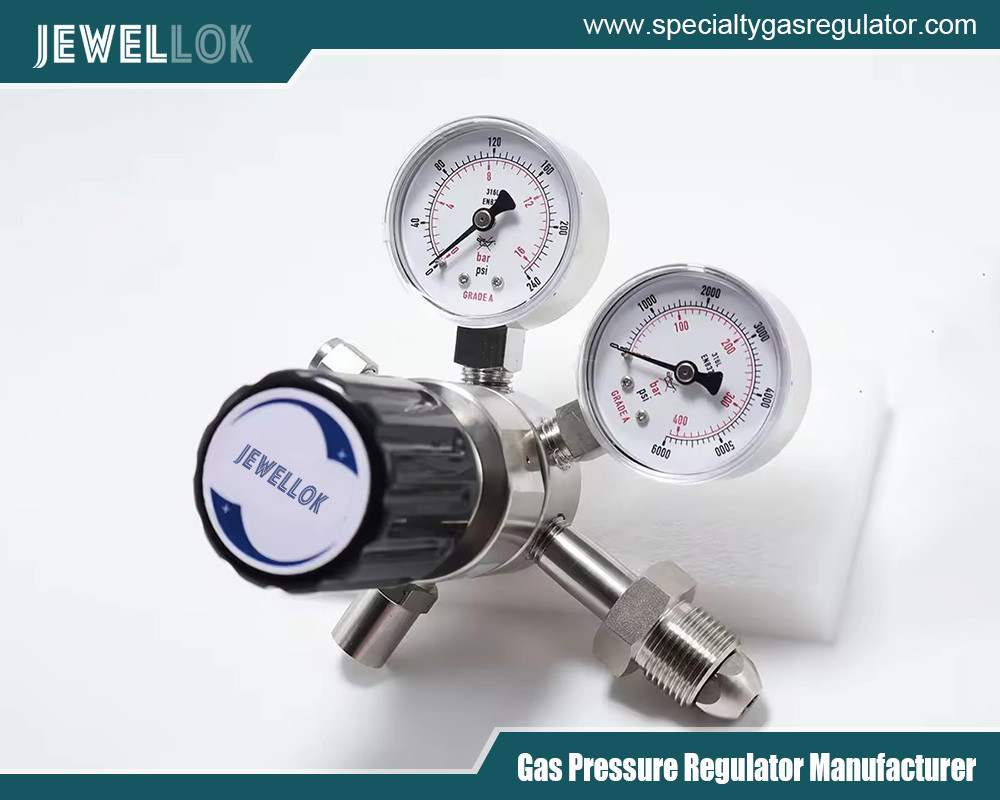
A gas pressure regulator is a mechanical device designed to reduce a high-pressure source gas to a lower, workable delivery pressure and maintain that pressure within narrow limits, despite fluctuations in the inlet pressure or flow demand. While a standard industrial regulator might suffice for shielding gases in welding, specialty gas regulators must meet much more stringent criteria. They serve as the primary interface between high-pressure storage (cylinders or bulk tanks) and sensitive downstream processes where even a microscopic amount of contamination or a slight pressure spike can result in catastrophic tool failure or lost production batches.
Structural Integrity and Material Selection
The most defining characteristic of a specialty gas regulator is its material construction. Unlike brass regulators used for inert gases, specialty regulators, such as those manufactured by companies like Shenzhen Jewellok Technology, are typically constructed from 316L Stainless Steel. For UHP applications, manufacturers often utilize VIM-VAR (Vacuum Induction Melted, Vacuum Arc Remelted) steel. This specialized smelting process removes impurities and inclusions from the metal, resulting in a cleaner internal surface that prevents “outgassing”—the release of trapped molecules into the gas stream.
For highly corrosive gases like Hydrogen Chloride (HCl) or Chlorine (Cl₂), even standard stainless steel may be insufficient. In these instances, regulators utilize exotic alloys like Hastelloy® C276 for the diaphragm and internal trim. The diaphragm is the “heart” of the regulator, and in specialty applications, metal-to-metal seals are preferred over elastomeric seals to prevent the diffusion of atmospheric oxygen and moisture into the system.
Precision Engineering: Surface Finish and Leak Integrity
In the world of specialty gases, “clean” is a relative term. For the semiconductor industry, internal surfaces must be Electropolished (EP). This electrochemical process removes the “peaks and valleys” of the metal surface on a microscopic level, achieving a roughness average (Ra) of 5 µin or less. A smoother surface area means fewer places for moisture or particles to hide, facilitating faster “dry-down” times and ensuring that the gas remains at its specified purity level (often 99.9999% or “6N” purity).
Furthermore, leak integrity is paramount. Specialty gas regulators are subjected to rigorous Helium Leak Testing. External leak rates are typically guaranteed to be less than $1 \times 10^{-9}$ atm cc/sec. This ensures that hazardous gases do not escape into the workspace and, conversely, that ambient contaminants do not seep into the high-purity gas stream.
Single-Stage vs. Two-Stage Regulation
Choosing the correct regulation stages is a vital technical decision for any gas system designer:
- Single-Stage Regulators: These reduce pressure in one step. They are excellent for applications where the inlet pressure remains relatively constant (such as liquid cylinders) or where a technician is available to make manual adjustments. However, they are susceptible to the “supply pressure effect”—as the cylinder empties and inlet pressure drops, the delivery pressure slightly rises.
- Two-Stage Regulators: These consist of two regulators built into one body. The first stage reduces the cylinder pressure to an intermediate level, and the second stage reduces it to the final delivery pressure. This configuration effectively eliminates the supply pressure effect, providing a constant delivery pressure from the moment the cylinder is full until it is nearly empty. This is the gold standard for laboratory chromatography and continuous fabrication processes.
Safety Features and Advanced Integration
Modern specialty gas regulators are no longer isolated mechanical components; they are increasingly integrated into smart delivery systems. Key safety features include:
- Tied-Diaphragm Designs: In these models, the diaphragm is mechanically linked to the valve seat. This allows the regulator to be manually closed if a particle prevents the seat from sealing, providing an extra layer of protection against “creep” (uncontrolled pressure rise).
- Captured Venting: For toxic or flammable gases, regulators are designed with a port that allows any gas escaping through a ruptured diaphragm to be safely piped away to a scrubber or exhaust system.
- IoT and Digital Monitoring: Companies are now equipping regulators with pressure transducers and digital displays. These “smart” regulators can transmit real-time data to a centralized control room, alerting operators to low cylinder levels or unexpected pressure fluctuations before they impact production.
Application in High-Tech Industries
The application of these regulators is diverse but uniformly critical:
- Semiconductor Manufacturing: Regulators handle “electronic grade” gases used in Chemical Vapor Deposition (CVD) and etching. Precision here determines the yield of microchips.
- Green Energy: In the production of photovoltaic (solar) cells and lithium-ion batteries, specialty gas regulators manage the flow of silane and other precursors required for thin-film coating.
- Medical and Biotech: Regulators ensure the sterile delivery of specialty gas mixtures used in lung diffusion testing or the cultivation of biological cultures in incubators.
Conclusion
The gas pressure regulator is the silent sentinel of high-tech manufacturing. While often overlooked, its ability to manage extreme pressures while maintaining molecular-level purity is what enables the production of the devices we use every day. As industries push toward even smaller nodes in circuitry and more efficient energy storage, the evolution of regulator technology—focusing on VIM-VAR materials, ultra-smooth surface finishes, and digital integration—will remain a cornerstone of industrial progress.
Investing in high-quality specialty gas regulation is not just a purchase; it is a commitment to safety, precision, and the uncompromising quality of the final product.
For more about precision in the flux: high-performance gas pressure regulators for specialty gases, you can pay a visit to Jewellok at https://www.specialtygasregulator.com/ for more info.
-
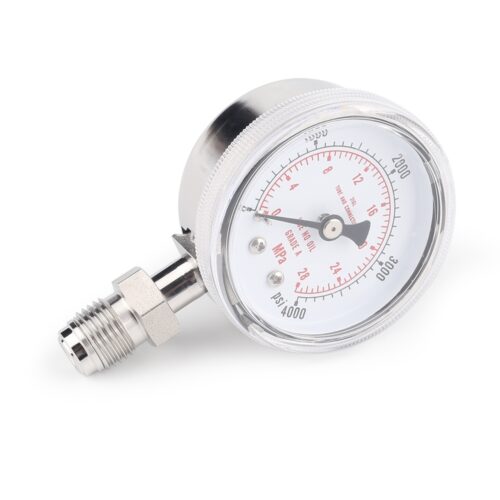
Ultra High Purity Oxygen Pressure Gauge For Semiconductor Gases JG Series Pressure Instruments For Semiconductor Manufacturing
-
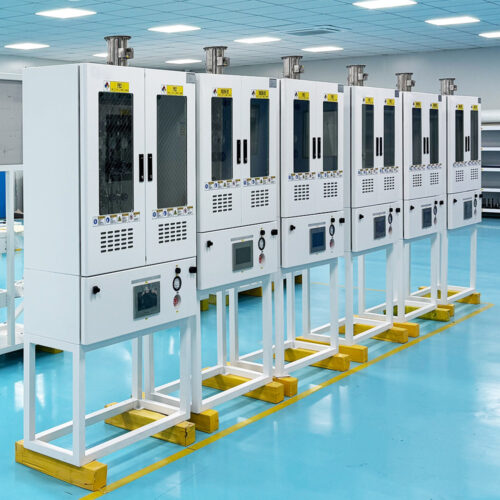
Corrosion Resistant 316L Stainless Steel Exhaust Gas Scrubber System for Harsh Chemical Process Environments
-
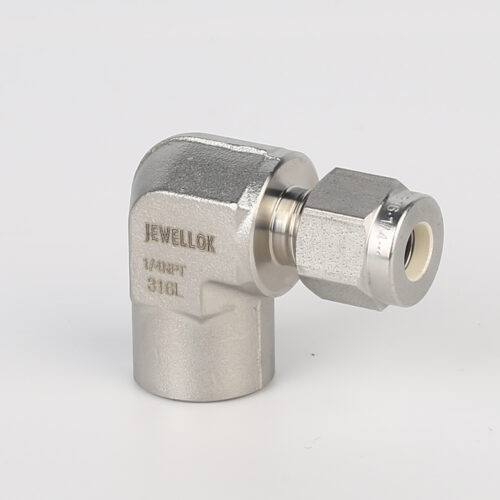
770L Female Elbow | Stainless Steel High Purity Weld Fittings Female Micro Elbow Fittings
-
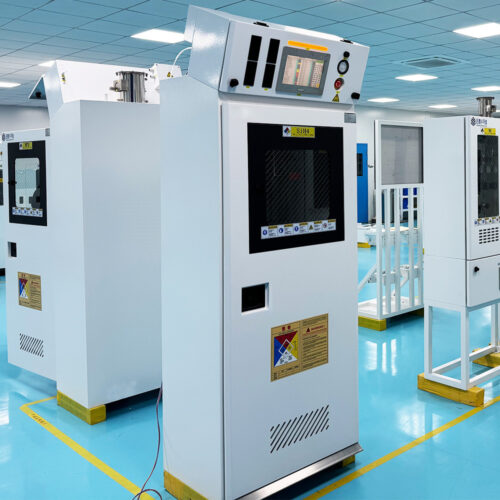
High-Efficiency Exhaust Gas Scrubber System for Semiconductor and Photovoltaic Hazardous Gas Abatement Solutions
-
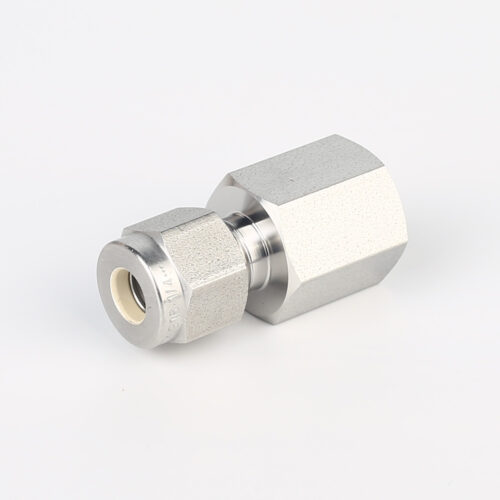
766L High Purity Female Connector UHP Fitting Female Connector
-
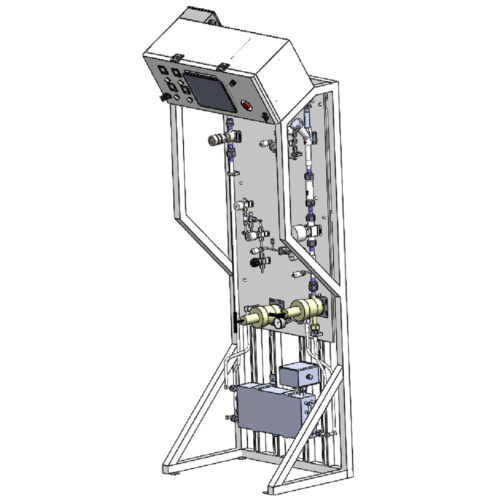
Fully Automated Gas Cabinet Gas Rack Gas Delivery Systems JW-300-GR
-
VMB Valve Manifold Panels And Boxes High Purity Configurable Systems JW-200-VMB & JW-100-VMB
-
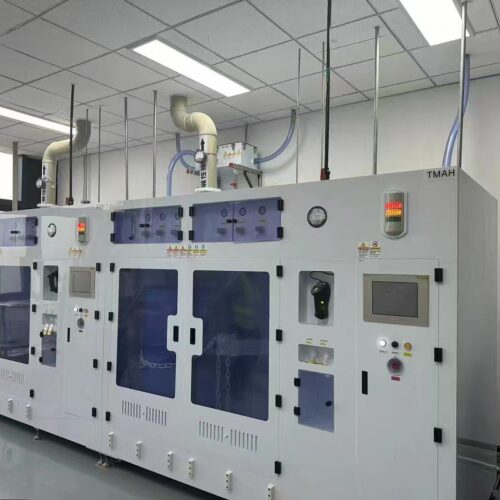
Automated Bulk Chemical Delivery System with Ultra High Purity CDU for Precise Industrial Fluid Control