
Regulator Manufacturer Tel: +86 13380377051
Regulator Manufacturer Tel: +86 13380377051
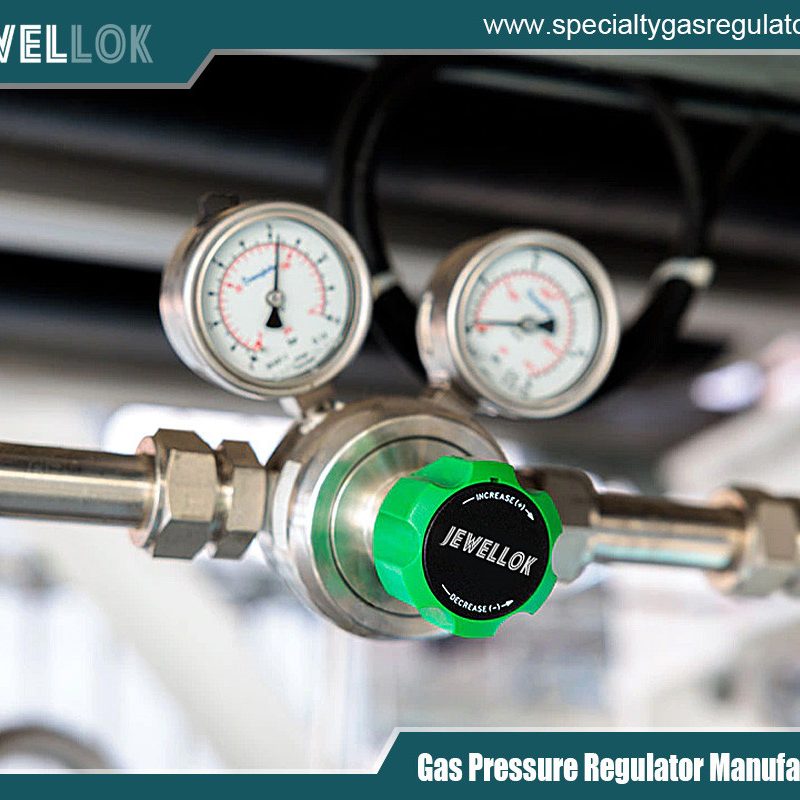
Safe Handling and Installation Procedures for High-Pressure Krypton Gas Regulators
Krypton (Kr), a noble gas with applications spanning lighting, insulation, lasers, and scientific research, is often stored and transported in high-pressure cylinders, typically up to 3000 psi (200 bar) or higher. The critical interface between this high-pressure source and the low-pressure application is the gas regulator. Improper handling or installation of high-pressure Kr regulators can lead to catastrophic failures, including regulator explosion, uncontrolled gas release, component ejection, and potential asphyxiation hazards. This technical article provides a comprehensive, step-by-step guide to the safe handling, installation, operation, and maintenance of high-pressure krypton gas regulators, emphasizing risk mitigation and industry best practices.
- The Importance of Procedural Rigor
Krypton’s inert nature can foster a false sense of security. However, the primary risks associated with its use are mechanical and physiological, not chemical. The immense potential energy stored in a compressed gas cylinder is released and controlled by the regulator. A failure in this device transforms the cylinder into a potential projectile. Furthermore, krypton, being denser than air, can accumulate in low-lying areas, displacing oxygen and creating an immediate asphyxiation risk in confined spaces.
Therefore, safety is not an option but a fundamental engineering requirement. Adherence to strict procedural protocols—encompassing personnel training, equipment selection, systematic installation, and disciplined maintenance—is paramount to ensuring personnel safety, protecting equipment, and maintaining process integrity.
- Understanding the System: Pressure Krypton Gas Regulator and Cylinder Fundamentals
Before handling, one must understand the components:
- High-Pressure Krypton Cylinder: Usually a seamless steel or aluminum cylinder with a brass valve assembly. The valve outlet connection is standardized.
- CGA Connection: The Compressed Gas Association (CGA) assigns specific fitting numbers to prevent the accidental connection of incompatible gases. For high-pressure krypton (and other noble gases), the most common outlet is the CGA 580 for pressures up to 3000 psi. Verification of the CGA number is the first and most critical step.
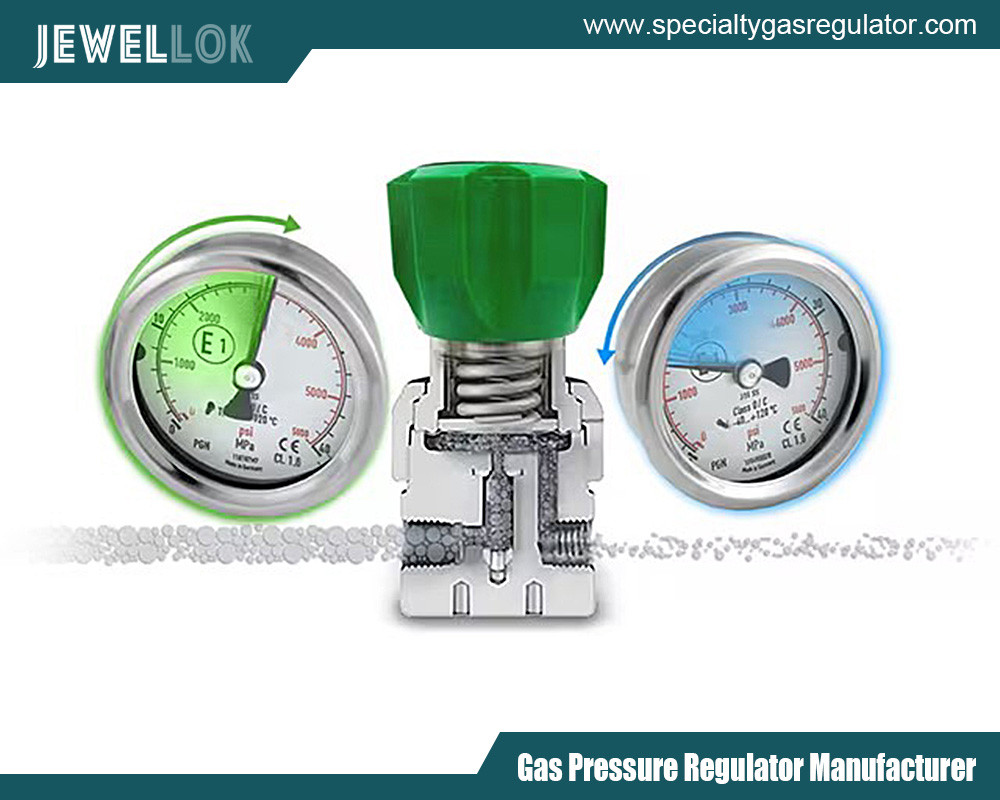
- Gas Regulator: A two-stage pressure reduction device is often recommended for high-pressure applications to provide more stable outlet pressure control.
- Inlet/High-Pressure Side: Designed for the cylinder’s maximum pressure (e.g., 3000 psi). Fitted with a CGA 580 nipple.
- Outlet/Low-Pressure Side: Equipped with a delivery port (e.g., ¼” NPT female) and a pressure adjustment knob. The gauge range must be appropriate for the desired delivery pressure.
- Materials: Internal components must be compatible with krypton. While krypton is non-corrosive, elastomer seals (like Neoprene or Viton) must be evaluated for purity requirements. For ultra-high purity applications, metal diaphragm (all-metal) regulators are used to prevent outgassing.
- Pre-Installation Safety and Inspection Protocols
3.1. Personnel Preparation and Worksite Assessment
- Training: Only personnel trained in compressed gas safety and specific regulator procedures should perform installations.
- PPE: Mandatory Personal Protective Equipment includes safety glasses with side shields or a full face shield, heavy-duty gloves, and closed-toe shoes. Fire-resistant clothing is advisable.
- Worksite: The area must be well-ventilated, clean, dry, and free of ignition sources. Ensure adequate space for safe cylinder maneuvering. Have a Class B or C fire extinguisher accessible.
- Cylinder Security: Verify the cylinder is properly secured to a stable wall, bench, or cart with an appropriate chain or strap to prevent tipping.
3.2. Component Inspection (“Look Before You Hook”)
- Cylinder Label: Confirm it contains Krypton. Check for any hazard warnings.
- Cylinder Valve: Inspect for visible damage, corrosion, or grease/oil contamination. Never use oil or lubricants on gas connections.
- Regulator Inspection:
- CGA Connection Match: Visually confirm the regulator inlet (CGA 580) matches the cylinder valve outlet.
- Pressure Gauge Integrity: Check for cracked glass, bent pointers, or signs of damage. Gauges must have valid calibration stickers if required by quality procedures.
- Inlet Filter: If equipped, ensure it is clean.
- Seal Integrity: Check the presence and condition of the gasket or seal at the CGA connection. Never use a regulator with a missing or damaged seal.
- Outlet Port: Ensure the delivery port is clean and the fitting is undamaged.
- Adjustment Knob: Turn it counter-clockwise until it rotates freely to fully depressurize the regulator’s internal spring chamber before installation.
- Step-by-Step Installation Procedure
Follow this sequence meticulously:
Step 1: Clear the Cylinder Valve.
Point the valve outlet away from yourself and others. Briefly open and immediately close the cylinder valve (cracking the valve) to clear any dust or debris from the orifice. This high-velocity purge lasts less than a second.
Step 2: Connect the Regulator.
With the regulator adjustment knob fully backed out (counter-clockwise), align the regulator inlet squarely with the cylinder valve outlet. Hand-tighten the union nut. For a CGA 580 connection, use an appropriate wrench to tighten the nut. Avoid over-tightening; a snug fit is sufficient to compress the seal. Over-torquing can damage the threads or seal, causing a leak.
Step 3: Connect the Delivery System.
Attach your downstream piping or tubing (e.g., to a vacuum chamber, laser tube, or gas panel) to the regulator’s outlet port. Use appropriate fittings and ensure they are leak-tight. Keep the downstream valve closed at this stage.
Step 4: Pressurize the Regulator Gradually.
- Stand to the side of the regulator, not in front of the gauges.
- Slowly open the cylinder valve fully. This ensures the cylinder valve’s packing seal is properly seated and prevents a high-pressure gas jet from damaging the regulator’s internal components. You will see the high-pressure (inlet) gauge indicate the cylinder pressure.
- The low-pressure (outlet) gauge should still read zero.
Step 5: Leak Check.
- With the downstream valve closed, use a certified leak detection solution (Snoop™) or an ultrasonic leak detector on all connections: cylinder valve stem, CGA connection, regulator body joints, and outlet connection.
- Never use soapy water, which can corrode fittings.
- If a leak is detected at the CGA connection, close the cylinder valve, depressurize the regulator (see Step 7), and re-tighten or replace the seal. Do not attempt repair under pressure.
Step 6: Set the Delivery Pressure.
- With the downstream system valve still closed, slowly turn the regulator adjustment knob clockwise. Observe the low-pressure gauge rise to the desired set point.
- Make fine adjustments slowly. Rapid pressurization can cause diaphragm damage or create dangerous pressure spikes downstream.
Step 7: System Shutdown and Regulator Depressurization.
When gas flow is no longer required:
- Close the cylinder valve.
- Open the downstream valve/system to bleed off pressure from the delivery line. The low-pressure gauge will fall to zero.
- Activate the regulator’s vent or bleed valve if equipped, or carefully loosen the downstream connection to ensure all pressure is released from the regulator body.
- Back out the adjustment knob fully (counter-clockwise) until it is loose. This relieves spring tension on the diaphragm, extending its life.
- The high-pressure gauge will now also read zero once the residual gas between the cylinder valve and regulator is consumed or vented.
- Operational Safety and Monitoring
- Never leave a pressurized regulator unattended for extended periods unless it is part of a permanently installed, monitored system.
- Regularly monitor both high- and low-pressure gauges during operation for unexpected fluctuations.
- If the regulator exhibits symptoms like creeping (outlet pressure rises with downstream valve closed) or locking up (failure to regulate), it requires immediate servicing. Close the cylinder valve and replace the regulator.
- Be aware of adiabatic cooling: Rapid expansion of high-pressure gas can cause extreme cooling, potentially freezing regulators or lines. Operate flow rates within the regulator’s specified limits.
- Emergency Procedures
- Major Leak or Rupture: Evacuate the area immediately if safe to do so. If possible, from a safe distance, close the main cylinder valve. Ventilate the area thoroughly before re-entry. Do not re-enter an oxygen-deficient atmosphere.
- Fire: If safe, remove cylinders from the fire zone. Otherwise, keep cylinders cool by spraying water from a protected location. Never attempt to move a cylinder that has become heated. Evacuate and let emergency services handle it.
- Personal Exposure (Asphyxiation Risk): In case of dizziness or breathlessness, evacuate to fresh air immediately. Administer oxygen if trained to do so and seek immediate medical attention.
- Maintenance, Storage, and Record-Keeping
- Preventive Maintenance: Regulators should be returned to a qualified technician for internal inspection, cleaning, and seal replacement at intervals recommended by the manufacturer (often annually) or after any suspected contamination.
- Storage: When not in use, store regulators in a clean, dry environment with protective caps on both inlet and outlet ports. Keep them separate from equipment used with corrosive or reactive gases.
- Records: Maintain a log for each regulator detailing installation dates, inspection findings, maintenance history, and any incidents.
- Conclusion
The safe handling and installation of high-pressure krypton gas regulators is a disciplined engineering practice rooted in understanding the hazards, respecting the equipment, and following a meticulous procedural checklist. There is no shortcut to safety. By investing in proper training, conducting thorough inspections, adhering to a stepwise installation and shutdown sequence, and committing to proactive maintenance, personnel and facilities can mitigate the significant risks associated with high-pressure inert gases. The procedures outlined here form a foundational framework that must be supplemented with site-specific risk assessments and adherence to all local regulations and standards, such as those from OSHA, CGA, and NFPA. Remember: when working with high-pressure systems, complacency is the true hazard.
For more about safe handling and installation procedures for high-pressure krypton gas regulators, you can pay a visit to Jewellok at https://www.specialtygasregulator.com/product-category/ultra-high-purity-diaphragm-valves/ for more info.
-
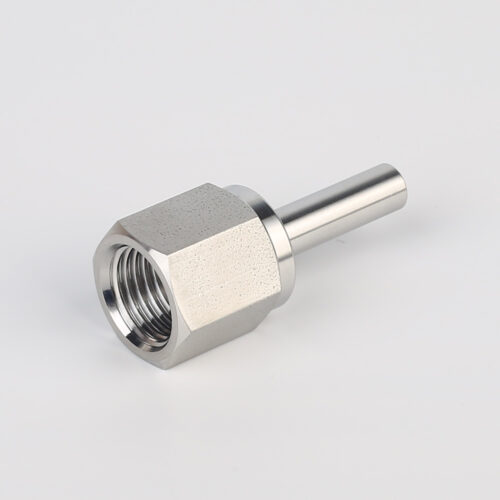
739LF High Purity Female Adapter Tube To Pipe Fittings And Connectors
-
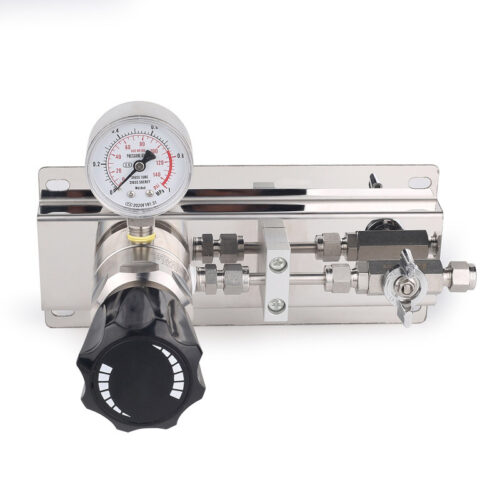
High Purity Gas Cylinder Semi Automatic Changeover Manifold Regulator Panel 3000psig Stainless Steel Gas Control Panel 1/8 Npt With Gauge
-
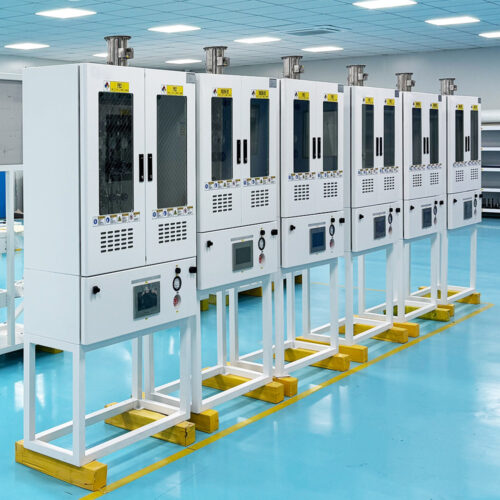
Integrated Gas Delivery Solutions with VMB Valve Manifold Box and Automatic Gas Switchover Systems for Industrial
-
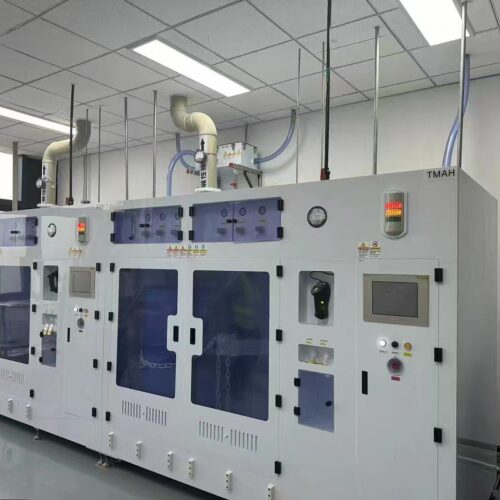
Automated Bulk Chemical Delivery System with Ultra High Purity CDU for Precise Industrial Fluid Control
-
Corrosion Resistant 316L Stainless Steel Exhaust Gas Scrubber System for Harsh Chemical Process Environments
-
Liquid Bulk Chemical Delivery System with Automatic Chemical Dispense Unit (CDU) Featuring 316L Electropolished Stainless Steel Piping Components
-
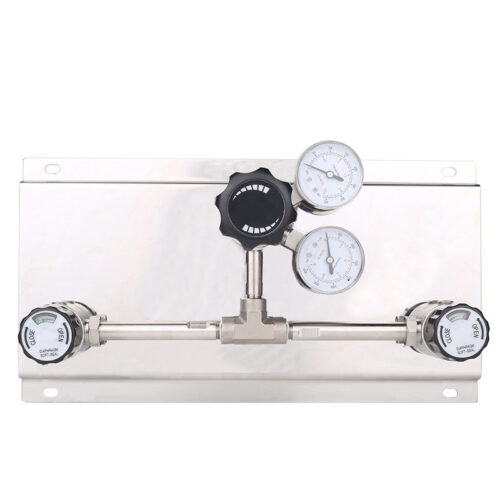
High Pressure High Flow Specialty Gas Control Panel With Diaphragm Valve , 3000Psig Oxygen Control Medical Changeover Manifold Panel
-
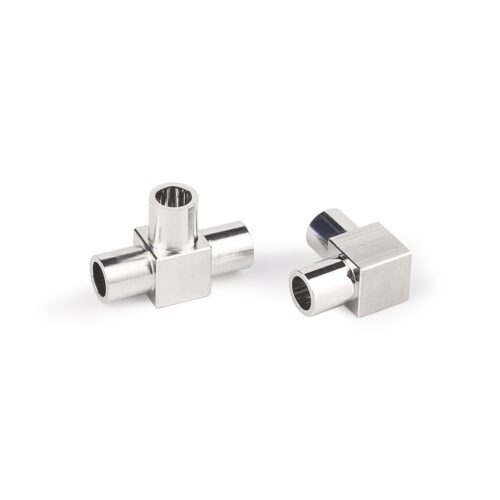
Stainless Steel Mini Elbow Mini Tee Mini Cross Mini Tribow Ultrahigh Purity Mini Butt Weld Fittings