
Regulator Manufacturer Tel: +86 13380377051
Regulator Manufacturer Tel: +86 13380377051
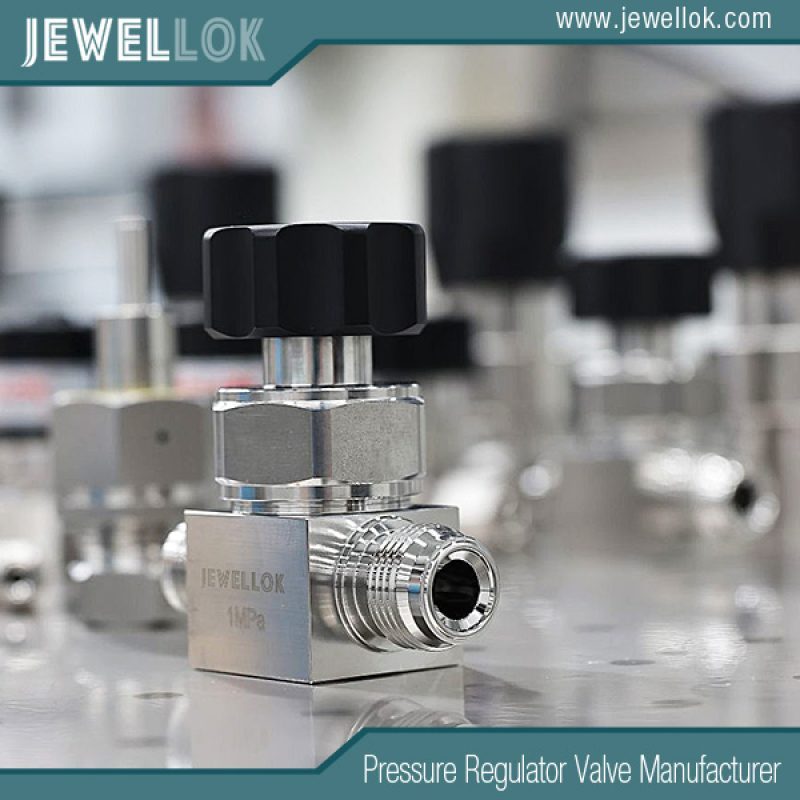
Complete Guide to Needle Valves for Industrial Flow Control
Needle valves are among the most important precision flow control components used in industrial fluid and gas systems. Designed to regulate flow rates with exceptional accuracy, needle valves play a critical role in industries such as oil and gas, chemical processing, semiconductor manufacturing, pharmaceutical production, power generation, laboratory research, and high-purity gas delivery systems.
Unlike standard ball valves or gate valves that are primarily designed for full open or full close operation, needle valves provide fine flow adjustment capabilities. Their unique design allows operators to precisely control small flow rates, making them ideal for applications where accurate pressure regulation and flow modulation are essential.
This guide explains how needle valves work, their design features, materials, applications, advantages, selection criteria, and maintenance practices for industrial flow control systems.
What Is a Needle Valve?
A needle valve is a type of control valve that uses a slender, tapered stem resembling a needle to regulate fluid or gas flow through a small orifice.
The valve stem moves up and down through threaded actuation, allowing the needle-shaped tip to gradually enter or exit the valve seat. This movement changes the flow area with high precision, enabling accurate control of flow rates.
Needle valves are commonly used in systems requiring:
- Precise flow regulation
- Pressure balancing
- Instrument isolation
- Sampling systems
- Calibration equipment
- High-pressure gas distribution
Their ability to provide repeatable and accurate adjustments makes them indispensable in critical industrial processes.
Working Principle of Needle Valves
The operation of a needle valve is relatively straightforward but highly effective.
Inside the valve body, a finely machined needle-shaped plunger moves toward or away from a matching seat. Rotating the valve handle or handwheel turns the threaded stem, causing the needle tip to move linearly.
Valve Opening Process
When the handle rotates counterclockwise:
- The stem retracts upward.
- The needle tip moves away from the seat.
- The flow passage enlarges gradually.
- Fluid or gas flow increases proportionally.
Valve Closing Process
When the handle rotates clockwise:
- The stem advances downward.
- The needle enters the seat.
- The flow path becomes increasingly restricted.
- Flow rate decreases until complete shutoff is achieved.
This gradual movement enables precise control over flow characteristics, unlike quarter-turn valves that transition rapidly between open and closed positions.
Main Components of a Needle Valve
Understanding the construction of a needle valve helps engineers select the appropriate valve for their application.
1. Valve Body
The valve body houses the internal components and provides pressure containment.
Common body configurations include:
- Straight pattern
- Angle pattern
- Multi-port design
2. Needle Stem
The stem contains the tapered needle tip responsible for flow regulation.
High-quality needle valves feature precision-machined stems to ensure smooth operation and accurate flow control.
3. Valve Seat
The seat forms the sealing surface against which the needle tip closes.
Seat materials may include:
- Metal-to-metal sealing
- PCTFE
- PTFE
- PEEK
- Vespel®
4. Packing System
The packing assembly prevents leakage around the valve stem.
Typical packing materials include:
- PTFE
- Graphite
- PEEK
- Advanced polymer composites
5. Handle or Actuator
The actuator allows manual or automated operation.
Options include:
- Handwheel
- T-bar handle
- Pneumatic actuator
- Electric actuator
Types of Needle Valves
Several needle valve designs are available to meet different industrial requirements.
Standard Needle Valves
These are the most common valves used for general flow regulation and shutoff applications.
Features:
- Moderate pressure capability
- Cost-effective design
- Suitable for liquids and gases
High-Pressure Needle Valves
Designed for demanding applications involving extreme pressures.
Typical characteristics:
- Pressure ratings exceeding 10,000 psi
- Reinforced body construction
- Enhanced sealing systems
Applications include:
- Hydraulic systems
- Test benches
- Gas cylinder filling stations
Fine Metering Needle Valves
Fine metering valves provide exceptionally accurate flow adjustment.
Advantages include:
- Improved resolution
- Repeatable flow settings
- Enhanced process control
Commonly used in:
- Laboratory systems
- Analytical instrumentation
- Semiconductor gas panels
Instrumentation Needle Valves
Instrumentation valves are specifically designed for pressure gauges, transmitters, and instrumentation systems.
Benefits include:
- Compact design
- High leak-tightness
- Reliable isolation capability
UHP Needle Valves
Ultra-high purity (UHP) needle valves are used in semiconductor and pharmaceutical environments.
Features include:
- Electropolished wetted surfaces
- Low particle generation
- High-purity 316L stainless steel construction
- Orbital welding compatibility
Common Materials Used in Needle Valves
Material selection directly affects performance, corrosion resistance, and service life.
Stainless Steel Needle Valves
316 and 316L stainless steel are the most widely used materials.
Advantages:
- Excellent corrosion resistance
- High strength
- Suitable for numerous industrial fluids
Applications:
- Chemical processing
- Oil and gas
- Semiconductor systems
Brass Needle Valves
Brass valves are economical and easy to machine.
Benefits:
- Cost-effective
- Good machinability
- Suitable for non-corrosive services
Commonly used in:
- Pneumatic systems
- Water systems
- HVAC equipment
Alloy Needle Valves
Special alloys are used for aggressive media and extreme conditions.
Examples include:
- Hastelloy®
- Monel®
- Inconel®
Applications:
- Offshore production
- Acid handling
- High-temperature processes
Advantages of Needle Valves
Needle valves offer several significant advantages over other valve types.
Precise Flow Control
The tapered needle design enables highly accurate flow regulation.
Excellent Shutoff Capability
Many needle valves provide bubble-tight sealing performance.
High Pressure Resistance
Needle valves can safely operate under very high pressures.
Compact Design
Their small footprint makes installation easier in confined spaces.
Durability
High-quality needle valves can withstand years of continuous operation with minimal maintenance.
Repeatability
Operators can repeatedly achieve similar flow settings, improving process consistency.
Industrial Applications of Needle Valves
Needle valves are utilized across a broad range of industries.
Oil and Gas Industry
Applications include:
- Pressure monitoring systems
- Sampling lines
- Instrument isolation
- Hydraulic control circuits
Chemical Processing
Needle valves help control:
- Corrosive chemicals
- Process gases
- Analytical sampling systems
Semiconductor Manufacturing
Modern semiconductor fabs rely heavily on precision flow control.
Needle valves are used in:
- Gas cabinets
- Valve manifold boxes
- Chemical delivery systems
- ALD and CVD process tools
- Ultra-high purity gas distribution systems
Power Generation
Power plants use needle valves for:
- Steam instrumentation
- Boiler control systems
- Pressure monitoring
Pharmaceutical Industry
Applications include:
- Clean process systems
- Sterile gas delivery
- Analytical instrumentation
Laboratory Equipment
Needle valves provide precise control in:
- Chromatography systems
- Gas analyzers
- Research equipment
Needle Valve vs Ball Valve
Engineers frequently compare needle valves with ball valves when selecting flow control components.
| Feature | Needle Valve | Ball Valve |
|---|---|---|
| Flow Control Precision | Excellent | Limited |
| Shutoff Speed | Slow | Fast |
| Pressure Capability | High | High |
| Throttling Performance | Excellent | Poor |
| Automation | Available | Widely Available |
| Fine Adjustment | Outstanding | Limited |
Ball valves are generally preferred for on/off service, while needle valves excel in flow regulation applications.
How to Select the Right Needle Valve
Choosing the correct needle valve requires careful consideration of system requirements.
Pressure Rating
Ensure the valve pressure rating exceeds the maximum system operating pressure.
Temperature Range
Verify compatibility with operating temperatures.
Media Compatibility
Select body and sealing materials resistant to the process media.
Flow Requirements
Determine the required flow coefficient (Cv value).
Connection Type
Common options include:
- Compression fittings
- NPT threads
- BSP threads
- VCR fittings
- Weld connections
Purity Requirements
For semiconductor and pharmaceutical applications, select valves designed specifically for ultra-high purity service.
Leakage Requirements
Critical gas systems may require helium leak testing and extremely low leakage rates.
Maintenance Best Practices
Proper maintenance maximizes valve reliability and lifespan.
Regular Inspection
Inspect for:
- External leakage
- Corrosion
- Handle damage
- Stem wear
Clean Operation
Keep contaminants away from sealing surfaces.
Avoid Over-Tightening
Excessive closing force can damage seats and reduce service life.
Verify Packing Condition
Replace worn packing before leakage occurs.
Follow Manufacturer Guidelines
Always adhere to maintenance intervals and torque specifications.
Future Trends in Needle Valve Technology
Industrial flow control continues to evolve with new technologies.
Key trends include:
Smart Valve Integration
Digital monitoring capabilities are becoming increasingly common.
Enhanced Materials
Advanced alloys and engineered polymers improve performance in aggressive environments.
Semiconductor Industry Growth
The expansion of semiconductor manufacturing is driving demand for ultra-high purity needle valves.
Improved Leak Performance
Manufacturers continue developing valves with lower fugitive emissions and superior sealing capabilities.
Automation Compatibility
Modern facilities increasingly require remote operation and integration with industrial control systems.
Conclusion
Needle valves remain one of the most reliable and precise solutions for industrial flow control. Their ability to accurately regulate flow, withstand high pressures, and provide dependable shutoff performance makes them indispensable in critical industrial applications.
Whether used in oil and gas facilities, chemical plants, pharmaceutical production lines, power stations, or semiconductor manufacturing environments, selecting the right needle valve is essential for achieving safe, efficient, and consistent process performance.
By understanding valve construction, operating principles, material options, and application requirements, engineers can make informed decisions that improve system reliability, reduce maintenance costs, and enhance overall operational efficiency. As industrial processes become increasingly sophisticated, needle valves will continue to play a vital role in ensuring precise and dependable flow control throughout modern manufacturing and processing facilities.
For more about complete guide to needle valves for industrial flow control, you can pay a visit to Jewellok at https://www.specialtygasregulator.com/product-category/specialty-gas-cabinet/ for more info.
-
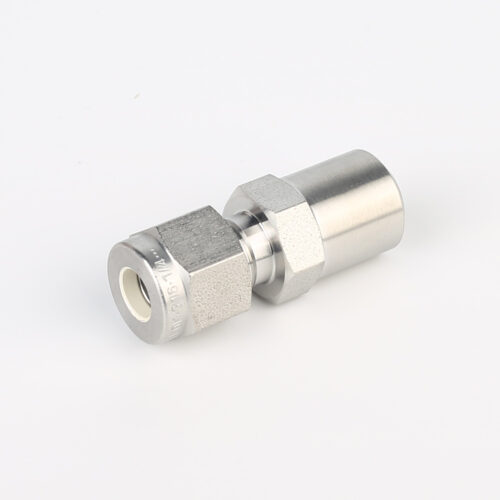
768LN Stainless Steel Male Pipe Tube Butt Weld Connector And Tube Fittings Supplier
-
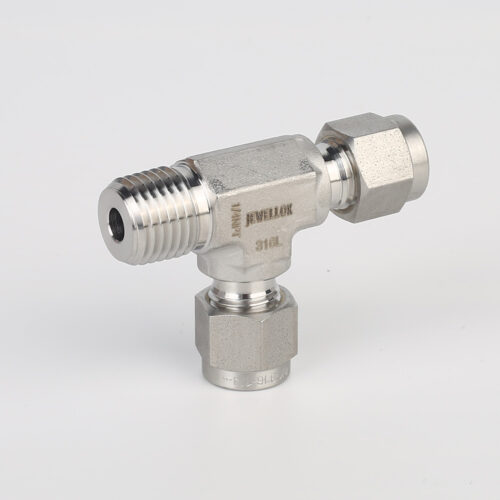
771L Male Run Tee | Stainless Steel High Quality High Purity Male Run Tee Branch Tee Pipe Fittings
-
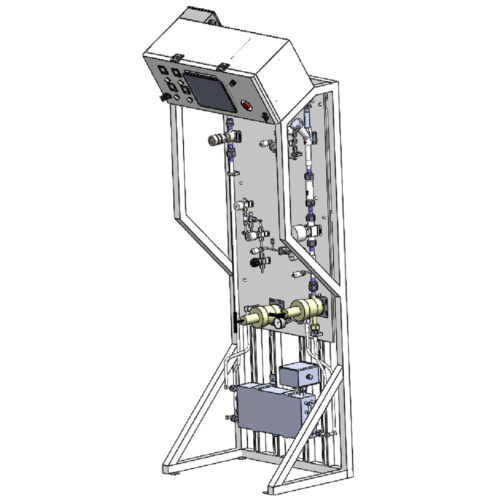
Fully Automated Gas Cabinet Gas Rack Gas Delivery Systems JW-300-GR
-
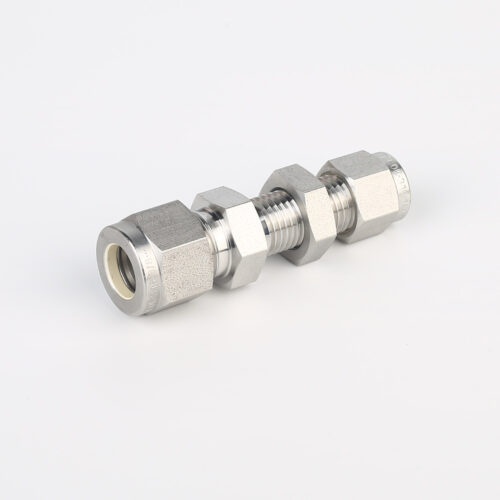
775L Bulkhead Reducing Union | Stainless Steel High Purity Double Ferrule Bulkhead Reducing Unions
-
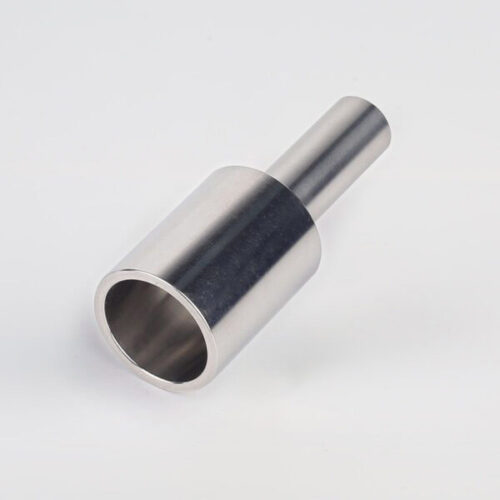
316L Stainless Steel Tube Butt Weld Reducing Fittings Union Reducer RW Series Ultrahigh Purity Process
-
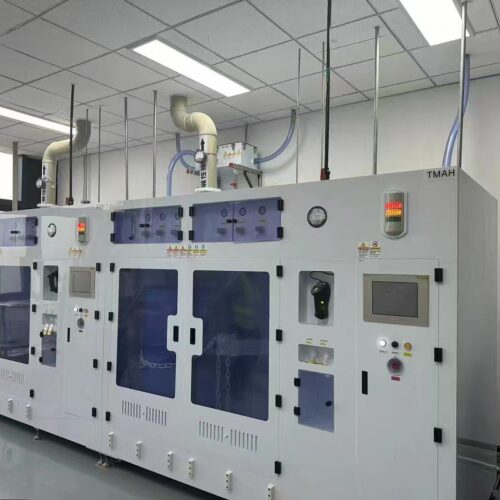
Liquid Bulk Chemical Delivery System with Automatic Chemical Dispense Unit (CDU) Featuring 316L Electropolished Stainless Steel Piping Components
-
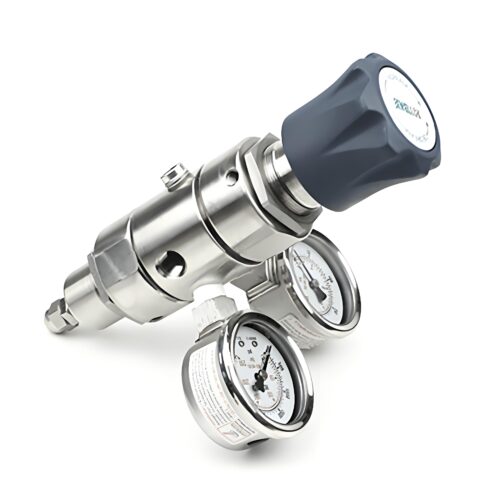
DPR1 Ultra High Purity Two Stage Dual Stage Pressure Reducing Regulator Semiconductor Grade Regulators
-
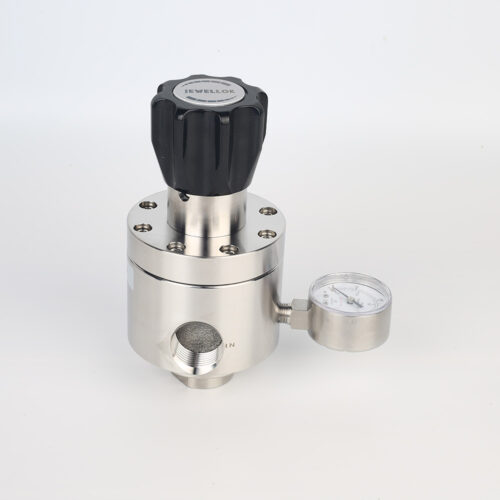
Low Pressure High Flow Line Pressure Regulators And Control Valves JSR-4L Series For Laboratory Pressure Control