
Regulator Manufacturer Tel: +86 13380377051
Regulator Manufacturer Tel: +86 13380377051
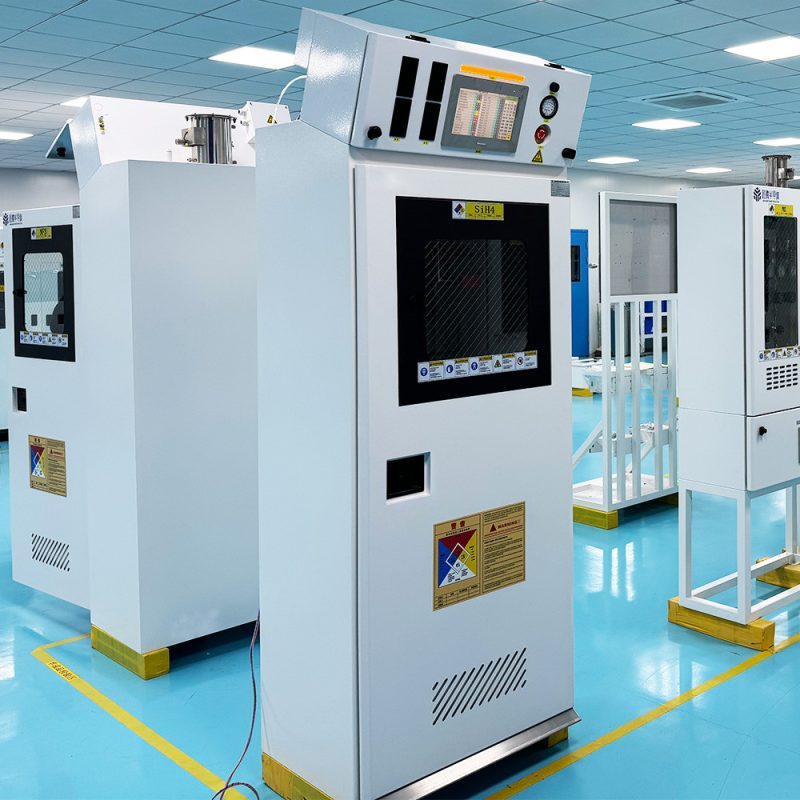
The Critical Role of the Exhaust Gas Scrubber System in Modern Industrial Environmental Management
In the rapidly evolving landscape of advanced manufacturing, the exhaust gas scrubber system has transitioned from a secondary utility to a mission-critical component of industrial infrastructure. As global environmental regulations tighten and the complexity of chemical byproducts increases—particularly in the semiconductor, photovoltaic, biotechnology, chemical processing, and marine sectors—high-efficiency abatement systems have become essential for both regulatory compliance and operational safety. These systems not only capture and neutralize hazardous emissions but also enable facilities to maintain continuous production while minimizing environmental impact and protecting worker health. With the rise of high-tech processes that generate increasingly toxic tail gases, the exhaust gas scrubber system now stands as a cornerstone of sustainable industrial operations in 2026.
1. Understanding the Fundamental Operating Principles
An exhaust gas scrubber system is engineered to remove pollutants, particulates, acidic vapors, and hazardous compounds from industrial exhaust streams before atmospheric release. The core mechanism relies on mass transfer, where contaminants shift from the gas phase to a liquid or solid phase through absorption, adsorption, or chemical reaction. This process ensures that toxic gases are converted into less harmful substances or captured for safe disposal.
Wet scrubbing remains the dominant technology due to its versatility and high removal efficiency. In a wet scrubber, a liquid solvent—typically water, alkaline solutions, or specialized reagents—contacts the exhaust gas stream. The key to performance is maximizing the gas-liquid interface. Packing materials such as Pall rings, Raschig rings, or structured packing create a thin wetted film across a large surface area, promoting intimate contact. For acidic gases like hydrogen fluoride (HF), hydrogen chloride (HCl), or sulfur dioxide (SO₂), an alkaline reagent such as sodium hydroxide (NaOH) is injected to achieve neutralization. The reaction is straightforward yet highly effective: for example, HCl + NaOH → NaCl + H₂O. This pH adjustment prevents corrosion downstream and converts volatile acids into stable salts that can be easily treated in wastewater systems.
Wet scrubbers come in several configurations tailored to specific needs. Packed-bed towers excel in handling soluble gases with moderate particulate loads, while venturi scrubbers use high-velocity gas flow through a constricted throat to atomize liquid into fine droplets, achieving superior capture of sub-micron particulates and dust. Spray towers, on the other hand, offer lower pressure drops and are ideal for high-volume, low-concentration streams. Efficiency can exceed 99% when properly designed, but performance depends on factors such as liquid-to-gas ratio, contact time, and reagent strength.
In contrast, dry scrubbing and adsorption systems are preferred where water conservation is critical or where gases react poorly with liquids. Dry scrubbers inject solid sorbents—such as lime, sodium bicarbonate, or activated carbon—directly into the gas stream. Pollutants undergo chemisorption, binding permanently to the media within a cartridge or fixed bed. These systems are particularly effective for mercury, dioxins, or volatile organic compounds (VOCs) and eliminate the need for wastewater treatment. Hybrid semi-dry designs combine limited moisture with dry media to enhance reactivity while keeping liquid usage minimal.
2. Advanced Hardware: The Scrubber Tail Gas Treatment Cabinet
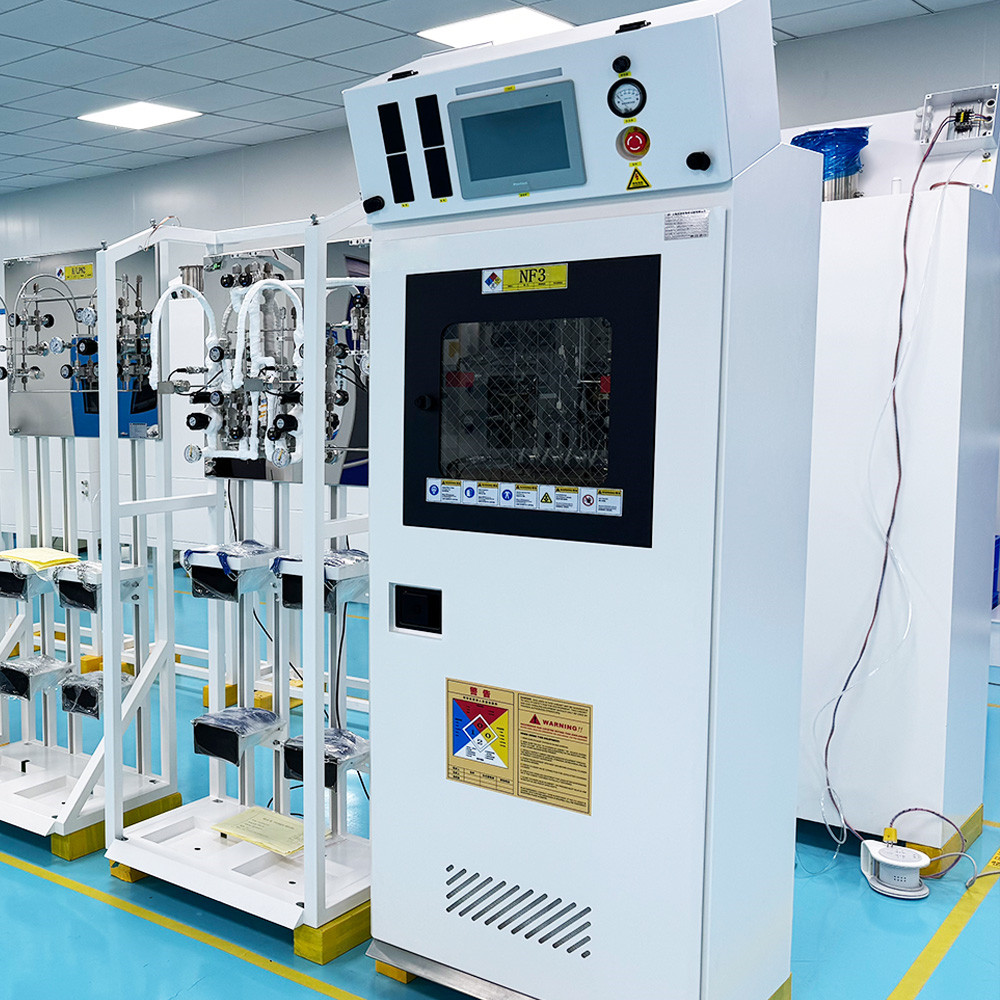
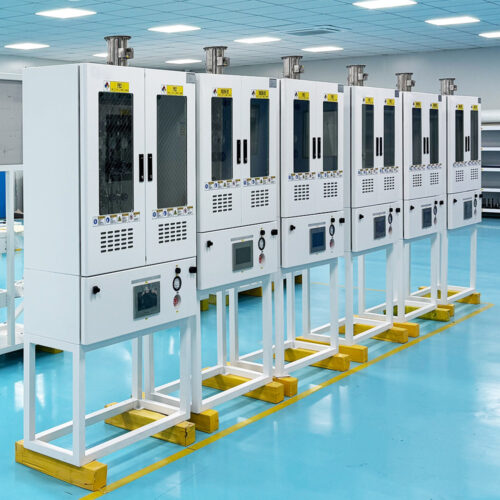
A defining trend in 2026 is the seamless integration of point-of-use (POU) abatement with gas delivery infrastructure. The scrubber tail gas treatment cabinet represents the final safety barrier in bulk specialty gas systems (BSGS). By positioning the scrubber immediately downstream of the gas cabinet, operators neutralize toxic byproducts at the source rather than allowing them to accumulate in extensive facility ductwork.
This localized approach delivers multiple advantages. First, it achieves consistent 99%+ removal efficiency by treating concentrated tail gases before dilution. Second, it enhances material compatibility: cabinets are fabricated from corrosion-resistant 316L stainless steel, PVDF, CPVC, or Hastelloy alloys to withstand aggressive chemistries such as chlorine, ammonia, or silane derivatives. Third, it reduces footprint and installation costs compared to centralized abatement plants.
Modern cabinets incorporate modular designs for easy maintenance and scalability. Automated valves, pressure sensors, and flow controllers ensure fail-safe operation, triggering emergency shutdowns or purge sequences if anomalies are detected. In high-purity environments like semiconductor fabs, these integrated units prevent cross-contamination and support rapid tool changeovers.
3. Industry-Specific Applications and Pollutant Profiles
Effective exhaust gas scrubber system design demands precise matching to process-specific emissions. Different sectors generate unique pollutant profiles, requiring customized configurations.
|
Industry
|
Primary Pollutants
|
Preferred Scrubber Type
|
Key Challenges
|
|---|---|---|---|
|
Semiconductors
|
HF, HCl, NH₃, Cl₂, silane byproducts
|
Multi-stage wet scrubbers or plasma-assisted
|
High toxicity, variable flow rates
|
|
Photovoltaics
|
Acidic vapors, particulates, SiH₄
|
Venturi scrubbers for dust-heavy streams
|
High particulate loading
|
|
Biotechnology/Pharma
|
VOCs, ammonia, organic acids
|
Packed-bed wet scrubbers with chemical dosing
|
Biological safety and odor control
|
|
Marine/Shipping
|
SOₓ, NOₓ, particulate matter
|
Open- or closed-loop seawater scrubbers
|
Compliance with IMO regulations
|
|
Chemical Processing
|
H₂S, SO₂, halogens
|
Dry or hybrid scrubbers for water-sensitive
|
Corrosive and flammable gases
|
In semiconductor manufacturing, the surge in heterogeneous integration and AI-accelerated chip production has dramatically increased hazardous gas volumes. POU scrubbers have become indispensable for handling pyrophoric and corrosive exhaust from deposition and etching tools. The global POU abatement market reflects this demand, with projections indicating substantial growth through the next decade.
Photovoltaic facilities face heavy particulate burdens from silicon wafer processing, making high-energy venturi designs optimal. Marine applications leverage seawater’s natural alkalinity in closed-loop systems to meet stringent sulfur oxide limits while minimizing freshwater consumption. Across all sectors, the exhaust gas scrubber system must balance removal efficiency with operational economics and environmental footprint.
4. Critical Engineering Considerations for 2026
Contemporary exhaust gas scrubber system design rests on three pillars: durability, digitalization, and sustainability. Corrosion resistance is paramount. Exhaust streams often contain concentrated acids and oxidizers that rapidly degrade inferior materials. Engineers specify high-performance polymers (PVDF, CPVC) and exotic alloys for piping, vessels, and internals to extend service life beyond 10 years and minimize unplanned downtime.
Digitalization transforms scrubber performance. Real-time sensors monitor pH, oxidation-reduction potential (ORP), turbidity, and pollutant concentration. Data feeds into programmable logic controllers (PLCs) that dynamically adjust reagent dosing, recirculation rates, and blowdown cycles. This closed-loop control can reduce chemical consumption by 20–30% while maintaining outlet concentrations below regulatory thresholds.
Energy efficiency innovations are equally vital. Traditional induced-draft fans consume significant power, but new jet-ejector scrubbers exploit the Venturi effect to create pressure gain within the system, potentially eliminating auxiliary fans entirely. Heat recovery exchangers capture thermal energy from hot exhaust, improving overall plant efficiency. Noise reduction, vibration control, and modular construction further support installation in space-constrained cleanrooms.
Maintenance protocols emphasize predictive analytics. Vibration sensors and ultrasonic thickness gauges detect wear before failure. Regular media replacement and nozzle cleaning schedules prevent fouling and maintain design efficiency.

5. Conclusion: The Future of Emission Control
The exhaust gas scrubber system has matured into a sophisticated chemical reactor that transforms lethal industrial byproducts into manageable waste streams. As we advance through 2026, the convergence of gas delivery and tail-gas treatment into unified, intelligent platforms will define next-generation sustainable manufacturing. Facilities that invest in high-removal-efficiency systems with robust material selection and smart controls will not only achieve regulatory compliance but also gain competitive advantages through reduced operating costs, enhanced safety, and demonstrated environmental stewardship.
For forward-looking organizations, the exhaust gas scrubber system is no longer an optional add-on—it is a strategic asset. By prioritizing integrated POU solutions, advanced monitoring, and sustainable design, industries can confidently navigate tightening emissions standards while safeguarding both the planet and their operational continuity. The continued evolution of these systems promises even greater efficiencies and broader applicability, reinforcing their indispensable role in responsible high-tech manufacturing worldwide.
For more about exhaust gas scrubber system, you can pay a visit to Jewellok at https://www.specialtygasregulator.com/product-category/specialty-gas-cabinet/ for more info.
-
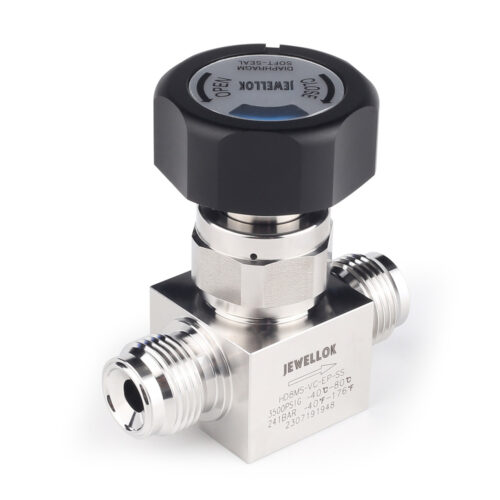
Stainless Steel Ultra High Purity (UHP) High Pressure Manual Diaphragm Valve
-
Automatic Chemical Delivery Module (CDM) and Chemical Delivery System (CDS) for Precise Point of Use Blending and Dilution
-
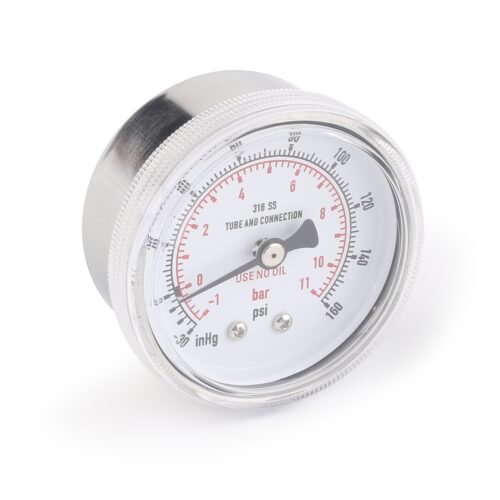
Ultra High Purity Pressure Gauge For Laboratory And Semiconductor JR Series
-
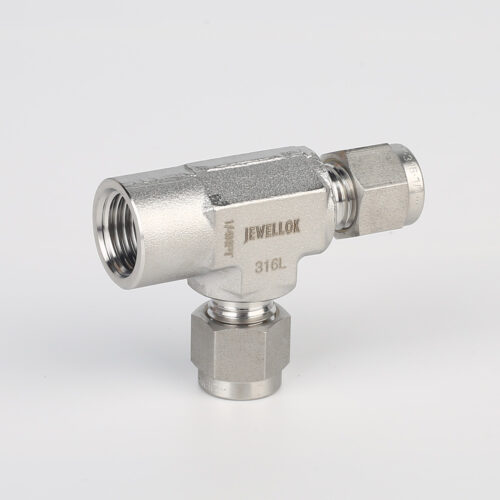
771LF Female Run Tee | Stainless Steel Tube Fitting Compression Fittings 1/4 In 3-Way Tee Female Run Tee
-
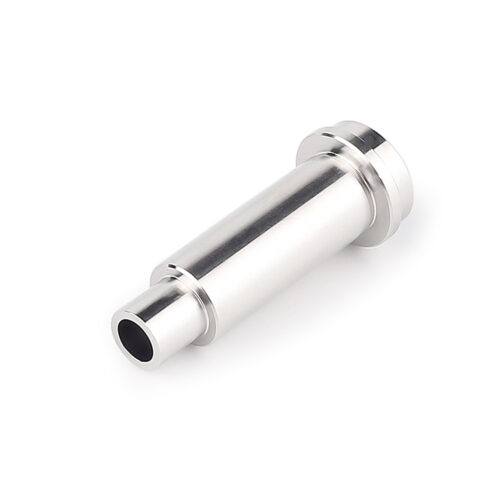
UHP Metal Gasket Face Seal Fittings Vacuum Coupling Metal Face Seal Join Long Gland And Short Gland
-
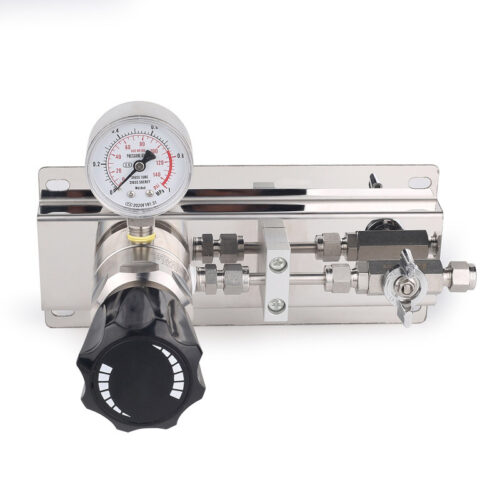
High Purity Gas Cylinder Semi Automatic Changeover Manifold Regulator Panel 3000psig Stainless Steel Gas Control Panel 1/8 Npt With Gauge
-
High Purity Chemical Dispense System & Packing System For Semiconductors JW-200L-CDM & JW-1000L-CDM
-
Ultra High Purity Diaphragm Valves and Pressure Regulators for Reliable Ultra High Purity Liquid Chemical Handling Systems