
Regulator Manufacturer Tel: +86 13380377051
Regulator Manufacturer Tel: +86 13380377051
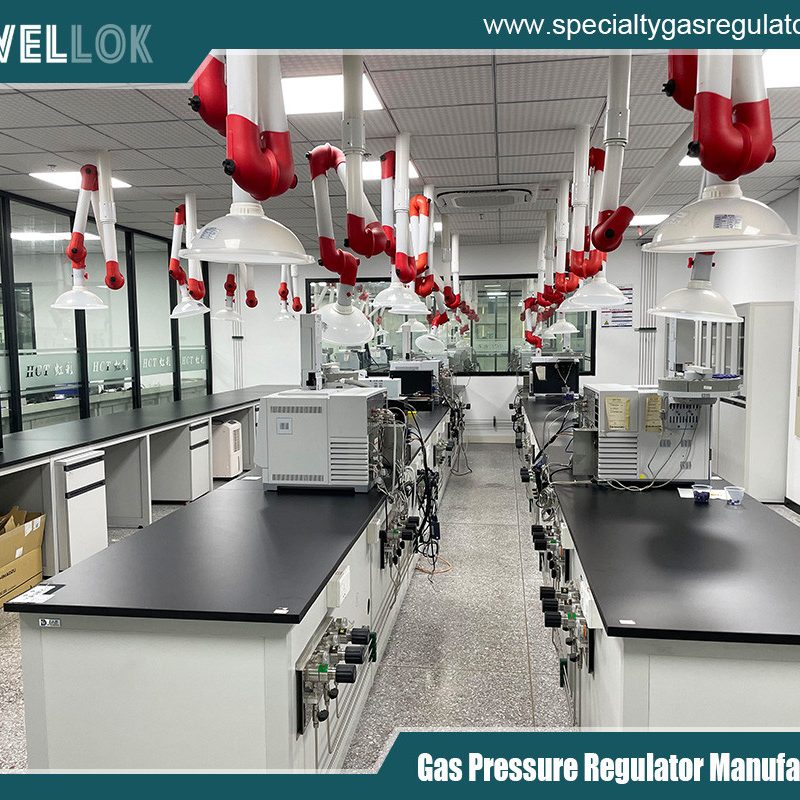
How Laboratory Gas Valves Improve Gas System Safety and Efficiency
Introduction
Modern laboratories rely on a wide variety of gases to support research, testing, quality control, pharmaceutical development, semiconductor manufacturing, chemical analysis, biotechnology, environmental monitoring, and educational experiments. From compressed air and nitrogen to hydrogen, oxygen, helium, argon, carbon dioxide, and specialty gases, every laboratory depends on a safe and reliable gas distribution system.
At the center of every laboratory gas system is one critical component—the laboratory gas valve. Although relatively small compared to pipelines, regulators, manifolds, or gas cabinets, laboratory gas valves play an essential role in controlling gas flow, maintaining system integrity, protecting personnel, and ensuring accurate experimental results.
As laboratories continue to adopt automation, higher purity standards, and stricter safety regulations, selecting high-quality laboratory gas valves has become more important than ever. Whether installed in research institutions, hospitals, universities, analytical laboratories, or semiconductor facilities, these valves significantly improve both gas system safety and operational efficiency.
This article explores how laboratory gas valves enhance laboratory performance, the different valve types available, important selection criteria, and why investing in premium gas valves provides long-term benefits.

What Are Laboratory Gas Valves?
Laboratory gas valves are precision flow control devices designed to start, stop, isolate, or regulate gas flow within laboratory gas distribution systems. They connect directly to gas pipelines, gas outlets, regulators, manifolds, or equipment requiring compressed or specialty gases.
Unlike ordinary industrial valves, laboratory gas valves are specifically engineered for:
- High reliability
- Leak-tight sealing
- Corrosion resistance
- High purity gas service
- Frequent operation
- Long service life
- Easy maintenance
They are manufactured using premium materials such as:
- 316L stainless steel
- Brass
- Nickel-plated brass
- PTFE sealing materials
- PCTFE seats
- High-performance elastomers
Premium laboratory valves are capable of handling both inert and reactive gases while maintaining extremely low leakage rates.
Why Laboratory Gas Valve Quality Matters
Many laboratory managers focus on gas cylinders, pressure regulators, or gas detection systems while overlooking valve quality. However, the valve is one of the most frequently operated components in the entire gas system.
A poorly manufactured valve may result in:
- Gas leakage
- Pressure instability
- Flow fluctuations
- Equipment damage
- Contamination
- Increased operating costs
- Safety hazards
Conversely, a high-quality laboratory gas valve provides reliable shutoff, consistent gas delivery, and long-term operational stability.
Improving Laboratory Safety Through Reliable Gas Isolation
1. Preventing Gas Leaks
Gas leakage represents one of the greatest risks in laboratory environments.
Hazardous gases such as hydrogen, chlorine, ammonia, silane, or toxic specialty gases can create severe safety risks even from small leaks.
High-quality laboratory gas valves minimize leakage through:
- Precision-machined valve bodies
- Bubble-tight sealing
- High-performance seats
- Advanced stem sealing technology
- Double sealing structures
Leak-tight valves significantly reduce workplace hazards and improve compliance with laboratory safety regulations.
2. Emergency Gas Shutoff
During emergencies such as:
- Fire
- Equipment failure
- Gas detector alarms
- Pipeline rupture
- Chemical accidents
Laboratory personnel must immediately isolate gas supplies.
Strategically installed isolation valves allow operators to quickly stop gas flow, limiting potential damage and improving emergency response times.
Some laboratories integrate automatic shutoff valves with:
- Gas leak detectors
- Fire alarm systems
- Building management systems
- Emergency stop buttons
This automated protection further enhances laboratory safety.
3. Preventing Cross Contamination
Research laboratories often use multiple gases simultaneously.
Examples include:
- Nitrogen
- Oxygen
- Hydrogen
- Helium
- Carbon dioxide
- Argon
- Specialty calibration gases
Properly designed laboratory gas valves help isolate each gas line, preventing accidental mixing or contamination.
This is especially important in:
- Pharmaceutical laboratories
- Semiconductor cleanrooms
- Gas chromatography
- Mass spectrometry
- Biotechnology research
Maintaining gas purity directly affects experimental accuracy.
Enhancing Gas System Efficiency
Safety is only one aspect of laboratory valve performance. Efficient gas control also improves productivity while reducing operating costs.
Stable Gas Flow
Many laboratory instruments require highly stable gas flow.
Examples include:
- Gas chromatographs
- ICP-MS systems
- Atomic absorption spectrometers
- Laser systems
- Analytical instruments
- Semiconductor process equipment
Precision valves maintain stable flow rates while minimizing pressure fluctuations.
Stable gas delivery leads to:
- Better experimental repeatability
- Higher product quality
- Improved analytical accuracy
- Reduced instrument downtime
Reduced Gas Consumption
Gas waste increases laboratory operating expenses.
Premium valves provide accurate shutoff without internal leakage, reducing unnecessary gas loss.
When combined with proper regulators and flow controllers, laboratory gas valves help laboratories:
- Lower gas consumption
- Reduce cylinder replacement frequency
- Improve resource utilization
- Decrease operating costs
Over several years, these savings often exceed the initial investment in premium valve systems.
Faster Maintenance
Laboratory equipment requires routine servicing.
Isolation valves installed at individual equipment branches allow maintenance without shutting down the entire gas system.
Benefits include:
- Less downtime
- Faster equipment replacement
- Simplified repairs
- Reduced disruption to laboratory operations
Maintenance personnel can safely isolate individual instruments while the remainder of the laboratory continues normal operations.
Supporting High-Purity Gas Applications
Many modern laboratories require ultra-high purity (UHP) gases.
Examples include:
- Semiconductor manufacturing
- Nanotechnology
- Pharmaceutical research
- Analytical chemistry
- Life sciences
In these environments, even microscopic contamination may affect experimental results.
High-purity laboratory gas valves feature:
- Electropolished internal surfaces
- Low dead volume
- Orbital weld connections
- Metal diaphragm sealing
- Low particle generation
- Low outgassing materials
These features maintain gas purity throughout the distribution system.
Types of Laboratory Gas Valves
Different laboratory applications require different valve designs.
Ball Valves
Ball valves are widely used for:
- On/off isolation
- Quick shutoff
- High flow capacity
- Long service life
Advantages include:
- Quarter-turn operation
- Excellent sealing
- Minimal pressure drop
- Easy operation
Needle Valves
Needle valves provide precise flow adjustment.
Typical applications include:
- Instrument calibration
- Analytical gas systems
- Flow control
- Laboratory research
Their fine-thread stem design allows extremely accurate flow regulation.
Diaphragm Valves
Diaphragm valves are preferred for ultra-high purity gas systems.
Advantages include:
- Zero stem leakage
- Excellent cleanliness
- High corrosion resistance
- Long cycle life
They are widely used in semiconductor laboratories.
Solenoid Valves
Electrically operated solenoid valves enable automatic gas control.
Applications include:
- Automated laboratories
- Gas monitoring systems
- Emergency shutdown
- Process automation
They integrate easily with PLC and SCADA control systems.
Check Valves
Check valves prevent reverse gas flow.
Benefits include:
- Equipment protection
- Pipeline safety
- Reduced contamination
- Improved system reliability
They are particularly useful in mixed gas distribution systems.
Materials Used in Laboratory Gas Valves
Material selection greatly influences valve performance.
316L Stainless Steel
The preferred material for:
- Corrosive gases
- High-purity gases
- Specialty gases
- Cleanroom applications
Benefits include:
- Excellent corrosion resistance
- Low contamination
- High strength
- Long service life
Brass
Suitable for:
- Compressed air
- Nitrogen
- Inert gases
- General laboratory service
Advantages include:
- Lower cost
- Easy machining
- Good durability
PTFE and PCTFE Seats
Modern valve seats use advanced polymers offering:
- Chemical resistance
- Low friction
- Excellent sealing
- Long service life
These materials ensure reliable performance even under demanding laboratory conditions.
Compliance with Laboratory Safety Standards
Quality laboratory gas valves help laboratories comply with international safety standards.
Common standards include:
- ISO quality management systems
- CGA (Compressed Gas Association)
- ASTM material standards
- SEMI standards
- OSHA workplace safety requirements
- Local laboratory regulations
Selecting certified valves reduces compliance risks while improving overall laboratory safety.
Choosing the Right Laboratory Gas Valve
Several factors should be evaluated before purchasing laboratory gas valves.
Gas Compatibility
Verify compatibility with:
- Inert gases
- Oxidizing gases
- Toxic gases
- Corrosive gases
- High-purity gases
Pressure Rating
Choose valves capable of safely handling both normal operating pressure and maximum system pressure.
Leakage Rate
High-quality valves should provide extremely low internal and external leakage, especially in specialty gas applications.
Connection Type
Common options include:
- Compression fittings
- NPT threads
- BSP threads
- VCR fittings
- Tube weld connections
The connection should match the existing laboratory gas system.
Operating Temperature
Confirm that valve materials remain stable under expected laboratory temperature conditions.
Service Life
Laboratory valves may be operated thousands of times annually.
Selecting valves with long cycle life reduces maintenance costs.
Smart Laboratory Gas Valves
As laboratories become increasingly digital, intelligent gas management systems are gaining popularity.
Modern smart gas valves may include:
- Remote monitoring
- Electric actuators
- Position indicators
- Flow monitoring
- Pressure feedback
- Automatic shutoff
- IoT connectivity
These technologies improve preventive maintenance and support Industry 4.0 laboratory management.
Best Practices for Laboratory Gas Valve Maintenance
Regular maintenance maximizes both safety and service life.
Recommended practices include:
- Inspect valves regularly for leakage.
- Verify smooth opening and closing operation.
- Replace worn seals according to manufacturer recommendations.
- Keep valve surfaces clean and free from contaminants.
- Perform leak testing after maintenance.
- Train laboratory personnel on proper valve operation.
- Record maintenance history for compliance purposes.
Preventive maintenance minimizes unexpected failures and extends equipment lifespan.
Why Choose a Professional Laboratory Gas Valve Manufacturer?
A trusted manufacturer offers more than just high-quality products. Professional suppliers provide engineering expertise, customization options, and reliable technical support to ensure optimal system performance.
Leading manufacturers typically offer:
- Precision-engineered gas valves
- High-purity stainless steel construction
- Strict quality inspection
- Leak testing for every valve
- OEM and customized solutions
- Fast global delivery
- Technical consultation and after-sales support
For specialized industries such as semiconductor manufacturing, pharmaceuticals, biotechnology, analytical laboratories, and research institutions, partnering with an experienced supplier ensures that every component meets demanding performance and safety requirements.
Conclusion
Laboratory gas valves are indispensable components of modern gas distribution systems. They perform far more than simple on/off functions—they safeguard personnel, maintain gas purity, stabilize flow, reduce operating costs, and improve the overall efficiency of laboratory operations.
Whether managing a university research laboratory, pharmaceutical testing facility, hospital laboratory, or semiconductor cleanroom, selecting high-quality gas valves is a critical investment in long-term reliability and safety.
As laboratory technologies continue to evolve toward greater automation, digital monitoring, and ultra-high purity requirements, advanced laboratory gas valves will remain fundamental to achieving precise gas control and maintaining the highest standards of operational excellence. By choosing durable, leak-tight, and precision-engineered valves from a reputable manufacturer, laboratories can build safer, more efficient, and future-ready gas systems that support consistent performance for years to come.
For more about how laboratory gas valves improve gas system safety and efficiency, you can pay a visit to Jewellok at https://www.specialtygasregulator.com/product-category/specialty-gas-cabinet/ for more info.
-
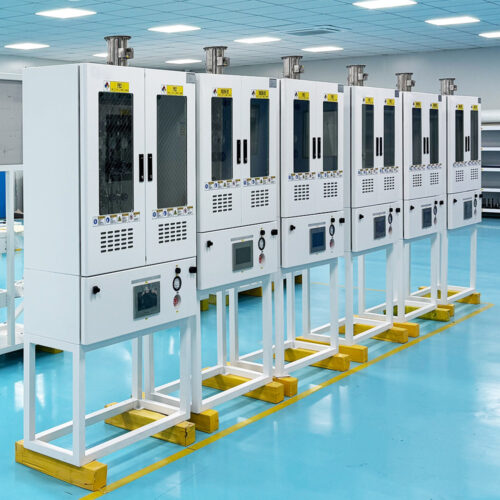
Corrosion Resistant 316L Stainless Steel Exhaust Gas Scrubber System for Harsh Chemical Process Environments
-
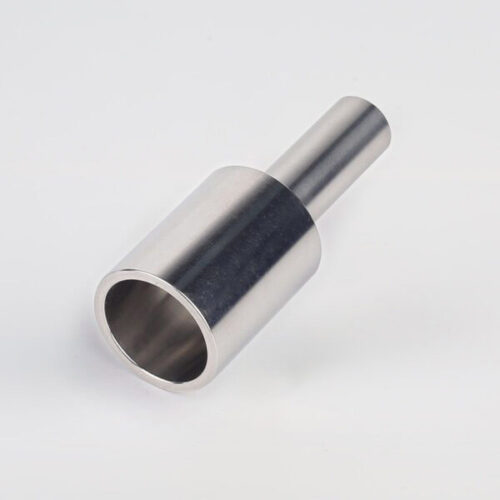
316L Stainless Steel Tube Butt Weld Reducing Fittings Union Reducer RW Series Ultrahigh Purity Process
-
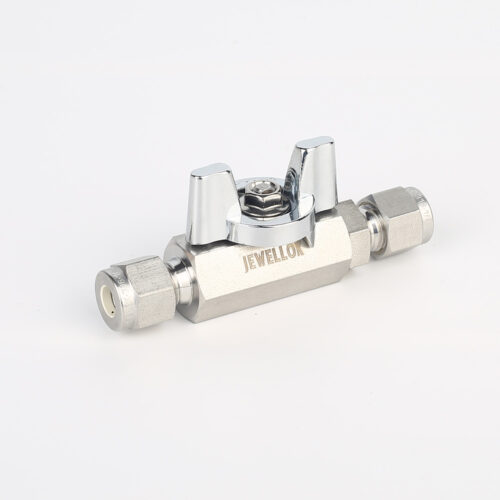
Stainless Steel High-Purity High Temperature Metal Seated Ball Valves JBV3 Series
-
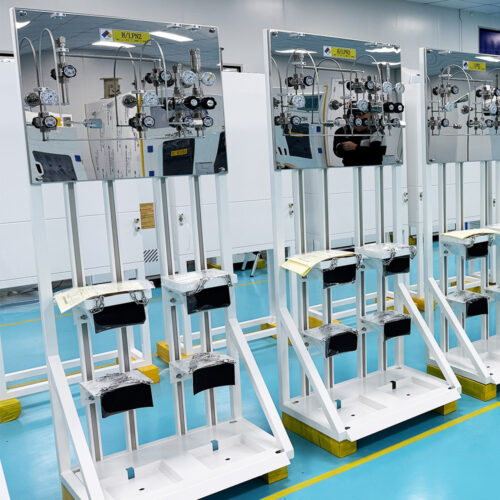
Fully Automated Gas Cabinet for Safe Ultra High Purity Specialty Gas Delivery in Semiconductor Manufacturing
-
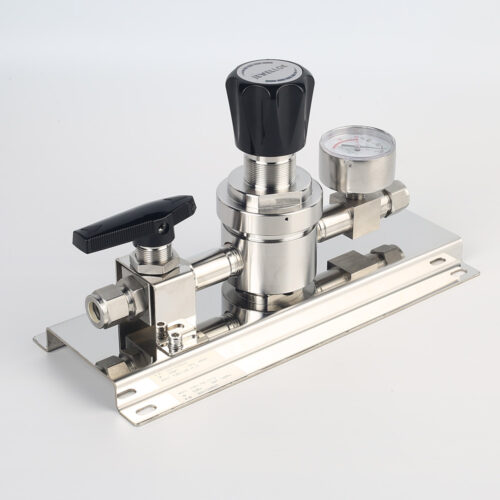
High Purity And Industria Gas Stick Assemblies Precise Pressure Control Gas Systems JSR-1ETG-BV Series
-
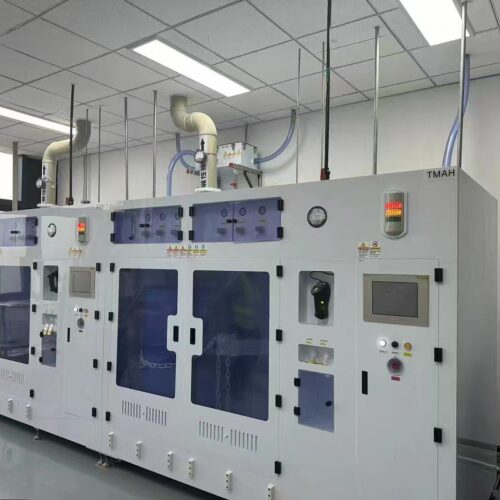
Automated Bulk Chemical Delivery System with Ultra High Purity CDU for Precise Industrial Fluid Control
-
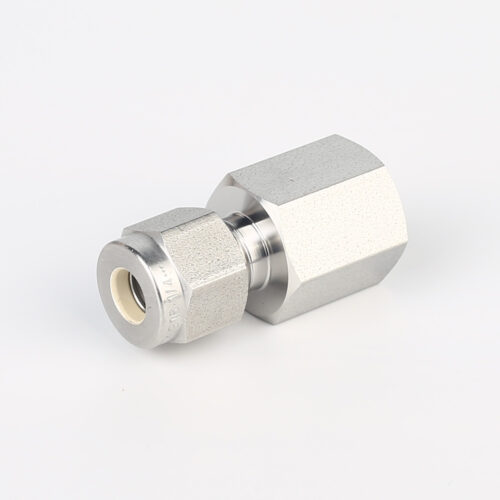
766L High Purity Female Connector UHP Fitting Female Connector
-
High Purity VMB Valve Manifold Box for Semiconductor Gas Distribution and Specialty Chemical Delivery Systems