
Regulator Manufacturer Tel: +86 13380377051
Regulator Manufacturer Tel: +86 13380377051
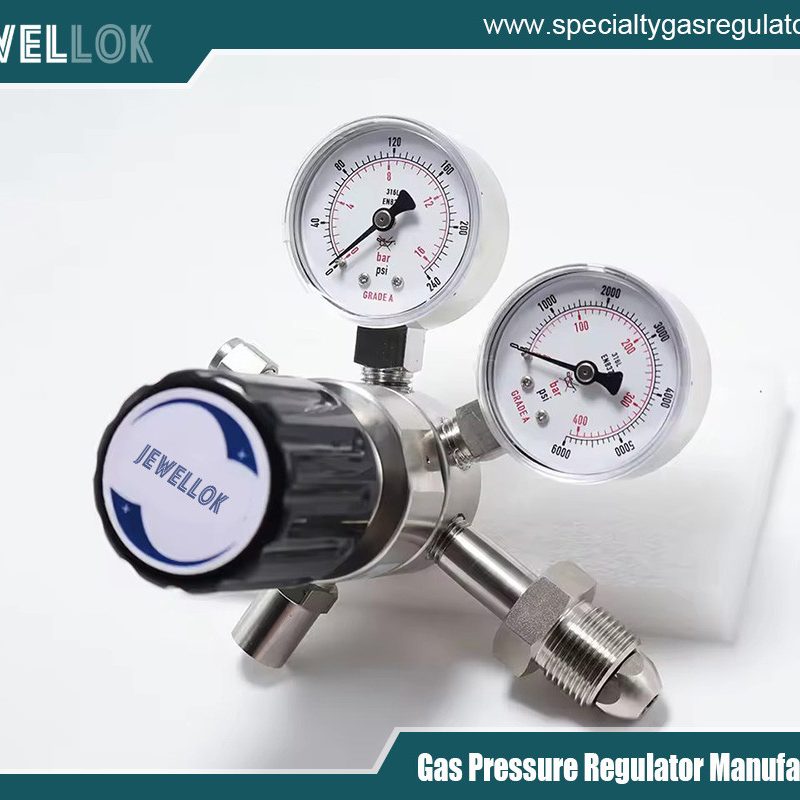
High Flow UHP Gas Pressure Regulators: Advancements and Applications
In the realm of industrial gas handling, precision and purity are paramount, especially in sectors like semiconductor manufacturing, pharmaceuticals, and analytical laboratories. High flow ultra-high purity (UHP) gas pressure regulators represent a critical component in these systems, ensuring the safe and efficient delivery of gases at controlled pressures while maintaining exceptional levels of purity. These regulators are engineered to handle high flow rates without compromising on the integrity of the gas stream, making them indispensable for processes that demand both volume and cleanliness.
UHP regulators are designed to minimize contamination, often achieving purity levels where impurities are measured in parts per billion (ppb) or even parts per trillion (ppt). The “high flow” designation refers to their ability to support elevated gas throughput, typically exceeding standard regulators by allowing flow rates in the range of several hundred standard liters per minute (SLPM) or more, depending on the model. This article delves into the technical aspects of high flow UHP gas pressure regulators, exploring their design, functionality, applications, and best practices for implementation.
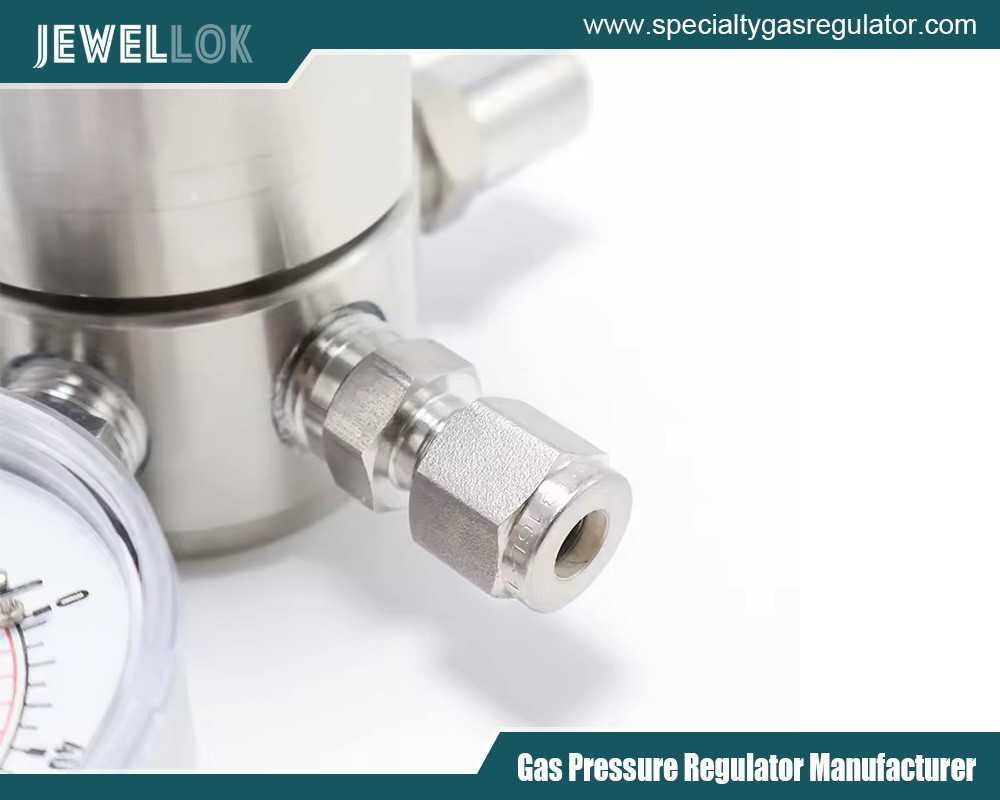
Understanding UHP Gas Pressure Regulators
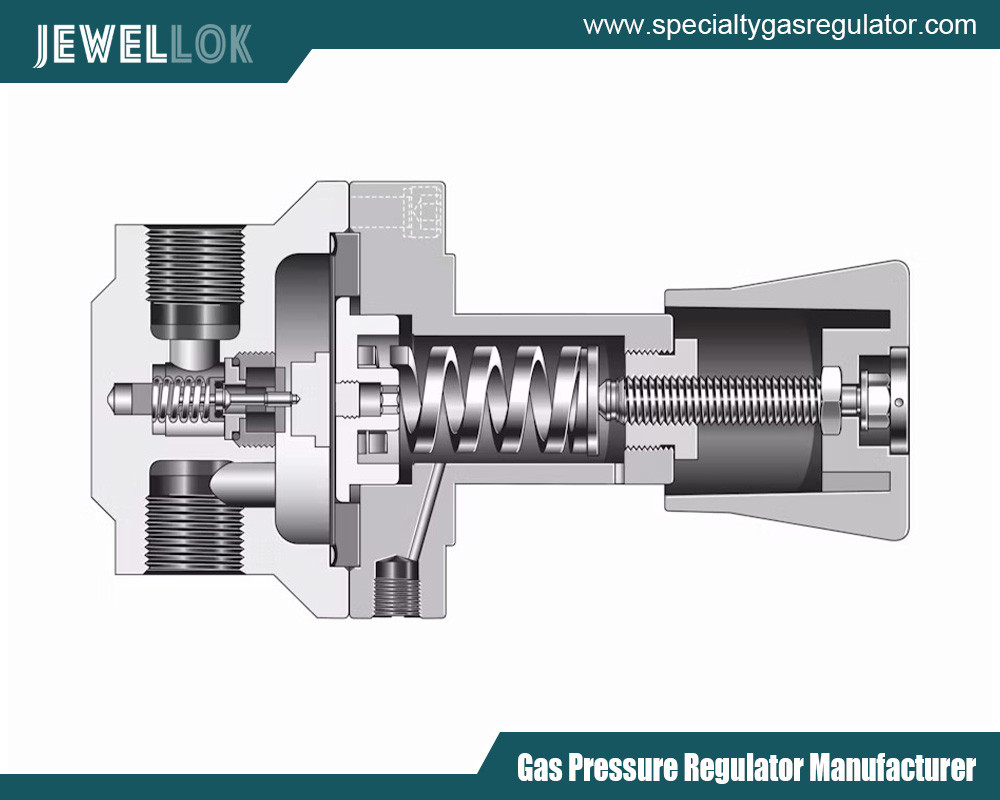
At their core, gas pressure regulators function by reducing the high inlet pressure from a gas source, such as a cylinder or bulk tank, to a lower, stable outlet pressure suitable for downstream equipment. In UHP applications, this process must occur without introducing contaminants like particles, moisture, or outgassing from the regulator itself.
High flow UHP regulators differ from conventional ones in their capacity to manage larger volumes of gas. Traditional regulators might suffice for low-flow scenarios, but in high-demand environments, they can experience significant pressure drops or fluctuations, leading to inconsistent performance. High flow models address this by incorporating larger internal pathways, optimized valve designs, and advanced pressure control mechanisms.
There are two primary types: single-stage and two-stage regulators. Single-stage regulators perform the pressure reduction in one step, making them simpler and more compact, ideal for applications where inlet pressure variations are minimal. Two-stage regulators, on the other hand, provide greater stability by reducing pressure in two sequential steps, which is beneficial in scenarios with fluctuating supply pressures. For high flow UHP needs, single-stage designs are often preferred for their efficiency, though advanced models integrate features to mimic two-stage stability.
High Flow Capabilities
The hallmark of high flow UHP regulators is their ability to deliver gas at rates that support large-scale operations. For instance, flow capacities can range from 100 to over 1000 SLPM, depending on the gas type and pressure settings. This is achieved through several engineering innovations.
One key feature is the use of larger port sizes and streamlined flow paths to reduce resistance and turbulence. In standard regulators, narrow orifices can create bottlenecks, but high flow versions employ oversized diaphragms or pistons that allow for greater gas passage. Additionally, some models incorporate dome-loaded or gas-actuated mechanisms, where the outlet pressure is controlled by a secondary gas source rather than a spring, enabling precise adjustments and minimizing droop—a phenomenon where outlet pressure decreases as flow increases.
Patented designs in modern regulators further enhance performance by minimizing outlet pressure fluctuations due to inlet pressure changes or flow variations. For example, balanced poppet valves help maintain consistent pressure, even under high flow conditions. These advancements ensure that the regulator can handle dynamic loads, such as those in gas chromatography or laser cutting systems, without compromising purity.
Design and Features
The design of high flow UHP gas pressure regulators prioritizes materials and construction that prevent contamination. Stainless steel, particularly 316L grade, is the material of choice for wetted parts due to its corrosion resistance and low outgassing properties. Electropolishing or vacuum annealing processes are often applied to achieve ultra-smooth surfaces, reducing the risk of particle entrapment.
Diaphragm technology is central to UHP regulators. Tied-diaphragm designs seal the sensing element from the process gas, preventing leaks and ensuring purity. In high flow models, these diaphragms are reinforced to withstand higher pressures, typically up to 3000 psig inlet and 500 psig outlet, though some can handle up to 7500 psig for specialized applications.
Other features include self-relieving mechanisms, which vent excess pressure safely, and integral filters to capture particulates. Springless designs eliminate potential sources of contamination from metal fatigue or corrosion. For ultra-high purity, regulators may be helium leak-tested to rates as low as 10^-9 atm-cc/sec, ensuring hermetic integrity.
Control options vary: manual regulators use knobs for adjustment, while dome-loaded versions allow remote or automated control via pilot pressure. This flexibility is crucial in integrated systems where flow must be modulated in real-time.
Materials and Construction
Selecting the right materials is vital for maintaining gas purity. Brass is sometimes used in less critical applications for its cost-effectiveness, but for UHP, stainless steel dominates. Exotic alloys like Hastelloy may be employed for corrosive gases such as chlorine or hydrogen chloride.
The construction process involves cleanroom assembly to avoid airborne contaminants. Components are often passivated to form a protective oxide layer, enhancing resistance to chemical attack. Seals and o-rings are made from high-purity elastomers like PTFE or Kalrez, which offer low permeability and minimal extractables.
In high flow designs, thermal management is considered to prevent Joule-Thomson cooling effects that could lead to condensation and contamination. Insulated bodies or heated options mitigate this in cryogenic or high-velocity flows.
Applications
High flow UHP gas pressure regulators find applications across industries where purity and volume are non-negotiable. In semiconductor fabrication, they regulate gases like nitrogen, argon, and silane for wafer processing, where even minute impurities can ruin yields. Pharmaceutical manufacturing uses them for inert gas blanketing in reactors, ensuring product sterility.
Analytical instrumentation, such as mass spectrometry, benefits from their stable flow delivery. In the energy sector, they support hydrogen fuel cell testing and natural gas processing. Bulk gas distribution systems in hospitals rely on these regulators for medical gases like oxygen, where high flow ensures uninterrupted supply to multiple outlets.
Emerging fields like additive manufacturing and biotechnology also leverage these devices for precise gas mixing and delivery.
Selection and Sizing
Choosing the appropriate regulator involves assessing factors like gas type, inlet/outlet pressures, flow rate, and purity requirements. Compatibility with the gas—whether inert, corrosive, or toxic—guides material selection. Flow curves provided by manufacturers help predict performance under specific conditions.
Sizing is critical: undersized regulators lead to pressure instability, while oversized ones may introduce dead volumes prone to contamination. Calculations often use the Cv (flow coefficient) value, where higher Cv indicates better high flow capability. Environmental factors, such as temperature and vibration, must also be considered.
Maintenance and Safety
Regular maintenance ensures longevity and safety. Visual inspections for leaks, pressure testing, and cleaning in certified facilities are standard. Safety features like pressure relief valves and burst discs protect against overpressurization.
Operators should follow guidelines for installation, avoiding threaded connections in favor of face-seal fittings for UHP integrity. Training on handling and purging procedures minimizes risks.
Conclusion
High flow UHP gas pressure regulators embody the fusion of engineering precision and material science, enabling industries to push the boundaries of performance and purity. As demands for higher throughput and cleaner processes grow, these devices will continue to evolve, incorporating smart sensors for real-time monitoring and IoT integration for predictive maintenance. By understanding their technical nuances, engineers can optimize systems for efficiency, reliability, and safety, driving innovation in gas-dependent technologies.
For more about high flow uhp gas pressure regulators, you can pay a visit to Jewellok at https://www.specialtygasregulator.com/high-flow-ultra-high-purity-gas-pressure-regulators-precision-control-for-demanding-applications/ for more info.
-
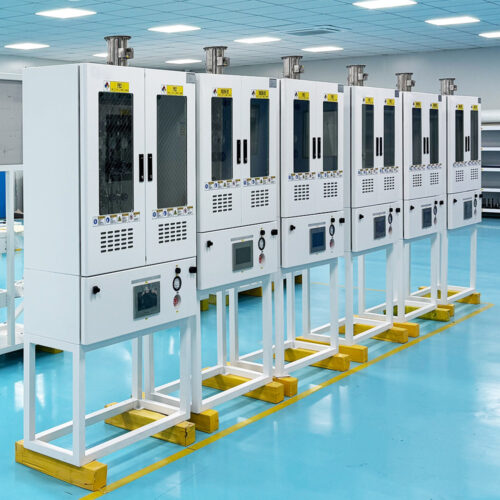
VMB Valve Manifold Panels And Boxes High Purity Configurable Systems JW-200-VMB & JW-100-VMB
-
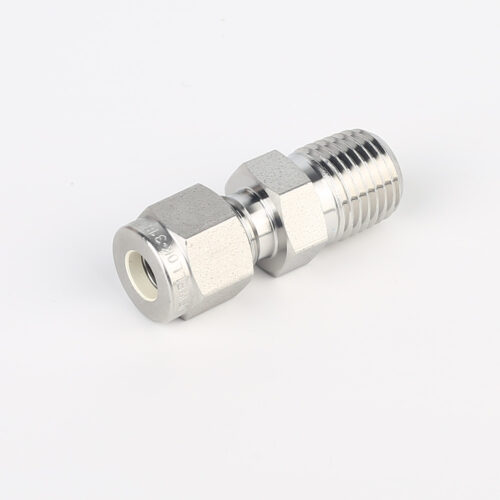
768L Stainless Steel Male Tube Butt Weld Connector | Clean Weld Fittings And Ultra-High Purity Fittings
-
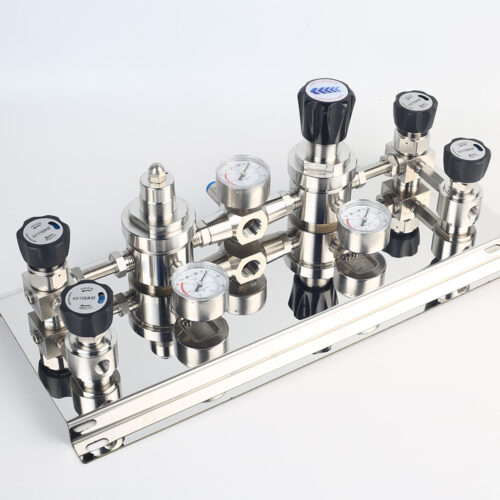
Stainless Steel Single Stage Semiconductor Grade Pressure Control Module Pressure Control Panels JSP-6A Series
-
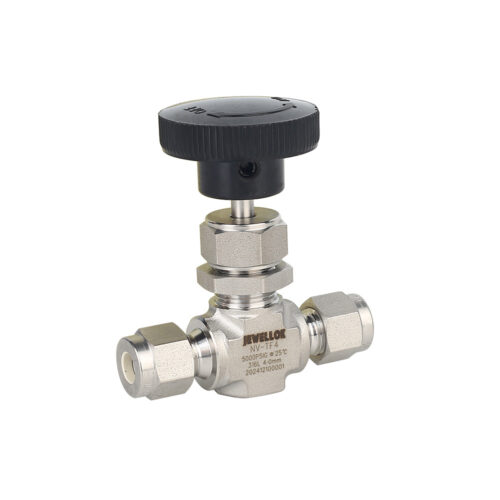
High Purity High Pressure Stainless Steel Needle Valve Natural Gas Flow Control Valve JNV Series
-
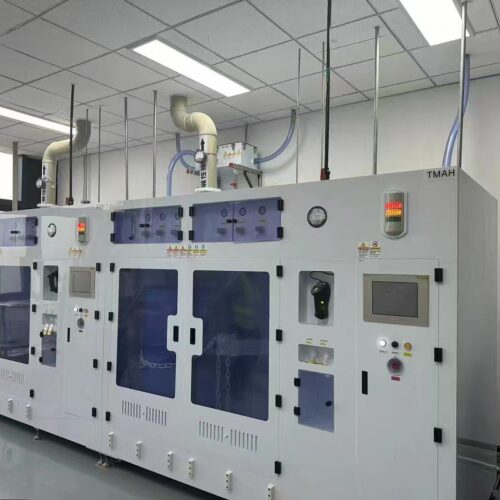
Automated Bulk Chemical Delivery System with Ultra High Purity CDU for Precise Industrial Fluid Control
-
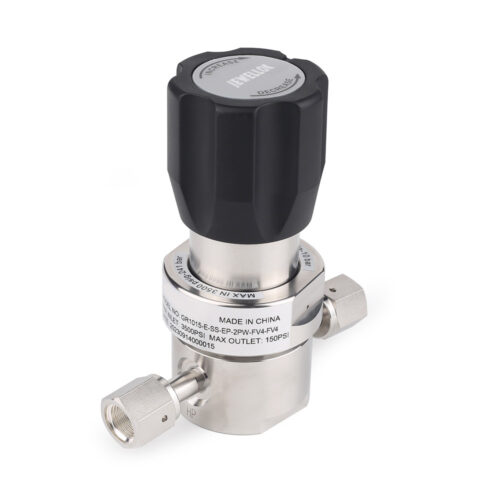
JR1000 Series UHP Ultra High Purity Single Stage Pressure Reducing Regulator And Low To Intermediate Flow
-
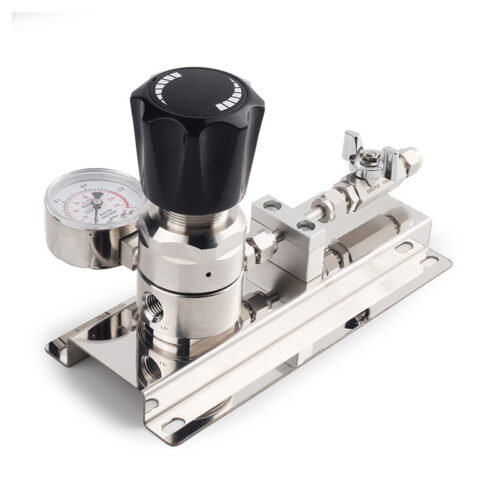
Ultra High Purity 316L Var Stainless Steel Compressed Gas Changeover Manifold Panel System For Integrated Gas Supply System
-
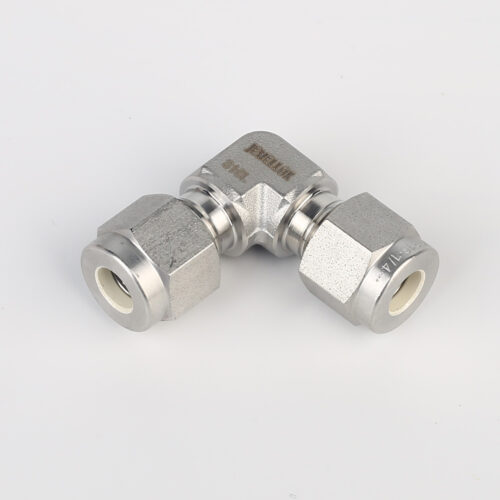
765L Stainless Steel Union Elbow Reducing High Purity Fitting Tubing Extension Tubing Connection