
Regulator Manufacturer Tel: +86 13380377051
Regulator Manufacturer Tel: +86 13380377051

High Flow Ultra High Purity Gas Pressure Regulators: Precision Control for Demanding Applications
In industries where precision, purity, and performance are paramount, high flow ultra high purity gas pressure regulators play a critical role. These specialized devices are engineered to manage the delivery of gases at high flow rates while maintaining exceptional levels of purity. Unlike standard regulators, they are designed to handle ultra-pure gases without introducing contaminants, making them indispensable in sectors such as semiconductor manufacturing, pharmaceutical production, and analytical instrumentation. This article delves into the technical aspects of these regulators, exploring their design principles, operational mechanisms, key features, applications, and best practices for selection and maintenance.
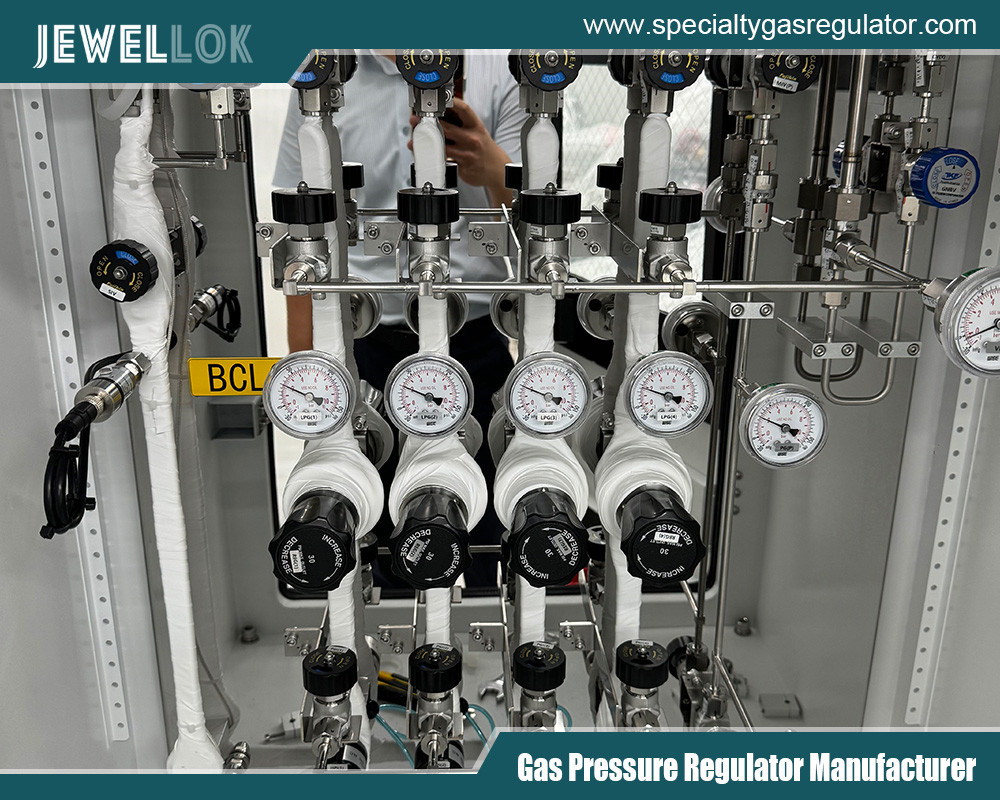
Understanding Gas Pressure Regulators
At their core, gas pressure regulators are devices that reduce and stabilize the pressure of a gas from a high-pressure source, such as a cylinder or pipeline, to a lower, usable level. They achieve this through a combination of mechanical components, including diaphragms, springs, and valves. The basic operation involves a sensing element that detects downstream pressure and adjusts the valve opening accordingly to maintain a set output pressure.
High flow regulators are optimized for applications requiring large volumes of gas delivery, often exceeding 100 standard cubic feet per minute (SCFM). Ultra high purity (UHP) variants take this a step further by ensuring that the gas remains uncontaminated throughout the regulation process. Purity levels in UHP systems are typically measured in parts per billion (ppb) or even parts per trillion (ppt), necessitating materials and designs that minimize outgassing, particle generation, and chemical reactions.
Design Principles and Materials
The design of high flow UHP gas pressure regulators is governed by stringent standards, such as those from SEMI (Semiconductor Equipment and Materials International) and ASTM (American Society for Testing and Materials). Key components include the body, bonnet, diaphragm, seat, and poppet valve.
Materials selection is crucial for maintaining purity. Common materials include 316L stainless steel, which is electropolished to achieve a surface roughness of less than 10 Ra (roughness average) to reduce particle adhesion. For corrosive gases, Hastelloy or Monel alloys may be used. Diaphragms are often made from PTFE (polytetrafluoroethylene) or metal alloys like Elgiloy to prevent permeation and ensure hermetic sealing.
To handle high flows, these regulators incorporate larger orifice sizes and optimized flow paths. Computational fluid dynamics (CFD) simulations are frequently employed during design to minimize turbulence and pressure drops, ensuring laminar flow where possible. Helium leak testing is standard to verify integrity, with leak rates as low as 1×10^-9 std cc/sec.
Operational Mechanisms
High flow UHP regulators operate on either single-stage or two-stage principles. Single-stage regulators are simpler and suitable for applications with stable inlet pressures, providing direct pressure reduction. Two-stage models offer superior stability by performing reduction in two steps, which is ideal for high flow scenarios where inlet pressure fluctuations could affect output.
A typical mechanism involves a pressure-balanced poppet that responds to changes detected by the diaphragm. When downstream pressure drops due to increased demand, the diaphragm flexes, opening the valve to allow more gas flow. Conversely, rising pressure closes the valve. For UHP, tied-diaphragm designs prevent stem rotation, reducing particle generation from friction.
Flow capacity is quantified by the Cv value (flow coefficient), with high flow models boasting Cv ratings above 1.0. Pressure ranges can vary from vacuum to 6000 psig inlet, with outlet pressures precisely controlled from 0-500 psig. Purity is preserved through features like purge ports for system evacuation and vacuum-assisted assembly in cleanrooms classified to ISO 5 or better.
Key Features and Innovations
Modern high flow UHP regulators incorporate several advanced features. Electronic pressure control integrates sensors and actuators for real-time adjustments, enabling integration with SCADA (Supervisory Control and Data Acquisition) systems. This is particularly useful in automated processes where flow rates must adapt dynamically.
Another innovation is the use of sintered metal filters integrated into the regulator body to capture sub-micron particles. Some models feature self-relieving mechanisms to vent excess pressure safely without contaminating the environment. For ultra-pure applications, regulators may include bake-out capabilities to remove adsorbed moisture or volatiles.
Safety features are integral, including burst discs for overpressure protection and lockout mechanisms to prevent unauthorized adjustments. Compliance with directives like ATEX for explosive atmospheres ensures suitability for hazardous environments.
Applications in Industry
High flow UHP gas pressure regulators find extensive use across various high-tech industries. In semiconductor fabrication, they control the delivery of process gases like nitrogen, argon, and silane during wafer etching and deposition. High flow rates support large-scale production tools, while UHP ensures defect-free chips by avoiding contamination that could lead to yield losses.
In pharmaceuticals, these regulators manage gases for bioreactor aeration and chromatography systems. Ultra-purity is vital to prevent microbial contamination or chemical impurities that could compromise drug efficacy. Analytical labs rely on them for gas chromatography-mass spectrometry (GC-MS), where consistent high-flow delivery of carrier gases like helium is essential for accurate results.
Other applications include aerospace testing, where they handle high-pressure oxygen or hydrogen for propulsion simulations, and food processing for modified atmosphere packaging with CO2 or nitrogen. In renewable energy, they support hydrogen fuel cell testing, requiring both high flow for power output and UHP to maintain catalyst integrity.
Benefits and Challenges
The primary benefits of high flow UHP regulators include enhanced process efficiency, reduced downtime, and improved product quality. By delivering large volumes of pure gas reliably, they minimize waste and optimize resource utilization. Their robust construction ensures long service life, often exceeding 10 years with proper maintenance.
However, challenges exist. High initial costs due to premium materials and manufacturing processes can be a barrier. Compatibility with specific gases requires careful selection to avoid reactions— for instance, avoiding brass with ammonia. Installation in clean environments demands specialized training to prevent inadvertent contamination.
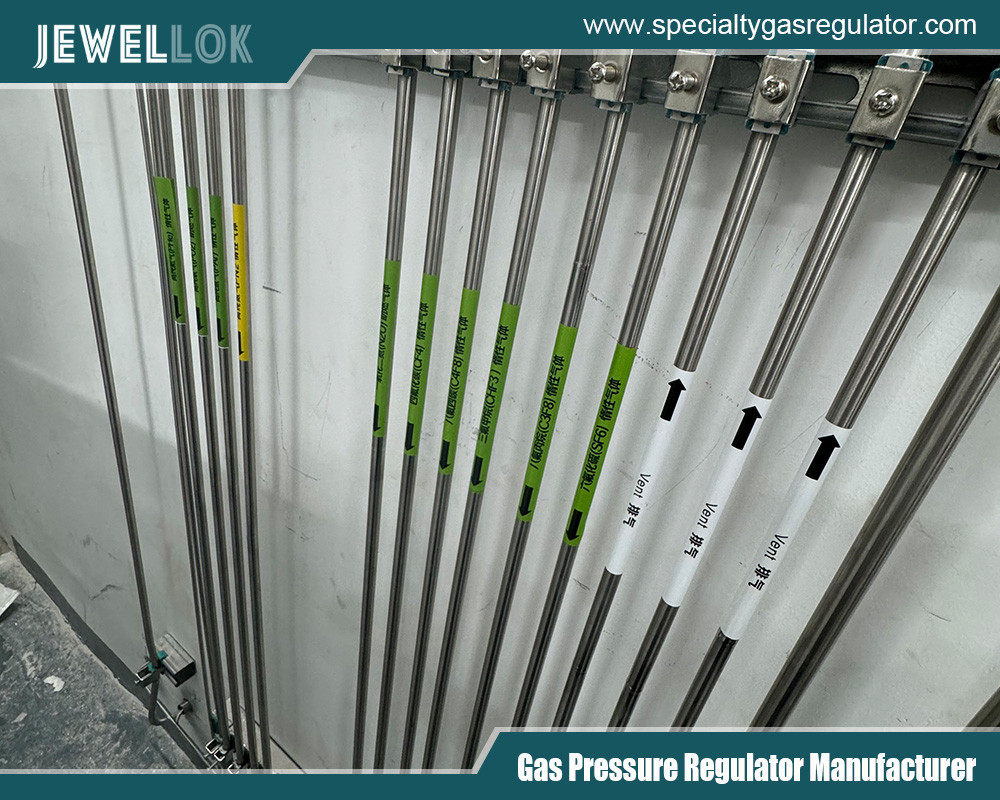
Selection and Maintenance Best Practices
Selecting the right regulator involves assessing parameters like gas type, flow rate, pressure requirements, and purity needs. Tools like flow curves and compatibility charts from manufacturers aid in this process. It’s advisable to oversize slightly for future scalability but avoid excessive oversizing to prevent instability.
Maintenance is key to longevity. Regular inspections for leaks, diaphragm wear, and particle buildup are essential. Cleaning should use ultra-pure solvents in controlled environments. Calibration against traceable standards ensures accuracy, typically annually or after 5000 cycles.
In summary, high flow ultra high purity gas pressure regulators represent the pinnacle of gas control technology, blending high performance with uncompromising purity. As industries push boundaries in precision manufacturing and research, these devices will continue to evolve, incorporating smart features and sustainable materials to meet emerging demands.
For more about high flow ultra high purity gas pressure regulators, you can pay a visit to Jewellok at https://www.specialtygasregulator.com/product-category/ultra-high-purity-gas-regulators/ for more info.
-
High Purity Liquid Chemical Delivery Systems Designed for Sub Micron Semiconductor Production
-
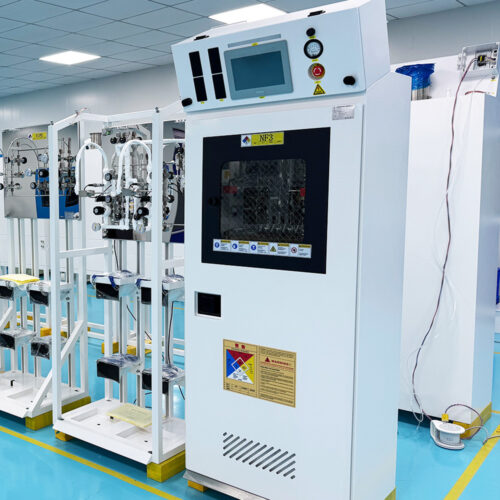
Semi Automatic Gas Cabinet Gas Panels High Purity Gas Delivery Systems JW-200-GC
-
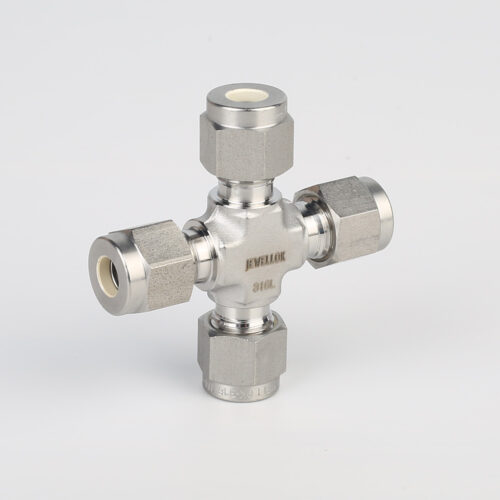
7102L Stainless Steel 316L SS Union Cross Ultra High Purity Long Arm Union Elbow Tee Cross Butt Weld Fittings
-
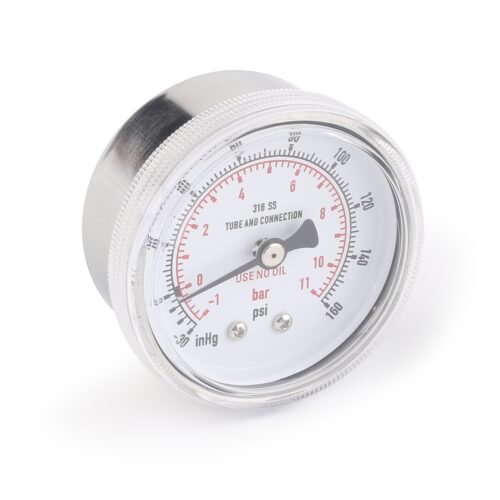
Ultra High Purity Pressure Gauge For Laboratory And Semiconductor JR Series
-
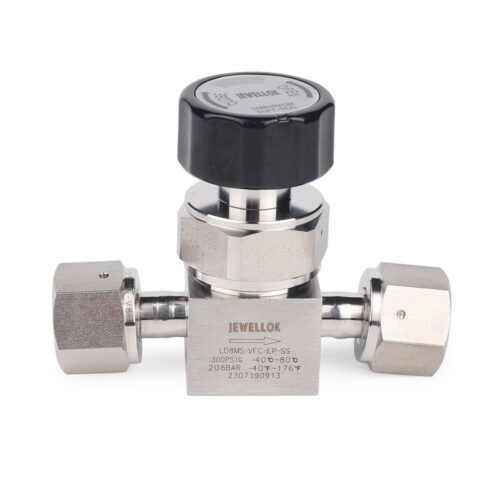
Flow Control Stainless Steel Low Pressure Manual Diaphragm Valve For High Purity And Ultra High Purity Gases
-
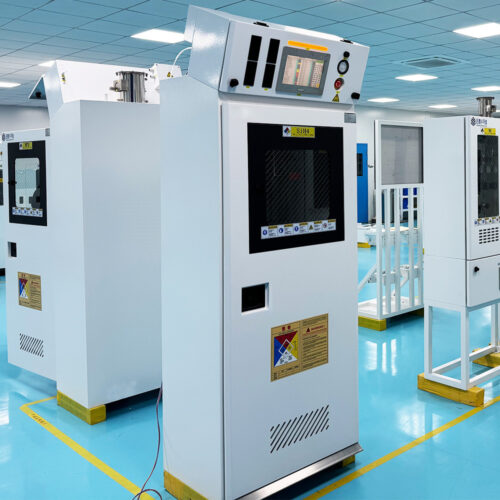
Integrated Scrubber Tail Gas Treatment Cabinet for Safe Bulk Specialty Gas System Exhaust Management
-
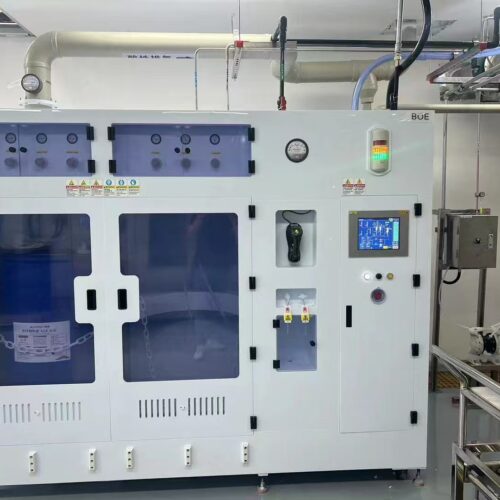
Chemical Delivery Modules for Automated Blending and Precise Dilution in Modern Wafer Cleaning Applications
-
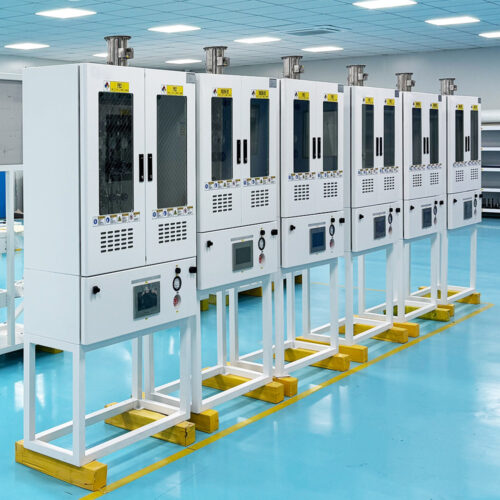
Custom Wet and Dry Exhaust Gas Scrubber System Technology for Effective Acid Gas Neutralization