
Regulator Manufacturer Tel: +86 13380377051
Regulator Manufacturer Tel: +86 13380377051
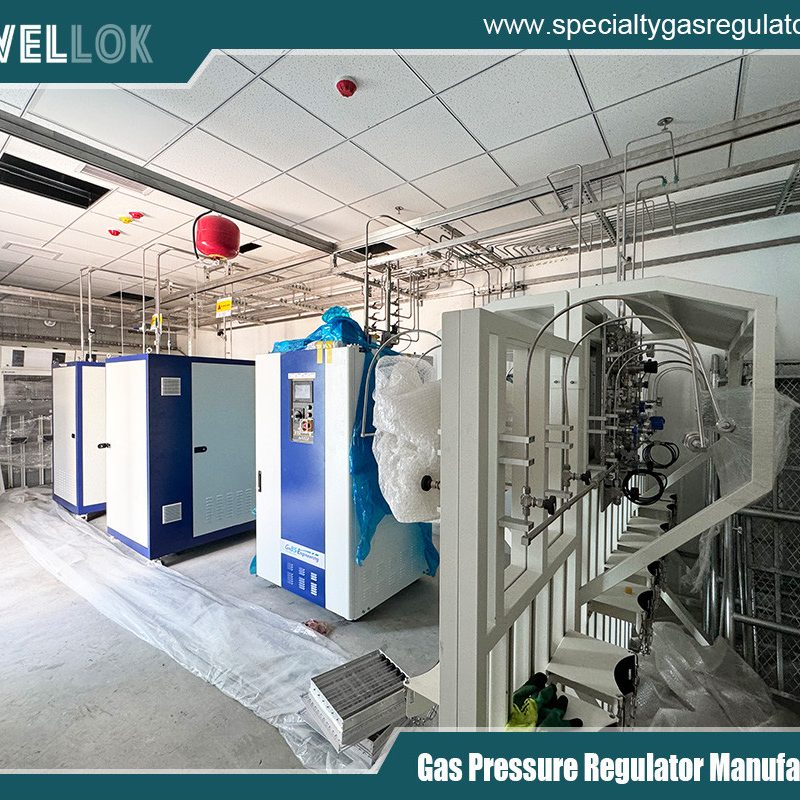
The Next Generation of Air Pollution Control: Engineering Principles and Innovations in High-Efficiency Exhaust Gas Scrubbers
As global industrial activity intensifies, the pressure on manufacturers to meet stringent environmental regulations has never been greater. Exhaust gas scrubbers, or “wet scrubbers,” remain the frontline defense against airborne pollutants. However, modern industry demands more than just compliance; it requires high efficiency in removal rates, energy consumption, and operational longevity. This article delves into the engineering advancements that define next-generation high-efficiency exhaust gas scrubbers, exploring their design principles, key performance metrics, and the future of industrial air purification.
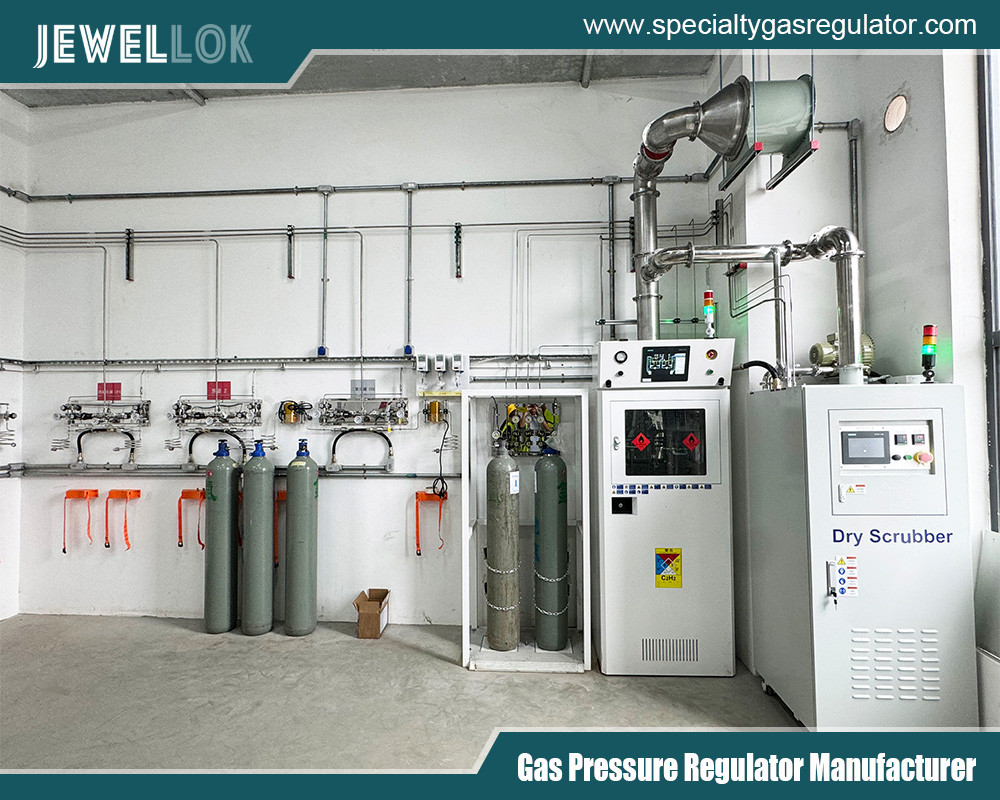
1. The Evolution of the Scrubber
The concept of “washing” exhaust gases is not new. Traditional spray towers have been used for decades to neutralize acidic gases or capture particulate matter. However, the term High-Efficiency Exhaust Gas Scrubbers signifies a paradigm shift. These systems are no longer simple gas-liquid contactors; they are sophisticated, engineered solutions designed to maximize mass transfer while minimizing pressure drop and liquid waste.
High-efficiency scrubbers are characterized by their ability to achieve >99% removal efficiency for sub-micron particles and soluble gases, operate with lower liquid-to-gas (L/G) ratios, and integrate seamlessly with Industry 4.0 monitoring systems.
2. Core Operating Principles
To understand what makes a scrubber “high-efficiency,” one must revisit the fundamental mechanisms of collection:
-
Impingement and Inertia: Particles or gas molecules collide with liquid droplets due to differences in velocity.
-
Diffusion: For particles smaller than 0.3 microns, Brownian motion causes them to diffuse and adhere to droplets.
-
Absorption and Chemical Reaction: Gaseous pollutants (like SO₂, HCl, or NH₃) dissolve into the scrubbing liquid, often undergoing a neutralization reaction (e.g., using caustic soda or lime slurry).
-
Condensation: In high-efficiency units, temperature control is used to induce condensation on particles, increasing their mass and making them easier to capture.
High-efficiency designs optimize these mechanisms simultaneously.
3. Key Design Innovations in High-Efficiency Scrubbers
3.1. Advanced Packing Media
Traditional random packing (like Raschig rings) has given way to structured packing and high-surface-area engineered media. In a high-efficiency scrubber, the packing material is designed to:
-
Maximize Surface Area: Providing up to 250 m²/m³ of contact area.
-
Optimize Wettability: Ensuring a thin, continuous liquid film exists across the media for optimal gas-liquid contact.
-
Minimize Clogging: Modern designs feature open structures that allow for the handling of particulate-laden gas streams without fouling, a common issue in older systems.
3.2. The Venturi-Preconditioner Integration
For applications dealing with sticky particulates or high inlet temperatures, a high-efficiency system often integrates a Venturi preconditioner upstream of the main packed tower. In the Venturi throat, gas velocities reach 60-120 m/s, atomizing the scrubbing liquid into micron-sized droplets. This ensures that the toughest particulate matter is wetted and agglomerated before entering the main absorption zone, drastically improving overall efficiency.
3.3. Multi-Stage Spraying and Nozzle Technology
Efficiency is lost when droplets are too large (low surface area) or too small (they drift out with the exhaust). High-efficiency scrubbers utilize full-cone, spiral nozzles operating at precise pressures to create a uniform droplet size distribution (typically 100-1000 microns). Furthermore, multi-stage spray banks allow for “counter-current” washing, where the dirtiest gas meets the freshest liquid at the top of the tower, maximizing the driving force for absorption.
3.4. Mist Elimination: The Final Frontier
A scrubber is only as efficient as its ability to retain liquid. High-efficiency units employ dual-stage Chevron blade mist eliminators. These are often paired with washing systems to prevent salt buildup. By reducing outlet liquid carryover to less than 5 mg/Nm³, these systems ensure that captured pollutants are not re-entrained into the atmosphere.
4. Quantifying “High Efficiency”
What specific metrics define a high-performance scrubber?
-
Removal Efficiency (η): Standard scrubbers might hit 95% for soluble gases. High-efficiency units consistently achieve 99.5% to 99.9%, even for difficult-to-capture compounds like VOCs or fine particulate (PM2.5).
-
Pressure Drop (ΔP): Efficiency often comes at the cost of energy. A standard packed tower might have a ΔP of 2-5 inches of water column. High-efficiency designs, through aerodynamic modeling (CFD), aim to keep ΔP below 3 inches w.g. while maximizing contact, reducing fan energy costs by 15-20%.
-
Liquid-to-Gas Ratio (L/G): This measures the amount of liquid used per volume of gas. High-efficiency systems optimize chemical dosing and water recirculation to lower the L/G ratio, resulting in less wastewater and lower pumping power.
5. Materials Science and Longevity
A scrubber housing is constantly under chemical and physical assault. High-efficiency equipment distinguishes itself through material selection:
-
Thermoplastics (PP, PVDF): Used for corrosive acid scrubbing (like HCl). PVDF, in particular, offers high temperature resistance and extreme pH tolerance.
-
Stainless Steel (316L, Duplex): Used in applications involving chlorides or high temperatures where plastics fail.
-
Fiber-Reinforced Plastic (FRP): The workhorse of the industry, offering a balance of cost, strength, and corrosion resistance. High-efficiency manufacturers use computer-controlled filament winding to ensure uniform thickness and structural integrity under vacuum/pressure conditions.
6. Energy Efficiency and Sustainability
The term “高效能” translates to both “high performance” and “high efficiency.” Modern scrubber design is intrinsically linked to energy conservation.
-
Heat Recovery: Many industrial exhaust streams are hot. High-efficiency scrubbers can incorporate heat exchangers to capture thermal energy from the exhaust, pre-heating the scrubber liquid or being used for facility heating.
-
Closed-Loop Water Systems: By utilizing advanced blow-down control and pH-triggered dosing, modern scrubbers significantly reduce water consumption. The wastewater is often treated and recycled back into the system, achieving near-zero liquid discharge (ZLD) in some configurations.
7. Application-Specific Case Studies
7.1. Semiconductor Industry (Toxic Gas Abatement)
In semiconductor fabs, scrubbers must handle pyrophoric and toxic gases like Silane (SiH₄) or Ammonia (NH₃). High-efficiency units here utilize combustion-wet scrubber hybrids. The gas is first burned to convert it to a soluble oxide (e.g., SiO₂), and then passed through a high-velocity venturi scrubber to capture the sub-micron silica powder. Efficiency requirements are often >99.999% due to the extreme toxicity of the inlet gases.
7.2. Battery Recycling and Lithium-ion Off-gassing
With the rise of electric vehicles, the need to scrub emissions from battery recycling (thermal treatment) has surged. These processes release HF (Hydrofluoric acid) and electrolyte vapors. High-efficiency scrubbers for this application utilize multi-stage alkaline scrubbing with specialized packing resistant to fluoride attack (e.g., PVDF or PP), ensuring that HF is captured to below 1 ppm.
7.3. Wastewater Treatment (Odor Control)
Hydrogen Sulfide (H₂S) is a classic target for scrubbers. High-efficiency odor control scrubbers use caustic-sodium hypochlorite chemistry in a multi-stage packed tower. The key to efficiency here is ORP (Oxidation-Reduction Potential) control; automated dosing ensures that the oxidizer is present in the exact quantity needed, preventing chemical waste and ensuring outlet H₂S concentrations are non-detectable.
8. The Role of Automation: Industry 4.0 in Scrubbers
A physical tower is only as good as its control system. High-efficiency scrubbers are now equipped with:
-
Continuous Emission Monitoring Systems (CEMS): Real-time analyzers on the inlet and outlet provide data on scrubber performance.
-
PID Control Loops: pH and ORP probes automatically modulate chemical feed pumps. If the inlet load spikes, the system compensates instantly, ensuring efficiency never drops.
-
Predictive Maintenance: Vibration sensors on fans and pressure transmitters across the packing alert operators to potential issues (like clogging or bearing failure) before they cause downtime.
9. Common Pitfalls in Achieving High Efficiency
Even with the best equipment, efficiency can be compromised. Engineers must avoid:
-
Channeling: If the gas finds a path of least resistance through the packing, it bypasses the liquid. High-efficiency designs use liquid redistributors every 2-3 meters of column height to prevent this.
-
Entrainment: If the mist eliminator is undersized or clogged, liquid droplets carry over, causing a visible plume and re-releasing pollutants.
-
Chemical Underdosing: Relying solely on pH control for all pollutants can be a mistake. For example, scrubbing Ammonia requires pH control, but scrubbing H₂S requires ORP control. A high-efficiency system utilizes both.
10. Future Trends in Exhaust Gas Scrubbing
The next decade will see the convergence of scrubber technology with broader industrial trends:
-
Hybrid Systems: Combining wet scrubbing with dry media polishing or activated carbon filters to handle mixed pollutant streams that include VOCs and heavy metals simultaneously.
-
Digital Twins: Creating a virtual replica of the scrubber system. Operators can run “what-if” scenarios (e.g., a sudden temperature spike) to see how the system will react without risking actual emissions violations.
-
Carbon Capture Integration: Wet scrubbers are being adapted to use amine solutions or potassium carbonate to capture CO₂ from flue gas, transforming them from pollution control devices into tools for climate change mitigation.
-
Nanotechnology in Mist Elimination: Research is ongoing into nano-coated mist eliminator blades that are super-hydrophilic or super-hydrophobic, allowing for better water shedding and higher gas velocities without re-entrainment.
11. Conclusion
The modern high-efficiency exhaust gas scrubbers is a marvel of chemical and mechanical engineering. It is no longer a simple “bubble box,” but a finely tuned instrument that balances fluid dynamics, thermodynamics, and chemistry to protect both the environment and the bottom line.
By investing in advanced packing, precise control systems, and robust materials, industries can achieve compliance levels once thought impossible while reducing operational costs. As air quality standards continue to tighten globally, the shift toward these high-efficiency systems is not just an option—it is an inevitability.
For more about the next generation of air pollution control: engineering principles and innovations in high-efficiency exhaust gas scrubbers, you can pay a visit to Jewellok at https://www.specialtygasregulator.com/product-category/specialty-gas-pressure-regulators/ for more info.
-
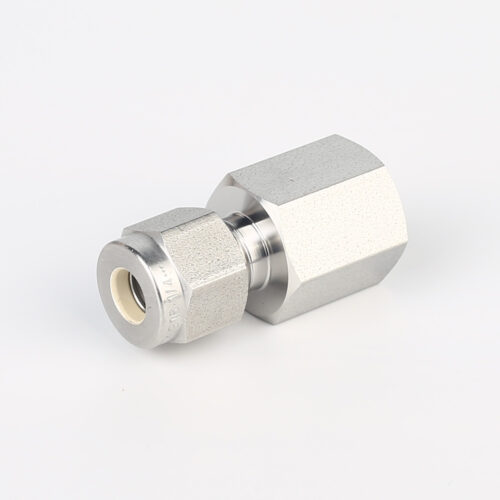
766L High Purity Female Connector UHP Fitting Female Connector
-
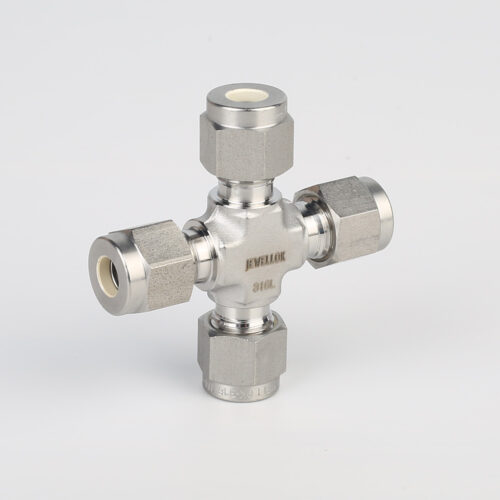
7102L Stainless Steel 316L SS Union Cross Ultra High Purity Long Arm Union Elbow Tee Cross Butt Weld Fittings
-
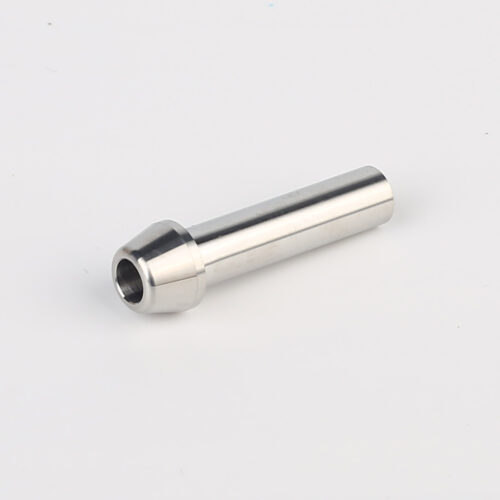
767LP Port Connector Ultra High Purity VCJ Metal Gasket Face Seal Tube Fittings
-
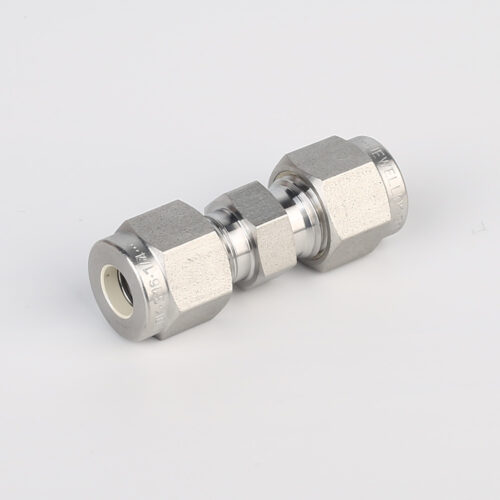
762L Stainless Steel High Purity Union High-Purity Gas System Fittings
-
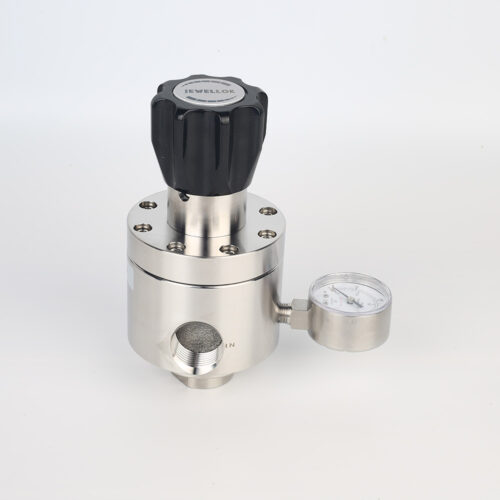
Low Pressure High Flow Line Pressure Regulators And Control Valves JSR-4L Series For Laboratory Pressure Control
-
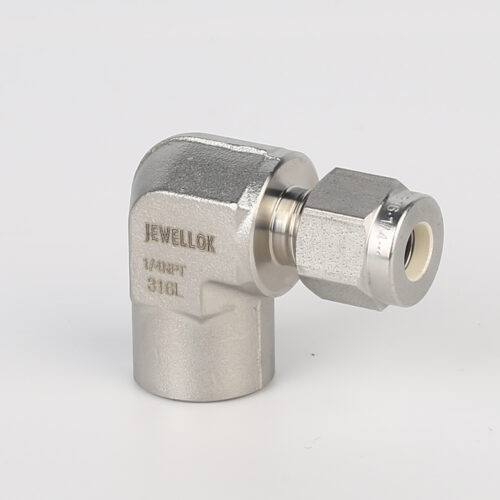
770L Female Elbow | Stainless Steel High Purity Weld Fittings Female Micro Elbow Fittings
-
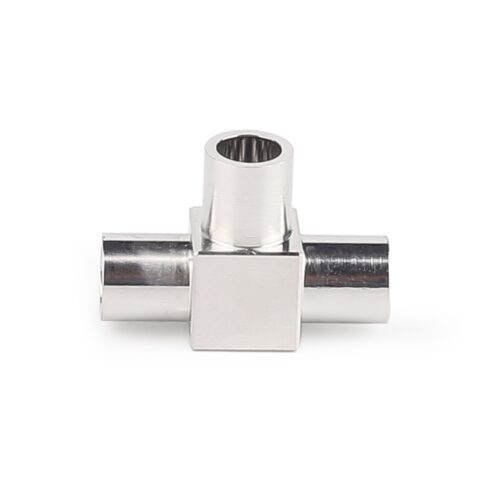
Stainless Steel Ultra High Purity Mini Butt Weld Mini Tee Reducer MTRW Series Fittings
-
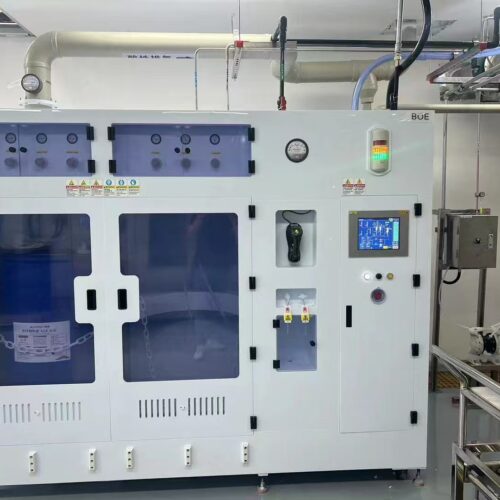
High Purity Bulk Chemical Delivery System and Automatic CDU for Advanced Semiconductor Manufacturing and Fabrication