
Regulator Manufacturer Tel: +86 13380377051
Regulator Manufacturer Tel: +86 13380377051
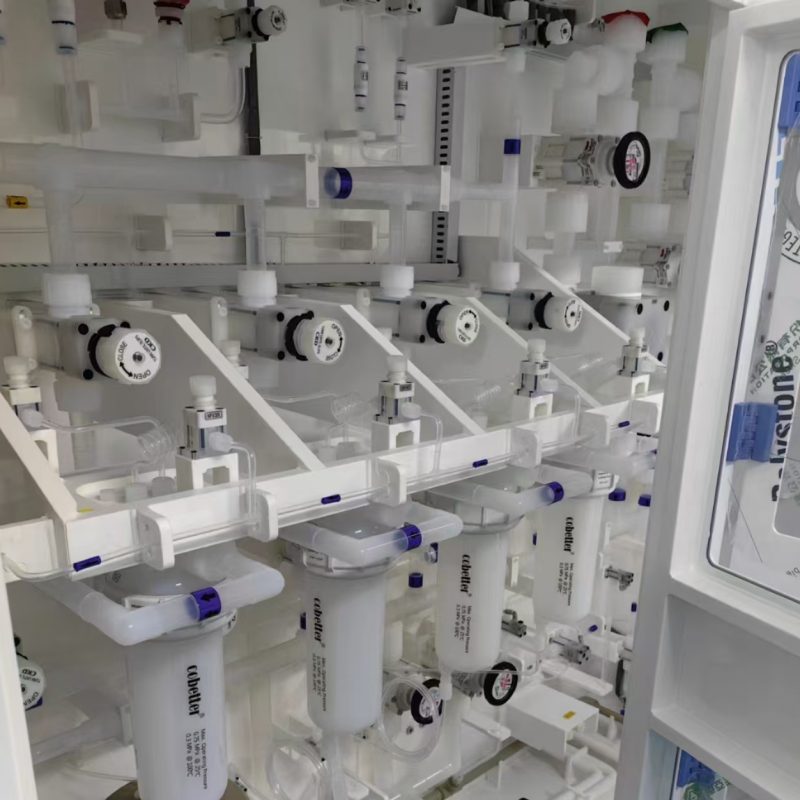
Chemical Delivery Systems in Pharmaceutical and Biotech Industries
Chemical delivery systems play a critical role in pharmaceutical and biotechnology industries, ensuring the safe, accurate, and contamination-free transfer of chemicals, reagents, and active pharmaceutical ingredients (APIs). These systems are essential in maintaining product quality, process efficiency, and regulatory compliance, particularly in highly controlled environments such as cleanrooms and laboratories. This article provides a comprehensive overview of chemical delivery systems, including their design principles, key components, applications, challenges, and future development trends.
1. Introduction
In pharmaceutical and biotech manufacturing, precision and purity are non-negotiable. Whether delivering solvents, acids, buffers, or highly sensitive biologics, chemical delivery systems are designed to transport fluids from storage to point-of-use without compromising integrity.
These systems are widely used in applications such as drug formulation, bioprocessing, analytical testing, and sterile manufacturing. The increasing complexity of modern therapeutics—such as monoclonal antibodies, vaccines, and gene therapies—has further elevated the importance of reliable chemical handling and delivery technologies.
2. Overview of Chemical Delivery Systems
A chemical delivery system is an integrated solution designed to store, control, and transfer chemicals safely and efficiently. It ensures:
- Accurate dosing and flow control
- Prevention of contamination
- Operator safety
- Compliance with regulatory standards
Depending on the application, these systems may handle liquids, gases, or even powders, though liquid chemical delivery systems are most common in pharmaceutical and biotech settings.
3. Key Components of Chemical Delivery Systems
A well-designed chemical delivery system consists of several critical components:
3.1 Storage Containers
Chemicals are stored in containers made of compatible materials such as stainless steel (316L), high-density polyethylene (HDPE), or fluoropolymers (PTFE, PFA). Material selection is crucial to avoid chemical reactions or leaching.
3.2 Pumps and Pressure Systems
Pumps are responsible for moving chemicals through the system. Common types include:
- Diaphragm pumps (widely used for high-purity applications)
- Peristaltic pumps (ideal for sterile or single-use systems)
- Gear pumps (for precise metering)
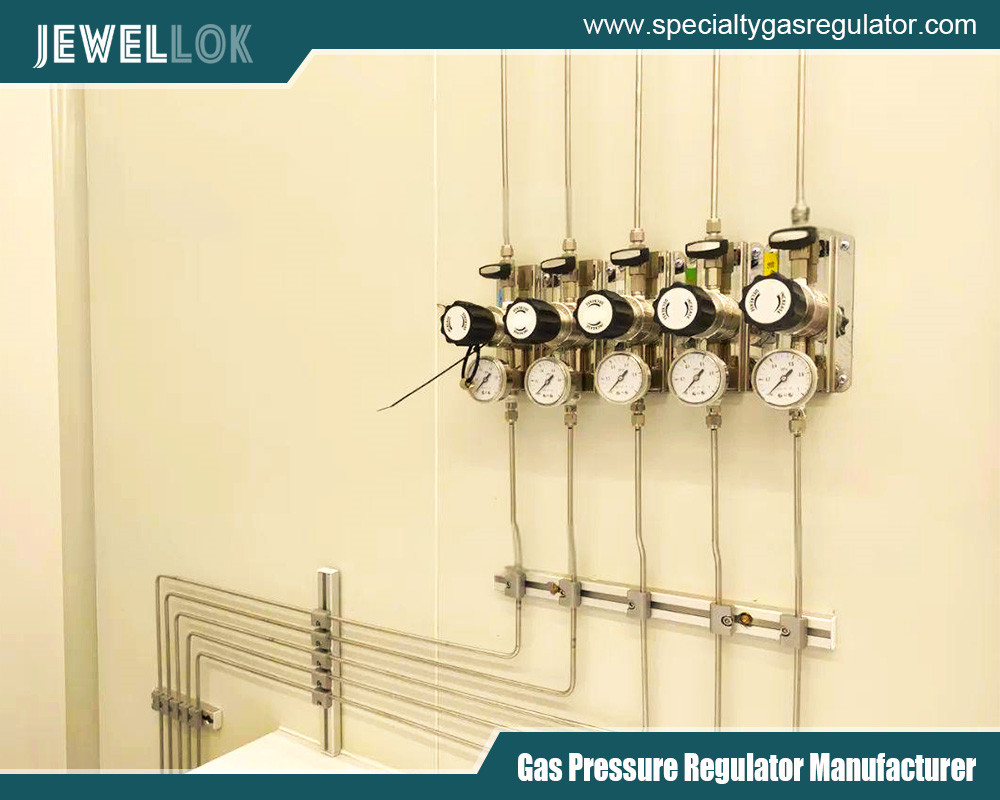
In gas delivery systems, pressure regulators are used instead of pumps.
3.3 Tubing and Piping
High-purity tubing ensures that chemicals are transported without contamination. Materials include:
- PTFE/PFA tubing for corrosive chemicals
- Stainless steel tubing for high-pressure applications
Surface finish and cleanliness are critical, especially in aseptic processes.
3.4 Valves and Fittings
Valves control the flow and direction of chemicals. Common valve types include:
- Diaphragm valves (preferred for ultra-high purity applications)
- Ball valves
- Needle valves
Fittings must provide leak-tight connections and are often designed for quick assembly and disassembly.
3.5 Filtration Systems
Filters are used to remove particulates and microorganisms. Typical filtration stages include:
- Pre-filtration (coarse particles)
- Fine filtration (sub-micron level)
- Sterile filtration (0.2 μm or smaller)
3.6 Monitoring and Control Systems
Sensors and control units ensure precise operation. These include:
- Flow meters
- Pressure sensors
- Temperature sensors
- Automated control systems (PLC/SCADA)
Automation enhances accuracy and reduces human error.
4. Types of Chemical Delivery Systems
4.1 Bulk Chemical Delivery Systems
Used for large-scale manufacturing, these systems transport chemicals from bulk storage tanks to process equipment. They often include automated controls and safety interlocks.
4.2 Chemical Dispense Units (CDUs)
CDUs are designed for precise dispensing of small volumes. They are commonly used in laboratories and semiconductor-pharmaceutical crossover applications.
4.3 Single-Use Delivery Systems
Single-use (disposable) systems are gaining popularity in biotech applications. These systems:
- Reduce cleaning and validation requirements
- Minimize cross-contamination risks
- Improve operational flexibility
4.4 Gas Delivery Systems
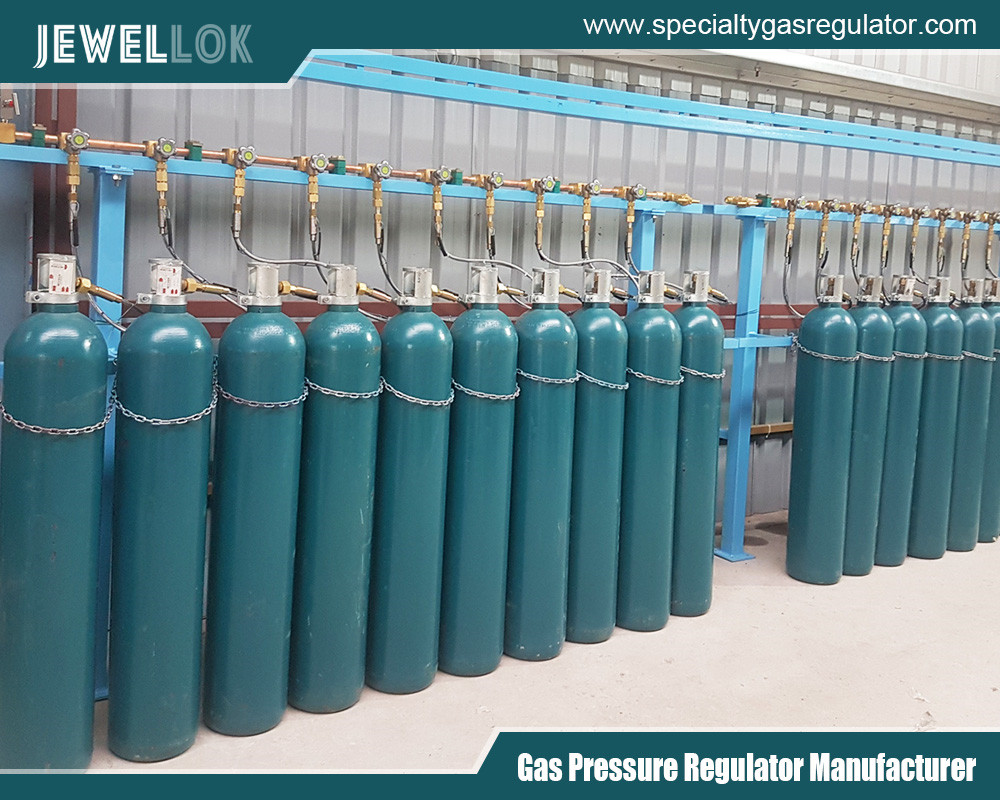
Used for delivering gases such as nitrogen, oxygen, or specialty gases. These systems require pressure regulation, leak detection, and purification components.
5. Applications in Pharmaceutical and Biotech Industries
5.1 Drug Manufacturing
Chemical delivery systems are essential in:
- API synthesis
- Solvent delivery
- Reagent dosing
Precision in chemical handling directly impacts product yield and quality.
5.2 Bioprocessing
In biopharmaceutical production, these systems deliver:
- Nutrients and buffers
- pH control agents
- Cleaning and sterilization chemicals
Single-use systems are particularly common in this area.
5.3 Analytical Laboratories
Laboratories rely on chemical delivery systems for:
- Sample preparation
- Chromatography (HPLC, GC)
- Reagent handling
Accuracy and repeatability are critical for analytical results.
5.4 Cleanroom Environments
In sterile manufacturing, chemical delivery systems must meet stringent cleanliness standards. They are designed to:
- Prevent particle generation
- Maintain aseptic conditions
- Ensure compliance with GMP regulations
6. Design Considerations
6.1 Material Compatibility
All system components must be compatible with the chemicals being handled to prevent corrosion, contamination, or degradation.
6.2 Cleanability and Sterilization
Systems must support cleaning methods such as:
- CIP (Clean-in-Place)
- SIP (Sterilize-in-Place)
Single-use systems eliminate the need for cleaning but require careful disposal.
6.3 Safety
Safety features include:
- Leak detection systems
- Pressure relief devices
- Emergency shut-off valves
Handling hazardous chemicals requires strict adherence to safety standards.
6.4 Regulatory Compliance
Chemical delivery systems must comply with regulations such as:
- FDA (Food and Drug Administration)
- GMP (Good Manufacturing Practice)
- ISO standards
Documentation and validation are essential.
7. Challenges in Chemical Delivery Systems
7.1 Contamination Control
Even trace contamination can compromise pharmaceutical products. Maintaining ultra-high purity is a constant challenge.
7.2 System Complexity
Modern systems are highly complex, requiring integration of mechanical, electrical, and software components.
7.3 Maintenance and Downtime
Regular maintenance is necessary to ensure reliability. However, downtime can disrupt production schedules.
7.4 Cost Considerations
High-purity materials and advanced automation increase system costs. Balancing cost and performance is a key challenge.
8. Emerging Trends and Innovations
8.1 Automation and Digitalization
Advanced control systems and Industry 4.0 technologies are transforming chemical delivery systems. Features include:
- Real-time monitoring
- Predictive maintenance
- Data analytics
8.2 Single-Use Technologies
The adoption of single-use systems continues to grow, particularly in biologics manufacturing.
8.3 Advanced Materials
New materials such as fluoropolymers and coated stainless steel improve chemical resistance and reduce contamination risks.
8.4 Modular System Design
Modular systems allow for easy scalability and customization, reducing installation time and costs.
8.5 Sustainability
Efforts are being made to:
- Reduce chemical waste
- Improve energy efficiency
- Develop recyclable single-use components
9. Future Outlook
As pharmaceutical and biotech industries continue to evolve, chemical delivery systems will become increasingly sophisticated. The demand for personalized medicine, biologics, and advanced therapies will require:
- Greater flexibility
- Higher precision
- Enhanced contamination control
Integration with digital technologies and smart manufacturing systems will further improve efficiency and reliability.
10. Conclusion
Chemical delivery systems are a foundational component of pharmaceutical and biotech manufacturing. They ensure the safe, accurate, and contamination-free handling of chemicals across a wide range of applications. With ongoing advancements in automation, materials, and system design, these systems are becoming more efficient, flexible, and reliable.
As the industry moves toward more complex and high-value products, the importance of robust chemical delivery systems will only continue to grow. Companies that invest in advanced delivery technologies will be better positioned to meet regulatory requirements, improve product quality, and maintain a competitive edge in the global market.
For more about the chemical delivery systems in pharmaceutical and biotech industries, you can pay a visit to Jewellok at https://www.specialtygasregulator.com/product-category/specialty-gas-cabinet/ for more info.
-
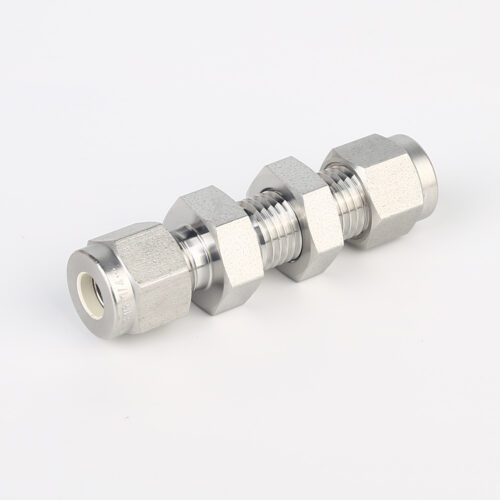
774L Stainless Steel UHP Fittings Butt Weld Bulkhead Union For High Flow Special Gas Fluid
-
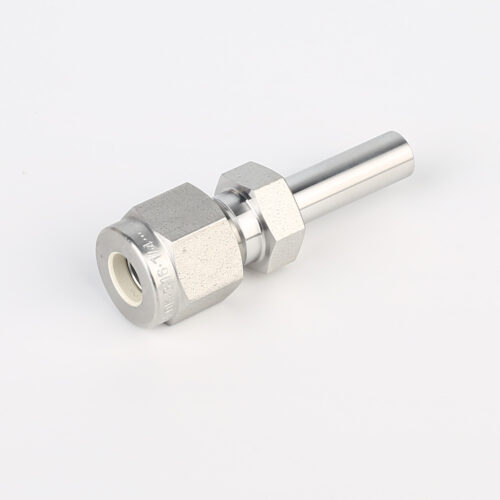
767LT Reducer Pressure Reducing Valve Adjustment High purity Pressure Reducing Union Fittings And Tubing
-
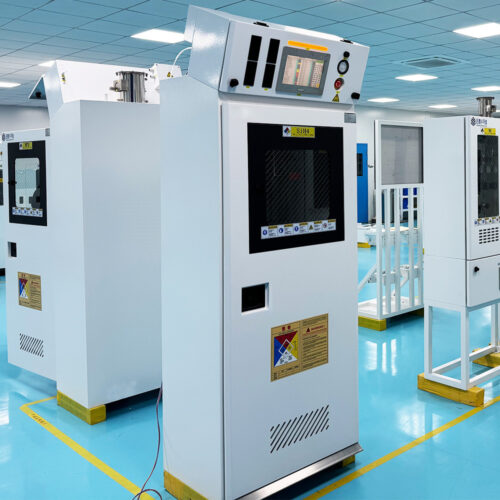
Fully Automated Gas Cabinet For Precise UHP Gas Delivery And High Purity Gas Delivery Systems JW-300-GC
-
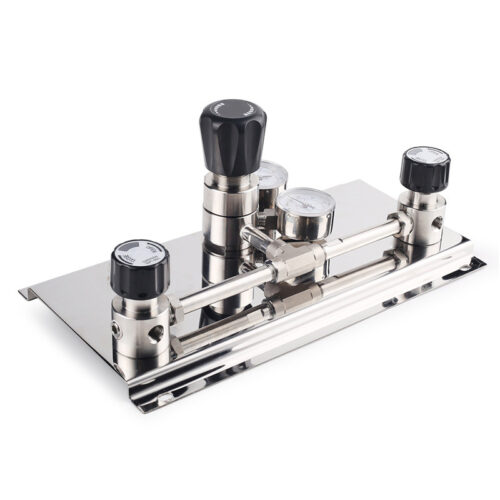
High Purity Semi-Auto Stainless Steel Changeover Manifold System, Nitrogen High Pressure Control Panel With Semiconductor Valve Manifold Box Diaphragm Valves
-
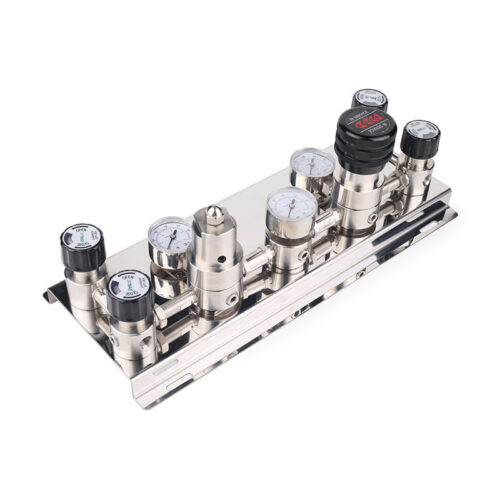
Stainless Steel High Pressure Specialty Gas Changeover Manifold For High Purity Oxygen Nitrogen Argon Helium Hydrogen Co2
-
Semi Automatic Oxygen Nitrogen Helium Argon Gas Changeover Manifold Manual Gas Changeover Manifold Panel For Gas Cylinders
-
Ultra High Purity Diaphragm Valves and Pressure Regulators for Reliable Ultra High Purity Liquid Chemical Handling Systems
-
Integrated Scrubber Tail Gas Treatment Cabinet for Safe Bulk Specialty Gas System Exhaust Management